
Carpet Weaving History
India’s carpet history is among the most colourful, diverse and celebrated in the world – moulded through centuries of creative excellence, cultural interaction and craftsmanship. Indian Carpets Industry were established sometime around the Mughal times when Persians visited India and taught their craft to the local weavers. A royal craft that took longer to gain popularity in isolated regions, unique weaving styles and motifs eventually developed on looms not fit for the same scale of glitter.
In time, Indian carpets came to combine Persian inflected designs with local imagination—depicting floral motifs, abstract ornaments and narrative elements inspired by nature, religion and everyday life.
Villages in Uttar Pradesh, Kashmir, Rajasthan and Punjab gained popularity for their unique types of weaving.
Indian carpets are, as of today, at the crossroads between tradition and modernity. Hand knotted masterpieces are still woven on wooden looms and some of the most stylish designs, best materials, modern production methods and man’s elegant creations help to supply this global demand. Whether machine or hand made, an Indian carpet is a luxury that symbolises culture and art at its best.
Types of Indian Carpets
India is famous for differ type of carpets which have their identity and weaving techniques and market demands. Below are the most popular kinds ofIndianCarpetsIndustry:
1. Hand-Knotted Carpets
These carpets are the pride of India’s weaving legacy. Each knot is tied by hand, sometimes taking months or even years to complete. The result is a highly durable carpet with exceptional detail, smoothness, and richness.
2. Hand-Tufted Carpets
Hand-tufted rugs are created using a tufting gun that inserts yarn into a canvas backing. They are faster to make and more affordable, making them popular among modern buyers looking for stylish yet budget-friendly options.
3. Flat-Weave Dhurries
Dhurries are lightweight, reversible woven rugs known for their vibrant patterns and minimalism. They are especially popular in global interiors because of their durability and versatility.
4. Handloom Carpets
Made on traditional looms, these carpets combine fast production with artisanal finish. They cater to customers who want a mix of tradition, affordability, and modern designs.
5. Contemporary Designer Rugs
Modern Indian rug makers experiment with abstract prints, pastel palettes, geometric tones, and sustainable materials. These rugs appeal to urban homes, hotels, offices, and international buyers.
Together, these varieties show how India’s weaving industry has successfully adapted to global tastes while preserving its roots.
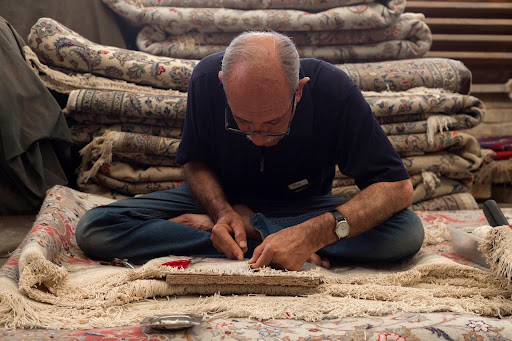
Major Carpet Clusters
India’s carpet clusters act as cultural and economic hubs, where families and communities have been weaving for generations. Some of the most influential hubs in the Indian Carpets Industry include:
Bhadohi–Mirzapur, Uttar Pradesh
Often called the Carpet City of India, Bhadohi is the largest hand-knotted carpet producer in South Asia. It supplies luxury carpets to Europe, the US, and high-end retail chains worldwide.
Kashmir
Famous for silk carpets with Persian-inspired motifs, Kashmiri carpets are prized for their sheen, knot density, and intricate detailing. They are considered premium art pieces globally.
Jaipur & Tonk, Rajasthan
These regions specialize in hand-tufted rugs, flat-weave dhurries, and natural-dye carpets. The combination of craftsmanship and rich color palettes makes them favorites in global home décor.
Panipat, Haryana
Known as the Textile City, Panipat is a leading hub for handloom rugs, shags, and modern industrial carpets.
North-East & Tribal Regions
These regions are known for eco-friendly, natural fiber rugs made using bamboo, jute, and hill-based sheep wool.
Each cluster contributes to India’s position as a global carpet supplier, supporting thousands of artisans and exporters.

The Making Process
The journey of creating a traditional Indian carpet is long, intricate, and deeply artistic. Here’s how carpets are made in the Indian Carpets Industry today:
1. Designing
Designers sketch patterns inspired by floral motifs, landscapes, geometric shapes, or traditional symbols. Some clusters still use age-old coded graphs known as Talim.
2. Yarn Selection & Dyeing
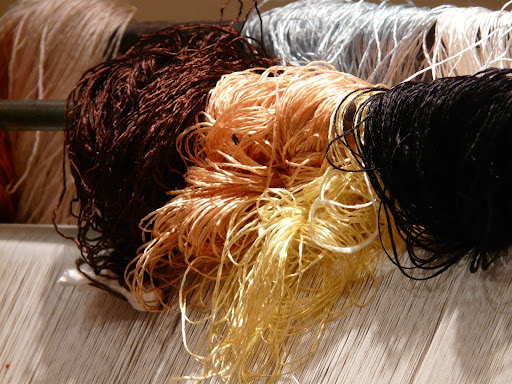
Carpets are made using wool, cotton, silk, jute, or modern fibers. After choosing yarn, artisans dye it using natural, vegetable, or chemical dyes depending on the product requirement.
3. Loom Setup
Wooden looms are tightened with warp threads. This structure becomes the backbone of the carpet.
4. Knotting or Weaving
This is the heart of the process.
– In hand-knotted carpets, weavers tie individual knots row by row.
– In dhurries, the weaver interlaces the warp and weft threads.
– In tufted rugs, yarn is punched into the base canvas.
5. Trimming & Washing
Once the weaving is complete, the carpet is sheared for uniform thickness and then washed to enhance softness and colors.
6. Stretching & Finishing
The carpet is stretched, dried, inspected, and finished with edges and backing.
The entire process combines precision, patience, and generations of skill—making handcrafted Indian carpets truly priceless.
Export Opportunities
Indian carpets consistently rank among the country’s top handicraft exports. The global market recognizes Indian rugs for their artistry, durability, and ethical production values.
Here’s why exports are booming:
High Demand in International Markets
Countries like the US, Germany, France, Australia, and Japan consistently import Indian carpets for luxury homes, hotels, and interior design projects.
Preference for Sustainable & Handmade Products
Consumers worldwide prefer ethically made, eco-friendly, artisan-crafted rugs—an area where India has a strong advantage.
Skill Diversity
The variety of styles—from hand-knotted wool to contemporary tufted rugs—helps Indian exporters serve many market segments.
Supportive Policies
Government initiatives like the Carpet Export Promotion Council (CEPC) and GI-tag certifications help artisans gain global recognition.
Whether it’s a silk Kashmiri carpet or a modern Jaipur rug, Indian carpets continue to dominate international décor markets.
Digital Sales Through Desi Biz
The rise of digital marketplaces has transformed the Indian Carpets Industry, giving artisans and brands access to buyers nationwide. Platforms like Desi Biz are helping carpet makers:
Expand Their Audience
Even small workshops can showcase collections to customers across India without needing a physical showroom.
Get Fair Pricing
Direct selling eliminates middlemen, ensuring artisans receive better margins for their work.
Promote Authentic Art
Desi Biz highlights traditional weaving clusters and authentic handcrafted products, helping buyers identify real handmade carpets.
Offer Custom Orders
Buyers can directly reach the maker, enabling personalized rugs, sizes, colors, and designs.
Digital commerce is helping preserve weaving communities while empowering them to compete with large brands.

Conclusion
The Indian Carpets Industry represents a powerful blend of cultural heritage, craftsmanship, and innovation. From Mughal-era designs to modern abstract rugs, from hand-knotted masterpieces to trendy dhurries, India’s weaving tradition continues to thrive in global markets.
Today, artisans are not just preserving centuries-old skills—they are adapting to new technologies, design trends, and online marketplaces. As the world seeks sustainable and handcrafted décor, Indian carpets stand tall as symbols of artistry, luxury, and cultural pride.
India is not just a participant in carpet weaving—it is a global leader shaping the future of this timeless craft.
Frequently Asked Questions
1. What materials are commonly used in Indian carpets and rugs?
Indian carpets are typically made using wool, silk, cotton, bamboo fibers, and jute. Wool and silk are preferred for luxury carpets because of their softness and durability, while cotton is used for foundations. Modern designers also experiment with recycled fibers and eco-friendly materials.
2. How long does it take to weave a traditional Indian carpet?
The weaving duration depends on knot density, size, and design complexity. Small dhurries may take a few days, but hand-knotted silk carpets can take several months or even years to complete. The more detailed the pattern, the longer the weaving time.
3. What is the difference between hand-knotted, hand-tufted, and machine-made rugs?
– Hand-knotted: Entirely made by tying knots by hand; most durable and premium.
– Hand-tufted: Made using a tufting gun; faster production and mid-range pricing.
– Machine-made: Produced by automated looms; affordable but lacks artisanal detailing.
4. Which Indian regions are famous for carpet weaving?
Bhadohi–Mirzapur, Kashmir, Jaipur, Panipat, and tribal regions of the North-East are the most prominent carpet weaving clusters, each known for unique materials, motifs, and weaving traditions.
5. How can buyers identify authentic handmade Indian carpets?
Buyers should check for backside irregularities, knot variations, natural dye tones, and handcrafted detailing. Authentic rugs also show unevenness and slight imperfections—proof that they were made by hand, not machines.
Leave a Reply