
History of Handmade Jewelry
Handcrafted Jewelry Makers of India relationship with handcrafted jewelry goes back thousands of years, long before global fashion trends or modern technology came into existence. The earliest pieces were born in ancient civilizations like the Indus Valley, where people carved beads, shells, and stones into personal ornaments. Over centuries, handcrafted jewelry became a cultural symbol—an expression of beauty, status, spirituality, and artistry.
Every dynasty that ruled India contributed to the evolution of jewelry-making. The Mughals introduced intricate meenakari and gemstone settings, while temple craftsmen in South India perfected gold casting for divine sculptures and bridal ornaments. Tribal communities developed their own rustic styles using coins, bones, brass, and silver. What makes this history extraordinary is that many of these traditions continue today, carried forward by skilled artisans who learned the craft through generations.
In modern times, handcrafted jewelry has found a new identity. It represents authenticity, slow fashion, sustainability, and emotional value—qualities that machine-made jewelry cannot replicate. With global interest rising in handmade craftsmanship, India’s jewelry heritage is experiencing its strongest renaissance.
State-Wise Jewelry Traditions
The beauty of Handcrafted Jewelry Makers of India lies in its diversity. Every state offers a distinct style shaped by local culture, materials, and techniques.
Rajasthan
Rajasthan is a treasure chest of traditional jewelry. Its most famous styles include kundan, jadau, meenakari, and the iconic thewa art. These designs are known for their regal appeal and intricate detailing.
Gujarat
Gujarat specializes in silver jewelry, tribal designs, and oxidized pieces. Regions like Kutch are globally known for bold handcrafted tribal ornaments.
Maharashtra
From traditional Kolhapuri saaj to pearl-studded Puneri jewelry, Maharashtra blends elegance with heritage. Its goldsmith communities are among the finest in India.
West Bengal
Bengal’s gold filigree (also called tarakashi) is delicate, lightweight, and highly artistic. Bengali craftsmen are masters of shaping fine wires into lace-like patterns.
Tamil Nadu
Tamil Nadu is known for temple jewelry, a style used in classical dance forms and bridal ornaments. Traditional artisans craft pieces inspired by deities, temple motifs, and ancient architecture.
Kerala
Kerala’s jewelry traditions revolve around pure gold craftsmanship. The state is famous for its kasavu-inspired designs and unique patterns worn during festivals and weddings.
Karnataka
The state is recognized for its stunning Mysore gold jewelry, navaratna ornaments, and traditional beadwork.
Odisha
Odisha is a hub for silver filigree, tribal jewelry, and dokra art. The tiny wirework designs made in Cuttack are internationally celebrated.
Northeast India
States like Nagaland, Manipur, and Assam specialize in bamboo jewelry, bead ornaments, and traditional silver pieces. Assam’s gold jewelry known as “xun” is particularly admired for its natural motifs.
Each region contributes a unique flavor, making India one of the largest and most diverse handcrafted jewelry hubs in the world.
Materials Used in Handcrafted Jewelry
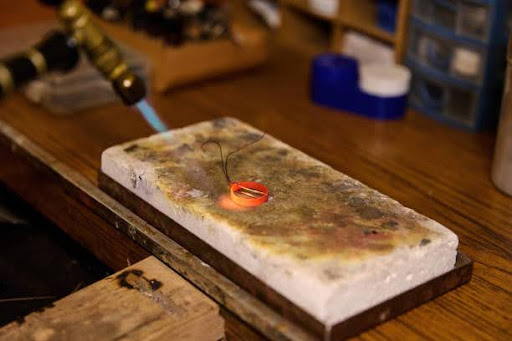
The choice of material determines the character of Handcrafted Jewelry Makers of India. Unlike machine-made production, artisans work closely with raw materials, shaping every piece by hand.
1. Metals
- Gold
- Silver
- Brass
- Copper
- Mixed alloys used for tribal jewelry
These metals are molded, hammered, engraved, or cast using age-old techniques.
2. Gemstones
India’s gemstone artistry is world-renowned. Artisans use rubies, emeralds, sapphires, kundan stones, onyx, turquoise, and semi-precious crystals.
3. Organic Materials
- Shells
- Seeds
- Wood
- Bone
- Terracotta
- Mother-of-pearl
These are particularly used in traditional tribal or eco-friendly jewelry.
4. Beads & Glass
Handmade beads, mirror work, and glass stones are essential in Rajasthan, Kutch, and Northeast India.
5. Modern Materials
As handmade jewelry becomes fashionable among younger buyers, materials like resin, clay, fabric, and recycled metal are also gaining popularity.
This blend of traditional and modern materials keeps Handcrafted Jewelry Makers of India vibrant, diverse, and ever-evolving.
Demand & Market Value
In 2025, the demand for handcrafted jewelry is at an all-time high, driven by three key factors—uniqueness, sustainability, and cultural appreciation.
Growing Domestic Market
Indian customers now prioritize individuality over mass-produced items. Handcrafted jewelry fits this demand perfectly. Brides, fashion lovers, and collectors all seek pieces that tell a story.
Rising Global Interest
International markets in the US, UK, Australia, Japan, and the Middle East appreciate handcrafted jewelry for its artistry and authenticity. Brands that offer handmade Indian jewelry often enjoy strong export opportunities.
Sustainable Fashion Boom
Consumers across the world prefer ethical and low-waste fashion. Handmade jewelry uses minimum machinery, supports local artisans, and reduces industrial pollution.
Premium Pricing Power
People are willing to pay more for handcrafted pieces because every item carries emotional value, cultural heritage, and human effort.
Handmade jewelry is not just a fashion accessory—it’s a lifestyle choice, which is why the market continues to grow.
Business Opportunities for Jewelry Makers
For artisans and entrepreneurs, the business scope in handcrafted jewelry is massive.
1. Designer & Boutique Brands
Handcrafted jewelry sells extremely well through designer stores and boutique brands that highlight craftsmanship and storytelling.
2. Online Businesses
With digital shopping on the rise, handcrafted jewelry has strong potential on:
- Instagram shops
- Personal websites
- Marketplaces
- Designer platforms
3. Export Potential
International customers admire Indian handmade jewelry for its cultural richness. Exports offer high profit margins and consistent demand.
4. Customized Jewelry
Personalized designs, name pendants, birthstone jewelry, and custom bridal pieces are becoming popular.
5. Tribal and Eco-Friendly Jewelry Brands
Rustic, natural, and sustainable jewelry appeals to modern buyers, giving artisans more opportunities.
6. Festival & Wedding Market
The festive season brings huge sales for handcrafted gold, silver, and gemstone jewelry.
The business landscape in this sector is growing faster than ever, making it an excellent space for artisans and new entrepreneurs.
Listing Handmade Jewelry on Desi Biz
Desi Biz offers artisans a dedicated platform to showcase their handcrafted jewelry to buyers across India and abroad. It helps artisans:
- display their products professionally
- reach customers interested in traditional crafts
- access digital tools
- increase visibility
- receive inquiries without middlemen
For jewelry makers who struggle with marketing or online setup, Desi Biz creates a bridge between traditional craftsmanship and modern digital opportunities.
Conclusion
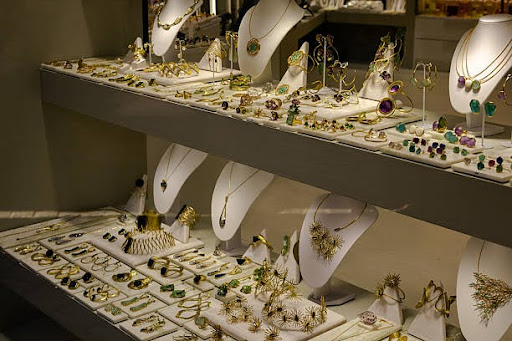
India’s handcrafted jewelry industry is a blend of ancient heritage and modern creativity. Each region carries its own timeless traditions, and every artisan contributes a piece of history through their work. With global demand rising, digital platforms expanding, and sustainability becoming the heart of fashion, the future for Handcrafted Jewelry Makers of India is full of opportunity.
Today, artisans have the world at their fingertips—not just their tools. The combination of cultural strength and digital accessibility is unlocking a new era for handmade jewelry.
Frequently Asked Questions
1. What makes handcrafted jewelry different from machine-made jewelry in India?
Handcrafted Jewelry Makers of India is created manually by skilled artisans using traditional tools and techniques. Each piece carries individual character, cultural value, and emotional craftsmanship. Machine-made jewelry is mass-produced, uniform, and faster to manufacture. Handmade jewelry stands out for its uniqueness and artistic depth.
2. Which Indian states are most famous for traditional handcrafted jewelry?
Rajasthan, Gujarat, West Bengal, Maharashtra, Tamil Nadu, Odisha, Karnataka, and the Northeastern states are widely known for their rich handcrafted jewelry traditions. Each region offers distinct techniques such as kundan, meenakari, filigree, temple jewelry, dokra, tribal silver, and beadwork.
3. What materials are commonly used in Indian handcrafted jewelry?
Artisans use metals like gold, silver, brass, and copper, along with gemstones, beads, shells, terracotta, wood, glass, and modern materials like resin. The choice of material depends on regional traditions and the style being crafted.
4. Is handcrafted jewelry profitable for small artisans in India?
Yes. Handcrafted jewelry is highly profitable because it carries premium value, attracts conscious buyers, and appeals to both domestic and international markets. Artisans can earn significantly more when selling through digital platforms, exhibitions, and boutique stores.
5. How can handcrafted jewelry makers sell their products globally?
Artisans can sell globally through marketplaces, export agencies, social media, personal websites, and specialized craft platforms. High-quality product images, reliable shipping partners, and strong storytelling help attract international customers.
Leave a Reply