Mathura is an old city in India. It is on the banks of the Yamuna River in Uttar Pradesh. Mathura is one of the sacred cities in India. This city is the birthplace of Lord Krishna. So it is a deal for the Braj region. The city has a lot of history. Over 2,500 years. For a time Mathura has been a big place for religion and art and trade.
Today people come to visit Mathura. That helps the city. The city also has dairy farming and agriculture. People in Mathura make handicrafts. Mathura is famous for things, like Mathura Peda and Sanjhi art and Krishna Zari Poshak. These things show how rich the citys heritage is. Every year millions of people visit Mathura to see these things.
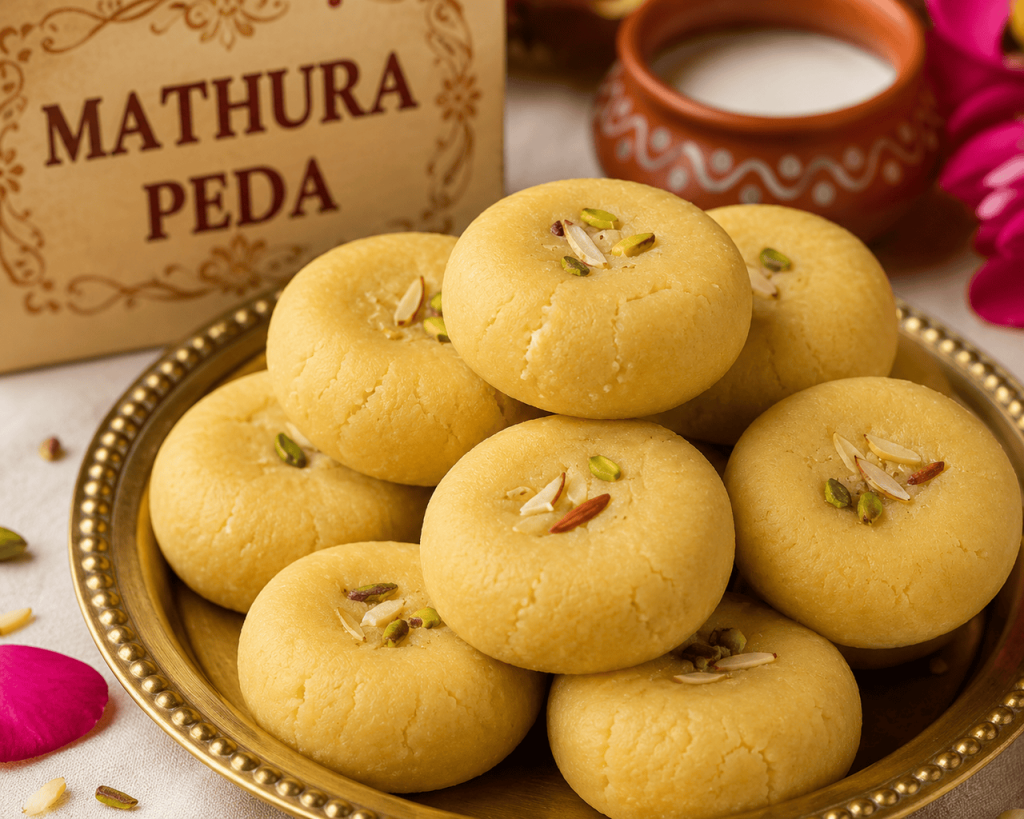
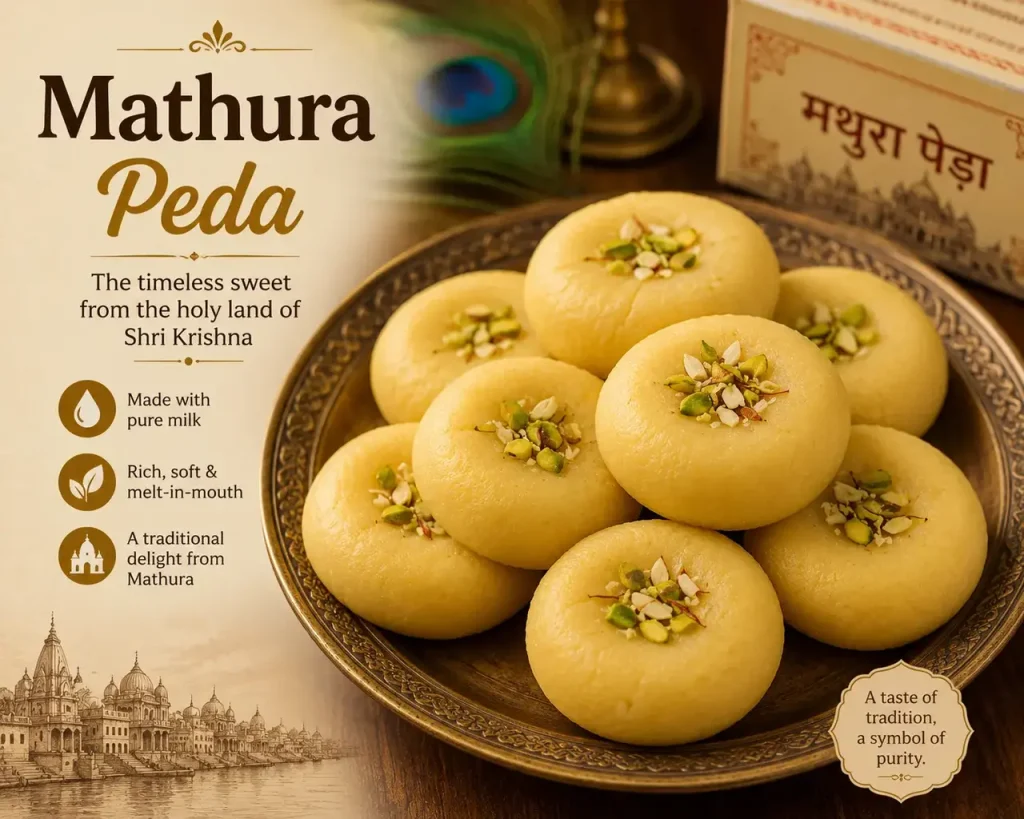
Mathura Peda is a famous sweet from Mathura in Uttar Pradesh. It is well known for its great taste and importance in the culture. The history of Mathura Peda goes back a time and it is closely linked to Lord Krishna and the Braj region. In this region people have been doing dairy farming for a long time.
To make Mathura Peda people use khoya, which’s milk that has been reduced sugar, desi ghee and cardamom. They cook the Mathura Peda over low heat so that it gets a special flavor that is a little bit caramelized and a soft texture that people love.
Mathura Peda is not just a sweet it is a part of the religious and cultural things that people do in Mathura. People often give Mathura Peda as an offering in temples. It is very popular during the festival of Janmashtami. When people visit Mathura they like to buy Mathura Peda as a gift to remember their trip.
Fresh cow or buffalo milk is collected from dairy farms. Buffalo milk is often liked because it has fat.
Sugar, desi ghee and cardamom powder are added to the khoya and mixed well to get a smooth mix.
The pedas are checked for size, texture, taste and freshness. This ensures quality.
The milk is heated slowly in iron pans while stirring all the time until it becomes thick khoya.
The mix is cooled a bit so it can be shaped easily without losing its texture.
The pedas are packed in clean food boxes or containers. This keeps them fresh during storage and transport.
The khoya is roasted on a flame until it turns golden brown. This gives Mathura Peda its caramel flavor.
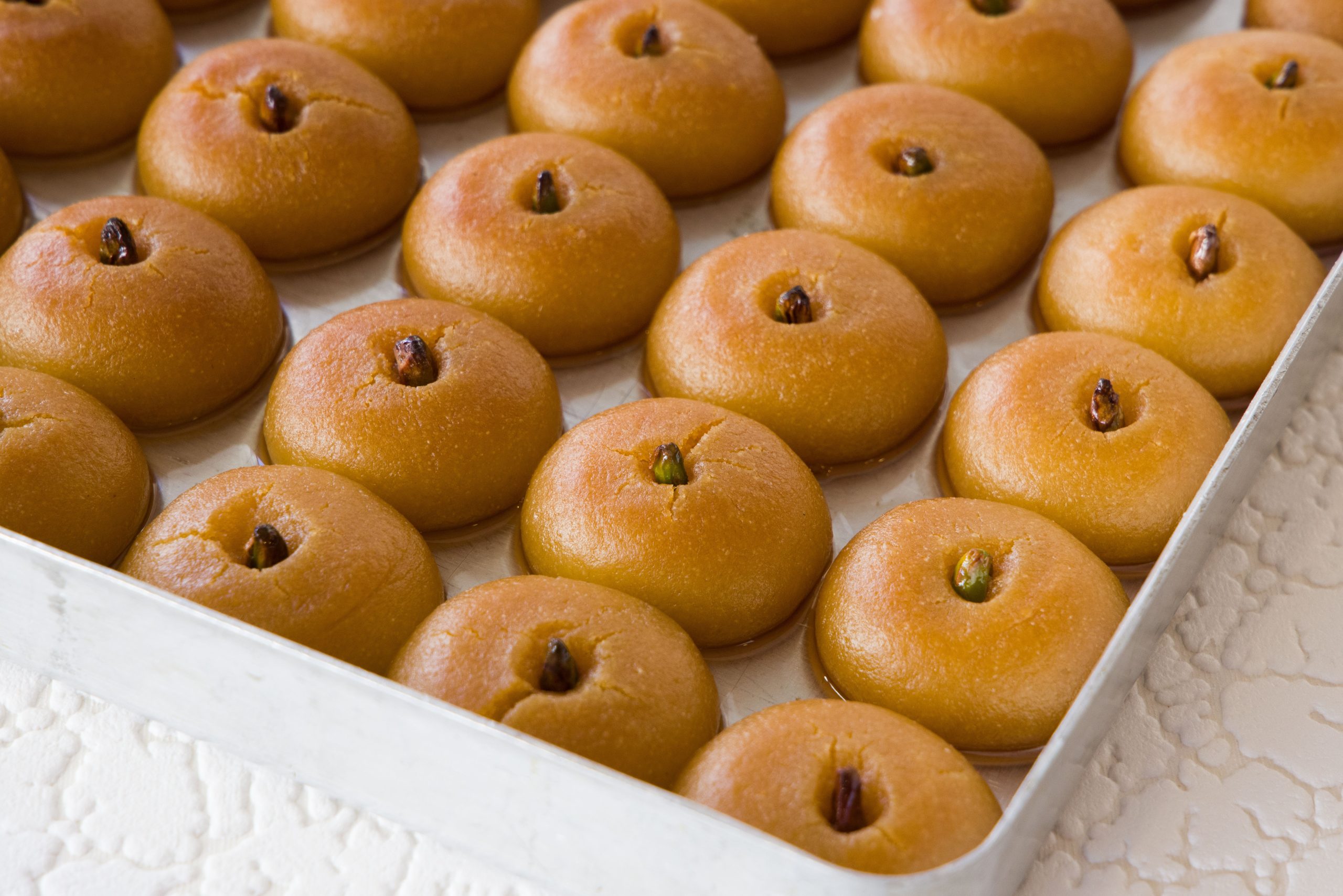
workers roll the mix into small round pedas by hand. This gives each peda its look.
The packed pedas are supplied to shops, temples, local markets and retail stores. They are sold to people who visit temples, tourists and customers across India.
Traditional Mathura Peda. This is made with khoya and sugar and ghee and cardamom.
* Khoya Peda. This is made with khoya and it is very soft and creamy.
* Kesar Peda. This has saffron in it which makes it smell and taste good.
* Elaichi Peda. This has cardamom in it which makes it taste fresh.
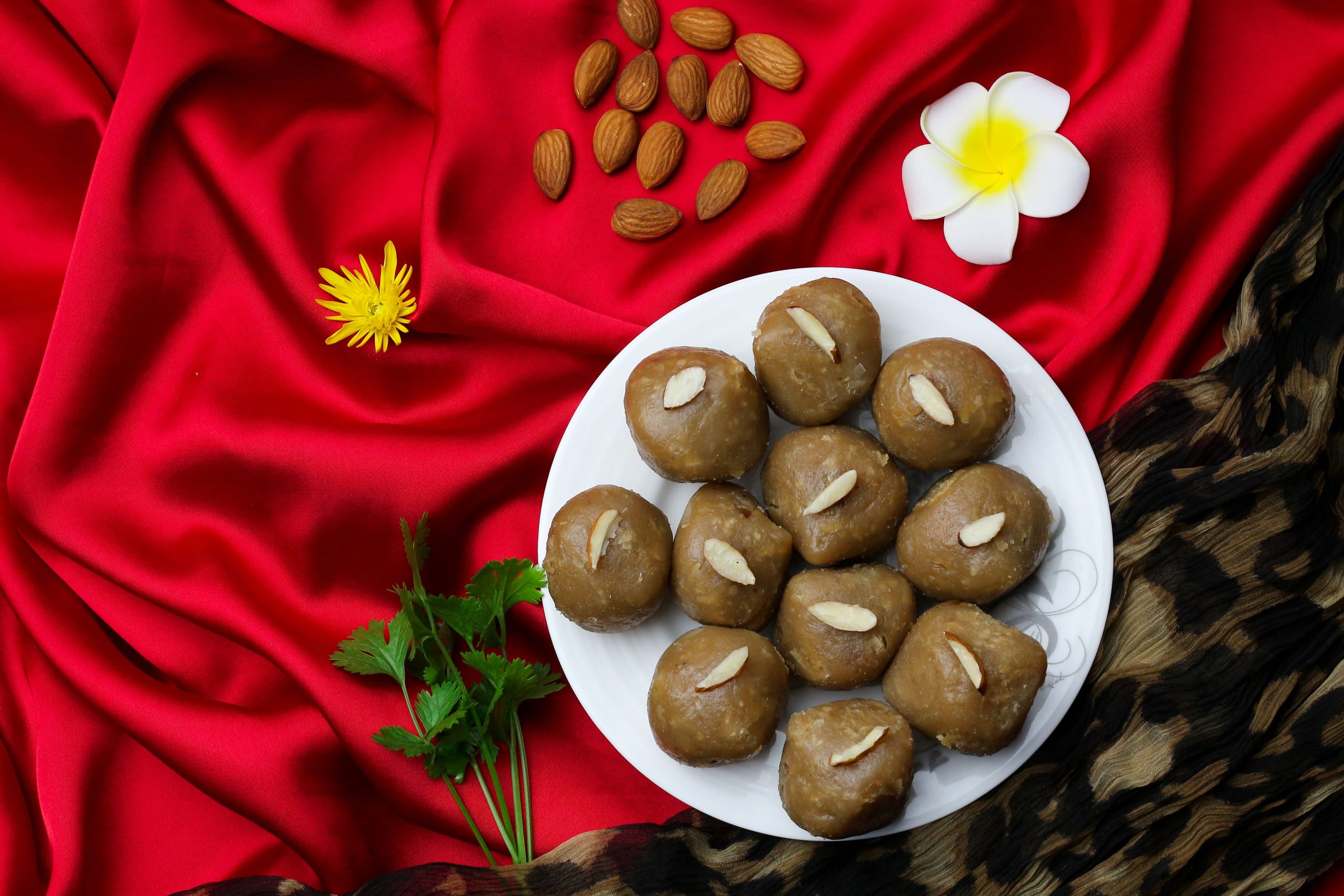
* Dry Fruit Peda. This has almonds and pistachios and cashews in it.
* Chocolate Peda. This is a type of Mathura Peda that has cocoa or chocolate in it.
* Sugar-Free Peda. This is made for people who do not want to eat sugar, like people who're sick, with diabetes.
It is famous because of its unique caramelized flavor, soft texture, and strong cultural connection with Lord Krishna and the Braj region. Pilgrims visiting Mathura often buy it as prasad and as a souvenir.
Unlike ordinary pedas, Mathura Peda is roasted for a longer duration, which gives it a deeper brown color, grainier texture, and richer flavor. This slow-cooking process is its main specialty.
Yes. Mathura is believed to be the birthplace of Lord Krishna, and peda is traditionally offered to him as prasad, especially during Janmashtami and other religious festivals.
Mathura Peda can usually be stored for 3–5 days at room temperature and up to 10–15 days in a refrigerator, depending on the freshness and packaging.
en.wikipedia.org