HERITAGE OF UTTAR PRADESH
AGRA - PETHA
Discover the Legacy of Agra Petha
History of Agra
Agra is one of the oldest and most historic towns of India situated on the banks of the river Yamuna in the state of Uttar Pradesh. It is said to be an old town, yet it achieved its glory only in the 16th century when it was declared the capital of the Mughal Empire by Sikandar Lodi in 1504 AD. Under the rule of the other Mughal Emperors such as Akbar, Jahangir and Shah Jahan, Agra reached great heights as the political and cultural center of the Mughal Empire.
In its golden era, Agra gained fame for its architectural marvels, craftsmanship and flourishing trade. Some of the famous monuments of Agra such as Taj Mahal, Agra Fort and the Tomb of Itmad-ud-Daulah have witnessed the rich cultural and architectural legacy of the city. Apart from architecture, Agra is famous for its traditional craftsmanship like inlay work in marble, leather products, and especially its famous sweet called Agra Petha.
Currently, Agra is the UNESCO World Heritage destination. The monuments are not only the attractions here but also the traditions of hundreds of years which are still alive here make Agra a unique blend of history, culture, craftsmanship and food.
Agra Petha – The Iconic Sweet of Agra
Discover the history, manufacturing process, cultural significance, and business potential of Agra’s world-famous Petha
What is Agra Petha?
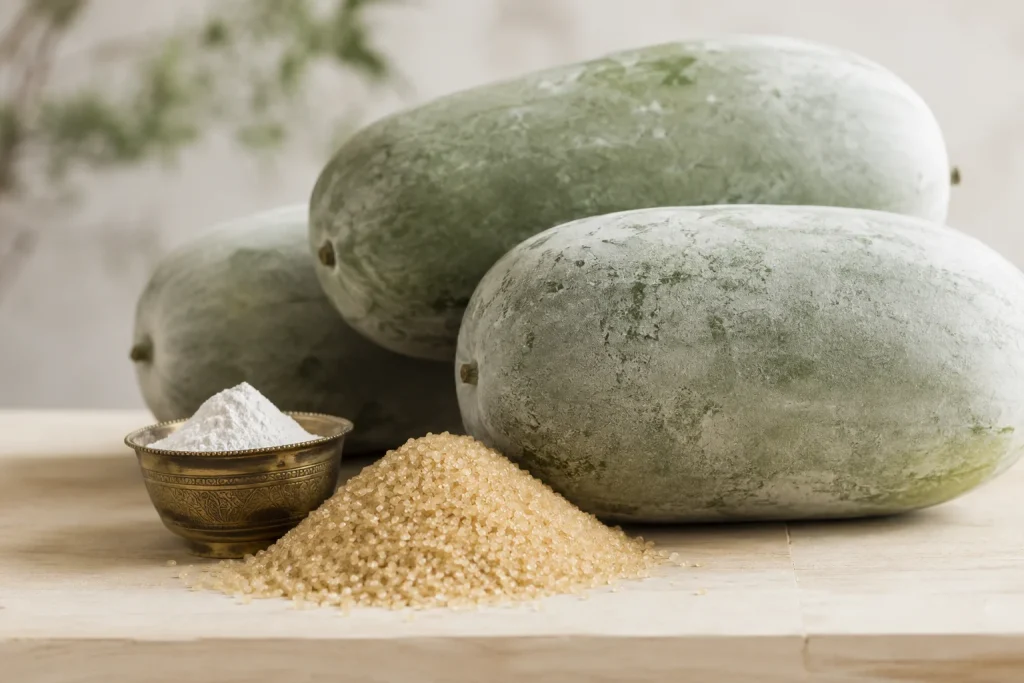
Agra Petha is a soft and juicy confectionery made mainly out of ash gourd (also known as winter melon). It is said that Agra Petha was invented in the times of Mughals, and it has been made in Agra for many years now, using authentic recipes.
Its unique taste, texture, and varieties of flavors make it one of the most distinctive Indian regional sweets. It can now be found all across India as well as internationally.
Why is Agra Petha Famous?
- Traditional Mughal-era delicacy
- Made using fresh ash gourd
- Unique soft and juicy texture
- Available in numerous flavours
- Popular tourist souvenir from Agra
- Loved during festivals and celebrations
- Strong domestic and export demand
Manufacturing Process

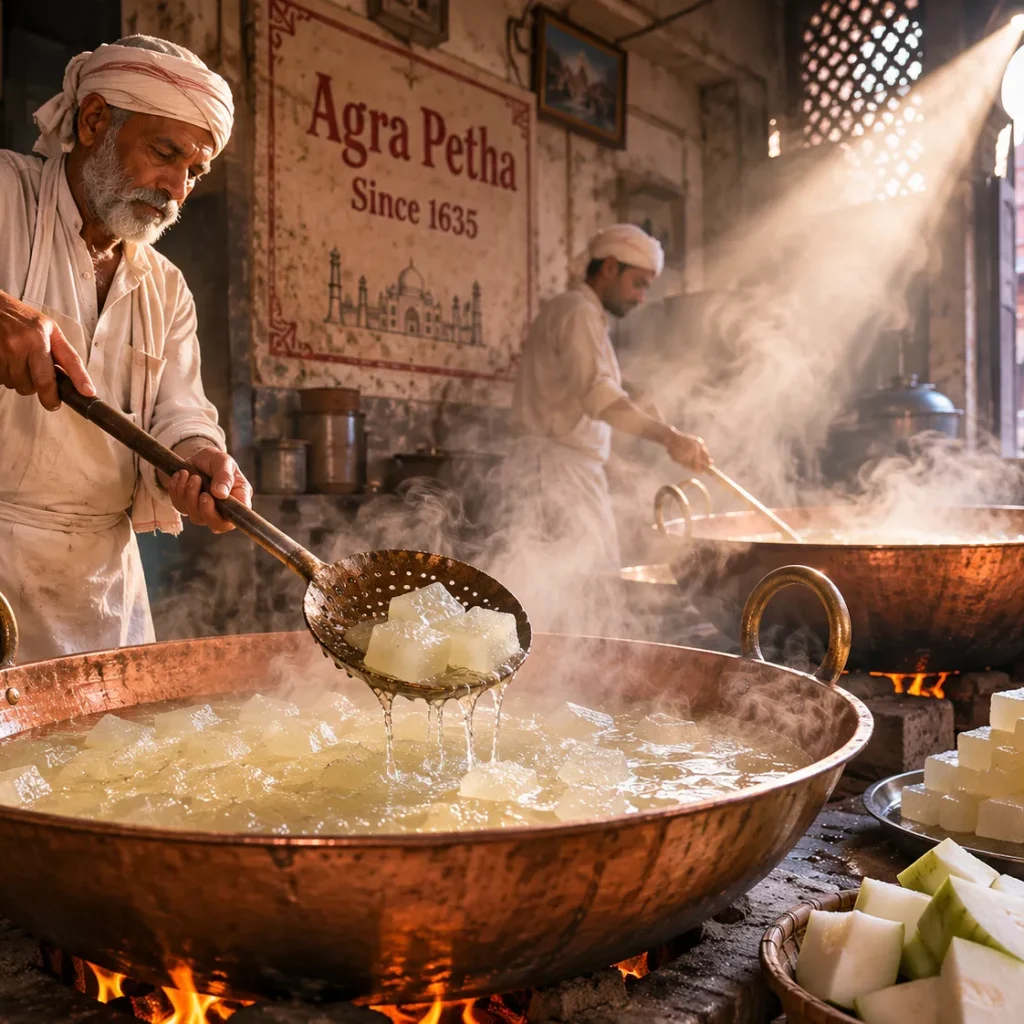
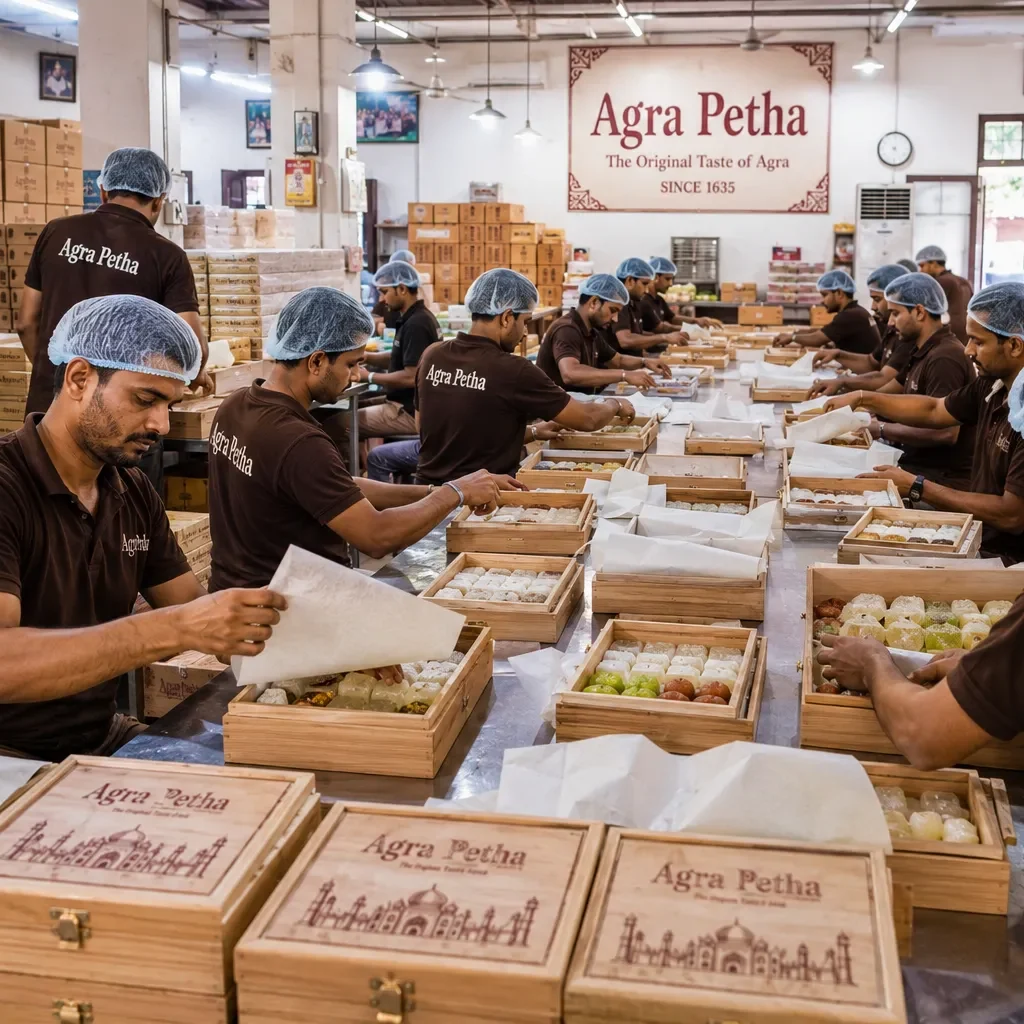
Agra Petha is prepared using a traditional method that has been refined over generations. The process combines fresh ingredients, skilled craftsmanship, and strict hygiene standards to achieve its signature soft texture and delicate sweetness
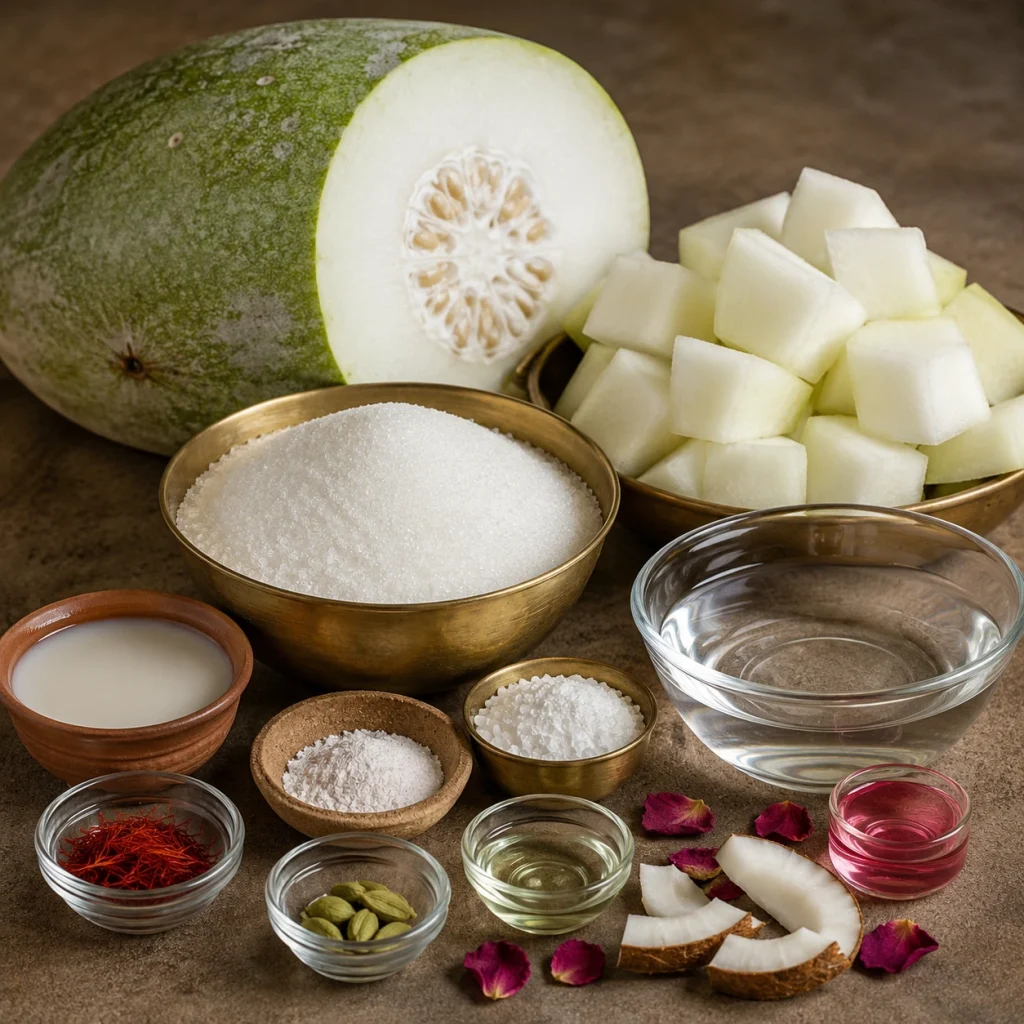
Raw material
Preparation
Packaging
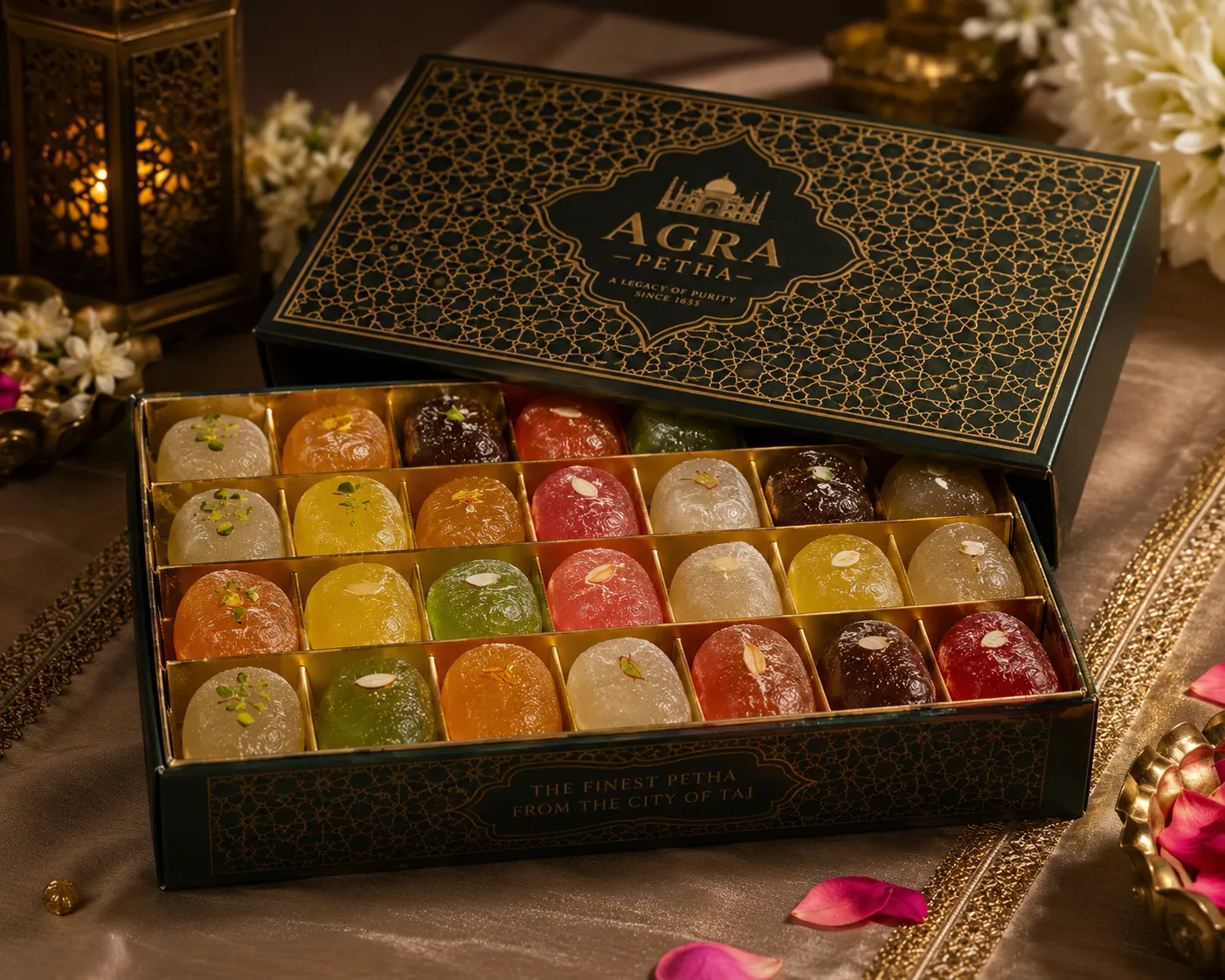
Varieties of Petha
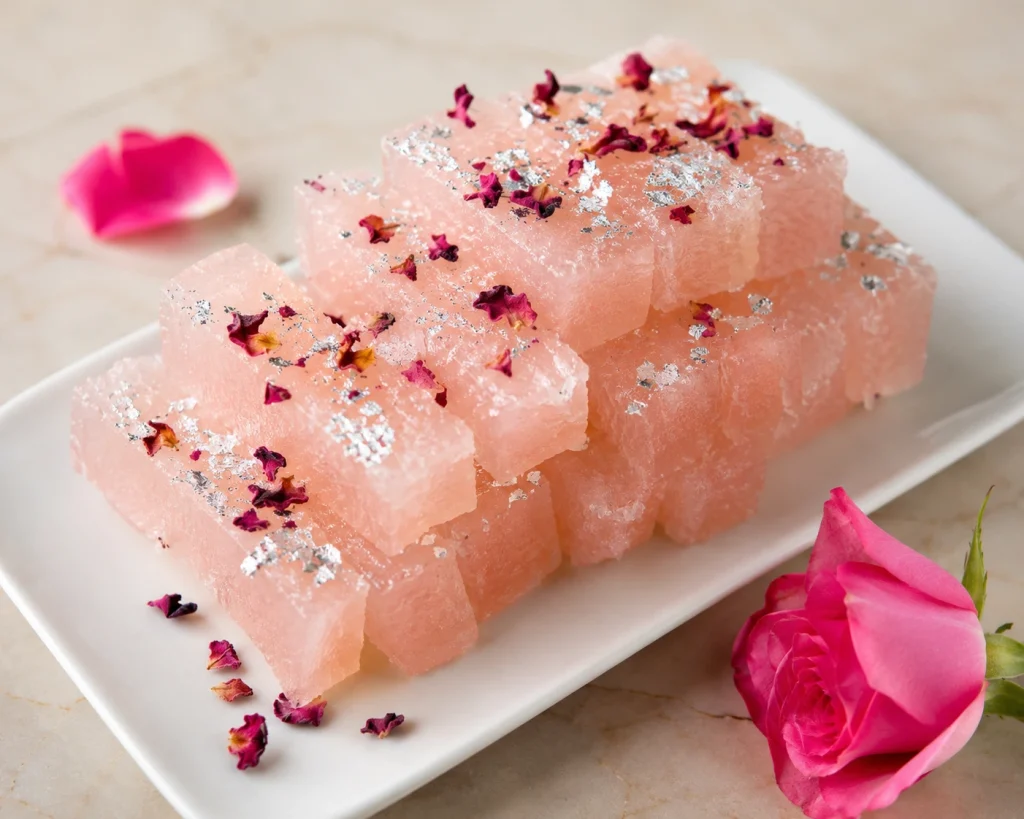
ROSE PETHA
A timeless rose-infused confection proudly crafted in Uttar Pradesh.
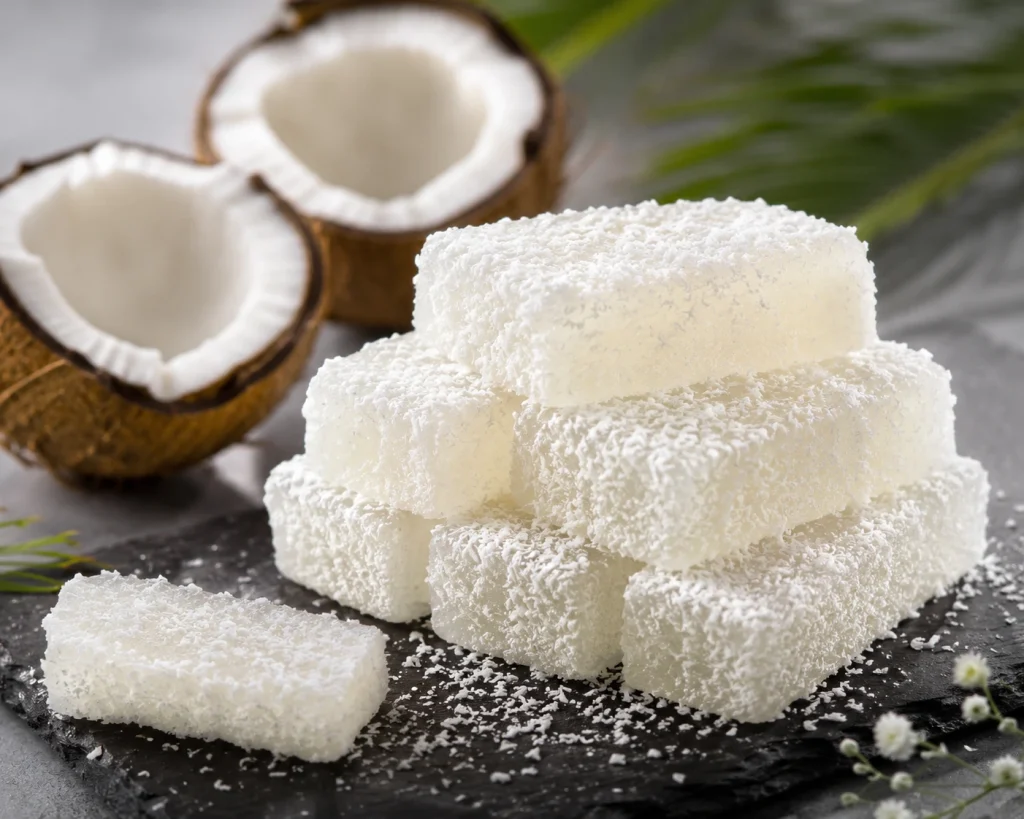
COCONUT PETHA
A tropical delight from Uttar Pradesh, infused with the rich taste of fresh coconut.
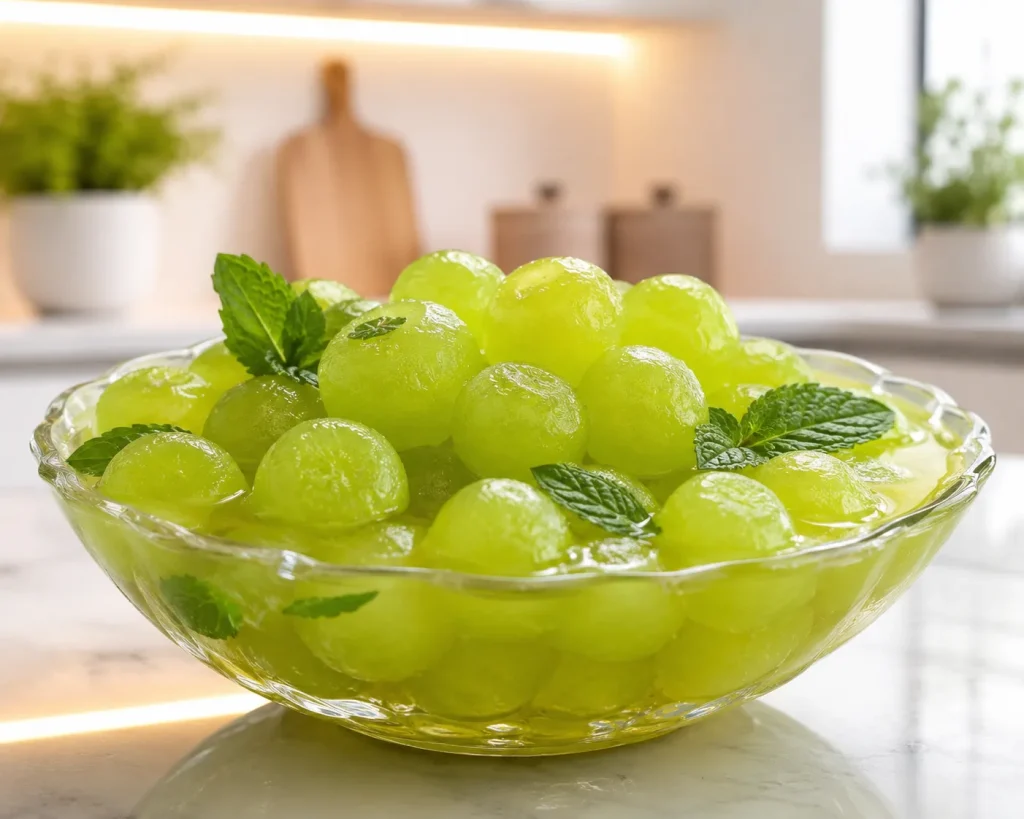
ANGOORI PETHA
A bite-sized delicacy from Uttar Pradesh, celebrated for its juicy sweetness and soft texture.
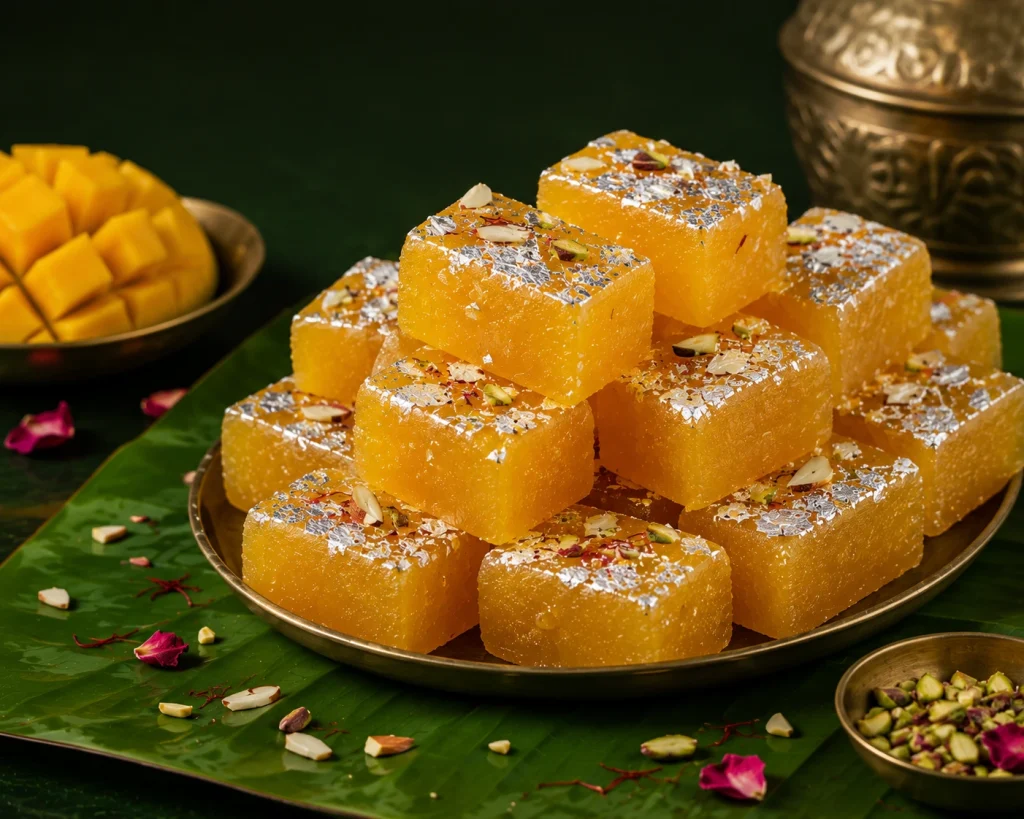
MANGO PETHA
A tropical delicacy from Uttar Pradesh, infused with the rich flavor of ripe mangoes.
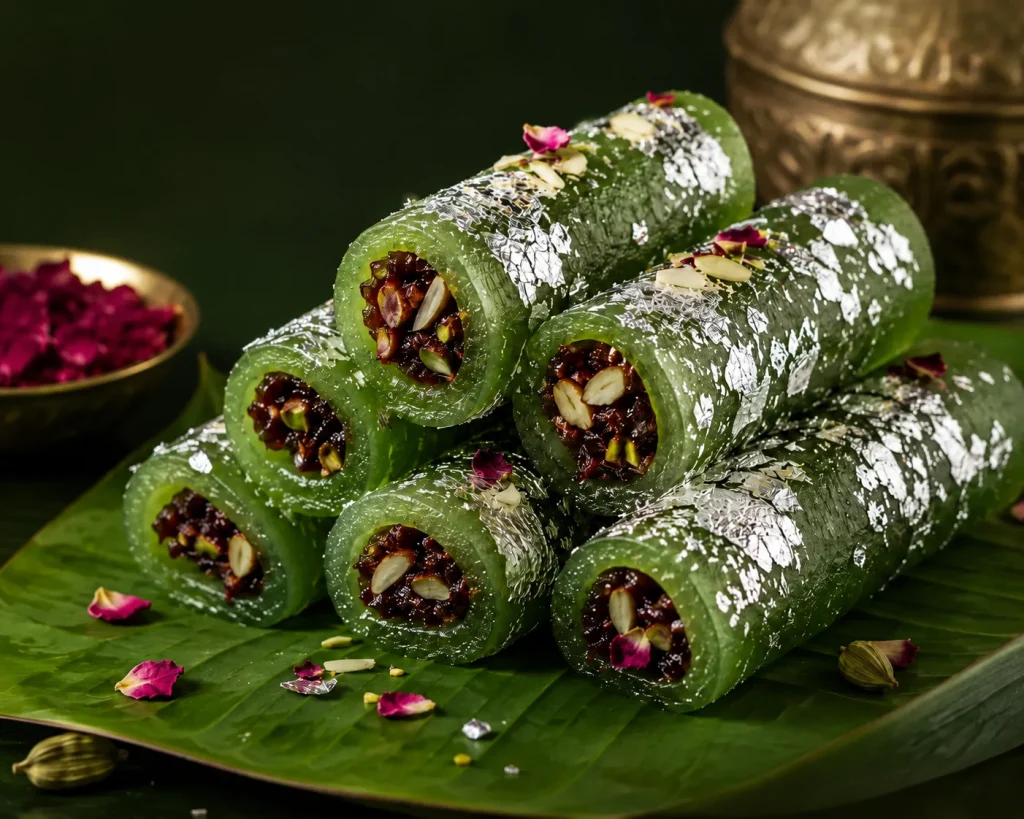
PAAN PETHA
A refreshing delicacy from Uttar Pradesh, infused with the authentic flavor of paan.
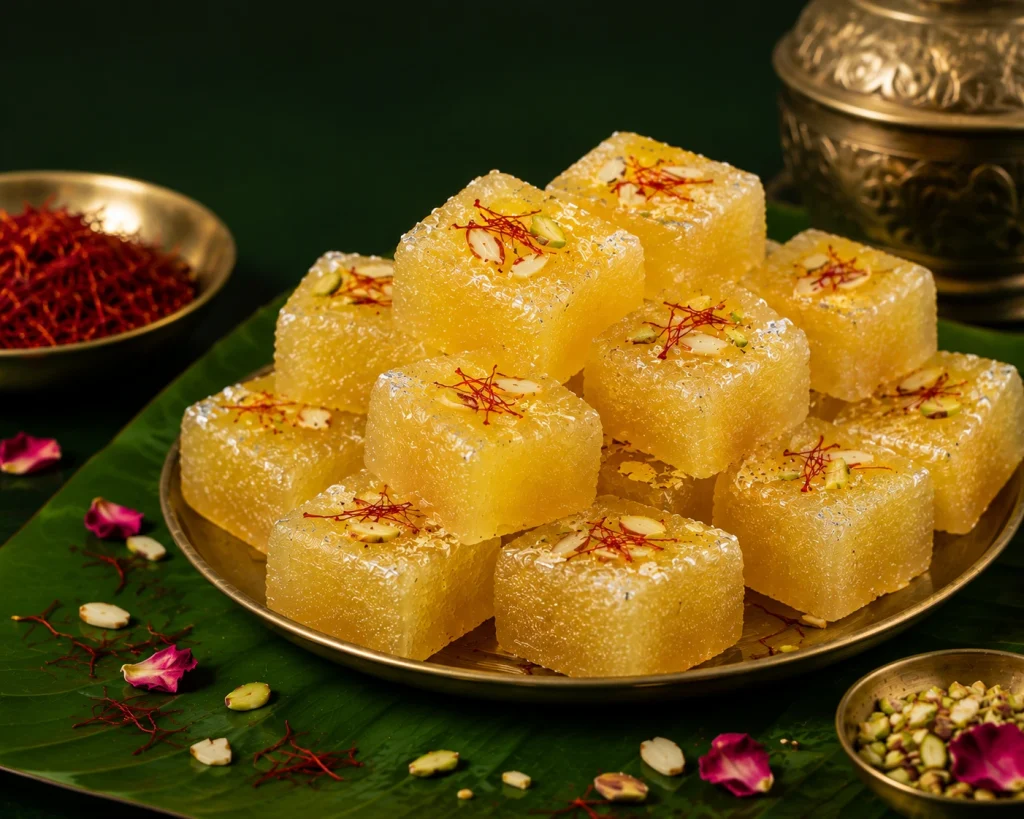
KESAR PETHA
A royal delicacy from Uttar Pradesh, infused with the richness of premium saffron.
From Materials to Market
The supply chain ensures fresh Petha reaches customers across India and overseas.
Raw Materials
Fresh ash gourd, sugar, and other essential ingredients are sourced from local farmers and suppliers.
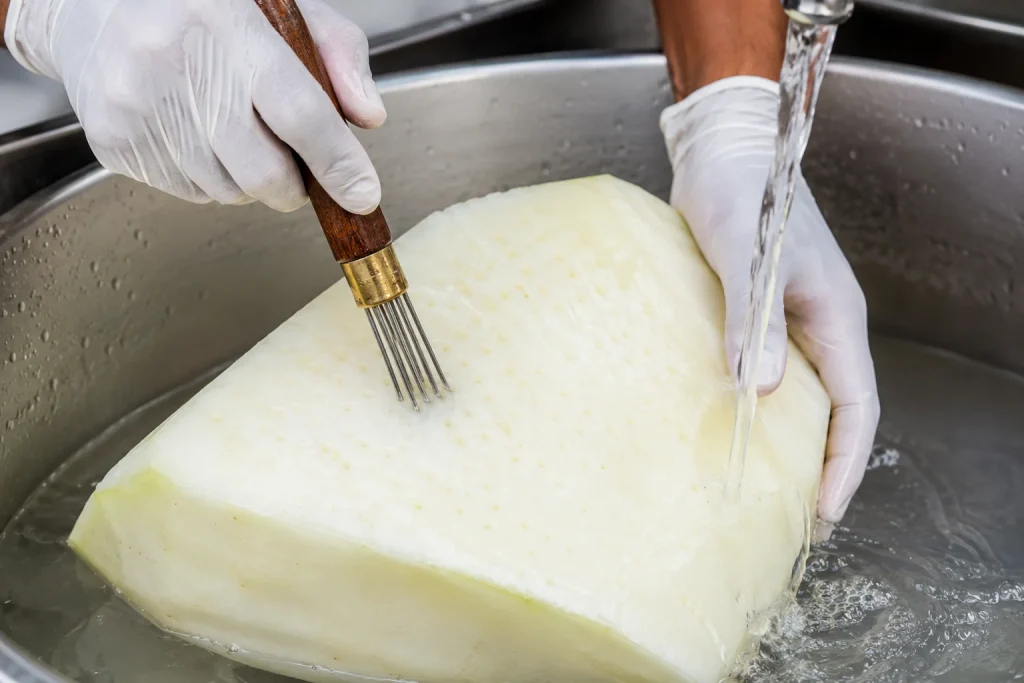
Preparation & Processing
The ash gourd is cleaned, cut, soaked, and processed using traditional methods.
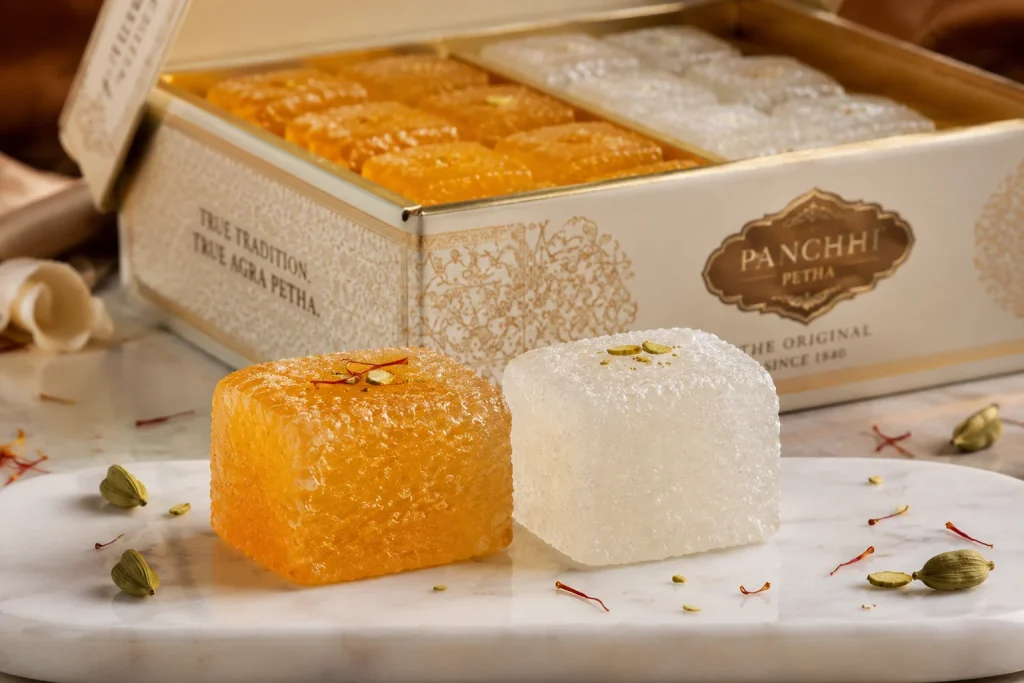
Manufacturing & Packaging
Petha is cooked, flavored, prepared into different varieties, and hygienically packed.
Distribution
Packaged Petha is supplied through wholesalers, retailers, local sweet shops, online platforms, and Exports.
Market & Global Reach
It reaches tourists, across India, and international markets through online sales
Cultural & Economic Significance
ECONOMIC SIGNIFICANCE
CULTURAL SIGNIFICANCE
FAQ
Frequently Asked Questions (FAQs)
Agra Petha is famous for its rich Mughal heritage, unique preparation method, refreshing taste, and long-standing association with the city of Agra. It is also one of the most popular souvenirs purchased by visitors to the Taj Mahal.
The ash gourd is peeled, cut into cubes, soaked in lime water, boiled, and then cooked in concentrated sugar syrup. After flavouring and cooling, the Petha is packed hygienically for sale.
The primary ingredients include fresh ash gourd (winter melon), sugar, water, food-grade lime water, alum, and natural flavourings such as saffron, rose, cardamom, coconut, and dry fruits.
The shelf life generally ranges from 15 to 45 days, depending on the variety and packaging. Vacuum-sealed and properly stored products tend to stay fresh for a longer period.
Agra Petha is primarily manufactured in areas such as Panchkuian, Hari Parvat, Sadar Bazaar, Shahganj, Rakabganj, Loha Mandi, Belanganj, Taj Ganj, and Fatehabad Road in Agra.
Yes. Many reputed sweet manufacturers and e-commerce platforms offer Agra Petha with doorstep delivery across India and to selected international destinations.
Yes. Traditional Agra Petha is completely vegetarian as it is prepared using ash gourd, sugar, water, and natural flavouring ingredients.
Yes. Authentic Agra Petha is naturally gluten-free because it does not contain wheat, barley, or rye. However, always check the ingredients if purchasing flavored or packaged varieties.
Yes. Many manufacturers now offer sugar-free or low-sugar Petha options to cater to health-conscious consumers and those with dietary restrictions.
With increasing demand for authentic regional foods, online shopping, premium packaging, and international exports, the Agra Petha industry has significant growth potential in both domestic and global markets.