Madhubani
History and Overview
Madhubani is a cool place in the Mithila region of northern Bihar right next to the Nepal border. The name Madhubani actually means forest of honey, which's pretty interesting. This place is super famous for its Madhubani painting and people all over the country and even outside really love it. Most people in Madhubani work in agriculture so they grow a lot of crops like paddy and wheat and maize. The people who live here mostly speak Maithili. They really enjoy celebrating festivals like Chhath Puja and Sama-Chakeva.
Madhubani is a deal for Mithila art and culture and all that heritage stuff. The folk paintings are a great way for local artists, especially women to make a living. Madhubani painting is really important, to the people of Madhubani. It helps a lot of people.
Madhubani Painting
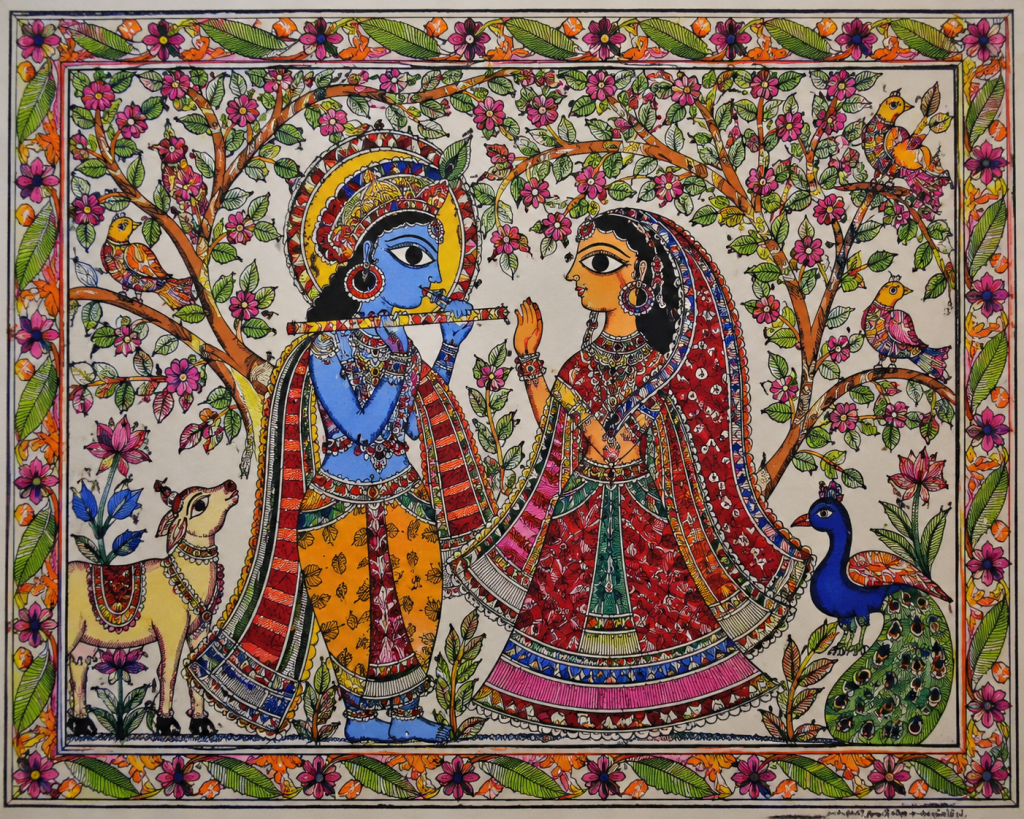
Madhubani painting is an old art that started in the Madhubani district of Bihar. People make Madhubani paintings with colors that come from nature and use things like pens made from bamboo and brushes. Madhubani paintings usually show Hindu gods and goddesses and things like trees and flowers and people doing things. I really like Madhubani paintings because they have bright colors and complicated designs. People from over India and other countries, like Madhubani painting, which is also called Mithila painting and they think it is very beautiful. Madhubani paintings are special. That is why people love them.
Manufacturing Process
1. Raw Materials
Madhubani painting is made on handmade paper, canvas, or cotton cloth using natural colors and traditional tools such as bamboo pens, fine brushes, and charcoal for outlining.
1. Adding Ingredients
Sugar, desi ghee and cardamom powder are added to the khoya and mixed well to get a smooth mix.
8. Checking Quality
The pedas are checked for size, texture, taste and freshness. This ensures quality.
2. Making Khoya
The milk is heated slowly in iron pans while stirring all the time until it becomes thick khoya.
5. Cooling Mix
The mix is cooled a bit so it can be shaped easily without losing its texture.
5. Packaging
The pedas are packed in clean food boxes or containers. This keeps them fresh during storage and transport.
4. Roasting Khoya
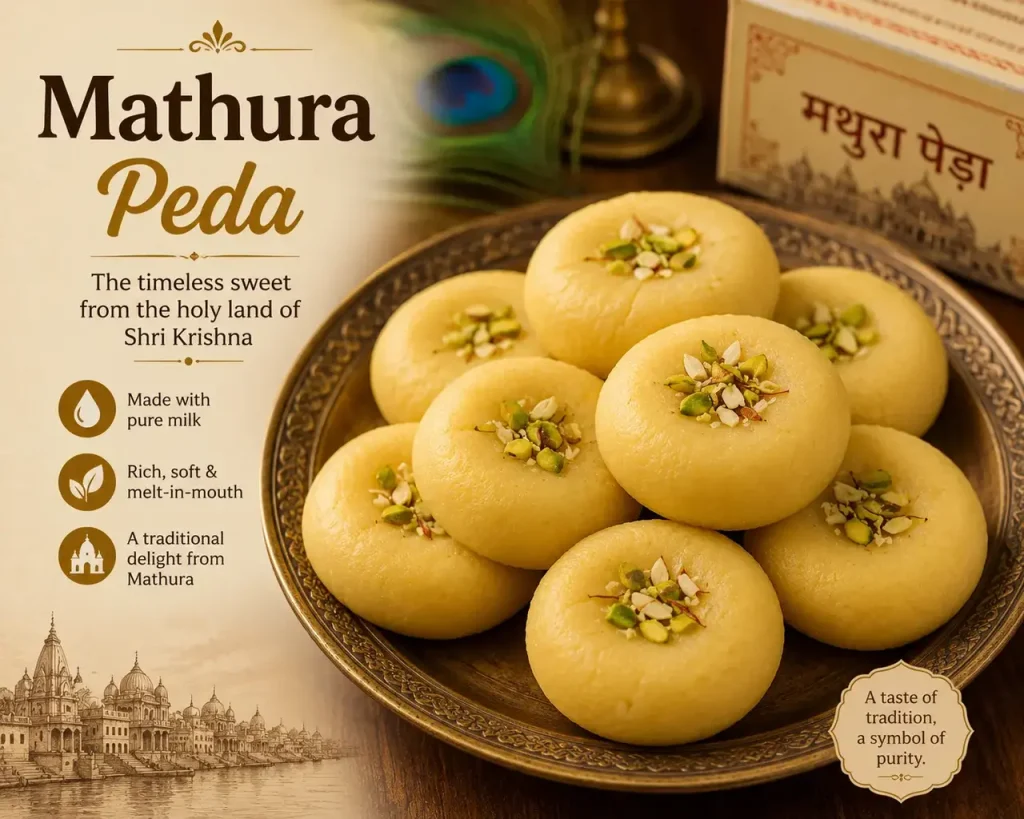
The khoya is roasted on a flame until it turns golden brown. This gives Mathura Peda its caramel flavor.
6. Shaping Pedas
workers roll the mix into small round pedas by hand. This gives each peda its look.
9. Selling Pedas
The packed pedas are supplied to shops, temples, local markets and retail stores. They are sold to people who visit temples, tourists and customers across India.
Varieties of Peda
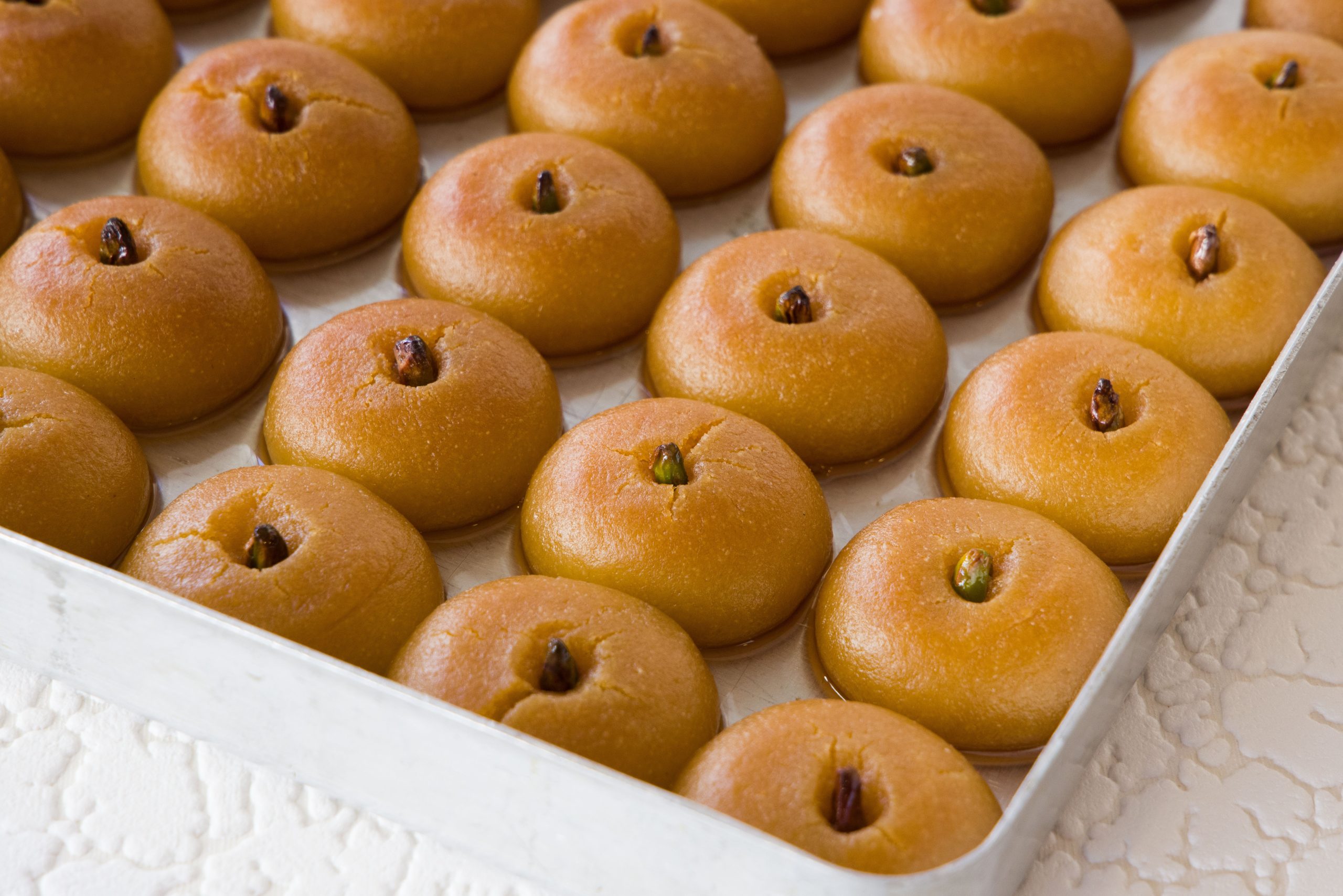
Traditional Mathura Peda. This is made with khoya and sugar and ghee and cardamom.
* Khoya Peda. This is made with khoya and it is very soft and creamy.
* Kesar Peda. This has saffron in it which makes it smell and taste good.
* Elaichi Peda. This has cardamom in it which makes it taste fresh.
* Dry Fruit Peda. This has almonds and pistachios and cashews in it.
* Chocolate Peda. This is a type of Mathura Peda that has cocoa or chocolate in it.
* Sugar-Free Peda. This is made for people who do not want to eat sugar, like people who're sick, with diabetes.
Cultural Importance
Economic Importance
Varieties of Peda
Traditional Mathura Peda. This is made with khoya and sugar and ghee and cardamom.
* Khoya Peda. This is made with khoya and it is very soft and creamy.
* Kesar Peda. This has saffron in it which makes it smell and taste good.
* Elaichi Peda. This has cardamom in it which makes it taste fresh.
* Dry Fruit Peda. This has almonds and pistachios and cashews in it.
* Chocolate Peda. This is a type of Mathura Peda that has cocoa or chocolate in it.
* Sugar-Free Peda. This is made for people who do not want to eat sugar, like people who're sick, with diabetes.
FAQ
Frequently Asked Questions (FAQs)
It is famous because of its unique caramelized flavor, soft texture, and strong cultural connection with Lord Krishna and the Braj region. Pilgrims visiting Mathura often buy it as prasad and as a souvenir.
Unlike ordinary pedas, Mathura Peda is roasted for a longer duration, which gives it a deeper brown color, grainier texture, and richer flavor. This slow-cooking process is its main specialty.
Yes. Mathura is believed to be the birthplace of Lord Krishna, and peda is traditionally offered to him as prasad, especially during Janmashtami and other religious festivals.
Mathura Peda can usually be stored for 3–5 days at room temperature and up to 10–15 days in a refrigerator, depending on the freshness and packaging.