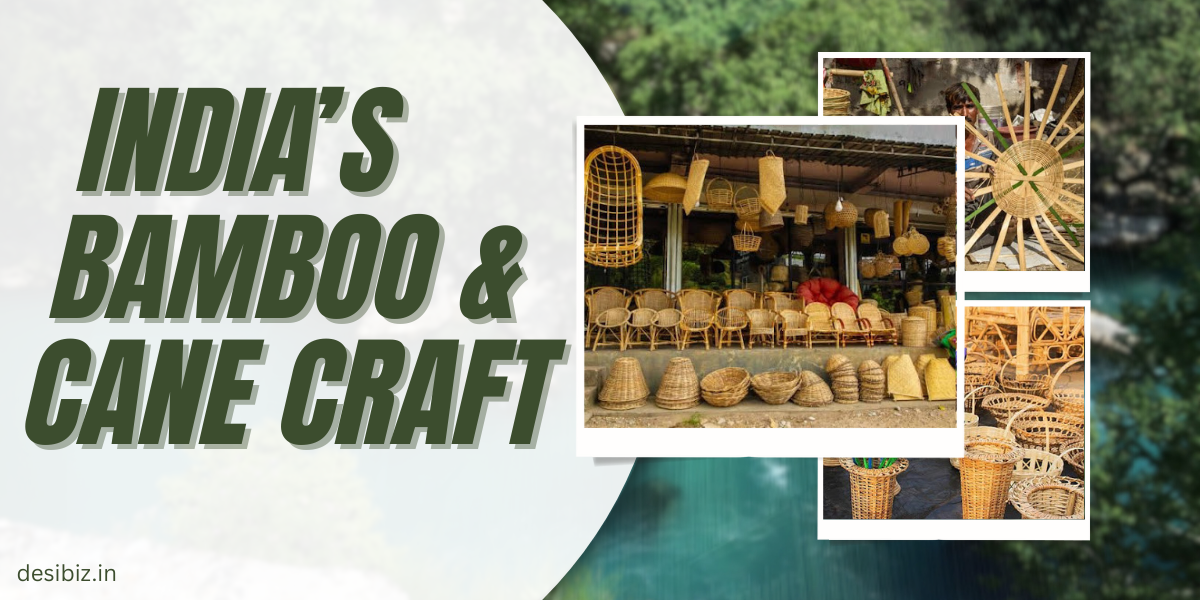
India’s bamboo and cane craft industry has become one of the most exciting pillars of sustainable creativity. What began centuries ago as a rural household craft is today shaping modern décor, fashion, and eco-friendly living. With rising environmental awareness, consumers are now actively choosing handmade bamboo and cane products over plastic and synthetic options. This shift has created fresh opportunities for artisans, small businesses, and startups across the country. From lifestyle décor and home furnishings to utility products and premium handcrafted collections, bamboo craft is evolving faster than ever—turning local skills into global possibilities.
India’s Bamboo Craft Heritage
The story of bamboo craft in India goes back thousands of years. Bamboo has always been a natural part of India’s cultural landscape, used for building homes, everyday tools, baskets, furniture, musical instruments, and even festive décor. In many tribal communities, bamboo and cane were known as “green gold,” symbolizing strength, purity, and self-reliance. For generations, artisan families mastered weaving, cutting, splitting, and shaping techniques that transformed simple bamboo stems into beautiful and functional artworks.
What makes this heritage special is its deep connection to nature. Indian artisans did not simply use bamboo for survival—they celebrated it. Many rituals, village gatherings, and seasonal events still involve bamboo art forms. Even today, visiting a bamboo craft cluster feels like entering a world where tradition, skill, and sustainability live together in harmony. This rich heritage has now become the foundation for a modern eco-friendly industry that is gaining international admiration.
State-Wise Bamboo Craft Hubs
India is home to some of the world’s most diverse bamboo craft clusters. Each state has its own identity, style, and signature product range. The North-Eastern region—especially Assam, Tripura, Nagaland, and Manipur—leads the country with intricate weaving patterns and exceptional craftsmanship. Assam’s bamboo baskets and household utilities are known for their durability and natural aesthetic. Tripura is famous for its elegant cane furniture that blends comfort with artistry.
In West Bengal, the districts of Bankura and Malda produce finely woven bamboo mats and lifestyle accessories. Kerala and Karnataka specialize in sturdy cane furniture and eco-friendly décor items. Odisha’s tribal artisans create beautiful masks, lampshades, and wall pieces that reflect ancient storytelling traditions. Madhya Pradesh and Chhattisgarh continue to nurture tribal bamboo crafts that combine raw textures with earthy designs.
Each state contributes something unique, making Bamboo Craft India a vibrant blend of cultural diversity. This geographical strength has allowed India to emerge as a consistent supplier of handcrafted bamboo goods to both domestic and international markets.
How Bamboo & Cane Products Are Made
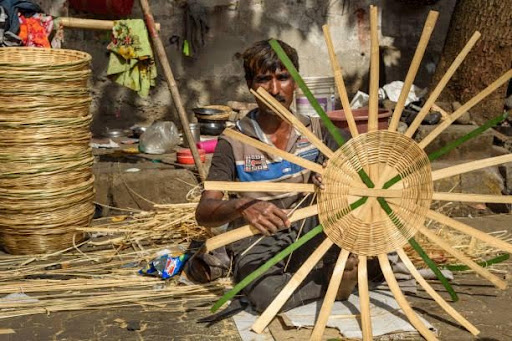
The making of bamboo and cane craft follows a detailed and disciplined process that transforms raw stems into polished creations. Artisans begin by handpicking mature bamboo, which is naturally stronger and more flexible. The stems are cleaned, cut, sun-dried, and treated to prevent insects or moisture damage. Every region has its own traditional methods, but most processes rely entirely on manual precision rather than machines.
After the raw materials are prepared, artisans slice bamboo into thin strips or shape cane into elegant curves. These strips are then woven, twisted, braided, or molded into the desired form. Some products require carving, while others need binding, polishing, or natural coloring using vegetable dyes. Whether it is a simple basket or a premium furniture piece, every step involves attention to detail.
Because the craft is slow, manual, and highly skilled, no two bamboo products look exactly the same. This uniqueness is what draws modern buyers toward handmade bamboo goods—they carry personality, natural texture, and human craftsmanship.
Demand in Domestic & International Market
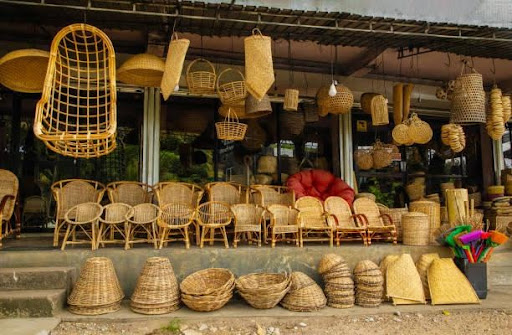
The demand for bamboo and cane craft in India has grown rapidly due to the rising shift toward sustainable living. Consumers today want eco-friendly home décor, organic furniture, reusable lifestyle products, and green gifting ideas. Bamboo fulfills all these needs. It is light, durable, biodegradable, and beautifully natural. From cafés to farmhouses and modern apartments to boutique hotels, bamboo décor has become a trending aesthetic.
Internationally, Bamboo Craft India has earned strong appreciation in countries like the USA, Japan, Germany, and Australia. Global buyers value the natural charm, handcrafted quality, and sustainable impact of these products. Categories like bamboo lamps, organizers, cutlery, planters, and craft accessories are among the highest in export demand.
The furniture segment, in particular, has seen massive growth. Many international brands now collaborate with Indian artisans to develop eco-friendly collections. As global regulations tighten around plastic waste, bamboo’s relevance continues to rise—making the craft industry one of India’s most promising sectors.
Business Potential for Small Entrepreneurs
Bamboo and cane crafts offer outstanding opportunities for small entrepreneurs, home-based artisans, and new-age startups. The initial investment is low, raw material availability is high, and demand is consistently growing. Entrepreneurs can start with essential product categories such as baskets, trays, lamps, gifting sets, and home décor accessories. As the business expands, they can diversify into furniture, fashion items, lifestyle goods, and premium handmade collections.
There is also huge scope for customized bamboo products—corporate gifting, event décor, restaurant interiors, festival collections, and eco-friendly packaging solutions. Many designers now collaborate with artisans to create modern, minimalistic bamboo pieces for urban customers. This fusion of traditional skills and contemporary design has widened the market significantly.
In addition, government schemes, skill development programs, and sustainability campaigns support both new and existing artisans. As consumers look for greener products, small bamboo businesses can easily position themselves as eco-conscious, ethical, and handcrafted—qualities that attract modern buyers.
How Desi Biz Promotes Bamboo Artisans
Desi Biz has become a valuable platform for bamboo and cane artisans who want to grow digitally. Many artisans struggle with online marketing, product listing, or reaching the right customers. Desi Biz helps bridge this gap by offering accessible digital tools. Artisans can list their products, showcase their craft, and connect directly with buyers without relying on middlemen.
The platform also highlights state-wise craft clusters, helping customers discover authentic bamboo items from their region of choice. By providing visibility, branding support, and simple business-friendly features, Desi Biz strengthens the presence of Bamboo Craft India in both online and offline markets. This connection between traditional artisans and modern buyers helps preserve the craft while improving earning opportunities.
Conclusion
India’s bamboo and cane craft industry beautifully combines tradition, sustainability, and modern design. What started as a rural household skill has transformed into a powerful eco-friendly market with global popularity. From decorative items and lifestyle accessories to premium furniture and modern interiors, bamboo products appeal to customers who value nature, craftsmanship, and conscious living. With rising demand, digital selling opportunities, and support from platforms like Desi Biz, the future of Bamboo Craft India looks incredibly bright—offering endless possibilities for artisans and entrepreneurs who believe in sustainable creativity.
Frequently Asked Questions
1. What are the most popular bamboo and cane craft products in India?
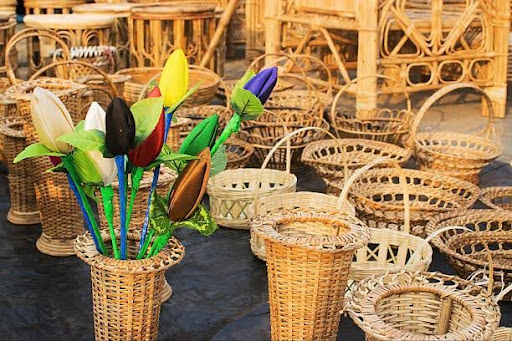
The most popular bamboo and cane craft products include baskets, storage organizers, lampshades, chairs, tables, planters, trays, wall décor, gift hampers, and eco-friendly cutlery. In recent years, bamboo furniture and designer lighting have gained high demand among modern buyers.
2. Which states are leading producers of bamboo and cane handicrafts?
Assam, Tripura, Nagaland, Manipur, West Bengal, Kerala, Karnataka, Odisha, and Chhattisgarh are among the top bamboo and cane craft-producing states. Each region has its own style, weaving technique, and product range, making the industry culturally diverse.
3. Is bamboo and cane craft a profitable small-scale business?
Yes, bamboo and cane craft can be highly profitable due to low raw material costs, increasing demand, and growing interest in sustainable products. Entrepreneurs can start small and scale gradually with innovative designs, online marketing, and eco-friendly branding.
4. How can artisans sell bamboo and eco-friendly products online?
Artisans can sell their products through digital marketplaces, social media, independent websites, and specialized platforms like Desi Biz. Online selling helps them reach customers nationwide, showcase their craft visually, and eliminate middlemen for better earnings.
5. What is the future market demand for bamboo and cane crafts in India?
The future demand looks extremely promising. With the rise of eco-friendly living, sustainable décor trends, and global interest in natural materials, bamboo and cane crafts are expected to grow rapidly. The industry will benefit from innovation, design upgrades, and global export possibilities.
Leave a Reply