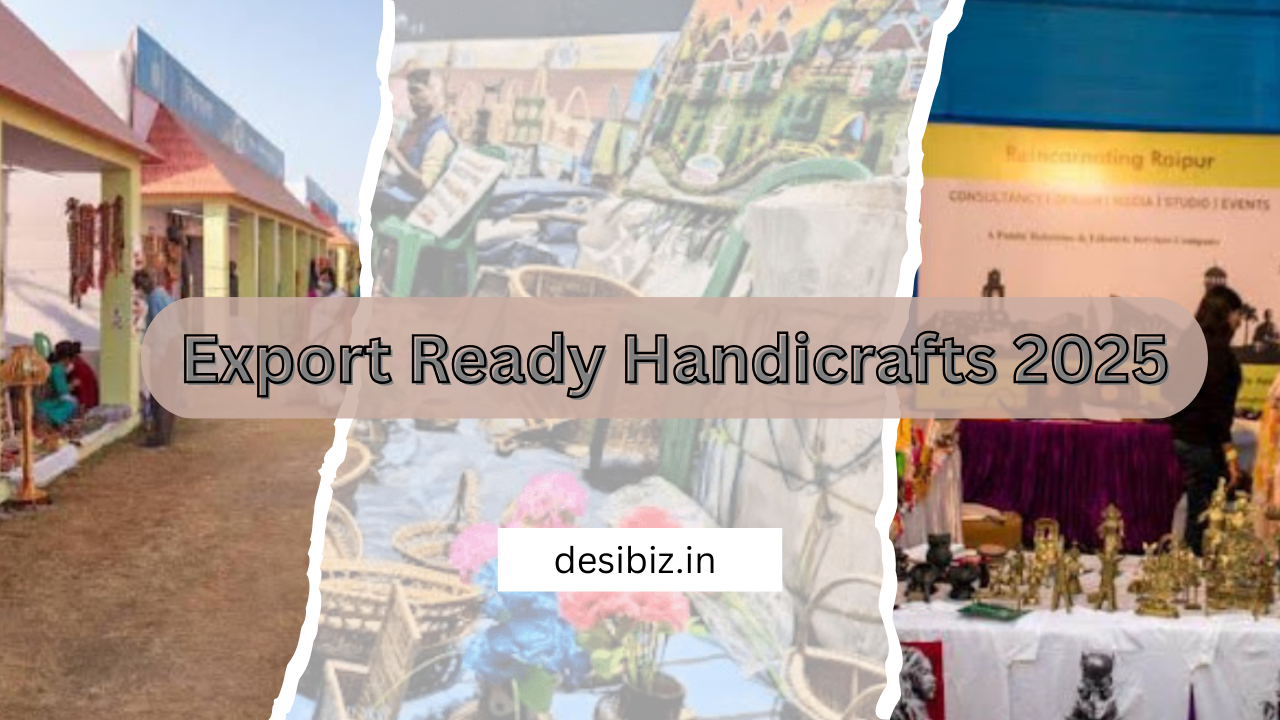
The Indian handicraft sector is entering a powerful new phase, and Handicraft Exports Trade Fair 2025 is set to highlight the depth, innovation, and global appeal of this industry like never before. As international buyers, wholesalers, lifestyle brands, and exporters gather under one roof, the spotlight shines on artisans whose work continues to define India’s cultural identity while shaping modern design trends. The fair is not just an exhibition; it is a living marketplace where tradition, creativity, and business opportunities meet. This year’s edition is especially significant because export demand for handcrafted goods has surged across the world, driven by a growing preference for sustainable, handmade, and culturally rich products. Indian artisans, known for their skill and storytelling, are now at the center of this global shift.
Trade Fair 2025 celebrates India’s deep-rooted craftsmanship while offering a platform for businesses to explore export-ready categories that align with international market demands. Whether it’s textiles, décor, wooden crafts, pottery, metal art, leather goods, natural dye apparel, bamboo crafts, or jewelry—each category offers tremendous potential for global expansion. For sellers, sourcing companies, and SMEs, the fair is a window into rising export trends and the kinds of products global buyers are actively looking for today.
Why Handicrafts Dominate Export Markets
Handicrafts dominate global markets not only because they are visually appealing but because they represent authenticity—a value that modern consumers crave. Unlike mass-produced factory items, handcrafted products carry personal touch, heritage, and individuality. This emotional and cultural appeal is one of the biggest reasons international buyers are now prioritizing artisanal goods for retail shelves.
Eco-consciousness has also played a major role in boosting export demand. Buyers in the US, Europe, Middle East, Japan, and Australia increasingly prefer sustainable, handmade goods made from natural materials like bamboo, jute, clay, wood, and organic dyes. Indian crafts easily meet this expectation because they originate from natural processes and traditional techniques that leave a smaller environmental footprint.
Another factor contributing to their dominance is India’s incredible diversity. Every state has a unique craft story, making the export market rich in variety. From Kashmiri carpets to Rajasthan’s blue pottery, from Moradabad brassware to Tamil Nadu’s palm leaf craft, the breadth of products keeps global demand consistently high. As more brands shift toward curated and artisanal collections, Handicraft Exports Trade Fair 2025 is emerging as a preferred choice for home décor, fashion, lifestyle accessories, and gifting.
Best Handicrafts Exhibited in 2025
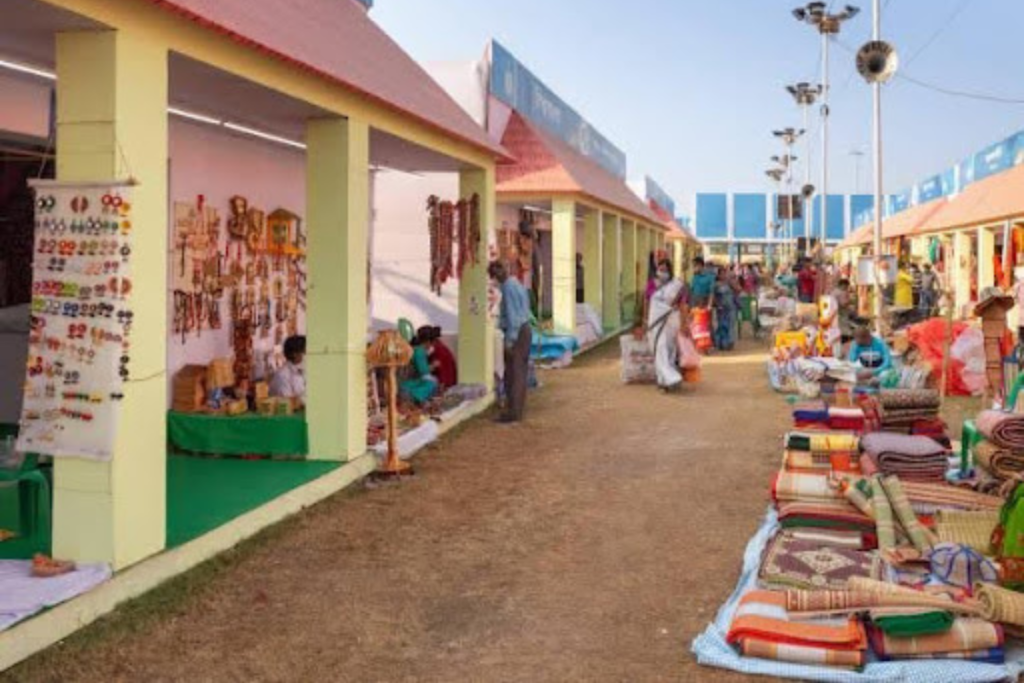
Trade Fair 2025 brings a mix of traditional, modern, fusion, and sustainable handicrafts—each selected based on export demand. Some of the most prominent product categories featured this year include:
- Wooden Crafts:
Carved home décor, utility items, artisanal furniture, toys, and lifestyle accessories made from mango wood, teakwood, rosewood, and acacia are leading exports due to durability and aesthetic versatility. - Terracotta & Pottery:
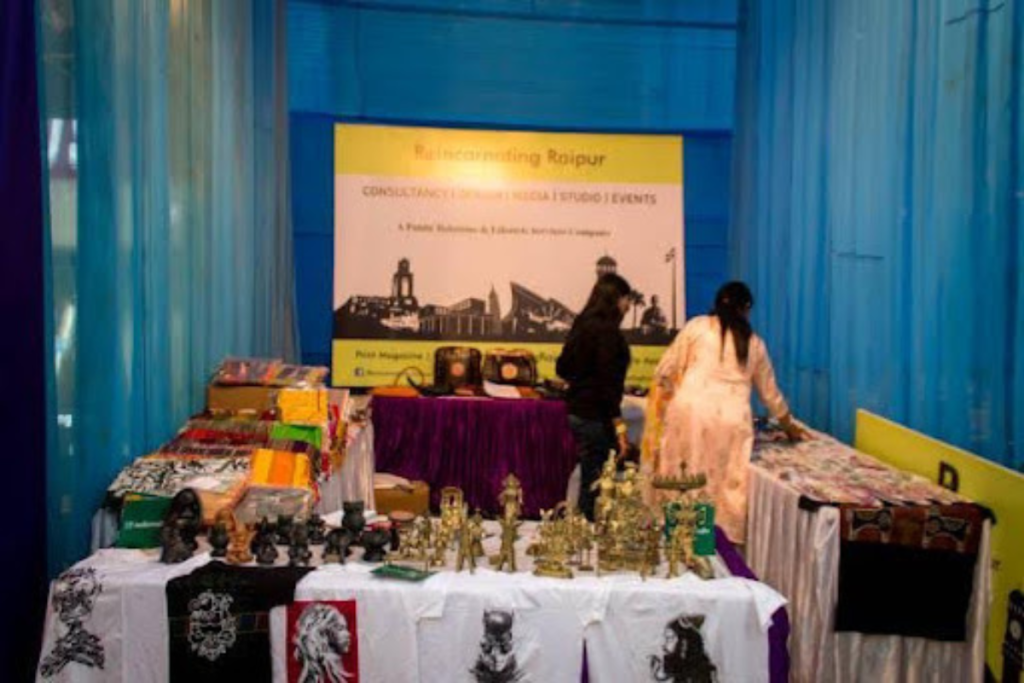
Eco-friendly décor, planters, cookware, and artisanal sculptures continue to grow in popularity because of global interest in natural materials and handcrafted home accents. - Metal Crafts:
Moradabad’s brassware, Dhokra tribal art, iron sculptures, copper home décor, and bell metal utensils draw strong interest from international buyers looking for rustic, antique-style pieces. - Natural Fiber Crafts:
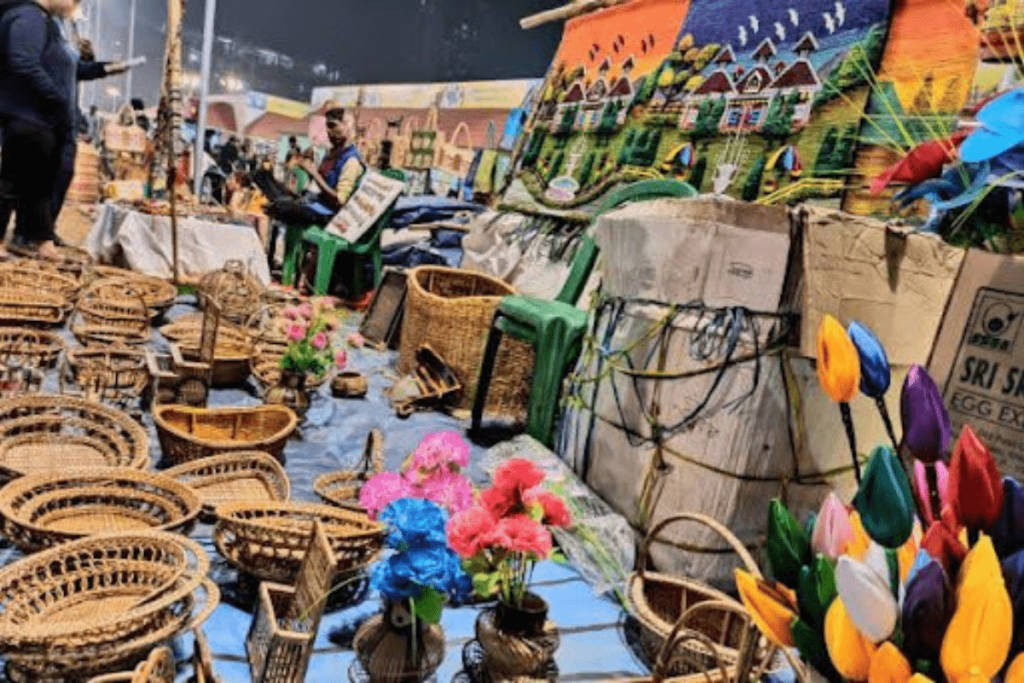
Bamboo, cane, jute, sabai grass, and water hyacinth crafts dominate the sustainability section. These products appeal to eco-sensitive markets that prioritize biodegradable and renewable materials. - Handmade Jewelry:
Silver ornaments, tribal jewelry, beaded necklaces, terracotta jewelry, and gemstone accessories attract boutique buyers, especially in Europe and the US. - Leather Goods:
Hand-stitched wallets, bags, belts, footwear, and accessories crafted in Kanpur, Kolkata, and Rajasthan are gaining traction in premium markets. - Traditional Paintings & Wall Art:
Madhubani, Pattachitra, Warli, Gond, and Tanjore art pieces remain evergreen favorites.
This mix of traditional craftsmanship and modern lifestyle needs is what makes the 2025 exhibition especially vibrant and export-ready.
High-Demand States for Handicraft Exports
Certain states lead consistently in export volumes due to strong artisan clusters and well-established supply chains. The most export-oriented regions participating in Trade Fair 2025 include:
- Rajasthan: Blue pottery, block prints, metalware, leather craft, and wooden artifacts
- Uttar Pradesh: Brassware, marble inlay work, carpets, chikankari textiles
- Gujarat: Bandhani, Ajrakh, beadwork, patchwork quilts, Rogan art
- West Bengal: Jute crafts, terracotta, kantha embroidery
- Karnataka & Tamil Nadu: Woodwork, silk weaving, metal idols
- Kashmir: Carpets, papier-mâché, pashmina textiles
- Assam & Northeast: Bamboo, cane crafts, tribal jewelry
Each state brings its unique artistic identity, adding richness to India’s global handicraft portfolio.
How DesiBiz Helps Artisans Reach Global Buyers
DesiBiz plays a crucial role in bridging the gap between artisans and international markets by offering digital visibility, verified buyer access, product listings, and export-friendly tools. Many artisans struggle due to limited exposure, but platforms like DesiBiz allow them to showcase products worldwide without needing distributors or intermediaries.
Key support features include:
- Digital storefronts for artisans
- Online catalogs for global buyers
- Lead generation for exporters
- Category-wise product promotion
- Support for bulk orders
- Tools for pricing, packaging, and logistics guidance
For artisans who have relied solely on local exhibitions or middlemen for years, DesiBiz provides a scalable path to global business.
Tips for Exporters
Exporting handicrafts requires a mix of creativity, planning, and market understanding. Sellers preparing for Trade Fair 2025 should keep these pointers in mind:
- Focus on quality control: International markets demand consistency.
- Study buyer trends: Minimalist, eco-friendly, handmade, and culturally rooted items sell best.
- Offer competitive pricing: Consider international taxes, logistics, and packaging standards.
- Invest in storytelling: Buyers value the craft’s cultural narrative.
- Build strong packaging: Durable, eco-friendly packaging adds credibility.
- Use certification: GI tags, handmade labels, and sustainability certifications increase trust.
These tips help exporters align with global expectations and expand their buyer base.
Conclusion
Handicraft Exports Trade Fair 2025 reinforces India’s position as a global leader in artisanal production. The fair highlights everything that makes Handicraft Exports Trade Fair 2025 extraordinary—unique materials, mastery of techniques, cultural richness, modern design adaptations, and high export potential. As global consumers turn toward handmade craftsmanship, India stands at the center of this movement, ready to deliver products that blend authenticity with global appeal. For artisans, sellers, and exporters, the fair is not just an exhibition—it is a gateway to international opportunities.
Frequently Asked Questions
1. Which handicrafts are trending globally?
Handmade décor, sustainable bamboo products, handwoven textiles, terracotta, metal art, wooden home accessories, and artisanal jewelry are among the top global trends due to the rising demand for eco-friendly and culturally inspired products.
2. Which states lead in handicraft manufacturing?
Rajasthan, Uttar Pradesh, West Bengal, Gujarat, Kashmir, and the Northeastern states lead due to strong artisan clusters and craft diversity.
3. How to export handicrafts?
Start by registering your business, identifying target countries, completing export documentation, ensuring proper packaging, and partnering with platforms like DesiBiz to connect with verified global buyers.
4. What materials are high in demand?
Natural fibers, wood, brass, copper, terracotta, organic cotton, sustainable dyes, bamboo, leather, and silver are among the most globally demanded materials.
5. Are handicraft products profitable?
Yes. Handcrafted items have high profit margins because of low production costs, increasing global demand, and the premium value buyers place on handmade goods.
Leave a Reply