
The Natural Dye and Hand Block Printing textile legacy of India is one of the most interesting cultural narratives in the world, at its core is the time-honored tradition of using natural dyes and hand block printing. From India For centuries, Hand Block Printing India have used botanical dyes, wood blocks, riverbank dye workshops and community – driven craft to create fabrics that are both works of art and eco-sensitive. Now this age-old art is undergoing an impressive resurgence, driven by a worldwide demand for sustainable fashion, handcrafted goods, and ethical consumerism. From the earthy tones of Bagru to the fine geometric designs of Ajrakh, themarket is re-defining its position in modern times.
Introduction to Natural Dyes
As we all know, the history of natural dyes in India goes back thousands of years, long before we were exposed to synthetic chemicals. I observe that they are obtained directly from nature, such as from plants, roots, flowers, the peels of trees, bark, minerals, fruits, leaves, and soil. According to the author, the soil constantly produces a bright yellow, indigo is rich blue, madder root is deep red, pomegranate rind is warm yellow, and walnut is a rich brown color. Most importantly, they have a major advantage over synthetics: they are beautiful and healthier for the workers, drivers, and the customer.
What makes natural dyeing special is the slow, mindful process. Artisans first extract color from raw materials through boiling or fermentation. The fabric is then pre-treated with natural mordants like alum or myrobalan to ensure long-lasting color. Every batch of dye carries slight variations, making each textile unique and naturally beautiful. As ethical fashion movements gain momentum, naturally dyed fabrics from India are finding a strong place in global markets.
Hand-Block Printing Process
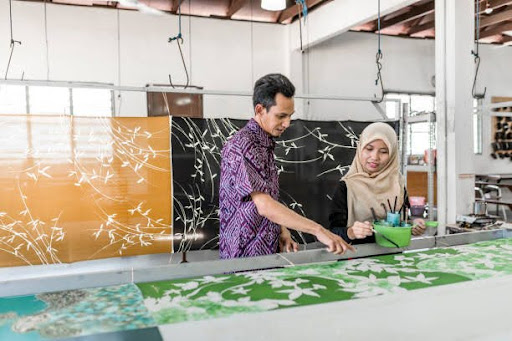
The art of Natural Dye and Hand Block Printing is a perfect blend of skill, rhythm, and tradition. The process begins with the carving of wooden blocks, usually made from teak or sheesham wood. Master block-makers create intricate designs with remarkable precision, carving floral motifs, geometric patterns, fine lines, borders, and symbolic cultural elements. These blocks are then soaked to prevent cracking during printing.
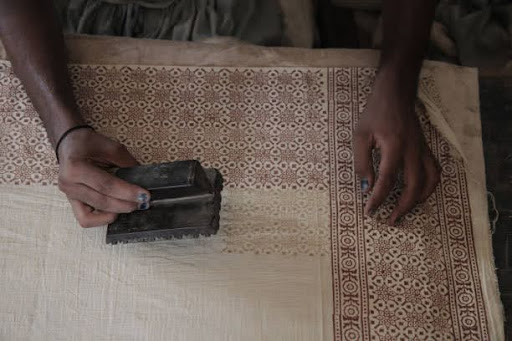
Once the fabric is washed and prepared, artisans dip the block into dye paste, align it perfectly, and press it onto the cloth with practiced force. The rhythmic sound of “tap-tap” in printing clusters is iconic to regions like Bagru, Ajrakhpur, and Sanganer. After printing, the fabric is dried in the sun, washed again, and sometimes re-dyed or layered with additional block patterns. The result is a richly detailed textile with depth, texture, and heritage encapsulated in every impression.
Unlike machine printing, block printing celebrates imperfections. These slight variations give each piece character, authenticity, and a sense of handmade charm that modern consumers deeply value.
Famous Clusters (Bagru, Ajrakh, Sanganeri)
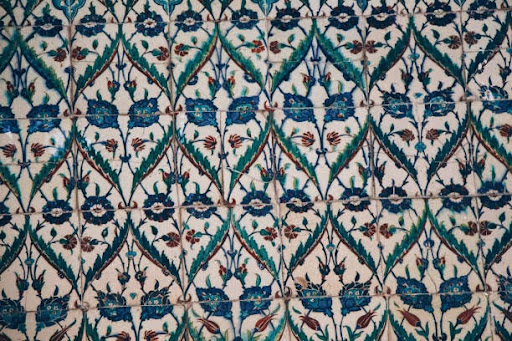
India is home to many legendary block-printing regions, each with its own history, visual identity, and technique.
Bagru (Rajasthan)
Bagru prints use natural dyes, mud-resist techniques, and earthy colors like brown, red, black, and indigo. Patterns are usually bold, relying on floral and nature-inspired motifs. Bagru textiles are known for their rustic charm and eco-friendly process.
Ajrakh (Gujarat & Kutch)
Ajrakh is one of the oldest dyeing traditions in India, famous for its labor-intensive 14–16 step process. Artisans use natural indigo, madder, and resist-printing techniques to create symmetrical patterns and complex geometric designs. The double-sided printing method is a unique feature of Ajrakh.
Sanganeri (Rajasthan)
Sanganeri prints are known for their soft floral motifs, fine outlines, and bright colors. Traditionally, these prints used natural dyes and were sun-dried along riverbanks to enhance brightness. Sanganeri fabrics are popular in both domestic and international markets for their lightweight feel and elegant designs.
These clusters continue to preserve India’s textile identity while meeting modern fashion needs.
Demand in Domestic & International Markets
The demand for Natural Dye and Hand Block Printing has seen a major rise due to three reasons: sustainability, authenticity, and aesthetics. Global consumers are actively choosing products that are chemical-free, handmade, and ethically sourced. This shift has helped Indian block printers enter premium fashion markets in Europe, Japan, the US, and Australia.
Domestically, designers and boutique brands increasingly prefer natural dyes and block prints due to their storytelling value. From sarees and scarves to home décor fabrics, table linens, and apparel collections, the demand landscape is expanding. Many luxury brands highlight “handcrafted”, “eco-friendly”, and “heritage craft” labels to attract conscious shoppers.
Meanwhile, international designers collaborate with Natural Dye and Hand Block Printing artisans, blending traditional artistry with contemporary silhouettes. This cross-cultural exchange is not only elevating the craft but also offering artisans access to high-paying markets.
Eco-Friendly Fashion Opportunities
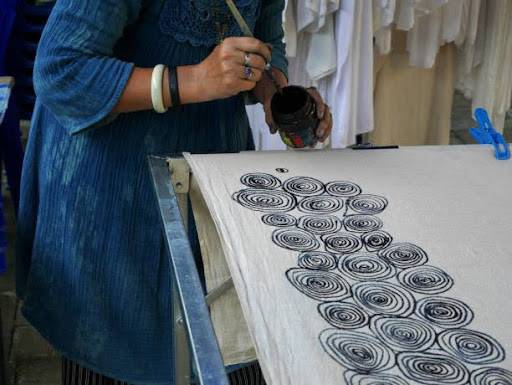
As sustainability becomes a global priority, Natural Dye and Hand Block Printing industries are in a powerful position to lead. Natural dyes have low carbon footprints, require minimal chemicals, and produce biodegradable waste. They appeal to designers focusing on slow fashion, vegan fashion, and circular production.
Opportunities include:
- Organic clothing brands
- Natural dye workshops for tourists
- Eco-conscious kidswear
- Sustainable home textiles
- Fashion collaborations
- Ethical luxury collections
- International exhibitions and craft fairs
With rising concerns about microplastics and synthetic pollutants, natural-dyed textiles provide a clean, safe alternative. This positions India as a top contender in the global eco-fashion market.
Desi Biz Support for Block Printers
Platforms like Desi Biz play a vital role in enabling artisans to reach wider audiences. They offer digital storefronts, marketing support, logistics connections, and marketplace visibility. Many artisans struggle with branding, packaging, pricing, and online selling—Desi Biz simplifies these challenges by helping them present their products professionally.
By listing their block-printed fabrics, scarves, stoles, garments, and home décor items online, artisans can connect with national and international buyers. Desi Biz also highlights their stories, ensuring customers understand the cultural value behind every handcrafted product.
Conclusion
Natural Dye and Hand Block Printing traditions reflect a beautiful bridge between heritage and modern fashion. As global demand for eco-friendly textiles grows, Hand Block Printing India is stepping into the spotlight with unmatched authenticity and timeless appeal. Supported by digital platforms and sustainability-driven markets, this ancient craft is set to thrive for generations.
Frequently Asked Questions
1. What key natural ingredients are traditionally used in Indian dyeing and where are the primary centers for this craft?
Indian natural dyeing uses ingredients like indigo leaves, turmeric, madder root, pomegranate rind, marigold flowers, and walnut shells. Primary centers include Bagru and Sanganer in Rajasthan, Kutch and Ajrakhpur in Gujarat, and parts of Tamil Nadu and Andhra Pradesh known for vegetable-dyed fabrics.
2. How does hand-block printing differ from industrial machine printing, and what value does it add?
Hand-block printing is done manually using carved wooden blocks, while machine printing relies on automated rollers. Block printing adds character, texture, and authenticity, making each piece unique, environmentally friendly, and culturally meaningful.
3. What are the biggest challenges facing India’s Natural Dye and Hand Block Printing industries today?
Challenges include competition from cheaper machine prints, inconsistent natural dye supplies, climate-dependent production, and limited global awareness. Many artisans also struggle with marketing and digital access.
4. How doNatural Dye and Hand Block Printing textiles support sustainability and ethical fashion?
They reduce chemical pollution, promote biodegradable dyes, support artisan livelihoods, and encourage slow, mindful consumption. These textiles fit perfectly within sustainable and ethical fashion frameworks.
5. How can buyers ensure they are purchasing authentic block-printed fabrics?
Buyers should check fabric texture, slight printing imperfections, dye smell, artisan labels, and certifications. Verified sellers, craft clusters, and trusted platforms like Desi Biz ensure authenticity.
Leave a Reply