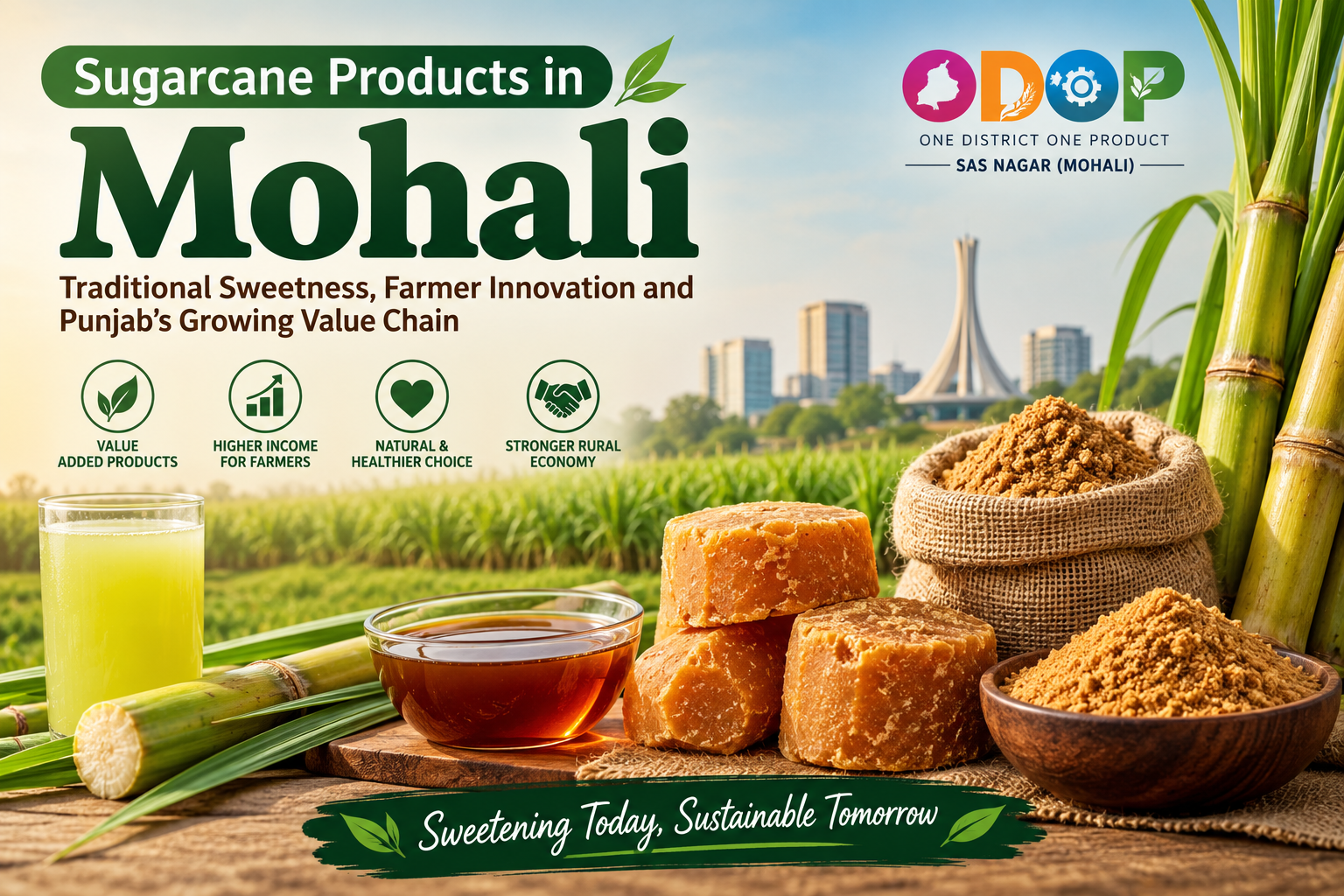
Punjab has always been known for its rich agricultural heritage, and sugarcane remains one of the important crops contributing to the state’s rural economy. Among emerging agricultural opportunities, Sugarcane Products in Mohali are gaining attention because farmers and small food businesses are moving beyond selling raw sugarcane and exploring value-added products like jaggery, gur, sugarcane syrup, and traditional sweeteners.
The demand for natural and minimally processed food products has created new opportunities for sugarcane farmers, local entrepreneurs, and processing units. Mohali (SAS Nagar) has been identified under the One District One Product (ODOP) initiative for sugarcane-based products, highlighting the district’s potential in this sector.
This article explains Mohali’s sugarcane ecosystem, popular products, production methods, benefits, challenges, and future possibilities.
What Are Sugarcane Products in Mohali?
Sugarcane Products in Mohali refer to value-added food products created by processing locally grown sugarcane into items such as jaggery (gur), jaggery powder, sugarcane syrup, traditional sweeteners, and other processed products. These products help farmers increase income by converting raw crops into market-ready goods.
Sugarcane is traditionally sold as a raw agricultural commodity or supplied to sugar mills. However, modern food processing allows farmers and small enterprises to extract more value from the crop.
Instead of only selling sugarcane, producers can manufacture:
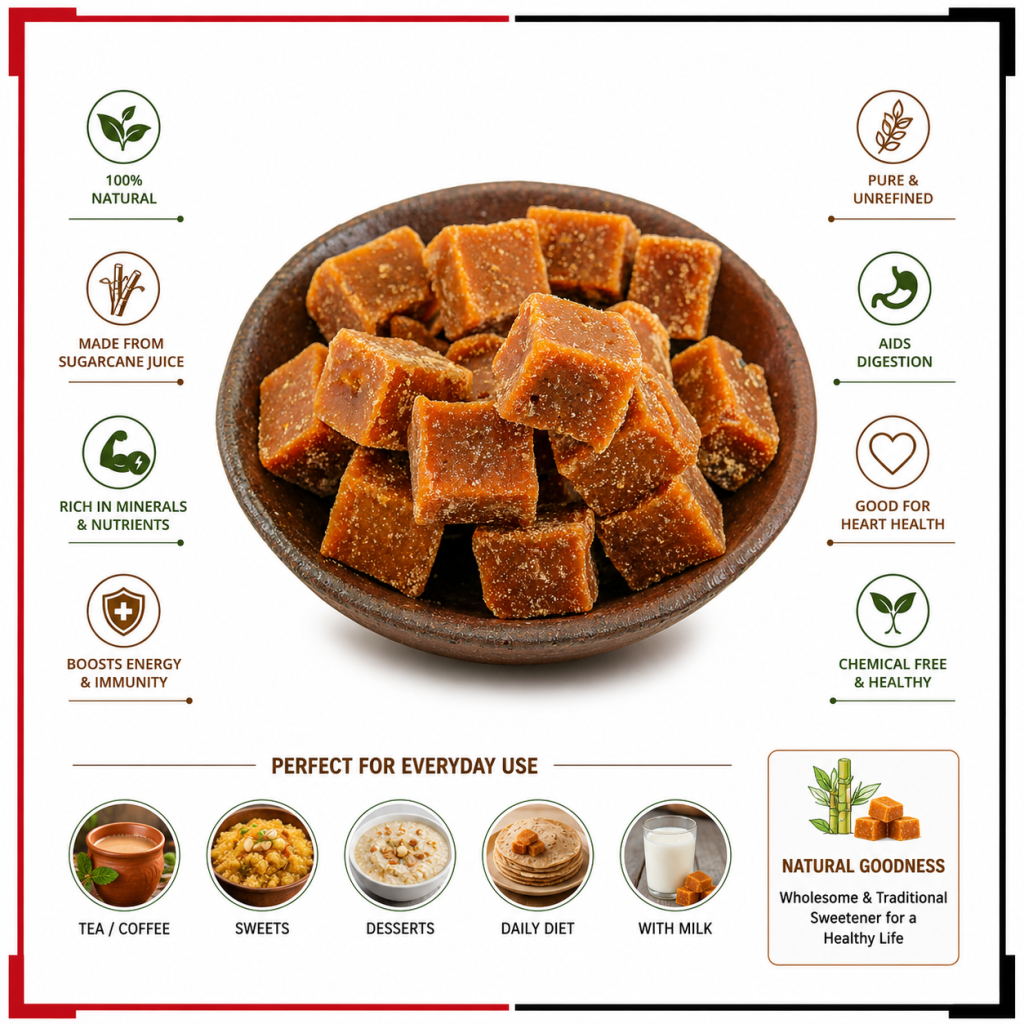
- Desi gur
- Organic jaggery
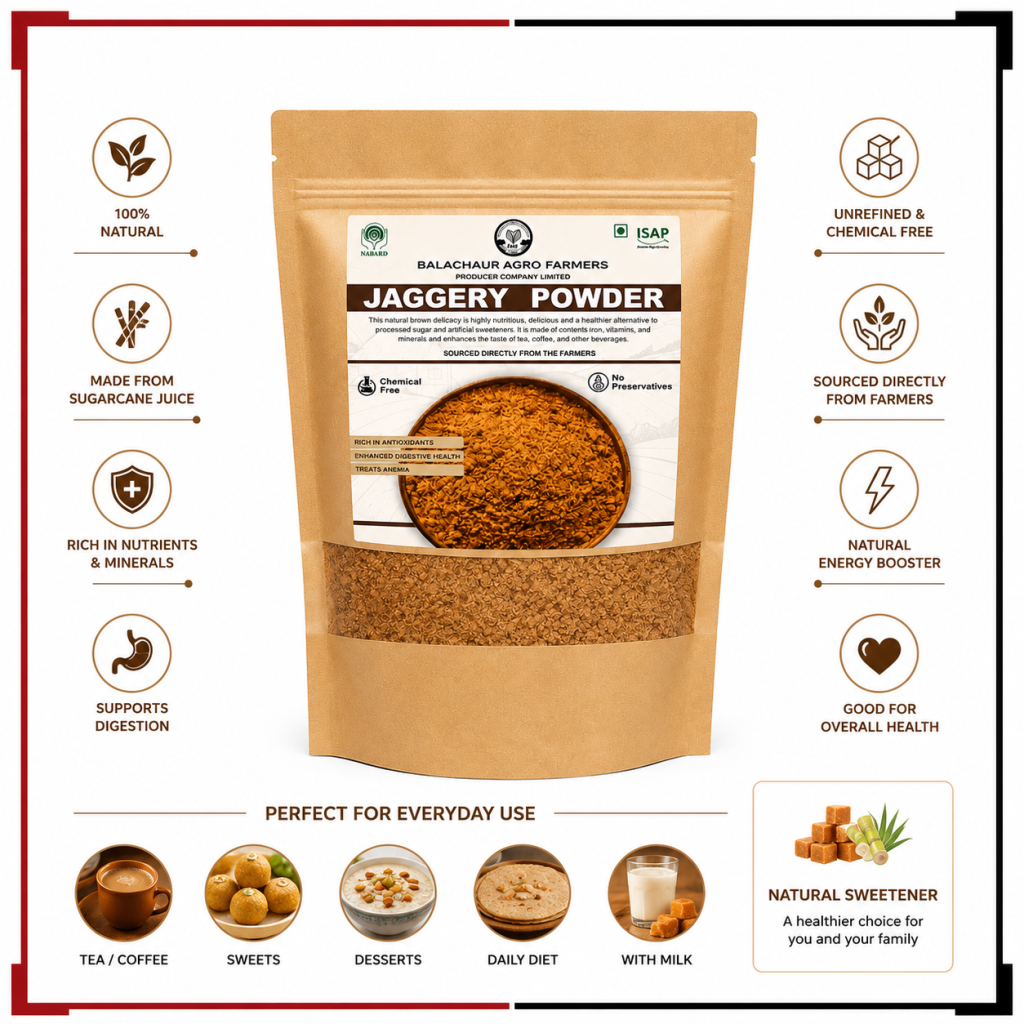
- Jaggery powder
- Sugarcane syrup
- Sugarcane juice products
- Traditional sweets
- Flavoured jaggery products
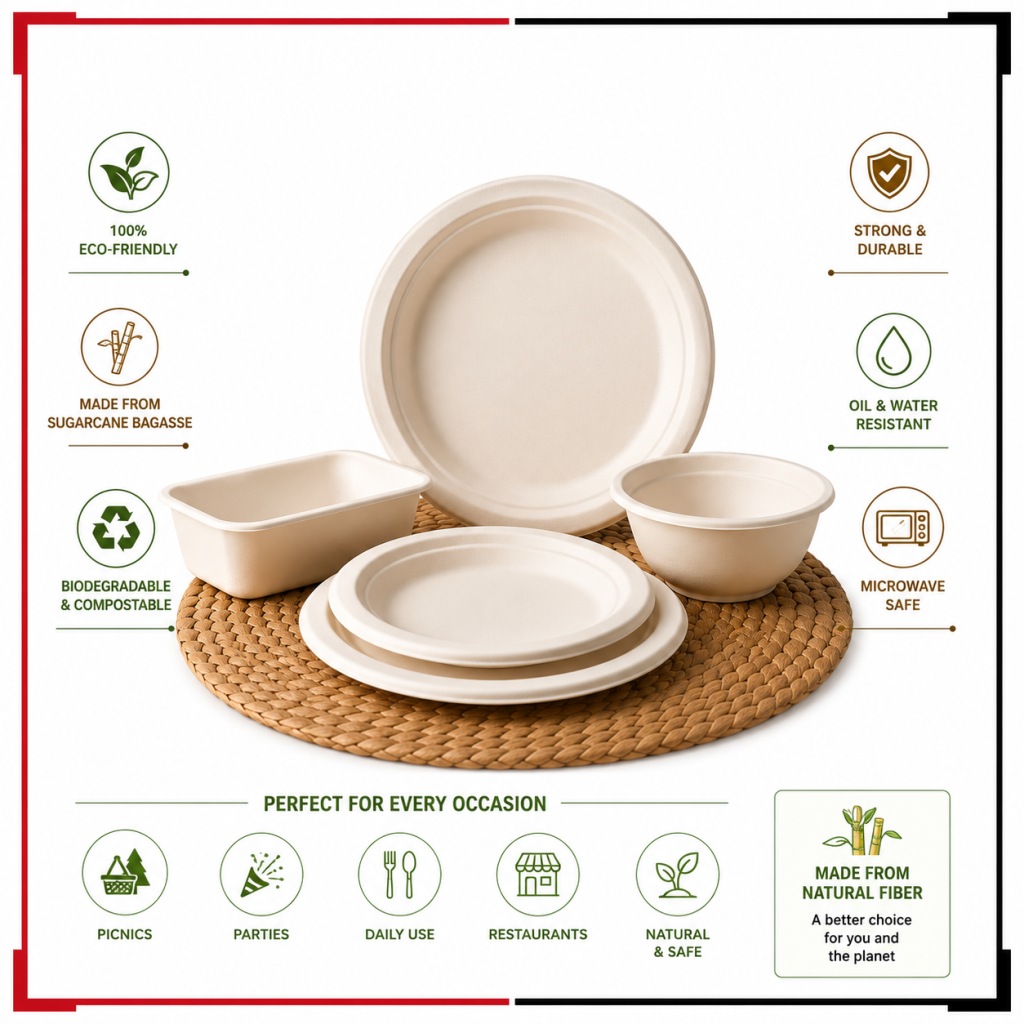
- Bagasse Plates & Cutlery
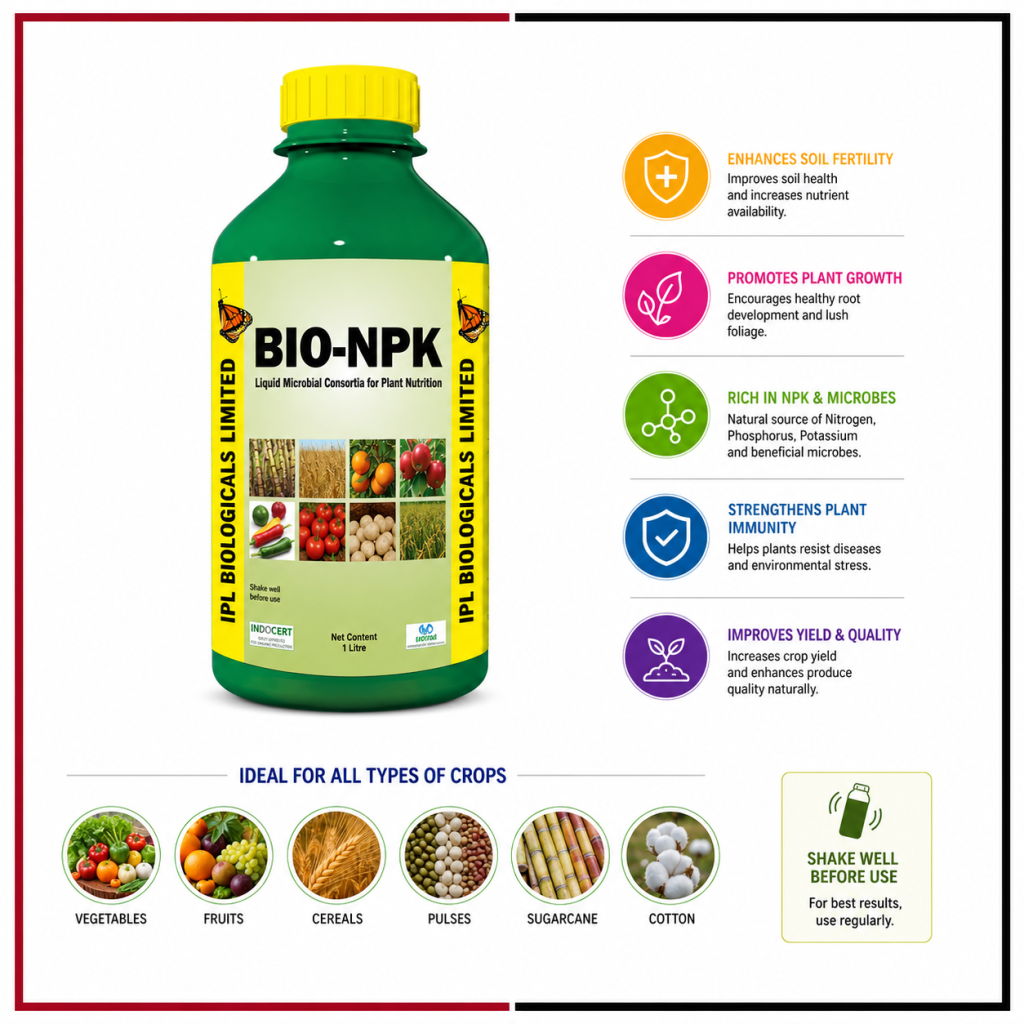
- Bio Fertilizers
The ODOP framework promotes such local products because they preserve traditional knowledge while creating entrepreneurship opportunities. Punjab’s ODOP listings recognize SAS Nagar (Mohali) for sugarcane-based products.
Punjab Sugarcane Based Industries and Mohali’s Role
Punjab sugarcane based industries include sugar mills, jaggery production units, food processing enterprises, and small-scale farmers producing value-added sugarcane products. Mohali’s inclusion under sugarcane-based products reflects the district’s potential for processing, branding, and marketing traditional sugarcane products.
The sugarcane economy in Punjab has historically depended on sugar mills. However, consumer demand is shifting toward natural sweeteners and traditional foods.
Small processing units are now focusing on:
- Traditional gur production
- Organic farming methods
- Direct farmer-to-consumer sales
- Packaged jaggery products
- Premium natural sweeteners
These businesses connect farmers with growing markets for healthier alternatives to refined sugar.
Sugarcane Farmers in Mohali: From Crop Producers to Entrepreneurs
Sugarcane farmers in Mohali are increasingly exploring value addition by converting sugarcane into products like gur, jaggery powder, and syrup. This approach can provide better market opportunities compared to selling only raw sugarcane.
Traditional farming often limits farmers to selling harvested crops at market prices. Value addition changes this model.
A farmer who processes sugarcane into jaggery can create:
- A branded product
- Direct customer relationships
- Higher product differentiation
- Longer shelf-life products
For example, a farmer can transform fresh sugarcane juice into blocks of gur through boiling, filtering, cooling, and moulding processes.
This approach supports rural entrepreneurship and encourages farmers to become food producers rather than only raw material suppliers.
Popular Sugarcane Products Manufactured in Mohali
1. Jaggery (Gur)
Jaggery is the most traditional sugarcane product. It is made by boiling sugarcane juice until it thickens and solidifies.
Benefits:
- Traditional sweetener
- Used in Indian households
- Suitable for sweets and beverages
- Retains natural minerals compared to refined sugar
Punjab has several districts where jaggery and sugarcane products are promoted under ODOP initiatives.
2. Organic Jaggery Mohali
Organic jaggery Mohali refers to jaggery produced using organically cultivated sugarcane and natural processing methods without unnecessary chemical additives. It caters to consumers looking for traditional and cleaner food options.
Organic jaggery production focuses on:
- Chemical-free cultivation practices
- Natural clarification methods
- Hygienic processing
- Sustainable farming
The demand for organic food products has encouraged many farmers across India to explore direct marketing models for jaggery and allied products.
3. Desi Gur Production Punjab
Desi gur production Punjab represents the traditional method of preparing gur from fresh sugarcane juice through boiling and concentration. It remains an important part of Punjab’s rural food culture.
Traditional gur production involves:
- Sugarcane harvesting
- Juice extraction
- Juice filtration
- Slow boiling
- Removal of impurities
- Cooling and moulding
The final product is known for its unique flavour, colour, and traditional appeal.
4. Sugarcane Syrup
Sugarcane syrup is another value-added product made by concentrating sugarcane juice.
Uses include:
- Beverage preparation
- Traditional desserts
- Food flavouring
- Natural sweetener applications
It offers better shelf stability compared to fresh sugarcane juice.
5. Sugarcane Juice Products
Fresh sugarcane juice can be converted into processed products such as:
- Bottled cane juice
- Concentrated syrup
- Frozen sugarcane cubes
- Ready-to-use beverage mixes
These products help overcome the limitation of fresh juice having a short shelf life.
How Sugarcane Processing Units in Punjab Work
Sugarcane processing units in Punjab convert harvested sugarcane into products through stages including juice extraction, filtration, boiling, concentration, and packaging. Small units usually focus on jaggery and traditional products.
Processing Steps
Step 1: Sugarcane Collection
Fresh sugarcane is sourced from local farmers.
Step 2: Juice Extraction
Machines crush sugarcane stalks to extract juice.
Step 3: Cleaning and Filtering
The juice is filtered to remove impurities.
Step 4: Heating and Concentration
The juice is boiled until it reaches the required consistency.
Step 5: Packaging
Finished products are packed and prepared for sale.
Benefits of Sugarcane Value Added Products
1. Better Income Opportunities
Farmers can earn more by selling processed products instead of raw crops.
2. Longer Shelf Life
Products like jaggery and syrup can be stored longer than fresh sugarcane.
3. Employment Generation
Processing units create rural employment opportunities.
4. Preservation of Traditional Food Culture
Products like gur represent Punjab’s agricultural heritage.
5. Growing Consumer Demand
Natural sweeteners are gaining popularity among consumers.
Sugarcane By Products and Their Uses
Sugarcane by products are materials generated during sugarcane processing, including bagasse, molasses, and press mud. These by products are used in industries such as energy production, agriculture, and food processing.
Major Sugarcane By Products
| By Product | Common Use |
|---|---|
| Bagasse | Biofuel, paper production |
| Molasses | Industrial applications |
| Press Mud | Organic manure |
| Sugarcane Leaves | Animal feed and compost |
Efficient use of by products improves sustainability in the sugarcane industry.
Challenges in Sugarcane Product Manufacturing
| Challenge | Cause | Solution |
|---|---|---|
| Limited branding | Small producers lack marketing knowledge | Build local brands |
| Short shelf life | Poor storage methods | Improve packaging |
| Quality inconsistency | Traditional processing methods | Adopt quality standards |
| Market competition | Presence of large brands | Focus on authenticity |
Best Practices for Mohali Sugarcane Entrepreneurs
- Maintain hygiene during processing.
- Use proper packaging for longer shelf life.
- Build a strong local brand identity.
- Highlight farmer stories.
- Explore online marketplaces.
- Obtain required food safety registrations.
- Develop premium products like flavoured jaggery.
- Focus on sustainable farming practices.
- Create direct customer relationships.
- Educate consumers about product quality.
Comparison: Raw Sugarcane vs Sugarcane Value Added Products
| Feature | Raw Sugarcane | Value Added Products |
|---|---|---|
| Processing | None | Required |
| Shelf Life | Low | Higher |
| Branding Opportunity | Limited | High |
| Income Potential | Moderate | Better |
| Market Reach | Local | Local + Online |
Frequently Asked Questions
Mohali is recognized under Punjab’s ODOP framework for sugarcane-based products, which includes opportunities for jaggery and related processing activities.
The main Sugarcane Products in Mohali include jaggery, gur, jaggery powder, sugarcane syrup, and other traditional sugarcane-based foods.
These products represent the district’s agricultural potential and support local processing businesses.
Desi gur is made by boiling fresh sugarcane juice until it becomes thick and solid. It is one of India’s oldest traditional sweeteners.
Sugarcane processing allows farmers to earn additional income by converting crops into finished products instead of selling only raw sugarcane.
Sugarcane by products include bagasse, molasses, and press mud, which are used in energy production, agriculture, and industries.
Jaggery is deeply connected with Punjab’s farming culture because it is produced using traditional sugarcane processing methods and is commonly consumed in rural households.
Yes, organic and natural jaggery products from Punjab are becoming increasingly popular due to rising demand for traditional sweeteners.
Sugarcane value added products are processed items made from sugarcane, including jaggery, syrup, powdered jaggery, and packaged sugarcane beverages.
Key Takeaways
- Mohali has strong potential in sugarcane-based industries.
- Sugarcane processing creates new opportunities for farmers.
- Gur and jaggery remain important traditional products.
- Value addition improves income possibilities.
- Branding and quality improvement can expand market reach.
Final Verdict
Sugarcane Products in Mohali represent the connection between Punjab’s agricultural heritage and modern food entrepreneurship. By moving from raw sugarcane farming toward processing, branding, and direct consumer sales, farmers and businesses can create stronger value chains.
The future of Mohali’s sugarcane sector depends on better processing technology, quality packaging, digital marketing, and preserving the authenticity of traditional products.
Conclusion
The growth of Sugarcane Products in Mohali shows how traditional farming can evolve into a modern business opportunity. Products like gur, organic jaggery, syrup, and other sugarcane-based foods provide new possibilities for farmers, entrepreneurs, and consumers.
With improved processing facilities, strong branding, and support for local producers, Mohali can strengthen its position in Punjab’s sugarcane value chain.
Sugarcane Product Manufecturers and Agencies in Mohali
| Organisation | Type | Phone | Website | |
|---|---|---|---|---|
| Markfed Punjab | Cooperative | 0172-2970263 | info@markfedpunjab.com | Visit Website |
| Verka (Milkfed Punjab) | Dairy Cooperative | 0172-5041824 | info@verka.coop | Visit Website |
| Punjab Agro Industries Corporation | Govt Agency | 0172-2608746 | paic@punjab.gov.in | Visit Website |
| Punjab Agricultural University | Research | NA | pau@pau.edu | Visit Website |
| SFAC | FPO Support | NA | NA | Visit Website |
| Punjab State Warehousing Corp. | Warehousing | NA | NA | Visit Website |
| Punjab State Cooperative Bank | Bank | NA | NA | Visit Website |
Leave a Reply