Nilgiri Tea in Tamil Nadu: History, Flavor Profile, and Heritage
Discover the rich heritage and unique profile of nilgiri tea in tamil nadu. Explore how this premium South Indian tea is crafted.
Introduction
High in the mist-shrouded southern reaches of India, where the Western Ghats rise sharply into cool, emerald-green peaks, lies a legendary landscape that has quietly rivaled the world’s finest tea regions for over a century. If you have ever wondered what gives certain South Indian infusions their signature briskness, floral fragrance, and bright liquor, the answer lies in the pristine slopes of the Blue Mountains where nilgiri tea in tamil nadu originates.
Navigating the world of specialty beverages often leads tea enthusiasts to seek out exceptional single-origin teas that offer both unique character and rich cultural provenance. Nilgiri tea in tamil nadu stands out as a remarkable example, cultivated in the high-altitude hills under pristine climatic conditions. In this comprehensive guide, you will learn about the fascinating history, distinct flavor notes, manufacturing processes, and health benefits that make this regional specialty a favorite among connoisseurs worldwide.
What Is Nilgiri Tea in Tamil Nadu?
Direct Answer
Nilgiri tea in tamil nadu is a distinctive black tea grown in the high-altitude Nilgiri Hills of South India. Renowned for its briskness, bright liquor, and delicate floral notes, it is cultivated at elevations ranging from 1,000 to 2,500 meters, benefiting from unique dual monsoon seasons that impart a fragrant, aromatic complexity to the cup.
Detailed Explanation
Grown across the southern Indian district of the Nilgiris (meaning “Blue Mountains”), true nilgiri tea in tamil nadu benefits from a rare terroir where cool mountain air, rich acidic soils, and abundant rainfall converge. Unlike its robust cousin from Assam or the malt-heavy blends of other low-elevation estates, this regional tea is celebrated for its smooth, non-astringent profile and bright, golden-yellow liquor.
The region experiences two distinct monsoon seasons—the Southwest and Northeast monsoons—which allow tea bushes to flush year-round. However, the teas harvested during the winter months (often referred to as “frost teas”) develop an intensely sweet, aromatic profile that commands exceptional prices in global auction houses like those in Coonoor and Kochi.
Key Components
- Terroir and Altitude: Cultivation between 1,000 and 2,500 meters above sea level slows leaf growth, concentrating aromatic compounds.
- Dual Monsoons: Rainfall from two separate monsoon cycles keeps soil nutrient-rich and supports continuous, sustainable harvesting.
- Processing Methods: Both traditional orthodox manufacturing (retaining delicate leaf integrity) and modern CTC (Crush, Tear, Curl) methods are utilized, with orthodox grades prized for specialty markets.
- Flavor Profile: Characterized by high briskness, bright clarity, and prominent top notes of wild flowers, eucalyptus, and subtle citrus.
Why Is Nilgiri Tea Important?
Direct Answer
Nilgiri tea is vital to India’s agricultural economy, supporting thousands of smallholder farmers and estate workers in Tamil Nadu while serving as a cornerstone of sustainable, high-elevation orthodox tea production recognized globally for its eco-friendly practices.
User Benefits and Practical Relevance
For tea drinkers, nilgiri tea in tamil nadu offers an exceptionally versatile beverage. Because of its naturally smooth and balanced tannin structure, it makes an ideal base for iced teas—it never turns cloudy or “creams down” heavily when chilled—as well as a refined hot brew that pairs wonderfully with a splash of lemon or honey without requiring milk.
Business Value and Industry Importance
From an economic and environmental standpoint, the tea industry in Tamil Nadu represents a model of resilience. Spanning districts like The Nilgiris and Coimbatore, the region produces millions of kilograms of tea annually. Many estates have embraced stringent sustainability certifications, such as Rainforest Alliance and Trustea, ensuring fair wages, worker welfare, and biodiversity conservation in the fragile Western Ghats ecosystem.
How Does Nilgiri Tea Work? (From Leaf to Cup)
Direct Answer
The creation of premium nilgiri tea in tamil nadu involves a meticulous journey from high-altitude bush to packaged leaf, encompassing precise hand-plucking of two leaves and a bud, controlled withering, rolling, oxidation, and firing to lock in the region’s signature floral aromas.
Step 1: Selective Hand-Plucking
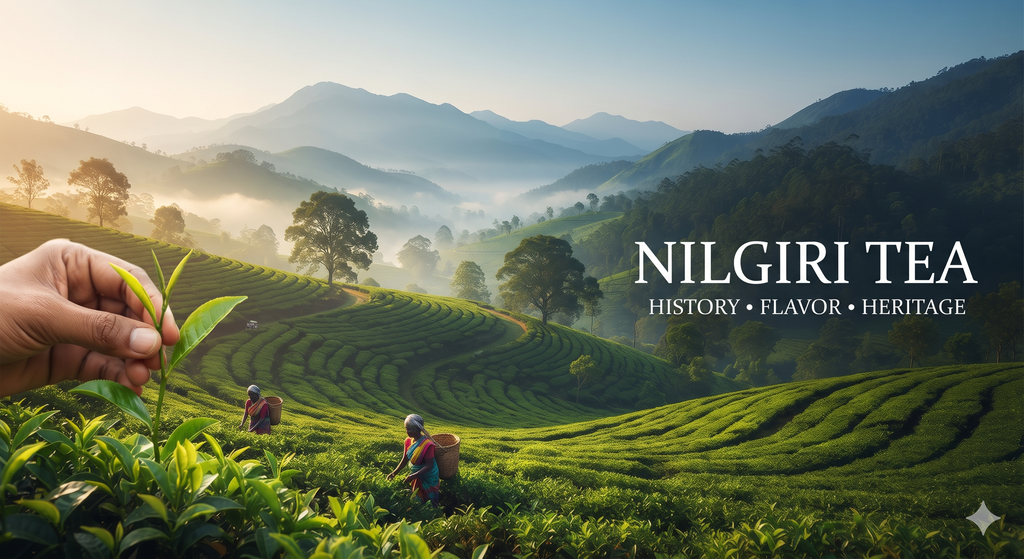
Skilled workers traverse steep mountain slopes, hand-picking only the tender top portions of the tea bush—specifically “two leaves and a bud.” This selective harvesting ensures that only the most nutrient-rich and aromatic shoots enter the production cycle, minimizing woody stalks and bitterness.
Step 2: Withering and Rolling
Once gathered, the fresh leaves are spread across troughs and subjected to controlled airflow to reduce moisture content (withering). For orthodox teas, the withered leaves are gently rolled to rupture cell walls, releasing natural enzymes and essential oils that begin the oxidation process, giving the leaves their characteristic twist and coppery hue.
Step 3: Oxidation, Firing, and Grading
The rolled leaves rest in cool, humid oxidation rooms where complex chemical reactions develop the tea’s flavor profile. Once optimal color and aroma are achieved, the leaves pass through a high-temperature dryer (firing) to halt oxidation and reduce moisture below 3%. Finally, mechanical sifters grade the tea by particle size—ranging from whole leaf Orange Pekoe (OP) down to fine dust grades.
Benefits of Nilgiri Tea
Direct Answer
Nilgiri tea delivers powerful health benefits, economic empowerment for Tamil Nadu’s rural communities, and a low environmental footprint due to sustainable high-altitude farming traditions.
Detailed Benefits Breakdown
- Rich Antioxidant Content: Packed with polyphenols and catechins that neutralize free radicals, support cellular health, and promote cardiovascular well-being.
- Digestive and Metabolic Support: Contains moderate caffeine and L-theanine, promoting gentle mental alertness without jitters while aiding digestion after meals.
- Livelihood Support: Sustains generational farming families and empowers women workers who comprise the majority of the region’s skilled plucking workforce.
- Biodiversity Preservation: Shaded tea cultivation practices in the Nilgiris preserve native flora, creating ecological corridors for regional wildlife in the Western Ghats.
Conclusion
Nilgiri tea in Tamil Nadu represents a harmonious blend of geography, heritage, and agricultural craftsmanship. From its misty mountain origins to its brisk, floral cup, this specialty tea offers a sensory experience unlike any other. Whether enjoyed piping hot on a cool afternoon or brewed as a refreshing iced tea, nilgiri tea in tamil nadu remains a testament to the enduring legacy of South Indian tea culture.