Tamil Nadu IDLI’S: A Delicious Guide to South India’s Iconic Breakfast
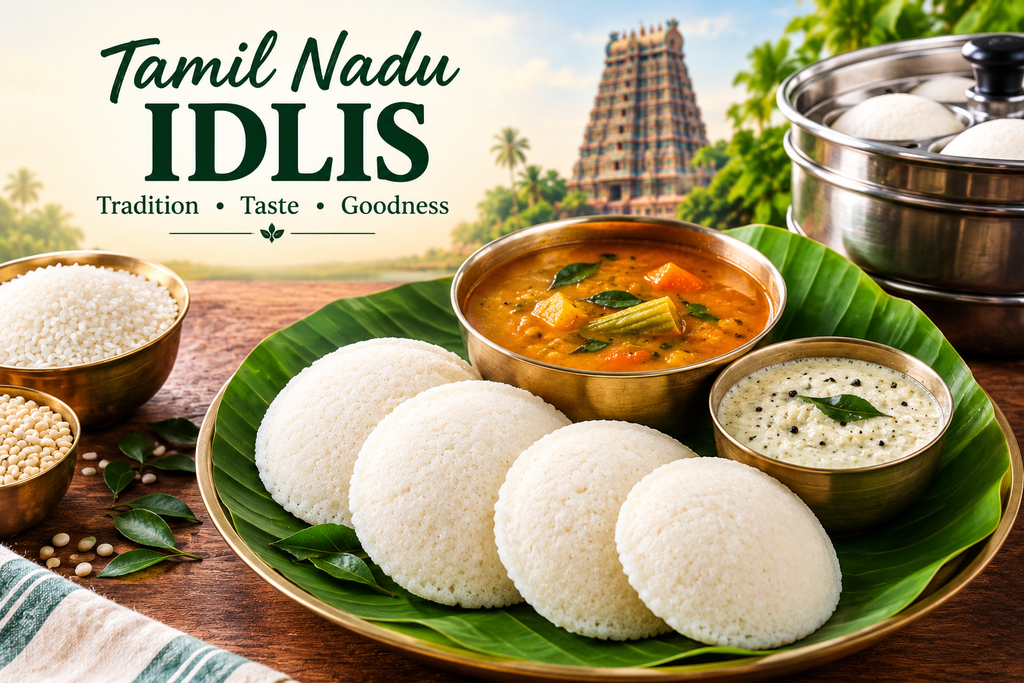
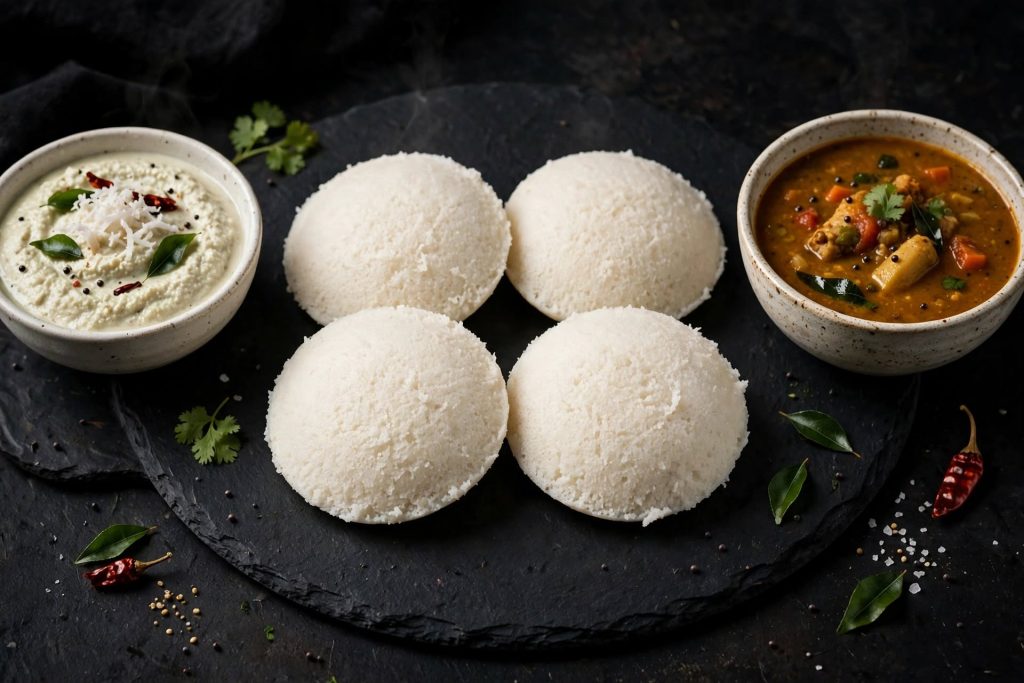
Tamil Nadu is famous for its rich food culture, and Tamil Nadu IDLIS are among its most loved traditional dishes. Soft, fluffy, and easy to digest, idlis are a popular breakfast choice across Tamil Nadu and many other parts of India. They are often served with coconut chutney, sambar, and spicy lentil-based accompaniments.
Tamil Nadu idlis are more than just a breakfast food. They reflect the region’s cooking traditions, local ingredients, and everyday lifestyle. From busy Chennai streets to traditional homes in Madurai and Coimbatore, idlis remain a familiar sight on breakfast tables.
In this guide, you will learn what Tamil Nadu idlis are, how they are made, their benefits, regional variations, common mistakes, and the best ways to enjoy them.
What Are Tamil Nadu IDLI’S?
Quick Definition
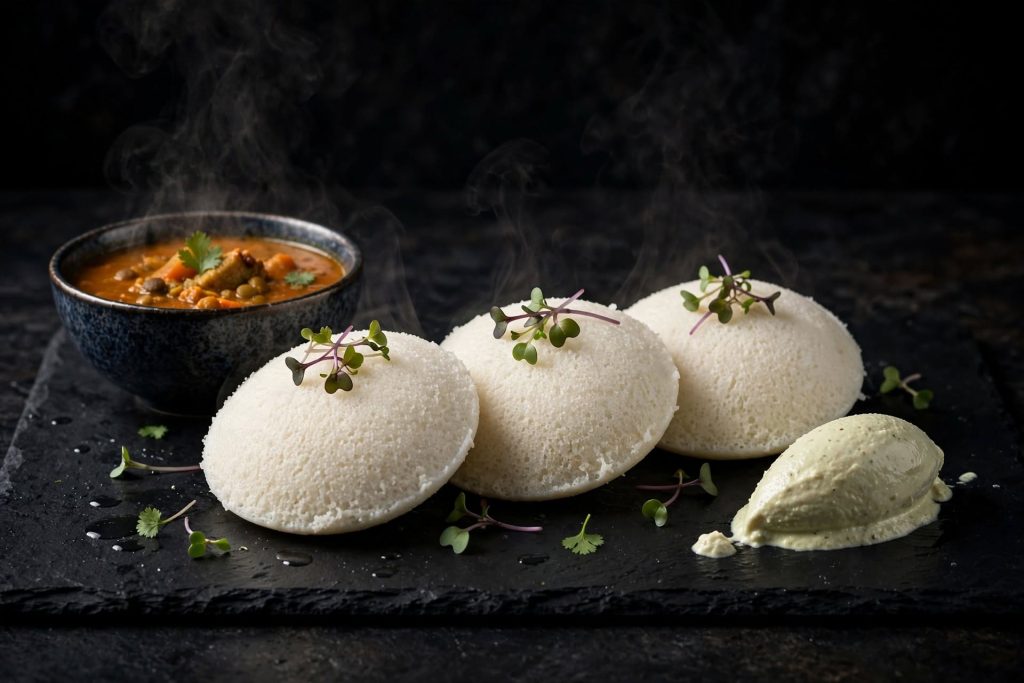
Tamil Nadu IDLIS are soft, steamed rice cakes made from a fermented batter of rice and urad dal, also known as split black gram. They are a traditional South Indian food commonly eaten for breakfast or as a light meal. People usually serve them with sambar, coconut chutney, or other flavorful accompaniments.
Detailed Explanation
Idli is one of the best-known dishes in Tamil Nadu cuisine. The traditional recipe uses rice and urad dal, which are soaked, ground, fermented, and steamed in small moulds.
Fermentation helps the batter develop its characteristic texture and mild tangy flavor. Steaming then turns the batter into soft, round cakes without requiring deep-frying.
Tamil Nadu has a strong idli culture. Families prepare them at home, while restaurants, hotels, railway stalls, and street-food vendors serve them throughout the day.
Key components of traditional idlis include:
- Rice: Provides the main structure and body.
- Urad dal: Helps create a soft, airy texture.
- Water: Helps form a smooth, pourable batter.
- Salt: Improves flavor and is usually added according to preference.
- Fermentation: Develops flavor and helps create a lighter texture.
- Steam: Cooks the batter without adding cooking oil.
Some households use idli rice, while others use combinations of parboiled rice and raw rice. Recipes vary by family, location, and personal preference.
Why Are Tamil Nadu IDLI’S Important?
Tamil Nadu idlis are important because they combine convenience, cultural tradition, and simple ingredients. They suit busy mornings, family meals, and restaurant menus. Their steamed preparation also makes them a useful alternative to deep-fried breakfast foods, although their overall nutritional value depends on portion size and accompaniments.
Cultural Importance
Idlis are closely connected with everyday food traditions in Tamil Nadu. They appear in family breakfasts, hotel menus, festive gatherings, and traditional South Indian meals.
In cities such as Chennai, idli is a common quick breakfast for students, office workers, and travelers. In smaller towns and villages, home-prepared idlis often form part of the daily routine.
They are also served at restaurants specializing in South Indian cuisine, alongside dosa, vada, pongal, and uttapam.
Business and Food Industry Value
Idlis are popular in the food service industry because restaurants can prepare batter in advance and steam portions when needed. This makes them suitable for breakfast hotels, catering businesses, canteens, and takeaway outlets.
For food businesses, idlis offer several practical advantages:
- They use familiar and widely available ingredients.
- They can be served in different portion sizes.
- They pair well with affordable accompaniments.
- They suit dine-in, takeaway, and catering menus.
- They can be adapted for different customer preferences.
However, businesses must manage fermentation, hygiene, storage, and cooking times carefully to maintain consistent quality.
How Are Tamil Nadu IDLI’S Made?
Traditional Tamil Nadu idlis are made by preparing a fermented batter and steaming it in moulds. The main steps are soaking, grinding, fermenting, and steaming. Temperature, ingredient proportions, and batter consistency all affect the final result.
Step 1: Soak the Ingredients
Wash the rice and urad dal separately. Soak them in clean water for several hours, following the recipe you use.
Some recipes include fenugreek seeds to support batter quality and add a subtle flavor.
Step 2: Grind and Ferment the Batter
Grind the soaked ingredients with enough water to create a smooth or slightly grainy batter, depending on the recipe.
Mix the ingredients and leave the batter in a clean container to ferment. Fermentation time depends on the room temperature and the starter culture naturally present in the ingredients.
In warm weather, fermentation may happen faster. In cooler conditions, it can take longer. The batter should become aerated and rise noticeably.
Step 3: Steam the Idlis
Lightly grease the idli moulds if needed. Pour the batter into each mould and steam until the idlis are cooked through.
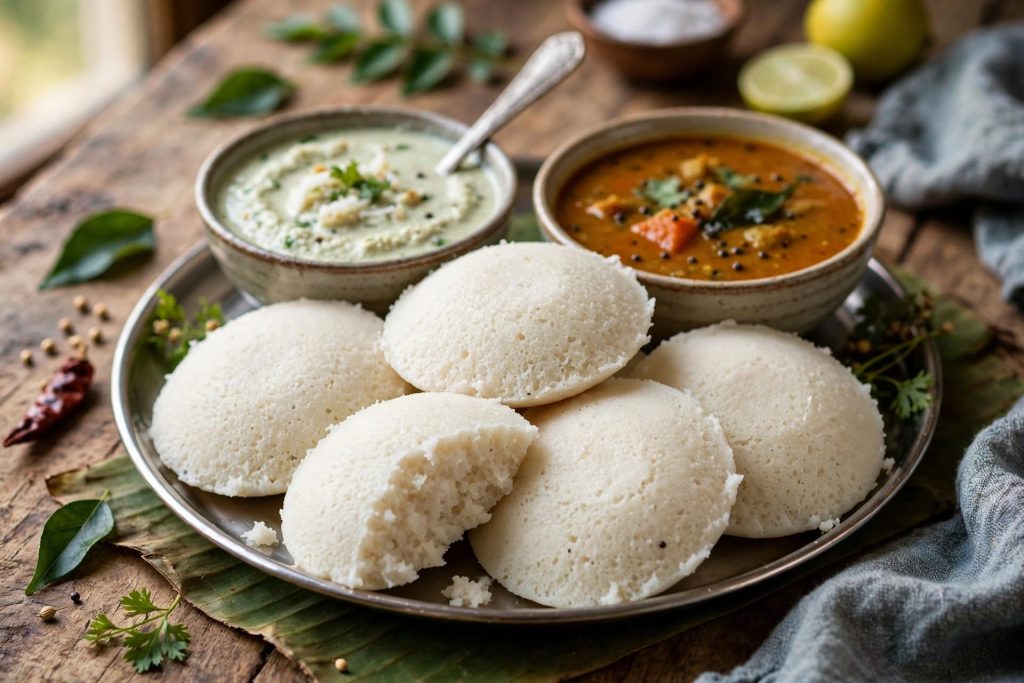
Allow them to rest briefly before removing them. Serve warm with sambar, coconut chutney, tomato chutney, or another preferred accompaniment.
Practical tip: If the idlis turn hard, review the batter consistency, fermentation, and steaming time before changing the entire recipe.
Benefits of Tamil Nadu IDLI’S
Idlis offer several practical benefits when prepared with suitable ingredients and eaten as part of a balanced diet.
- Steamed preparation: Traditional idlis do not require deep-frying, which helps keep the cooking method relatively low in added fat.
- Easy to pair with other foods: Sambar, vegetables, and chutneys can add flavor and a wider range of nutrients.
- Convenient breakfast: Idlis can be prepared in batches and served quickly.
- Versatile portions: They work as a small snack, a breakfast plate, or part of a larger meal.
- Fermented batter: Fermentation changes the batter’s flavor and structure and may improve the availability of some nutrients.
- Suitable for many age groups: Their soft texture makes them easy for many people to eat, although individual dietary needs vary.
- Flexible recipes: Home cooks can experiment with millet, oats, or other ingredients, although these variations differ from traditional rice-and-urad-dal idlis.
Are Idlis Healthy?
Idlis can be part of a healthy diet, but no single food provides everything the body needs. Rice-based idlis are mainly a source of carbohydrates, while urad dal contributes protein and other nutrients.
For a more balanced meal, serve idlis with sambar containing lentils and vegetables. Add a moderate portion of chutney and adjust the meal to your nutritional needs.
People who need to manage blood glucose should consider portion size, the overall meal, and individual medical advice. Idlis are not automatically suitable for every dietary requirement simply because they are steamed.
Popular Types of Tamil Nadu IDLI’S
Tamil Nadu offers several ways to prepare and serve idlis. The basic steamed idly remains the most familiar, but restaurants and home cooks also serve variations with different textures, sizes, and toppings.
1. Traditional Rice Idly
Traditional rice idly is soft, round, and mild in flavor. It is commonly served with coconut chutney and sambar. Its simple taste makes it a versatile base for different accompaniments.
2. Malli Poo Idly
Malli poo idli refers to an especially soft, delicate idli whose name compares its texture with a jasmine flower. The term is often used for idlis prized for their lightness and tenderness.
3. Mini Idly
Mini idlis are small versions of regular idlis. Restaurants often serve them soaked in sambar, creating a popular dish known as sambar mini idli. Their small size also makes them convenient for children and snack portions.
4. Kanchipuram Idly
Kanchipuram idli is associated with Kanchipuram in Tamil Nadu. It commonly includes seasonings such as pepper, cumin, ginger, and curry leaves. Some recipes also use ghee and cashews, giving it a more aromatic taste than plain idli.
5. Rava Idly
Rava idli is made mainly with semolina rather than the usual fermented rice-and-urad-dal batter. It is popular in South Indian cooking, particularly in Karnataka, and is also available in many restaurants elsewhere. Unlike traditional rice idli, it is generally prepared without the same long fermentation process.
Tamil Nadu IDLI’S vs Dosa: What Is the Difference?
Idli and dosa share common ingredients in many traditional recipes, but their texture, cooking method, and serving style differ. Idlis are steamed and soft, while dosas are spread over a hot griddle and cooked until tender or crisp.
| Feature | Idli | Dosa |
|---|---|---|
| Cooking method | Steaming | Cooking on a hot griddle |
| Texture | Soft and fluffy | Thin, crisp, or soft |
| Shape | Small, round cake | Flat, circular crepe |
| Added cooking oil | Usually little or none | Often uses some oil or ghee |
| Common accompaniments | Sambar and chutney | Sambar and chutney |
| Typical serving style | Several small cakes | One or more folded or rolled crepes |
| Batter | Usually fermented rice and urad dal | Often fermented rice and urad dal |
Both dishes are popular parts of South Indian cuisine. The better choice depends on personal taste, preparation method, portion size, and dietary needs.
Challenges and Common Mistakes When Making IDLI’S
Even a simple idli recipe can produce disappointing results if the batter or cooking method is not right.
Problem 1: Hard Idlis
Cause: The batter may be too thick, poorly fermented, or overcooked.
Solution: Check the water ratio, allow sufficient fermentation, and avoid steaming longer than necessary.
Problem 2: Batter Does Not Rise
Cause: Cold weather, weak fermentation, old ingredients, or unsuitable storage conditions may slow fermentation.
Solution: Use fresh ingredients, keep the batter in a clean container, and allow enough time for it to ferment. Do not rely on one fixed fermentation time for every climate.
Problem 3: Sour Taste
Cause: Excessive fermentation can create a stronger sour flavor.
Solution: Check the batter periodically, especially in warm weather. Refrigerate it once it reaches the desired fermentation level if you are not ready to cook it.
Problem 4: Idlis Stick to the Moulds
Cause: The moulds may not be prepared properly, or the idlis may be removed too soon.
Solution: Lightly grease the moulds when needed and let the cooked idlis rest briefly before removing them.
Problem 5: Food Safety Problems
Cause: Dirty equipment, unsafe water, or poor storage can affect batter quality.
Solution: Use clean utensils and safe water. Refrigerate leftover batter promptly and discard it if it develops unusual discoloration, mold, or an unpleasant smell beyond normal fermentation.
Best Practices for Soft and Fluffy Tamil Nadu IDLIS
Follow these tips to improve the quality of homemade idlis:
- Choose suitable rice: Use idli rice or a rice combination recommended by your recipe.
- Use good-quality urad dal: Fresh dal can help produce a better batter.
- Soak ingredients separately: This makes grinding easier and gives you more control over texture.
- Grind carefully: Aim for a batter consistency that suits your recipe.
- Control fermentation: Watch the batter’s rise and aroma instead of relying only on the clock.
- Consider the weather: Warm conditions speed up fermentation, while cool conditions slow it down.
- Avoid overfilling moulds: Leave room for the batter to expand as it cooks.
- Steam thoroughly: Follow your steamer’s instructions and check that the centre is cooked.
- Serve fresh: Idlis are often at their best soon after steaming.
- Pair them thoughtfully: Add sambar or another suitable accompaniment for a more varied meal.
Frequently Asked Questions About Tamil Nadu IDLI’S
1. What makes Tamil Nadu idlis special?
Tamil Nadu idlis are valued for their soft texture, mild flavor, and traditional preparation. They are commonly made from fermented rice and urad dal batter, then steamed. Their popularity also comes from the way they pair with regional accompaniments such as coconut chutney, sambar, and spicy podi.
2. What ingredients are used to make traditional idlis?
Traditional idlis mainly use rice, urad dal, water, and salt. Some recipes include fenugreek seeds or use different rice varieties. The ingredients are soaked, ground, and fermented before the batter is steamed in moulds. Exact proportions vary between households and recipes.
3. Are Tamil Nadu idlis healthy for breakfast?
Idlis can be a useful breakfast option because they are steamed and contain carbohydrates from rice and some protein from urad dal. Their nutritional value depends on portion size and accompaniments. Adding vegetable-rich sambar can make the meal more balanced.
4. Why do idlis need fermentation?
Fermentation helps develop the batter’s flavor and airy structure. Naturally occurring microorganisms act on the batter during this process. The speed depends on temperature, ingredients, and other conditions. Proper fermentation can improve texture, but the batter still needs hygienic handling and thorough cooking.
5. What is the best side dish for Tamil Nadu idlis?
Sambar and coconut chutney are two classic choices. Sambar adds lentils, vegetables, and spices, while coconut chutney provides a creamy texture and fresh flavor. Tomato chutney, mint chutney, and idli podi are also popular options.
6. What is the difference between idli and dosa?
Idli is a steamed rice cake, while dosa is a thin crepe cooked on a hot griddle. Both often use fermented rice-and-urad-dal batter. Idli has a soft texture, while dosa can be crisp or soft depending on the batter and cooking method.
7. Can idli batter be stored for later use?
Yes, properly prepared idli batter can generally be refrigerated for later use. Store it in a clean, covered container and follow safe food-handling practices. Fermentation may continue slowly in the refrigerator, so check its condition before use and discard it if you notice mold or unusual spoilage.
8. Where can people enjoy authentic Tamil Nadu idlis?
People can enjoy Tamil Nadu-style idlis at traditional South Indian restaurants, local breakfast hotels, food stalls, and homes across the state. Chennai, Madurai, Coimbatore, and other towns offer many places serving idlis with regional chutneys and sambar. Recipes and flavors differ between establishments.
Key Takeaways
- Tamil Nadu idlis are traditional steamed cakes made mainly from fermented rice and urad dal.
- They are commonly served with sambar, coconut chutney, tomato chutney, or idli podi.
- Fermentation and steaming help create the familiar soft texture.
- Popular variations include mini idli, Kanchipuram idli, and specially soft mallipoo-style idli.
- Idlis can fit into a balanced diet, especially when paired with vegetables and lentils.
- Batter quality, fermentation, hygiene, and cooking time affect the final result.
- Idli and dosa share some ingredients but differ in texture and cooking method.
Final Verdict
Tamil Nadu IDLIS remain one of the most recognizable foods in South Indian cuisine because they are simple, adaptable, and closely connected with everyday food traditions. Their steamed preparation, mild taste, and wide range of accompaniments make them suitable for many occasions.
For the best experience, try freshly steamed idlis with vegetable-rich sambar and coconut chutney. If you make them at home, focus on batter consistency, fermentation, and safe storage. If you run a food business, maintain consistent portions, clean equipment, and reliable preparation methods.
Conclusion
Tamil Nadu IDLI’S represent the comfort and tradition of South Indian food. Made with a fermented batter and cooked by steaming, they offer a soft texture and pair well with flavorful accompaniments. From traditional rice idlis to mini idlis and Kanchipuram-style versions, there is a variety to suit different tastes.
Whether you are exploring Tamil Nadu cuisine, planning a South Indian breakfast, or learning to cook regional dishes, start with a fresh plate of idlis, sambar, and chutney. It is a simple way to experience one of the region’s best-loved food traditions.