
Introduction
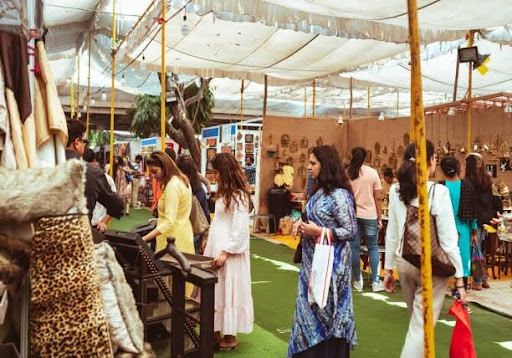
The Trade Fair 2025 brings a refreshing wave of innovation centered around sustainability. As consumer preferences shift toward clean, conscious, and planet-friendly choices, the eco-friendly segment of the fair has become one of the most visited zones. Brands from across India are presenting natural materials, recycled goods, low-waste products, handcrafted alternatives, and modern green innovations designed for a responsible lifestyle. Whether you are a buyer, distributor, entrepreneur, or simply someone who cares about sustainable living, the Eco-Friendly and Sustainable Products 2025 offers a remarkable look at how India is embracing a greener future. This year’s exhibition proves that sustainability isn’t just a trend—it’s a new market revolution.
Rise of Sustainable Manufacturing
Over the past decade, India has seen a dramatic rise in eco-conscious production. Manufacturers, artisans, startups, and even large industries are adopting greener materials, ethical sourcing, and low-energy processes. Several initiatives promote plastic-free packaging, organic dyes, natural fibers, solar-powered workshops, and waste recycling. The Trade Fair 2025 showcases these advancements through a wide range of environment-friendly products that offer both quality and sustainability.
Businesses are now focusing on long-term responsibility, aware that the next generation of consumers prefers products that do not harm the planet. Reusable items, compostable materials, plant-based fibers, ethically sourced accessories, and biodegradable goods are reshaping how products are designed and marketed. Many exhibitors at this year’s fair demonstrate how eco-friendly manufacturing also leads to improved brand value—green practices attract better buyers, create trust, and open new global markets.
The rise of sustainable manufacturing also includes technological upgrades. Energy-efficient machines, organic dyeing systems, water-saving equipment, bamboo-based alternatives, and recycled industrial products show how businesses are reducing their environmental footprint while maintaining premium quality. Trade Fair 2025 has become a major platform for businesses to share these green innovations with the world.
State-Wise Eco-Friendly Products
India’s diversity is deeply reflected in the eco-friendly segment. Every state brings its own identity, materials, and sustainable traditions.
North India
States like Uttarakhand, Himachal Pradesh, Punjab, and Delhi showcase natural fiber crafts, handmade paper, herbal wellness goods, beeswax candles, recycled stationery, and eco-friendly home décor. Himachal is especially known for pine-needle crafts, which turn forest waste into useful products.
East India
Assam, Tripura, Odisha, Jharkhand, and West Bengal are strong leaders in natural fiber products. Bamboo crafts, cane accessories, jute bags, eco-friendly mats, and handwoven organic fabrics dominate this section. Assam’s bamboo-based lifestyle products are a standout attraction.
South India
Kerala, Tamil Nadu, Karnataka, and Andhra Pradesh present coir-based goods, coconut shell accessories, natural soaps, organic spices, eco-friendly kitchenware, and plant-based tableware. Kerala’s coconut handicrafts and coir mats remain top performers in sustainable exports.
West India
Rajasthan, Gujarat, Maharashtra, and Goa exhibit recycled textile items, natural block prints, terracotta eco-decor, handmade jewellery from organic materials, and biodegradable lifestyle products. Rajasthan’s natural-dye textiles and Gujarat’s recycled fashion items are highly admired.
North-East India
The Northeast region stands out with rich biodiversity and sustainable craftsmanship. Bamboo furniture, natural fibers, plant-based jewellery, eco-friendly stationery, and traditional herbal products represent the region’s commitment to natural living.
The combination of state-wise uniqueness gives the Trade Fair 2025 a rich, diverse, and authentic eco-friendly identity.

Top Green Brands Exhibiting
One of the biggest highlights of the Eco-Friendly Products Trade Fair 2025 is the presence of innovative green brands that combine tradition with modern sustainability.
1. Brands Using Recycled Materials
These brands focus on turning waste into valuable products—recycled plastics, repurposed textiles, paper waste, and agricultural leftovers. Bags, fashion items, accessories, and home décor are popular in this category.
2. Natural Fiber Businesses
Bamboo, jute, hemp, coir, sabai grass, and banana fiber products are gaining huge traction. Visitors can explore bags, trays, furniture, mats, jewellery, lamps, and artisanal décor.
3. Organic Lifestyle Brands
These companies offer plant-based soaps, herbal skincare, chemical-free detergents, clay cookware, natural candles, and wooden kitchen tools. This segment appeals strongly to health-conscious buyers.
4. Eco-Friendly Packaging Innovators
Compostable packaging, biodegradable trays, natural wrapping sheets, and reusable food containers highlight the move toward sustainable business operations.
5. Green Fashion Labels
Natural-dyed clothing, ethical fashion collections, organic cotton garments, and upcycled accessories showcase the new era of conscious styling.
6. Renewable Energy Startups
Solar-powered gadgets, low-energy appliances, and eco-friendly lighting draw strong attention from commercial buyers seeking sustainable solutions.
Together, these brands make the eco-friendly pavilion one of the most forward-thinking sections of the entire fair.
How DesiBiz Promotes Sustainable Businesses
DesiBiz plays a crucial role in supporting eco-friendly brands and green entrepreneurs. Through its digital-first approach, it gives sustainable manufacturers, artisans, and startups the online visibility they need to grow their business.
What DesiBiz Provides
- A trusted marketplace to list eco-friendly products
- Verified buyer connections for domestic and international orders
- Dedicated category pages for green brands
- Promotion through digital campaigns and marketplace features
- A route for small artisans to compete with large brands
- Lead generation support for exporters and wholesalers
DesiBiz ensures that sustainable businesses showcased at Trade Fair 2025 continue receiving attention even after the event. Its platform bridges the gap between traditional artisans, conscious brands, and global buyers who prefer environmentally responsible suppliers.

Tips to Identify Eco-Friendly Products
With sustainability trending, buyers must know how to identify genuinely eco-friendly products and avoid misleading claims.
1. Check the Raw Materials
Products made from bamboo, jute, coir, cotton, clay, recycled waste, plant fibers, and other natural materials have lower environmental impact.
2. Look for Recyclable or Compostable Packaging
Eco-conscious brands avoid plastic, opting for recycled paper, cloth, or biodegradable packaging.
3. Verify Certifications
Authentic eco-friendly goods are often certified by recognized bodies such as Fair-Trade, organic standards, or craft-based organizations.
4. Ask About the Production Process
Natural dyes, low-energy workshops, minimal waste, and handmade production methods indicate sustainability.
5. Prefer Long-Lasting Products
Durability is a major factor in sustainability. Quality eco-products last longer and reduce repeated waste.
6. Research the Brand’s Values
Responsible brands often share complete details about materials, sourcing, artisans, and sustainability goals.
7. Choose Locally Made Goods
Buying from regional artisans reduces transportation emissions and supports traditional eco-friendly crafts.
Understanding these indicators helps visitors confidently choose sustainable products from the fair.

Conclusion
The Eco-Friendly and Sustainable Products 2025 reflects India’s growing commitment to sustainability and conscious living. As buyers look for healthier, cleaner, and planet-friendly alternatives, eco-products are becoming mainstream across home décor, fashion, lifestyle, packaging, and gifting categories. From bamboo crafts and natural fibers to recycled materials and organic wellness items, the fair showcases products that align with the future of global markets. Platforms like DesiBiz further help artisans, brands, and small businesses promote their sustainable products to a wider audience. With rising demand and strong export potential, eco-friendly goods are no longer a niche—they are becoming an essential part of modern consumer choices.
Frequently Asked Questions
Which eco-friendly products are showcased?
The fair includes bamboo crafts, jute bags, recycled fashion, natural-dyed textiles, biodegradable tableware, organic skincare, clay cookware, reusable packaging, coir items, and plant-based lifestyle goods.
Which states lead in sustainability?
Assam, Kerala, West Bengal, Rajasthan, Gujarat, and the Northeast states lead with bamboo goods, natural fiber crafts, organic products, and sustainable textiles.
Are green products good for export?
Yes, eco-friendly products have strong export potential. International buyers prefer natural, handmade, durable, and ethically sourced goods.
How to certify eco products?
Certifications depend on material type. Common bodies include organic textile standards, Fair-Trade, craft councils, and biodegradable material verification agencies.
Why choose sustainable items?
They reduce environmental impact, support artisans, promote healthier living, and align with global demand for conscious consumer products.
Leave a Reply