
Introduction
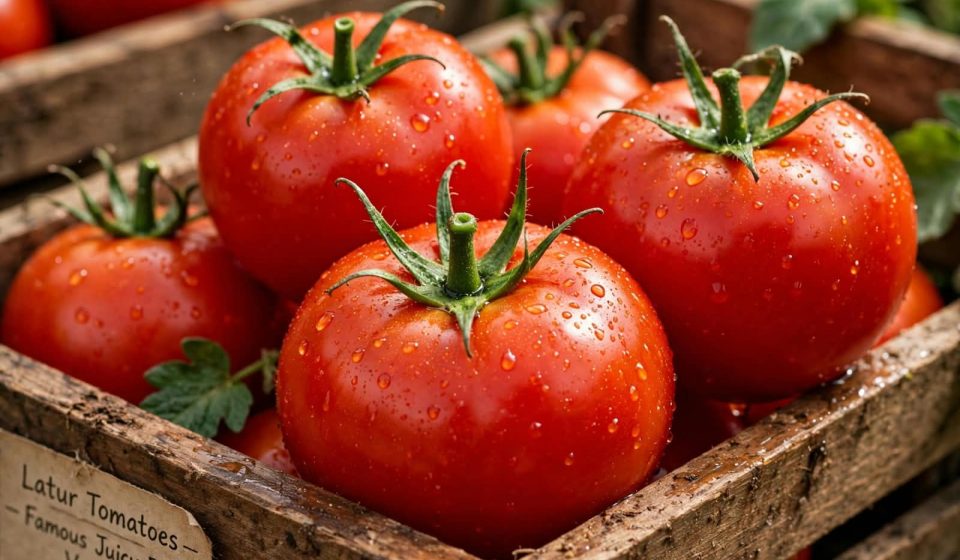
Maharashtra is known for its diverse agricultural products, from grapes and oranges to onions, vegetables, and traditional foods. Among these crops, Lathur tamato maharastra is a topic worth exploring for people interested in regional farming, fresh vegetables, and agricultural markets.
Latur, a district in the Marathwada region of Maharashtra, has a strong agricultural economy. Farmers in the district grow a range of crops, including pulses, oilseeds, and vegetables. Tomato cultivation can also provide income opportunities where water, soil, climate, and market conditions are suitable.
Tomatoes are used daily in Indian kitchens. They are essential ingredients in curries, chutneys, soups, sauces, and salads. Their demand creates opportunities for farmers, wholesalers, retailers, restaurants, and food-processing businesses.
However, tomato prices and production can change significantly with the weather, seasonal supply, transport costs, and market demand. Understanding these factors helps consumers make informed purchases and helps farmers plan their crops.
This article explains Latur tomatoes, their nutritional benefits, cultivation methods, economic importance, common farming challenges, and practical tips for buying and storing fresh tomatoes.
What Is Latur Tomato?
Latur tomato refers to tomatoes grown in or marketed from Latur district and nearby areas of Maharashtra. Tomatoes are edible fruits commonly used as vegetables in cooking. Their quality depends on the variety, growing conditions, maturity, harvesting methods, and storage.
Latur is part of Maharashtra’s Marathwada region, where farming is influenced by seasonal rainfall and water availability. Tomato production requires careful crop planning because the plants need suitable temperatures, balanced nutrition, and consistent moisture.
The term “Latur tomato” describes a regional source or market association. It does not necessarily identify one unique tomato variety.
Key Characteristics of Latur Tomato Maharashtra
Tomatoes from Latur may vary in colour, shape, size, firmness, and flavour according to the variety and growing conditions.
Common characteristics include:
- Colour: Usually red when fully ripe, although some varieties have different colours.
- Shape: Round, oval, or slightly elongated.
- Taste: Can range from sweet and mild to tangy.
- Texture: Juicy flesh with seeds inside.
- Uses: Suitable for curries, salads, chutneys, sauces, soups, and cooking.
- Nutrients: Contains vitamin C, potassium, folate, fibre, and carotenoids.
- Market value: Depends on quality, seasonal supply, demand, and transport costs.
Not every tomato sold in Latur is grown locally. Buyers who need verified regional produce should ask sellers about its source.
Why Is Latur Tomato Maharashtra Important?
Latur tomato Maharashtra is relevant to local agriculture because tomatoes can create income opportunities for growers and support the vegetable supply chain. Their regular use in Indian cooking also creates demand among households, restaurants, retailers, and food processors.
1. Agricultural Importance
Tomatoes can offer farmers an additional crop alongside other agricultural products. Their relatively short growing cycle, compared with many fruit crops, may allow farmers to respond to seasonal market opportunities.
However, tomato cultivation requires careful planning. Farmers must consider irrigation, input costs, pest risks, and expected selling prices before planting.
2. Economic Opportunities
Tomato production supports several activities beyond farming.
These include:
- Selling seedlings and agricultural supplies.
- Preparing fields and maintaining crops.
- Harvesting and sorting tomatoes.
- Packing and transporting vegetables.
- Trading through wholesale markets.
- Selling fresh produce in shops and local markets.
- Supplying tomatoes to restaurants and food processors.
For example, a farmer may sell mature tomatoes to a wholesaler, who then distributes them to vegetable retailers. Each stage adds handling and transport costs.
3. Importance for Households
Tomatoes are a common ingredient in Indian meals. They add colour, flavour, moisture, and acidity to many dishes.
Their widespread use means households often look for tomatoes that balance freshness, taste, quality, and price.
4. Value for Food Businesses
Restaurants, caterers, hotels, and food manufacturers use tomatoes in large quantities. They may prefer varieties with suitable firmness, colour, size, and processing qualities.
Reliable suppliers and consistent quality can help these businesses reduce waste and manage food costs.
How Are Latur Tomatoes Grown?
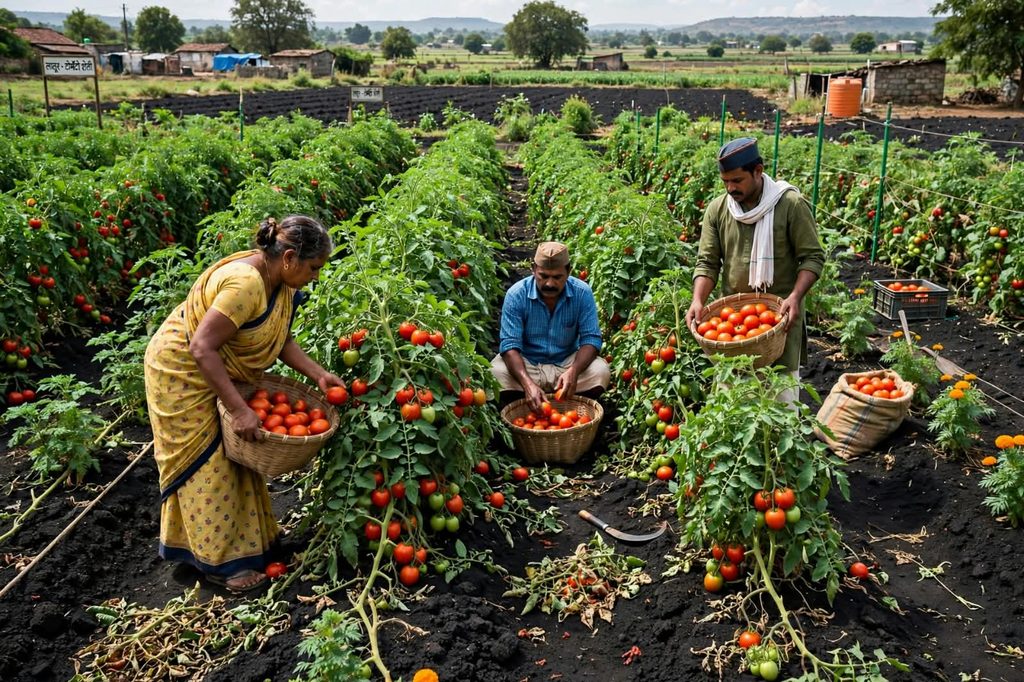
Tomato cultivation involves choosing suitable land, planting healthy seedlings, managing water and nutrients, controlling pests, and harvesting fruit at the right stage.
Step 1: Selecting Suitable Soil and Climate
Tomatoes grow well in suitable, well-drained soils with adequate sunlight. Waterlogged conditions can damage roots and encourage disease.
Before planting, farmers should assess soil quality, water availability, seasonal temperatures, and local pest risks.
Soil testing can help identify nutrient needs and guide fertilizer use.
Step 2: Preparing the Field and Planting Seedlings
Farmers prepare the field, establish suitable planting beds, and transplant healthy seedlings. Proper spacing improves airflow and allows plants to receive enough sunlight.
Healthy seedlings from reliable nurseries can help establish a stronger crop.
Step 3: Managing Irrigation and Nutrients
Tomato plants need a suitable supply of water throughout their growth cycle. Too little water can stress plants, while excessive watering may increase disease risks.
Farmers should adjust irrigation according to soil moisture, rainfall, plant growth, and local conditions. Balanced fertilizer use also supports healthy leaves and fruit development.
Step 4: Monitoring Pests and Diseases
Tomatoes can be affected by insect pests, fungal diseases, bacterial diseases, and viral infections.
Farmers should inspect plants regularly, remove severely affected material where appropriate, and seek local agricultural advice when symptoms appear.
Integrated pest management can help combine monitoring, preventive measures, and suitable control methods.
Step 5: Harvesting and Selling
Tomatoes are harvested according to their intended market and stage of maturity. Fruit for nearby markets may be harvested at a different stage from fruit intended for longer transport.
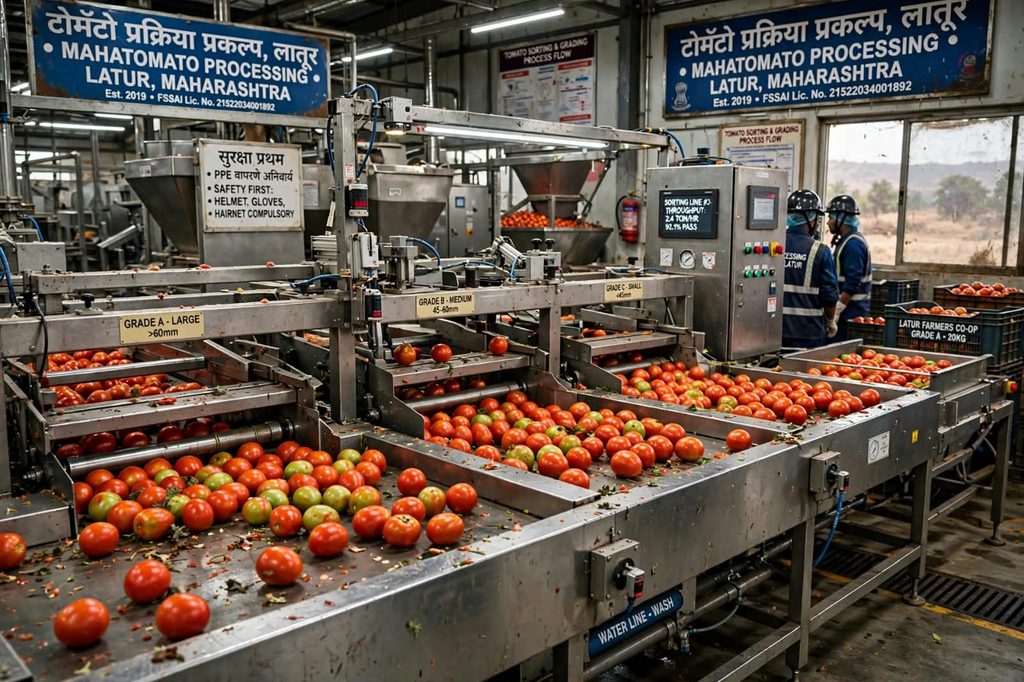
Careful handling, grading, and suitable packaging help reduce bruising and spoilage.
Benefits of Latur Tomato
Tomatoes offer nutritional, culinary, and commercial benefits. Their exact nutrient content varies by variety, ripeness, and growing conditions.
1. Provides Vitamin C
Tomatoes contain vitamin C, which supports normal immune function, collagen formation, and wound healing.
Including tomatoes in meals can contribute to daily vitamin C intake alongside other fruits and vegetables.
2. Contains Lycopene
Tomatoes are an important dietary source of lycopene, a naturally occurring carotenoid that gives many ripe tomatoes their red colour.
Lycopene has antioxidant properties. Cooking tomatoes with a little oil can improve the absorption of lycopene from some tomato-based foods.
3. Supports a Balanced Diet
Tomatoes contain water, fibre, potassium, and folate. They can add nutrients and flavour to meals without requiring large portions.
A balanced diet should still include a variety of vegetables, fruits, whole grains, and suitable protein sources.
4. Offers Many Cooking Uses
Tomatoes work well in many dishes, including:
- Tomato curry and vegetable sabzi.
- Fresh salads.
- Tomato chutney.
- Soups and sauces.
- Sandwiches and wraps.
- Dal and other lentil dishes.
- Homemade tomato puree.
Their versatility makes them useful for both home cooks and professional kitchens.
5. Creates Opportunities for Farmers
Tomato cultivation can generate income through fresh produce sales. Farmers may also find opportunities to supply retailers, restaurants, wholesalers, and processing businesses.
Profit depends on yield, labour, irrigation, fertilizers, pest management, transport, and market prices. High production alone does not guarantee high earnings.
Challenges and Common Mistakes in Tomato Farming
Tomato farmers face several risks, especially when weather conditions and market prices change quickly.
| Problem | Possible Cause | Practical Solution |
| Low fruit production | Poor pollination, nutrient problems, or unsuitable temperatures | Review growing conditions and crop management |
| Cracked tomatoes | Irregular moisture supply | Maintain more consistent soil moisture |
| Blossom-end rot | Problems with calcium delivery to developing fruit, often linked to irregular watering | Manage irrigation and investigate soil conditions |
| Pest damage | Insects and inadequate monitoring | Use integrated pest management |
| Plant disease | Infected plants, favourable disease conditions, or contaminated planting material | Use healthy seedlings and seek timely advice |
| Fruit spoilage | Rough handling or unsuitable storage | Handle carefully and remove damaged fruit |
| Low selling prices | Oversupply or weak market demand | Compare market options and plan production carefully |
| High input costs | Inefficient use of water, fertilizers, or labour | Keep farm records and assess input needs |
Common Mistakes to Avoid
Farmers should avoid:
- Planting without checking soil and water availability.
- Using unhealthy seedlings.
- Overwatering or allowing severe water stress.
- Applying fertilizers without considering crop needs.
- Ignoring early signs of pests and diseases.
- Harvesting and transporting fruit roughly.
- Planting large areas without considering market access.
- Assuming that a high wholesale price will continue throughout the season.
Local agricultural officers and horticulture specialists can help farmers choose suitable varieties and manage crop-specific problems.
Best Practices for Buying and Storing Latur Tomatoes
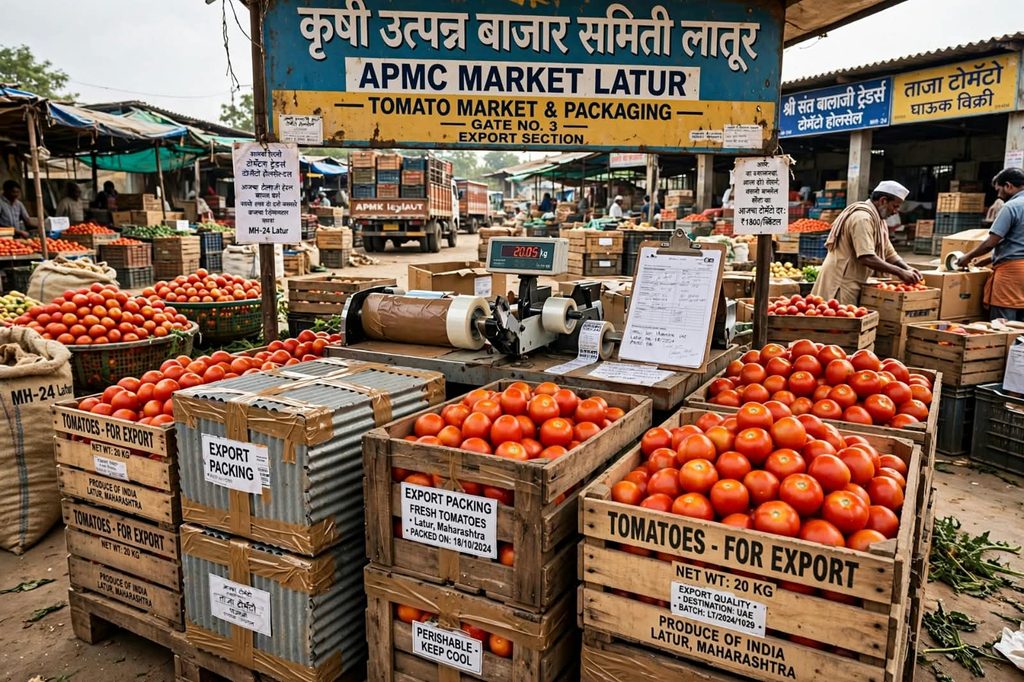
Consumers can improve the quality and shelf life of tomatoes by selecting suitable fruit and storing it carefully.
- Check the skin: Choose tomatoes without large cuts, mould, or leaking areas.
- Look for firmness: Select fruit that feels firm but not excessively hard, depending on when you plan to use it.
- Check the colour: Choose tomatoes with the maturity level needed for your recipe.
- Smell the fruit: A fresh tomato may have a mild, earthy aroma near the stem.
- Buy according to your needs: Purchase smaller quantities if you do not plan to use them quickly.
- Store ripe tomatoes carefully: Refrigeration can extend the life of fully ripe tomatoes, although it may affect flavour and texture.
- Keep unripe tomatoes at room temperature: Allow them to ripen away from direct sunlight.
- Avoid excess moisture: Wet surfaces can encourage spoilage.
- Separate damaged fruit: One spoiled tomato can affect the quality of nearby produce.
- Wash before eating or cutting: Rinse tomatoes under clean running water.
For the best flavour, many people prefer to bring refrigerated tomatoes to room temperature before eating them.
Latur Tomato vs Other Maharashtra Tomatoes
Tomatoes grown in different parts of Maharashtra can vary in variety, size, flavour, firmness, and availability. Regional differences do not automatically mean that one tomato is better than another.
| Feature | Latur Tomatoes | Other Maharashtra Tomatoes |
| Regional source | Latur district and surrounding areas | Various districts across Maharashtra |
| Variety | Depends on the farmer and seed selection | Depends on local growing practices |
| Taste | Varies with variety and maturity | Varies with variety and maturity |
| Size and shape | May differ between crops | May differ between crops |
| Availability | Depends on local production and supply | Depends on each region’s production and transport |
| Price | Changes with quality and market conditions | Changes with quality and market conditions |
| Common uses | Cooking, salads, sauces, and puree | Cooking, salads, sauces, and puree |
Which Tomatoes Are Better?
Neither regional source is automatically better. The best choice depends on freshness, intended use, price, and the tomato’s quality.
For salads, consumers may prefer ripe, flavourful tomatoes. For transport or commercial handling, firmer fruit may be more suitable. For sauces and puree, buyers may prioritise flavour, ripeness, and the amount of usable pulp.
Frequently Asked Questions About Latur Tomato Maharashtra
1. What is Latur tomato famous for?
Latur tomatoes refer to tomatoes grown in or sold from Latur and nearby areas of Maharashtra. Their importance depends on local production and market supply rather than one unique variety.
Tomatoes are widely used in Indian cooking and support demand from households, retailers, restaurants, and food businesses. Buyers should verify the origin if locally grown produce is important to them.
2. What are the health benefits of Latur tomatoes?
Tomatoes provide vitamin C, potassium, folate, fibre, and lycopene. These nutrients contribute to normal body functions and help make tomatoes a useful part of a varied diet.
Their nutritional value depends on variety and ripeness. Eating tomatoes alongside other vegetables and fruits helps provide a broader range of nutrients.
3. When are Latur tomatoes available?
Tomato availability depends on planting schedules, seasonal weather, local production, and transport. Farmers may grow tomatoes during different periods when conditions and irrigation allow.
Supply and prices can change throughout the year. Ask local vegetable sellers or wholesale traders about current availability and the source of their tomatoes.
4. How can I identify good-quality tomatoes?
Choose tomatoes with intact skin, suitable firmness, and no mould, leaking areas, or deep cuts. The best colour and firmness depend on whether you plan to eat them immediately or allow them to ripen.
For salads, ripe tomatoes may be preferable. For longer storage or transport, slightly firmer fruit may be more practical.
5. Can Latur tomatoes be used for making puree?
Yes. Suitable tomatoes can be cooked and blended into puree for curries, soups, sauces, and other recipes.
Choose ripe, healthy fruit and remove damaged portions. The thickness and flavour of the puree depend on the variety, ripeness, water content, and cooking method.
6. Why do tomato prices change so often?
Tomato prices can change because of weather, harvest volumes, transport costs, storage losses, demand, and the number of sellers in a market.
Heavy supply may lower prices, while crop damage or shortages may increase them. Farmers and traders can monitor local wholesale markets to understand current trends, but future prices remain uncertain.
7. How can farmers improve tomato production?
Farmers can improve crop management by using healthy seedlings, testing soil, managing irrigation, monitoring pests, and harvesting at the right stage.
The best approach depends on local conditions and the variety being grown. Advice from local agricultural experts can help farmers make suitable decisions and avoid unnecessary input costs.
8. How should tomatoes be stored at home?
Keep unripe tomatoes at room temperature until they ripen. Fully ripe tomatoes can be refrigerated to slow spoilage, although refrigeration may affect their texture and flavour.
Avoid storing tomatoes while wet or leaving damaged fruit among healthy ones. Wash them under clean running water before eating or cutting.
Key Takeaways
- Latur tomato Maharashtra refers to tomatoes grown in or marketed from Latur and nearby areas.
- Tomatoes are widely used in Indian cooking and food processing.
- They provide vitamin C, potassium, folate, fibre, and lycopene.
- Tomato quality depends on variety, maturity, handling, and storage.
- Successful farming requires suitable irrigation, healthy seedlings, and pest management.
- Weather, supply, and demand can cause tomato prices to change.
- Consumers should select fresh fruit and store it according to its maturity.
- Farmers can reduce losses through careful harvesting, packaging, and market planning.
Final Verdict
Latur tomatoes are a useful example of Maharashtra’s diverse vegetable production. Tomatoes provide nutritional value, serve many cooking purposes, and create opportunities for farmers and businesses throughout the supply chain.
However, regional origin alone does not guarantee better taste, quality, or price. Growing conditions, variety, maturity, and post-harvest handling all influence the final product.
Consumers should choose tomatoes according to freshness and intended use. Farmers should focus on suitable varieties, careful water management, crop health, and informed market decisions.
Conclusion
Lathur tamato maharastra highlights the role of tomatoes in the region’s agricultural and food economy. Tomatoes offer valuable nutrients, practical uses, and potential income opportunities for farmers, traders, and retailers.
Successful production depends on healthy seedlings, balanced irrigation, pest management, and careful harvesting. Meanwhile, consumers can enjoy better quality by choosing fresh tomatoes and storing them correctly.
Whether you are a farmer, retailer, food business owner, or consumer, understanding tomato quality and market conditions can help you make informed choices. Supporting responsible cultivation and reducing post-harvest waste can also strengthen the value of Maharashtra’s agricultural produce.