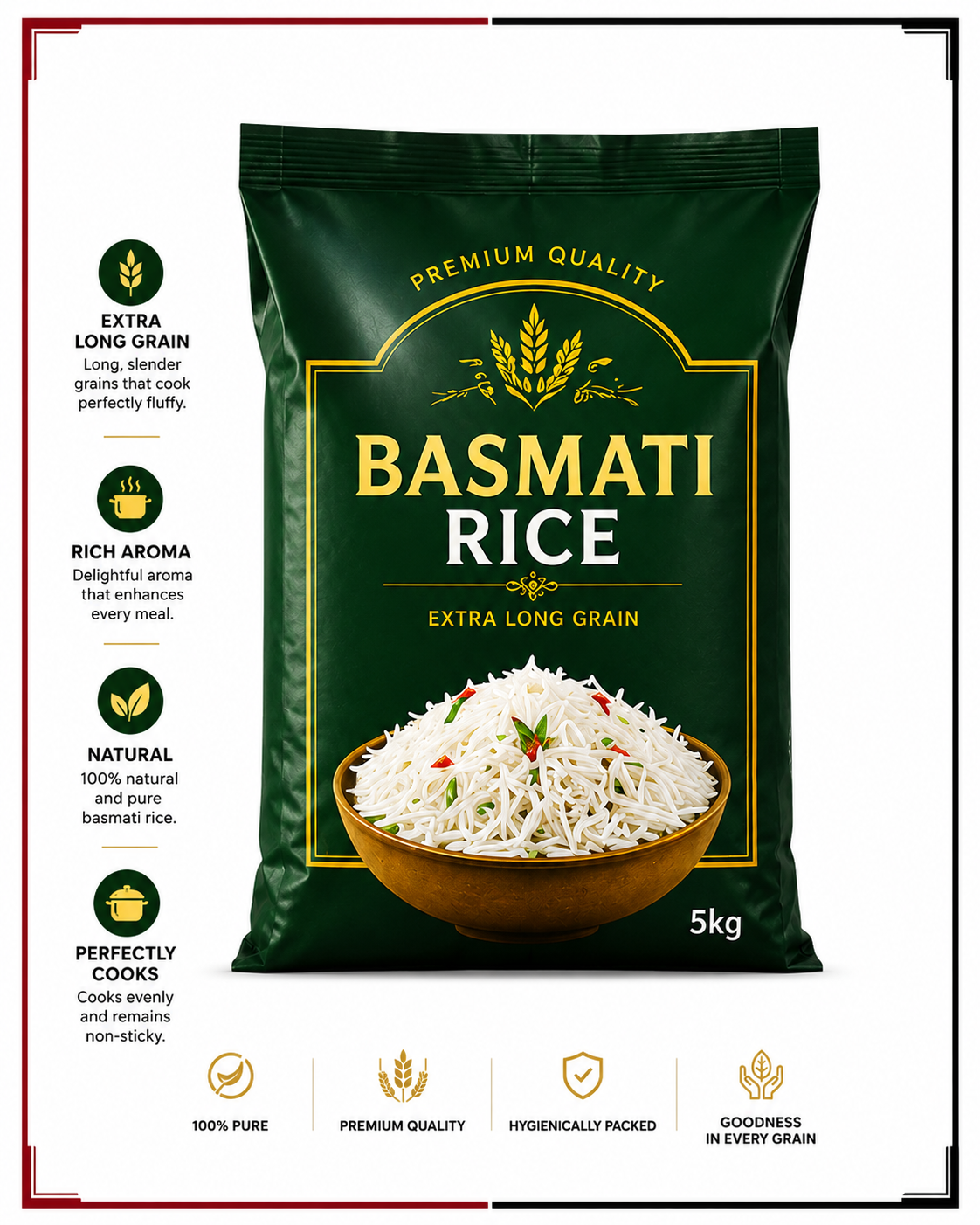
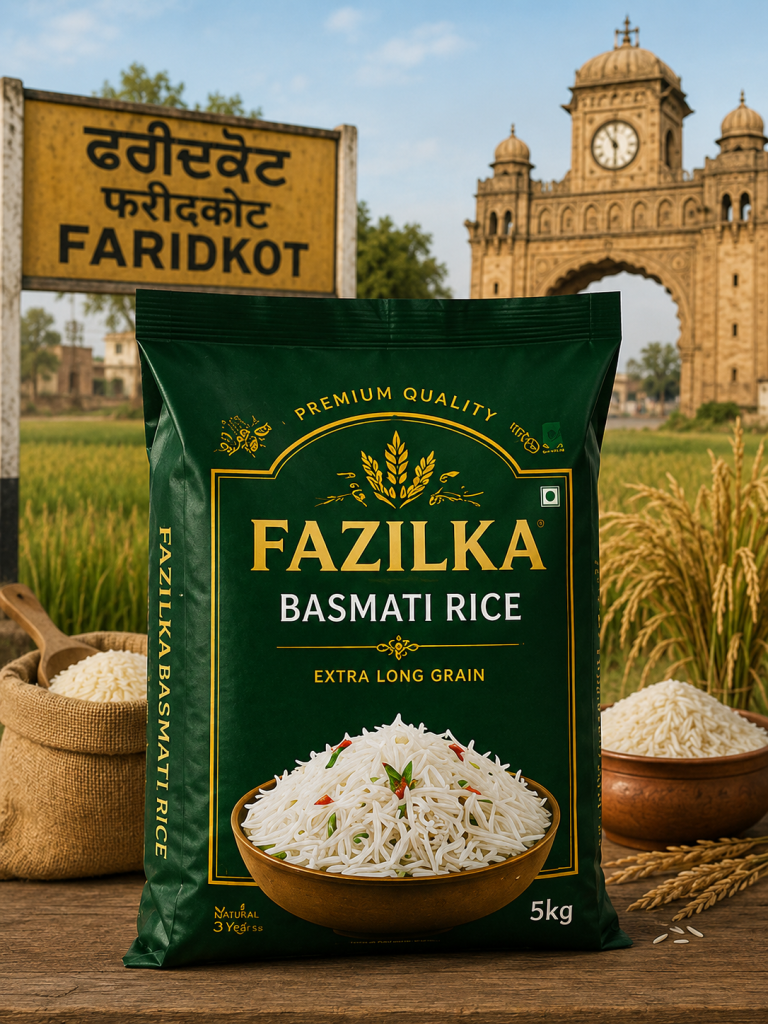
Punjab is known as the food bowl of India, and Faridkot has become one of its important agricultural hubs for premium rice production. Choosing the right Basmati Rice Manufacturer Faridkot ensures consistent quality, authentic aroma, and international food safety standards. Whether you are a wholesaler, exporter, retailer, restaurant owner, or individual buyer, selecting a trusted manufacturer directly impacts product quality and customer satisfaction.
This guide explains everything you need to know about Basmati rice manufacturing in Faridkot, including production methods, quality standards, benefits, challenges, buying tips, and frequently asked questions.
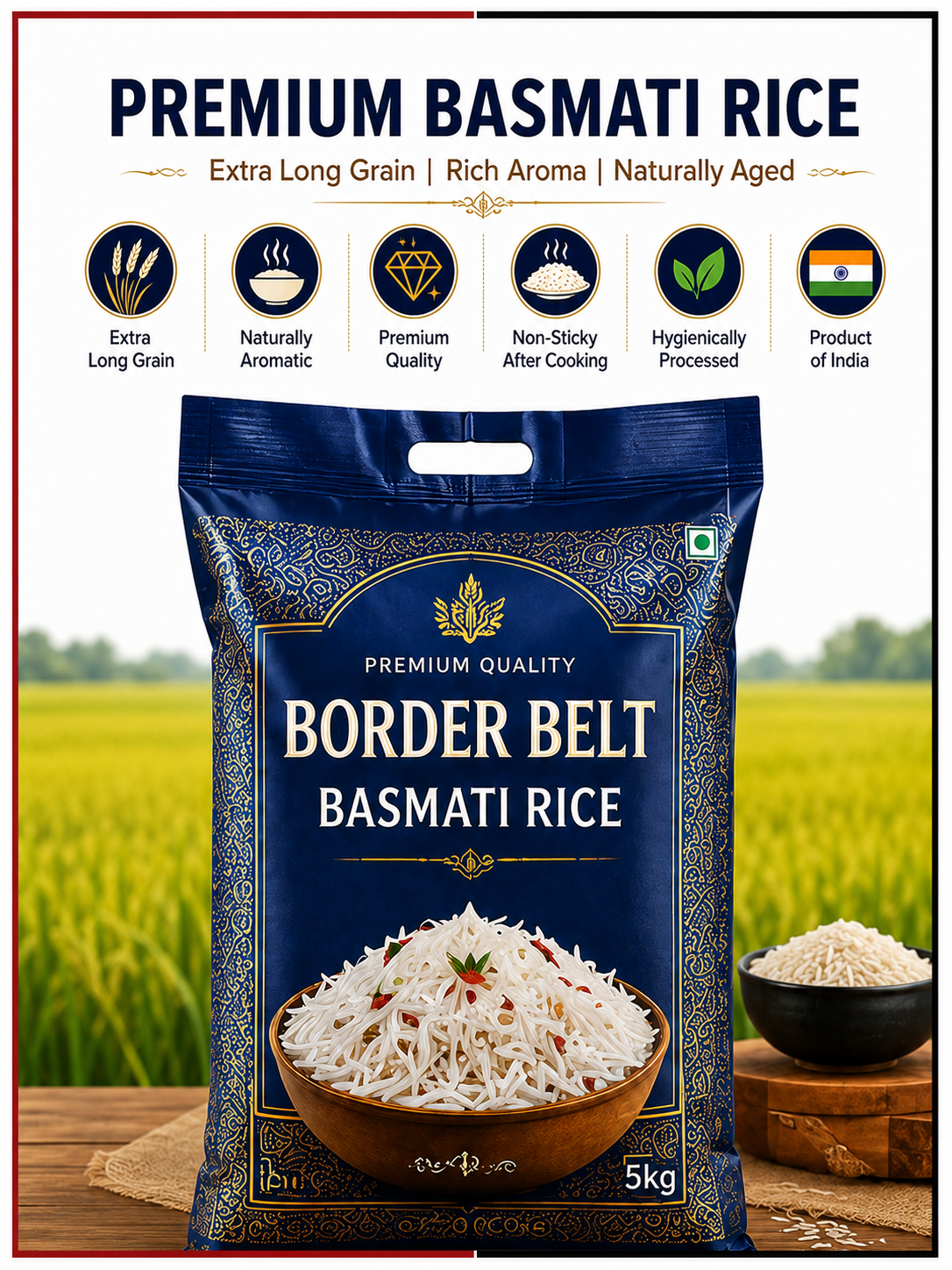
What Is Basmati Rice Manufacturing?
Quick Definition
A Basmati Rice Manufacturer Faridkot is a company that procures premium paddy, processes it using modern milling technology, ages the rice, performs quality checks, and supplies aromatic long-grain Basmati rice to domestic and international markets while maintaining food safety and quality standards.
Detailed Explanation
Basmati rice manufacturing involves much more than milling paddy. It begins with sourcing premium-quality paddy from experienced farmers. The harvested crop undergoes drying, cleaning, milling, polishing (if required), grading, aging, packaging, and quality inspection before reaching consumers.
Faridkot’s fertile soil, favorable climate, and modern rice mills make it an ideal location for producing export-quality Basmati rice.
Key Components
- Premium paddy procurement
- Modern rice milling facilities
- Grain aging process
- Color sorting technology
- Quality grading
- Moisture testing
- Hygienic packaging
- Domestic and export distribution

Why Is Basmati Rice Manufacturer Faridkot Important?
Direct Answer
Faridkot-based manufacturers play an important role in producing high-quality Basmati rice by combining Punjab’s agricultural expertise with modern processing technology. They help maintain grain purity, aroma, food safety, and export standards while supporting local farmers and the agricultural economy.
Detailed Explanation
Quality manufacturers ensure consistency from farm to table. They invest in advanced machinery, trained professionals, and rigorous quality inspections.
Benefits for Buyers
- Authentic long-grain Basmati
- Superior aroma
- Better cooking performance
- Consistent quality
- Export-grade standards
- Reliable supply chain
Business Value
Manufacturers contribute to:
- Agricultural growth
- Employment generation
- Export revenue
- Farmer partnerships
- Global reputation of Indian Basmati
Current Industry Importance
Growing international demand for Indian Basmati has increased the need for manufacturers capable of maintaining premium quality while meeting global food safety regulations.
How Does Basmati Rice Manufacturing Work?
Direct Answer
The manufacturing process includes paddy procurement, cleaning, milling, grading, aging, quality testing, packaging, and distribution. Each step helps preserve the rice’s natural aroma, texture, and nutritional quality.
Step 1: Paddy Procurement
Manufacturers purchase mature, high-quality Basmati paddy from trusted farmers.
Example:
- Fresh harvest
- Proper moisture level
- Healthy grains
Step 2: Processing and Milling
The paddy passes through several machines that remove husk and impurities.
Processes include:
- Cleaning
- De-husking
- Whitening
- Polishing (optional)
- Color sorting
- Length grading
Step 3: Aging and Packaging
Premium Basmati rice is often aged for several months to improve:
- Aroma
- Grain elongation
- Cooking quality
- Taste
Finally, it is packed using hygienic packaging systems.
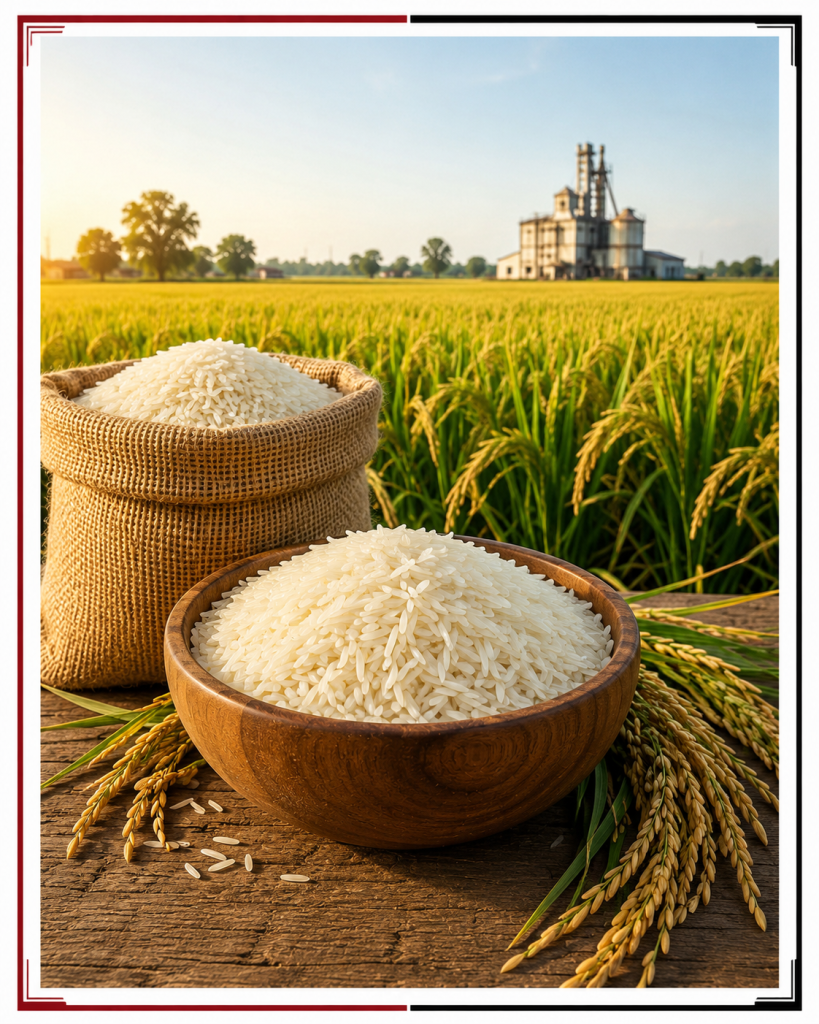
Benefits of Choosing a Basmati Rice Manufacturer Faridkot
Direct Answer
Working with a reliable manufacturer ensures premium grain quality, authentic aroma, consistent supply, food safety compliance, and better value for wholesalers, exporters, retailers, and consumers.
1. Superior Grain Quality
High-quality processing removes damaged grains and impurities.
Outcome: Better appearance and cooking results.
2. Natural Aroma
Proper aging enhances the signature fragrance.
Outcome: Richer flavor in every meal.
3. Longer Grain Length
Advanced grading improves grain uniformity.
Outcome: Attractive presentation after cooking.
4. Export Standards
Manufacturers follow strict quality controls.
Outcome: Global market acceptance.
5. Hygienic Processing
Modern machinery minimizes contamination.
Outcome: Safe food products.
6. Consistent Supply
Large production capacity ensures year-round availability.
Outcome: Reliable procurement.
7. Better Packaging
High-quality packaging preserves freshness.
Outcome: Longer shelf life.
8. Farmer Support
Manufacturers often work directly with local farmers.
Outcome: Sustainable agricultural development.
Challenges and Common Mistakes
Direct Answer
Common issues include selecting suppliers solely based on price, ignoring certifications, overlooking packaging quality, and failing to verify grain authenticity. Careful supplier evaluation helps avoid these problems.
Problem: Low-Quality Paddy
Cause
Poor sourcing practices.
Solution
Partner with experienced manufacturers.
Problem: Broken Rice Percentage
Cause
Outdated milling equipment.
Solution
Choose manufacturers using advanced machinery.
Problem: Poor Packaging
Cause
Low-quality materials.
Solution
Use moisture-resistant food-grade packaging.
Problem: Inconsistent Aroma
Cause
Insufficient aging.
Solution
Purchase properly aged Basmati rice.
Problem: Quality Variations
Cause
Weak quality control.
Solution
Select manufacturers with strict inspection systems.
Best Practices and Expert Tips
Answer
Evaluating certifications, processing technology, grain quality, and supply consistency helps buyers select reliable Basmati rice manufacturers.
- Verify food safety certifications.
- Inspect milling technology.
- Check grain length consistency.
- Ask about rice aging duration.
- Evaluate packaging quality.
- Review moisture control methods.
- Request product samples.
- Confirm export experience.
- Understand storage practices.
- Build long-term supplier relationships.
Comparison Table
| Feature | Premium Basmati Manufacturer | Ordinary Rice Supplier |
|---|---|---|
| Grain Length | Extra Long | Medium |
| Aroma | Strong Natural Aroma | Mild |
| Aging | Yes | Usually No |
| Quality Testing | Multiple Stages | Limited |
| Packaging | Food Grade | Basic |
| Export Capability | High | Limited |
| Consistency | Excellent | Variable |
| Traceability | Better | Limited |
Answer
Faridkot manufacturers benefit from Punjab’s fertile agricultural environment, experienced farmers, and advanced rice processing facilities, producing premium-quality Basmati rice suitable for domestic and export markets.
Answer
Basmati rice has longer grains, a distinctive aroma, fluffy texture, and greater grain elongation after cooking compared to ordinary rice varieties.
Answer
Yes. Properly aged Basmati rice generally cooks better, develops a richer aroma, and produces longer, separate grains after cooking.
Answer
Manufacturers inspect moisture content, grain length, purity, broken percentage, color, aroma, and overall appearance before packaging.
Answer
Yes. Faridkot’s fertile soil, irrigation facilities, and favorable climate support quality paddy cultivation and efficient rice processing.
Answer
Buyers should verify food safety, quality management, export compliance, and hygiene certifications applicable to the target market.
Answer
Yes. Most established manufacturers supply wholesalers, exporters, hotels, retailers, and institutional buyers in large volumes.
Answer
Store rice in a cool, dry place using airtight containers to preserve aroma, freshness, and grain quality.
Key Takeaways
- Faridkot is a major agricultural region for premium Basmati rice.
- Modern manufacturers use advanced milling technology.
- Proper aging improves aroma and cooking quality.
- Quality testing ensures food safety and consistency.
- Food-grade packaging protects freshness.
- Reliable manufacturers support domestic and export markets.
- Strong farmer partnerships improve raw material quality.
- Selecting certified suppliers reduces business risks.
Final Verdict
Faridkot has earned a strong reputation for producing premium-quality Basmati rice through modern processing, experienced farming communities, and rigorous quality control. Buyers should evaluate manufacturers based on certifications, processing technology, grain quality, packaging standards, and supply reliability rather than price alone. A trusted supplier can provide consistent quality, better customer satisfaction, and long-term business value.
Conclusion
Selecting the right Basmati Rice Manufacturer Faridkot is essential for obtaining premium-quality rice with exceptional aroma, long grains, and reliable consistency. Modern processing, careful aging, strict quality inspections, and hygienic packaging all contribute to delivering superior products for domestic and international markets. Whether you are sourcing rice for retail, hospitality, or export, partnering with a reputable manufacturer helps ensure long-term quality, dependable supply, and customer satisfaction.
| Organization | Phone No | Website |
| Faridkot Rice Mills Private Limited | 9814345678 | Visit Website |
| Guru Nanak Agro Overseas | 9876112345 | Visit Website |
| Baba Farid Rice Engineering | 9888412345 | Visit Website |
| Deep Rice Agro Industries | 9464098765 | Visit Website |
| Malwa Rice Processing Complex | 9815012345 | Visit Website |
| Sadiq Agro Foods Industry | 9417123456 | Visit Website |
| Satnam Rice and General Mills | 9814012345 | Visit Website |
Leave a Reply