Pulse-Based Products in Maharashtra: Types, Benefits and Uses
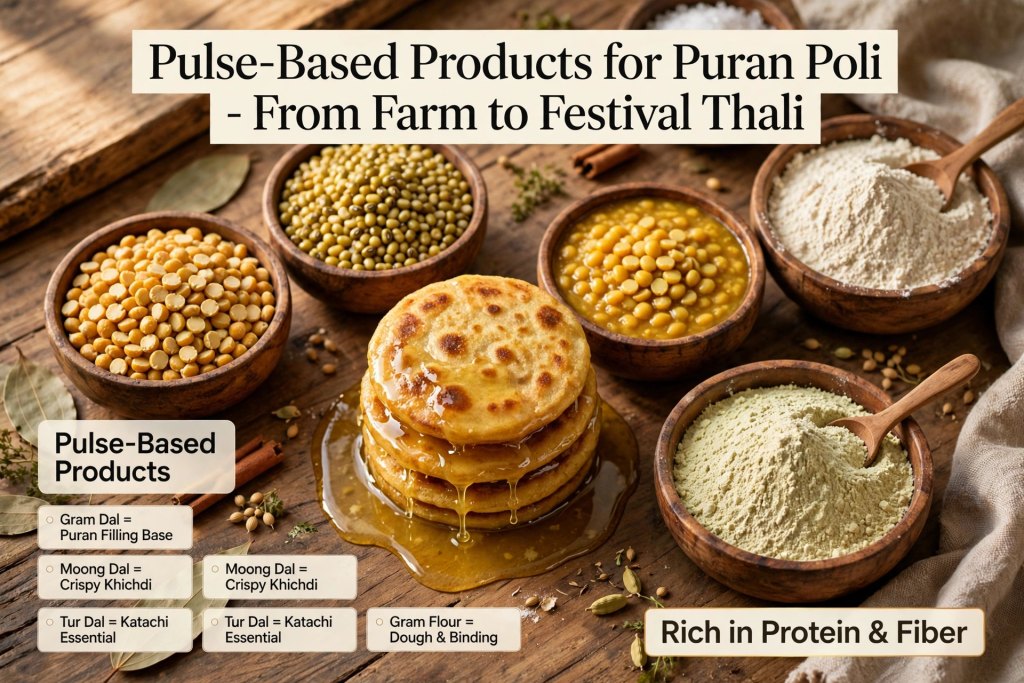
Pulse-based foods are an important part of everyday meals across Maharashtra. From protein-rich dal and besan to whole gram and moong, these products support household nutrition and local food businesses. Pulse-based products (gram, moong, tur dal, flour) in Maharashtra are widely used in traditional recipes, restaurants, food processing units, and retail markets.
Maharashtra has a strong agricultural tradition, with pulses grown in several regions. Farmers, traders, millers, wholesalers, and retailers all contribute to the pulse supply chain. Products such as tur dal, moong dal, chana, and gram flour reach consumers through local markets, grocery stores, supermarkets, and online platforms.
Understanding these products helps consumers choose suitable foods and helps businesses identify useful market opportunities. This article explains the main pulse-based products, their nutritional value, processing methods, benefits, common challenges, and practical tips for buying and storing them.
What Are Pulse-Based Products?
Pulse-based products are foods made from the edible seeds of legume crops. They include whole gram, split moong, tur dal, and flour made from gram or other pulses. In Maharashtra, these products are used in everyday meals, snacks, traditional dishes, and commercial food production.
Understanding Pulse-Based Products (Gram, Moong, Tur Dal, Flour) in Maharashtra
Pulses are the dried edible seeds of legume plants. They are valued for their protein, fibre, minerals, versatility, and relatively long shelf life when stored correctly.
Pulse-based products may be sold whole, split, polished, unpolished, or ground into flour. Each form serves a different cooking purpose.
For example, tur dal is commonly used to prepare varan, amti, and everyday dal. Moong is used in khichdi, usal, and sprouts. Gram flour, also called besan, is used for bhaji, pithla, ladoos, and many Indian snacks.
These products also have commercial value. Pulse mills process raw pulses into market-ready products, while wholesalers and retailers supply them to homes, restaurants, caterers, and food manufacturers.
Key Types of Pulse-Based Products
- Gram (chana): Whole chickpeas used in curries, snacks, and other dishes.
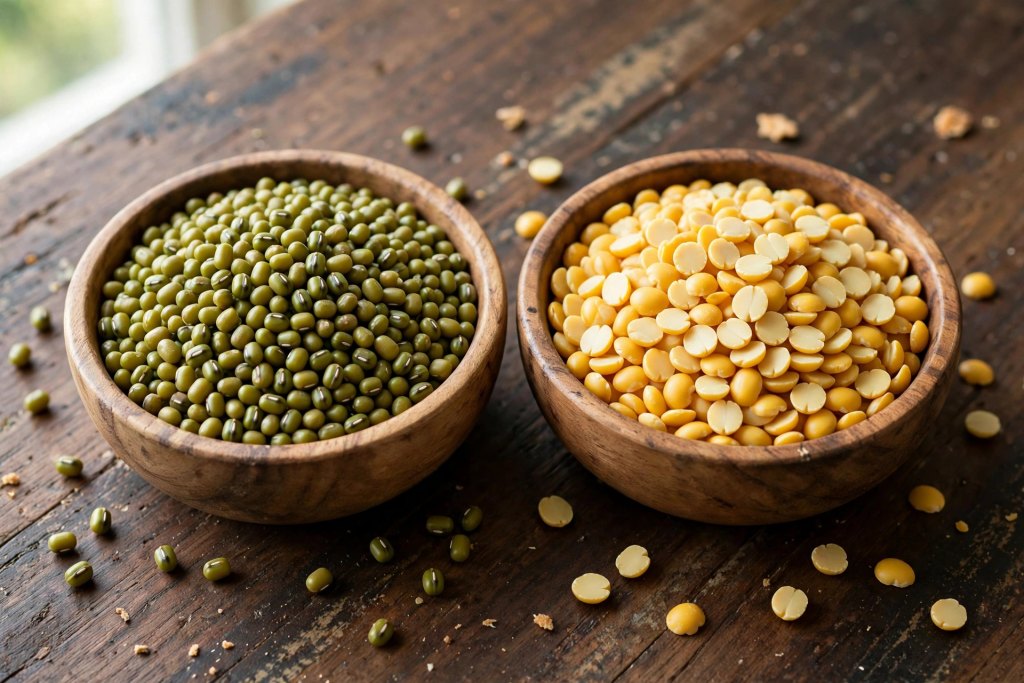
- Moong: Green gram sold whole, split with skin, or as yellow moong dal.
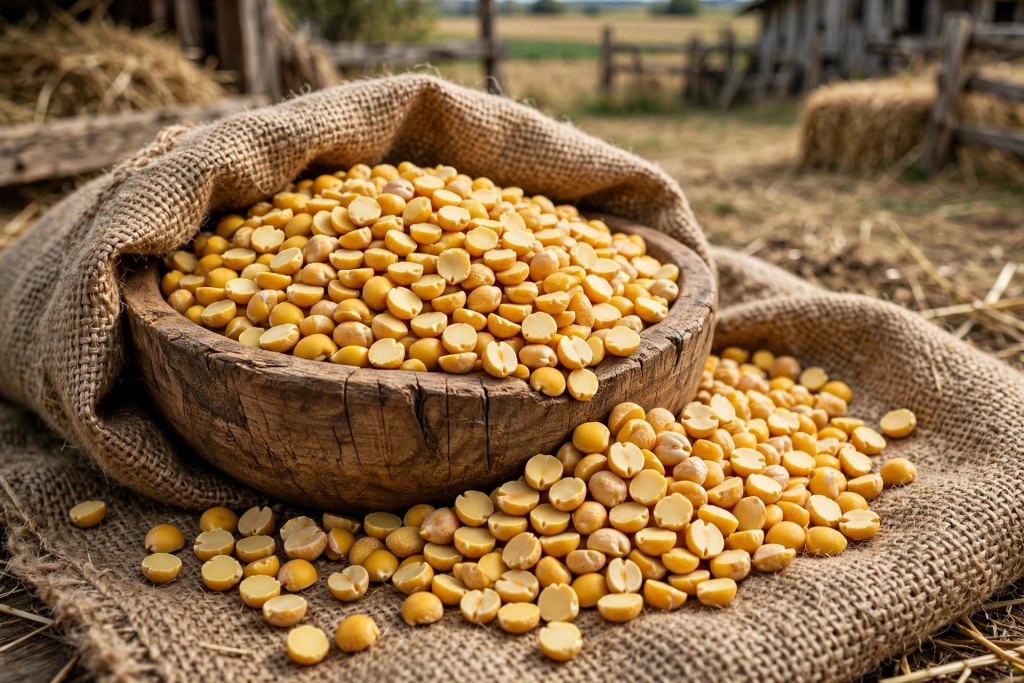
- Tur dal: Split pigeon peas used in everyday meals and traditional Maharashtrian recipes.
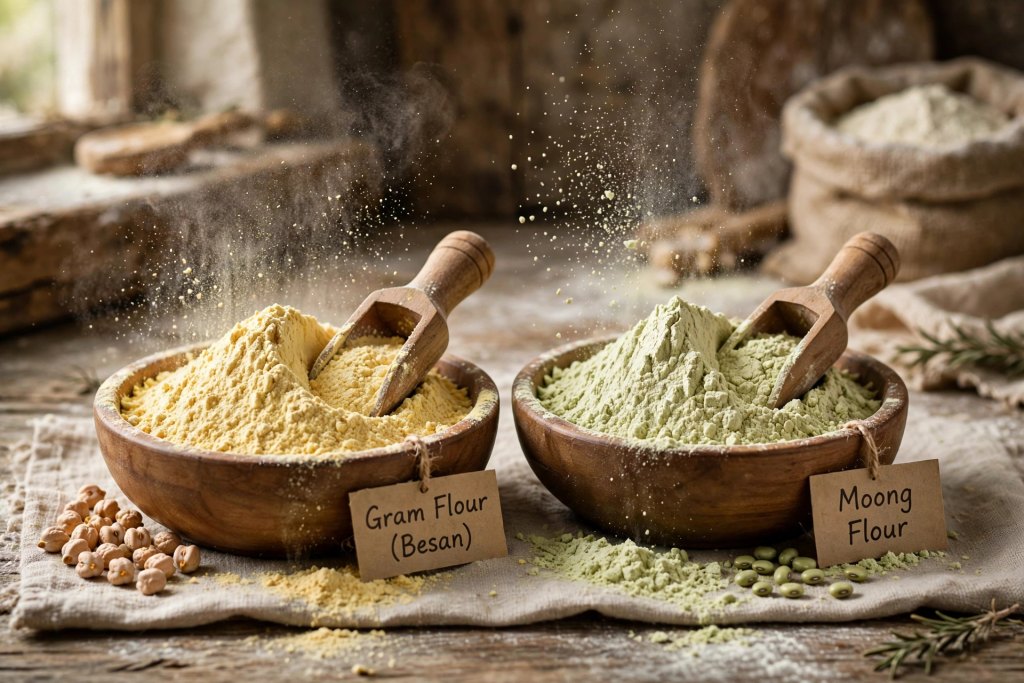
- Gram flour (besan): Flour made from ground chana dal, widely used in snacks, curries, and sweets.
- Other pulse flours: Depending on the product, these may include moong flour or flour made from other legumes.
The exact product range depends on local demand, crop availability, processing capacity, and consumer preferences.
Why Are Pulse-Based Products Important in Maharashtra?
Pulse-based products are important in Maharashtra because they provide useful sources of plant protein and form part of many traditional meals. They also support farmers, processors, traders, and retailers. Their demand comes from households, restaurants, snack manufacturers, caterers, and food businesses that use pulses throughout the year.
Agricultural and Economic Importance
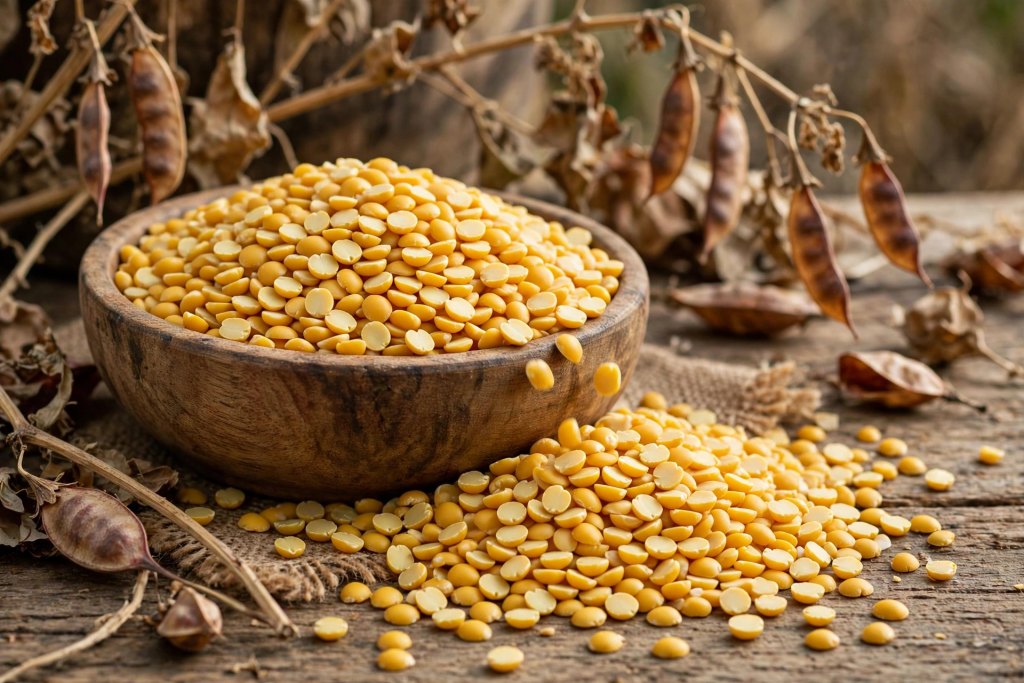
Pulses contribute to Maharashtra’s agricultural economy. Tur, gram, and moong are cultivated in different parts of the state, although production levels vary with rainfall, soil conditions, crop prices, and seasonal factors.
Pulses also play a role in crop rotation. Like other legumes, they can form relationships with soil bacteria that fix atmospheric nitrogen. This may benefit soil fertility, depending on farming practices and local conditions.
After harvest, pulses move through several stages:
- Farmers sell crops to traders, cooperatives, or market yards.
- Processors clean, grade, dehusk, split, or grind the products.
- Wholesalers distribute them to retailers and food businesses.
- Consumers buy the products for cooking and food preparation.
Each stage creates opportunities for businesses. For example, a pulse mill may supply tur dal to grocery wholesalers, while a small food manufacturer may buy besan to produce packaged snacks.
Practical Relevance for Consumers and Businesses
For households, pulses offer affordable ways to add variety and plant protein to meals. For businesses, they provide raw materials for many products.
Common commercial uses include:
- Grocery retail and wholesale distribution
- Flour milling and pulse processing
- Restaurant and catering operations
- Packaged snacks and ready-to-cook foods
- Traditional sweets and savoury products
- Institutional kitchens and food service
Businesses should assess local demand, supplier reliability, storage facilities, transport costs, and applicable food safety rules before entering the market.
How Are Pulse-Based Products Processed?
Pulse-based products are generally made through cleaning, grading, processing, and packaging. The exact steps depend on whether the final product is whole gram, split dal, or flour. Proper handling helps reduce foreign matter, maintain product quality, and protect the food during storage and transport.
Step 1: Cleaning and Grading
Raw pulses may contain dust, small stones, plant material, or damaged seeds. Processors use sieves, air separation, and other suitable equipment to remove unwanted material.
Grading separates pulses by size, quality, or other commercial specifications. This helps create more consistent batches for milling and retail.
Step 2: Splitting or Grinding
The next step depends on the product.
- Tur dal: Pigeon peas are processed to remove the outer covering and split the seed.
- Moong dal: Green gram is processed into whole, split, or dehusked forms.
- Gram flour: Chana dal is ground into a fine flour and screened to obtain a consistent texture.
- Whole gram: Chickpeas may be cleaned, graded, and packed without splitting.
Processing methods vary between mills. Moisture conditioning and other treatments may be used during dal milling, depending on the equipment and product specifications.
Step 3: Quality Checks and Packaging
Processors inspect the finished product for cleanliness, appearance, moisture, and other relevant quality characteristics. Flour may also need checks for texture, foreign matter, and possible contamination.
Products are then packed in suitable food-grade packaging. Labels should accurately identify the product and meet applicable requirements. In India, packaged food businesses should follow relevant Food Safety and Standards Authority of India (FSSAI) rules.
For example, a retailer buying besan in bulk should check the supplier, packaging condition, batch information, and product quality before accepting the stock.
Benefits of Pulse-Based Products
Pulse-based products provide nutritional, culinary, and commercial benefits. They supply plant protein and dietary fibre, suit many traditional recipes, and can be stored for extended periods when kept dry and protected. Their value depends on the product type, preparation method, portion size, and quality of handling.
1. Plant-Based Protein
Pulses provide plant protein, which helps the body build and repair tissues. They are useful for people who want to include more plant foods in their diet.
Combining pulses with cereals, such as dal with rice or roti, can improve the overall balance of dietary amino acids across meals.
2. Dietary Fibre
Whole gram and many pulse products contain dietary fibre. Fibre supports normal digestion and can help make meals more filling.
The fibre content varies. Whole pulses generally retain more of their original structure than highly refined products, while dehulling and processing can change the final nutritional profile.
3. Versatile Cooking Uses
Pulses work in many recipes, from simple dal and khichdi to pithla, usal, bhaji, and snacks.
This versatility helps households plan different meals using familiar ingredients. Restaurants and food manufacturers also benefit from ingredients that can serve many purposes.
4. Convenient Storage
Dried pulses usually keep well when stored in clean, dry, airtight containers. This makes them useful for household pantries, retail stock, and commercial kitchens.
However, shelf life depends on moisture, packaging, temperature, pests, and handling. Flour may lose quality faster than whole pulses because grinding increases its exposure to air and moisture.
5. Business Opportunities
Pulse-based products support several business models, including milling, wholesale distribution, retail packaging, and snack manufacturing.
A small retailer, for example, can offer whole gram, moong dal, tur dal, and besan in different pack sizes. Success still depends on buying prices, product quality, competition, demand, and stock management.
Challenges and Common Mistakes
Pulse-based products are useful, but poor storage, inconsistent quality, and unsuitable processing can create problems. Consumers may experience long cooking times or poor taste, while businesses can face stock losses, customer complaints, and reduced profit margins. Most issues can be reduced through careful sourcing and proper handling.
| Problem | Possible cause | Practical solution |
|---|---|---|
| Pulses take too long to cook | Old stock or inadequate soaking | Buy fresh stock and soak suitable pulses |
| Flour develops an unusual smell | Moisture, heat, or oxidation | Store in a cool, dry place and use promptly |
| Products contain foreign matter | Poor cleaning or handling | Inspect stock and choose reliable suppliers |
| Dal has inconsistent quality | Mixed grades or variable processing | Set clear purchasing specifications |
| Stock suffers pest damage | Poor storage or packaging | Use sealed containers and inspect inventory |
| Business margins decline | Price changes or excess inventory | Track costs and purchase according to demand |
Consumers should not use food that shows signs of mould, dampness, or spoilage. Businesses should maintain traceable purchasing records and follow suitable cleaning and pest-control procedures.
Best Practices for Buying and Storing Pulse Products
Following a few simple practices can help consumers and businesses maintain quality and reduce waste.
- Buy from reliable suppliers. Check the supplier’s reputation and product consistency.
- Inspect the appearance. Avoid products with visible insects, excess dust, or damaged packaging.
- Check labels. Review the product name, net quantity, batch details, date information, and other required declarations.
- Compare prices carefully. Consider quality, pack size, transport, and wastage rather than price alone.
- Store pulses in dry containers. Keep them away from moisture and direct sunlight.
- Rotate stock. Use older suitable stock first while following date and quality checks.
- Keep flour protected. Seal besan and other pulse flours after opening to limit moisture and contamination.
- Use separate scoops. This helps maintain hygiene in retail and commercial settings.
- Plan purchases around demand. Businesses should avoid buying more stock than they can store and sell safely.
- Keep supplier records. Commercial buyers should record invoices, batch details, and quality concerns.
For food businesses, quality checks should be part of routine operations, not something done only when a problem appears.
Comparison of Major Pulse-Based Products
Different pulses suit different cooking needs. The best choice depends on the recipe, desired texture, cooking time, nutritional needs, and price.
| Product | Main form | Common uses | Key consideration |
|---|---|---|---|
| Gram (chana) | Whole chickpeas | Curries, roasted snacks, salads | Often benefits from soaking |
| Moong | Whole or split green gram | Khichdi, dal, sprouts, usal | Cooking time varies by form |
| Tur dal | Split pigeon peas | Varan, amti, everyday dal | Texture depends on cooking and variety |
| Gram flour (besan) | Ground chana dal | Pithla, bhaji, ladoos, snacks | Keep dry and sealed |
| Moong flour | Ground moong | Selected batters and regional recipes | Availability varies by market |
Gram flour is not the same as ordinary wheat flour. It is made from chickpeas and has different cooking properties. Likewise, whole moong and split moong dal are not interchangeable in every recipe.
Frequently Asked Questions
1. Which pulse-based products are popular in Maharashtra?
Tur dal, moong, gram, and gram flour are commonly used across Maharashtra. They appear in household meals, traditional snacks, and restaurant dishes. Availability and preferences vary by region and season. Local grocery stores, wholesale markets, cooperatives, and food retailers are common places to purchase these products.
2. What is the difference between gram and gram flour?
Gram usually refers to whole chickpeas, while gram flour, or besan, is made by grinding chana dal. Whole gram is used in curries and snacks, whereas besan is used in pithla, bhaji, ladoos, and batters. The two products have different textures and cooking applications.
3. Is tur dal grown in Maharashtra?
Yes, tur dal comes from pigeon pea crops cultivated in Maharashtra and other Indian states. Production varies by season, rainfall, growing conditions, and agricultural practices. The dal sold in local markets may come from different districts or states, so its exact origin should be checked with the supplier when needed.
4. Are moong and tur dal good sources of protein?
Yes, moong and tur dal provide plant-based protein. They also supply other nutrients, although the exact amounts vary with the product and preparation method. Including pulses as part of a varied diet can help people meet their protein needs. Individual requirements depend on age, activity, and health.
5. What is gram flour used for in Maharashtra?
Gram flour is widely used to prepare pithla, bhaji, pakoras, ladoos, and other savoury or sweet foods. It can also serve as a thickener or coating in selected recipes. Its mild, nutty flavour and ability to form a batter make it useful in home cooking and commercial food production.
6. How should pulse-based products be stored?
Store dried pulses in clean, dry, sealed containers away from heat, sunlight, and moisture. Keep flour tightly closed after opening and check it for unusual smells or signs of pests. Commercial storage areas should be clean, dry, and managed with regular stock rotation and pest-control checks.
7. Are pulse-based products suitable for a vegetarian diet?
Yes, pulses are widely used in vegetarian diets because they provide plant protein and can be prepared in many ways. Pairing them with grains, vegetables, and other foods adds variety to meals. People with specific dietary needs should consider the ingredients, preparation method, and their overall nutritional requirements.
8. How can a business start selling pulse-based products in Maharashtra?
A business can begin by researching local demand, identifying reliable suppliers, and choosing a suitable product range. It should calculate purchase, packaging, transport, storage, and selling costs. Businesses handling packaged foods must also check applicable FSSAI registration or licensing requirements and other legal obligations before operating.
Key Takeaways
- Pulse-based products include gram, moong, tur dal, and pulse flours such as besan.
- They are important in Maharashtrian cooking and the state’s agricultural supply chain.
- Pulses provide plant protein, dietary fibre, and a wide range of cooking options.
- Cleaning, grading, milling, and packaging help prepare pulses for consumers.
- Proper storage protects quality and reduces pest damage and food waste.
- Businesses should evaluate supplier quality, demand, pricing, food safety, and stock levels.
- Whole pulses, split dal, and flour serve different culinary purposes.
Final Verdict: Pulse-Based Products in Maharashtra
Pulse-based products remain essential to Maharashtra’s food culture and food supply chain. Gram, moong, tur dal, and gram flour serve households, restaurants, caterers, retailers, and food processors. They offer nutritional value, recipe flexibility, and opportunities for businesses that manage quality and costs carefully.
Consumers should select clean products, check packaging, and store pulses in dry conditions. Businesses should build reliable supplier relationships, maintain quality checks, and monitor market demand before expanding their product range.
Pulse-based products (gram, moong, tur dal, flour) in Maharashtra offer practical value for both consumers and food businesses. Start by identifying the products most relevant to your needs, compare trusted suppliers, and choose quality and safe handling over price alone.