Cuttack Silver Filigree (Tarakasi): History, Art, and Craftsmanship
Introduction
Odisha is famous for traditional handicrafts that reflect the creativity and cultural heritage of its artisan communities. Among these crafts, Cuttack Silver Filigree, locally known as Tarakasi, is especially admired for its delicate patterns and detailed workmanship.
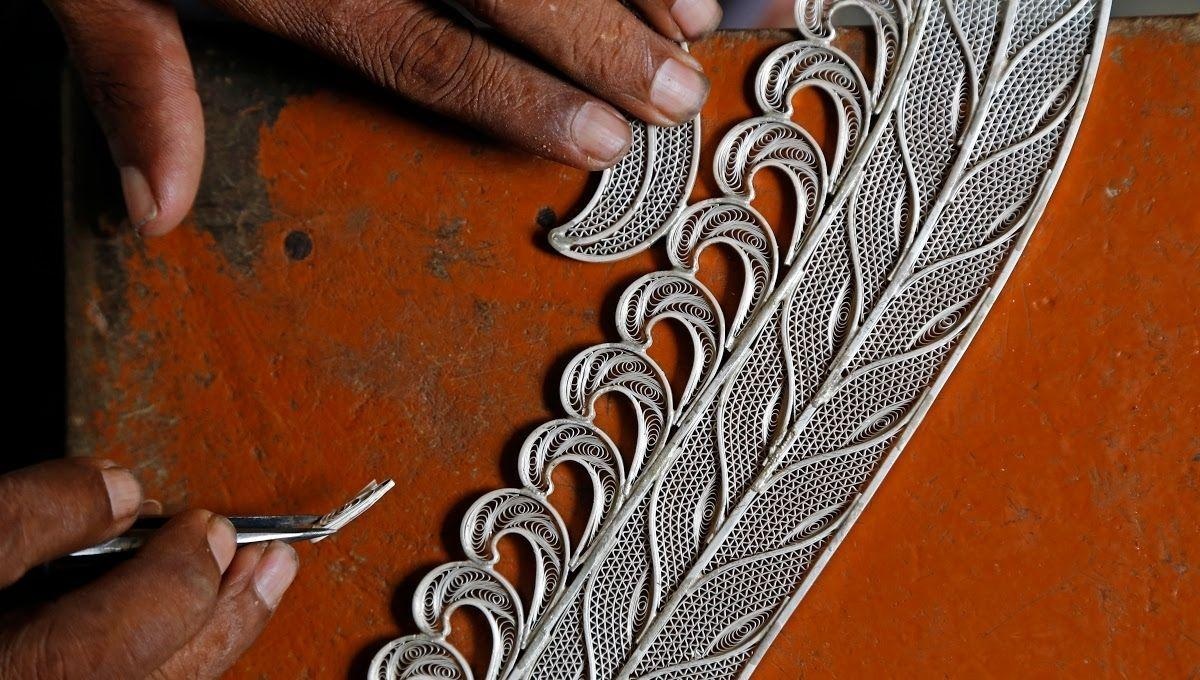
This traditional craft involves shaping fine silver wires into intricate jewelry, decorative objects, and artistic designs. Artisans combine patience, precision, and experience to create pieces that can appear almost lace-like.
Cuttack, one of Odisha’s historic cities, is the principal centre associated with this craft. Jewelry enthusiasts, collectors, and people interested in traditional Indian metalwork value Tarakasi.
Today, Cuttack Silver Filigree represents both a cultural tradition and a specialized form of metal craftsmanship.
What Is Cuttack Silver Filigree?
Cuttack Silver Filigree is a traditional metal craft in which artisans use fine silver wires to create intricate decorative patterns. The wires are carefully shaped, arranged, and joined to form jewellery, ornaments, miniature objects, and decorative artworks.
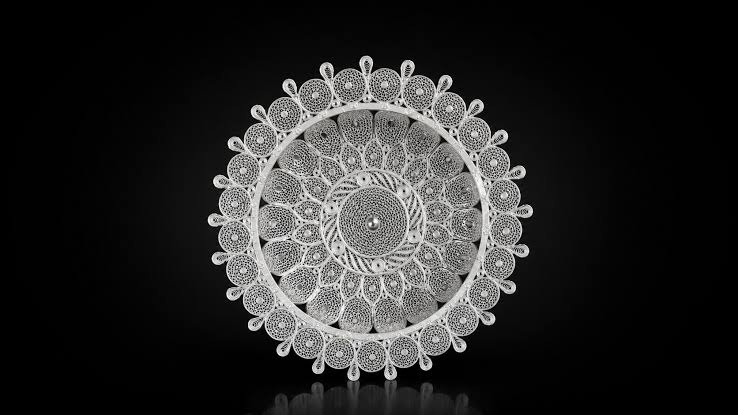
Unlike solid metal designs, filigree relies on delicate wirework and carefully constructed patterns. Flowers, leaves, spirals, geometric shapes, and other motifs are commonly used.
The finished pieces are known for their fine detail and lightweight appearance.
Key Features of Tarakasi
- Fine silver-wire construction
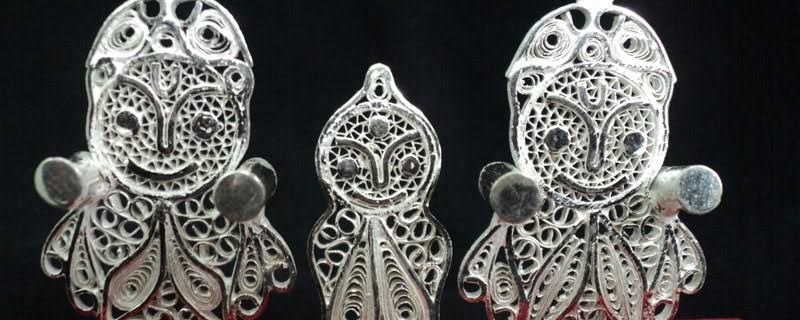
- Intricate floral and geometric patterns
- Detailed handmade workmanship
- Jewellery and decorative products
- Traditional designs inspired by Odisha’s culture
- Miniature artistic objects, including boats and other symbolic forms
History and Cultural Significance
Cuttack Silver Filigree has a long association with Odisha’s metalworking traditions. Historical accounts describe filigree objects being produced for jewelry, decorative use, and trade.
The craft reflects the technical knowledge required to transform silver into delicate patterns without losing the design’s structure.
Silver filigree is also associated with Odisha’s maritime heritage. Miniature silver boats are among the objects that connect the craft with the region’s historical trading traditions.
Tarakasi continues to represent Cuttack’s identity as an important center of traditional craftsmanship.
Cultural Importance
Preserving traditional skills: Artisans pass specialised wireworking techniques between generations.
Supporting livelihoods: Filigree production provides work for skilled craftspeople.
Representing local identity: Tarakasi is closely associated with Cuttack’s cultural heritage.
Promoting Indian handicrafts: Its intricate designs attract collectors and people interested in traditional jewellery.
Materials Used in Silver Filigree
The principal material is silver, which artisans work into fine wires and decorative elements.
The process may also require tools for drawing, cutting, shaping, holding, and joining the wires.
The precise materials and finishing methods vary according to the product and artisan.
How Is Tarakasi Made?
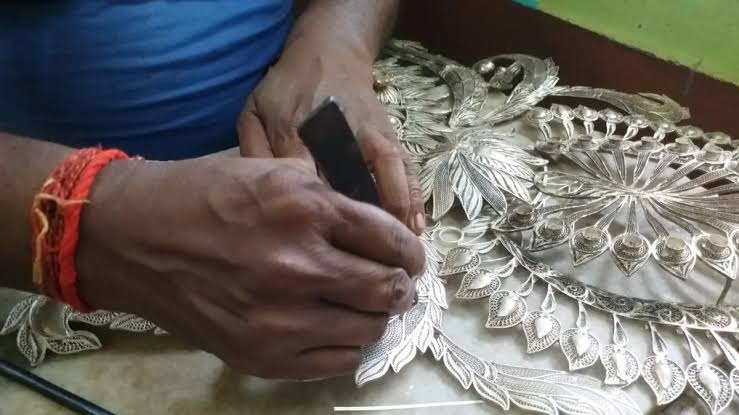
The process generally includes these stages:
- Preparing the silver: Silver is prepared for working into fine wire.
- Drawing the wire: The metal is drawn into thin strands suitable for intricate designs.
- Creating patterns: Artisans bend and shape the wires into decorative elements.
- Arranging the design: Individual pieces are positioned to create the intended pattern.
- Joining the wires: The elements are carefully joined using suitable metalworking techniques.
- Finishing the object: The finished piece is cleaned and polished to highlight its details.
Complex designs require considerable patience and precision.
Popular Products
Cuttack silver filigree artisans create a wide variety of objects, including
- Earrings and necklaces
- Bracelets and bangles
- Pendants and brooches
- Decorative silver boats
- Floral ornaments
- Miniature sculptures
- Gift items and keepsakes
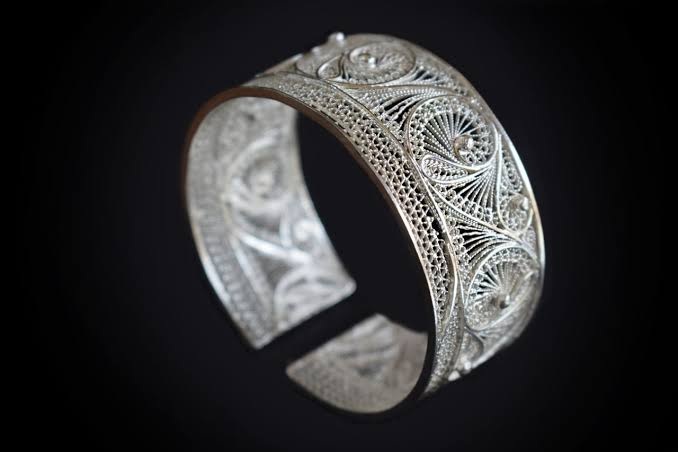
Product designs vary according to traditional practices, customer preferences, and contemporary trends.
Benefits of Cuttack Silver Filigree
1. Intricate Artistic Design
Fine silver wires allow artisans to create patterns that are difficult to reproduce through ordinary solid-metal shaping.
2. Cultural Value
Tarakasi reflects Cuttack’s artistic heritage and the experience of its traditional metalworkers.
3. Jewelry and Decorative Uses
The craft offers products suitable for personal jewelry, gifts, collections, and interior decoration.
4. Artisan Livelihoods
Responsible purchasing can help support the craftspeople who preserve these specialised skills.
Challenges Facing Tarakasi
Rising silver prices: Higher material costs can make finished pieces more expensive. Artisans and sellers must explain material quality and labor costs clearly.
Competition: Machine-made jewellery can compete with handmade products on price. Sellers can highlight the detailed workmanship of genuine filigree.
Changing preferences: Contemporary customers may prefer modern designs. Artisans can introduce new patterns while preserving traditional techniques.
Market access: Smaller workshops may struggle to reach customers outside their local markets. Responsible online marketplaces and craft exhibitions can improve visibility.
Best Practices for Buying Authentic Tarakasi
- Purchase from reputable artisans or established craft retailers.
- Ask whether the item is made from solid silver or another material.
- Request information about silver purity and any applicable hallmark.
- Examine the wirework and the quality of the joins.
- Check the product’s weight, size, and finish.
- Request a receipt and clear product description.
- Ask about cleaning and storage requirements.
- Compare prices while considering silver content and labor.
A delicate appearance alone does not establish silver purity or geographical origin.
Frequently Asked Questions
1. What is Cuttack Silver Filigree?
Cuttack Silver Filigree, or Tarakasi, is a traditional craft that uses fine silver wires to create intricate jewellery and decorative objects. The wires are shaped into detailed patterns and joined to form the finished design.
2. Where is Tarakasi famous in Odisha?
Cuttack is the principal center associated with Tarakasi. The craft is an important part of the city’s traditional metalworking heritage.
3. What materials are used in Tarakasi?
Silver is the principal material. Artisans draw it into fine wires and shape the wires into intricate designs. The specific silver purity and finishing methods vary by product.
4. What products are made using silver filigree?
Common products include earrings, necklaces, pendants, bracelets, brooches, miniature boats, and decorative ornaments.
5. Why is Tarakasi culturally important?
Tarakasi preserves specialised silverworking skills, supports artisan livelihoods, and represents Cuttack’s artistic identity.
6. How can I identify genuine silver filigree?
Check the seller’s reputation, silver purity information, product documentation, and craftsmanship. Where applicable, look for a valid hallmark and verify the seller’s claims.
7. Is Tarakasi handmade?
Traditional Tarakasi relies on skilled wire shaping and assembly. Production methods can vary, so buyers should ask how a specific product was made.
8. How should silver filigree be maintained?
Store it in a dry, protective jewelry box. Avoid rough handling and harsh chemicals. Follow the seller’s cleaning recommendations to protect delicate wires.
Conclusion
Cuttack Silver Filigree, known as Tarakasi, is an important part of Odisha’s traditional metalwork. Its delicate silver wires, intricate patterns, and specialized craftsmanship make it distinctive among Indian handicrafts.
The craft preserves valuable artistic knowledge while creating opportunities for skilled artisans. Supporting reputable makers can help maintain this tradition for future generations
| Dealer / Artisan | Phone number |
|---|---|
| Craftpotli | 9124075953 (India.gov.in) |
| The House of Tarkasi | 8337925383 (Tarkasi) |
| Epari Govindam & Sons | 9437603990 (https://www.eparigovindamandsons.com) |
| Kariguru | 7077806631 (Kariguru) |
| Radha Jewellers | 9861104150 / 9778171758 (Radha Jewellers) |