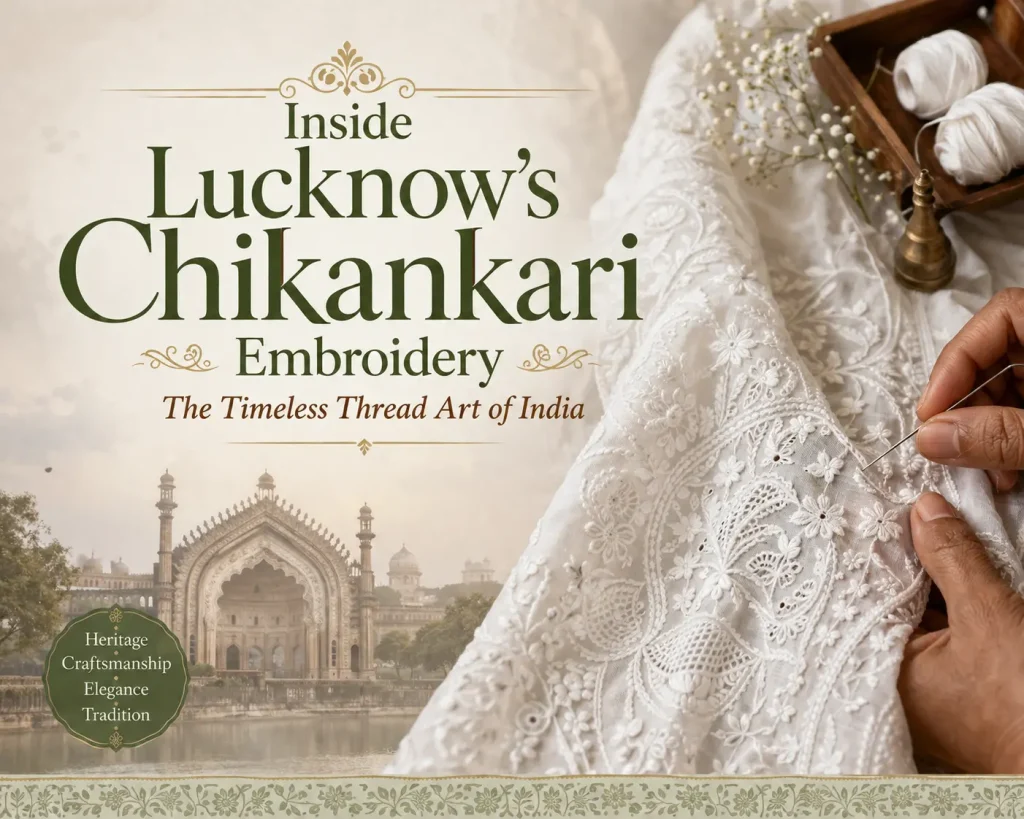
Inside Lucknow's Chikankari Embroidery: The Timeless Thread Art of India
Lucknow’s Chikankari embroidery is one of the most cherished symbols of India’s textile heritage. What began centuries ago as a delicate craft practiced within royal courtyards is today shaping modern fashion, home décor, and conscious luxury. With rising appreciation for handmade and heritage products, consumers are choosing hand-embroidered Chikankari over mass-produced alternatives, creating fresh opportunities for artisans and fashion entrepreneurs alike.
The Heritage of Lucknow's Chikankari
Chikankari traces back nearly 400 years, believed to have flourished under Mughal-era patronage in Lucknow. The word “Chikan” comes from a Persian term meaning delicate embroidery work. Over generations, artisan families mastered dozens of stitches that transform plain fabric into detailed art. Its beauty lies not in bright colors but in fine white-on-white needlework and shadow stitches, making it a living tradition rather than just a craft technique.
The Many Stitches and Styles of Chikankari
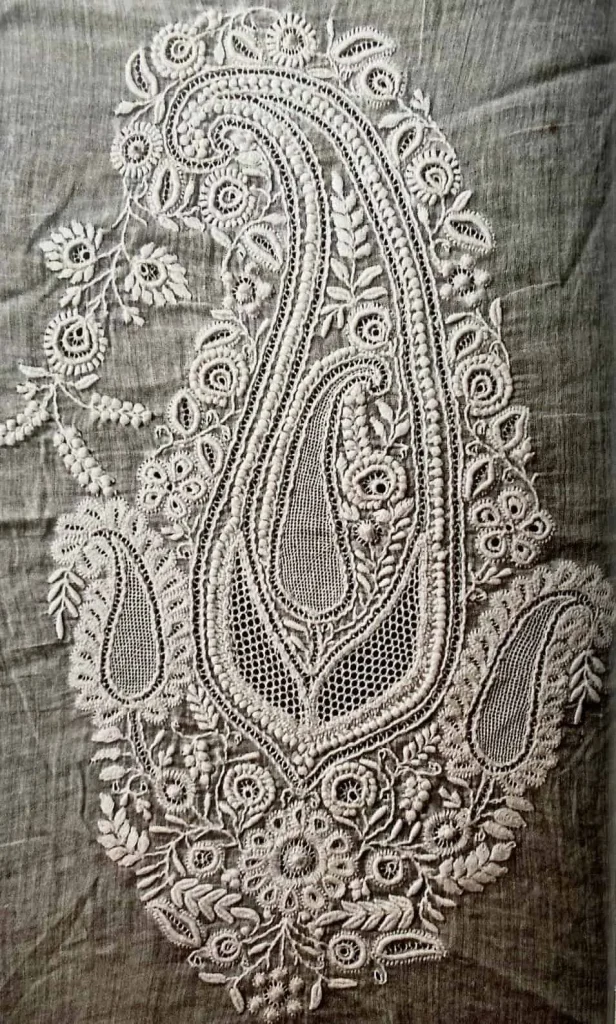
Chikankari has a lot of stitches like Bakhiya and Hool and Phanda and Murri and Jaali and Tepchi. These stitches are combined in a nice way to make flowers and vines and paisleys. The Bakhiya stitch makes a shadow on the other side of the fabric. The Jaali stitch is special because it involves taking threads by hand to make small openings that look like a net. One piece of clothing can have six or seven stitches. Some designers like to mix Chikankari with mirror work and colored threads.. Some people like to keep it traditional with just white threads.
How Chikankari Embroidery Is Made
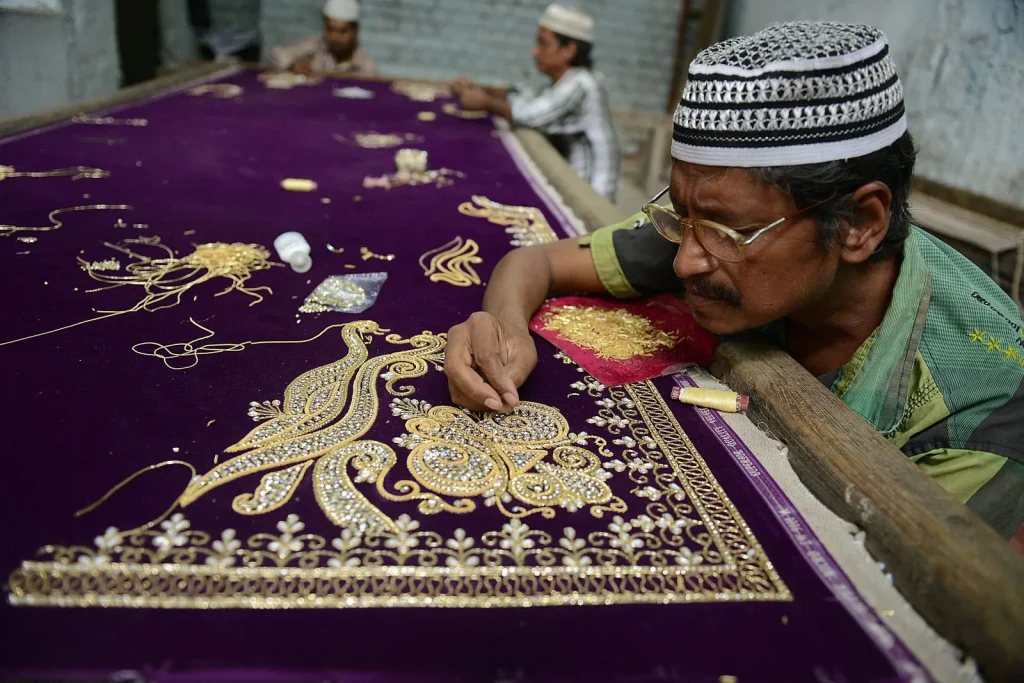
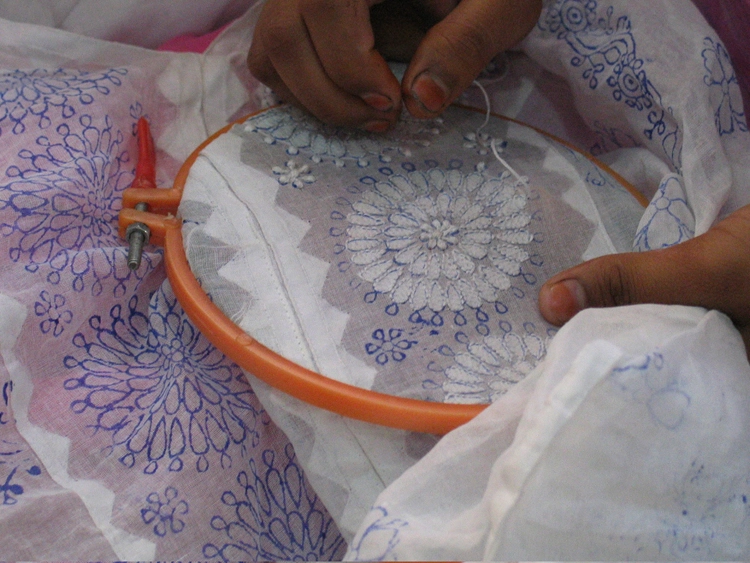
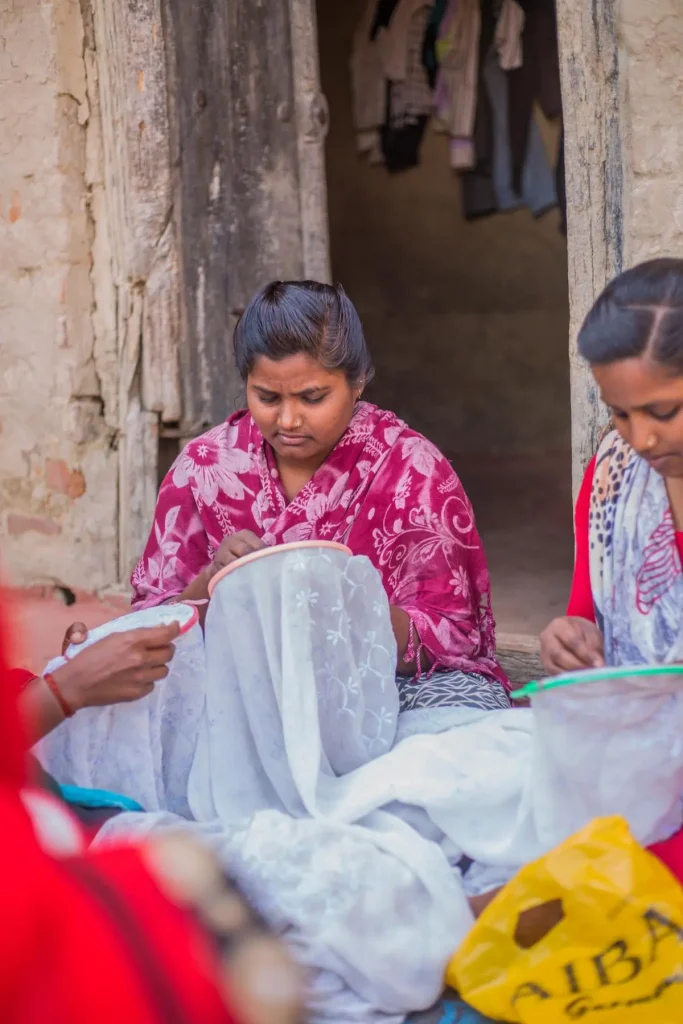
To make Chikankari, first a design is printed onto the fabric using dyes. This is like a guide, for the artisans who do the embroidery. They sew the design onto the fabric by hand. This can take a time. Sometimes days or even months. When the sewing is done the fabric is washed to get rid of the printed lines. What is left is the sewing. Because everything is sewn by hand no two pieces of clothing are the same. This makes each one really special. You can tell that a person made it.
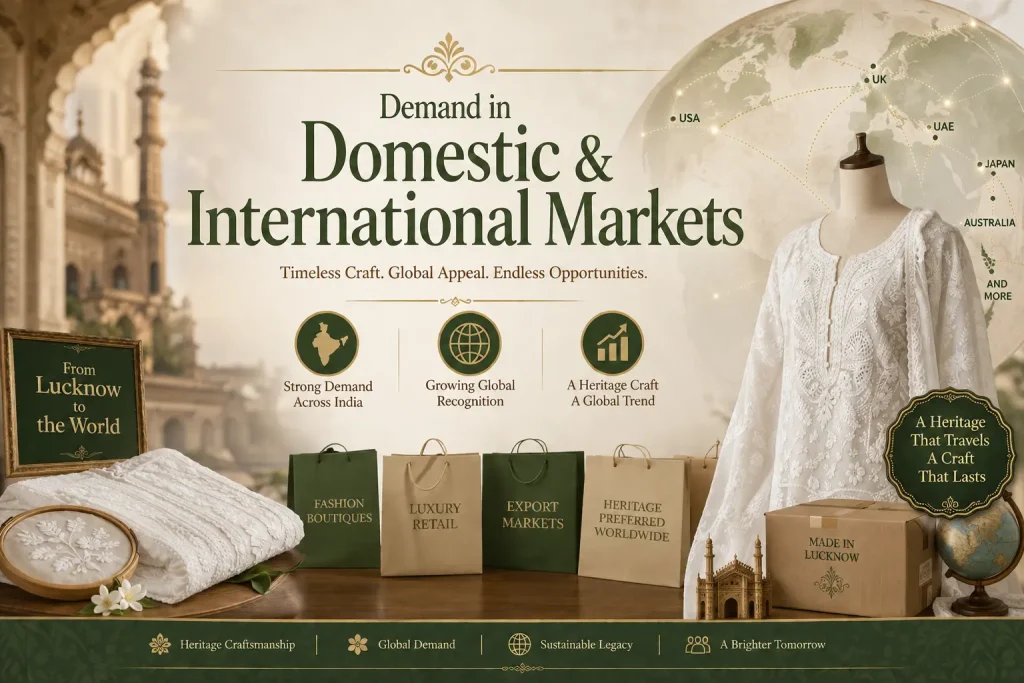
Demand in Domestic & International Markets
Demand for Chikankari has grown steadily as consumers move toward sustainable, handcrafted fashion—from kurtas and sarees to festive and bridal wear. Internationally, it has earned strong appreciation in the USA, UK, UAE, and parts of Europe, with kurtis, dupattas, sarees, and home linens among the top export categories. As global interest in ethical, slow fashion rises, Chikankari’s relevance continues to grow.
Business Potential for Small Entrepreneurs
Chikankari offers strong opportunities for small entrepreneurs and home-based artisans, thanks to modest initial investment and well-established artisan networks in Lucknow. Businesses can start with kurtas, dupattas, and stoles, and expand into bridal wear, home décor, and premium collections. Customized categories like corporate gifting and fusion wear add further scope, while GI-tag recognition and government schemes support both new and established Chikankari businesses.
Conclusion
Lucknows Chikankari embroidery brings together history, creativity and modern clothing. It began as a craft used in royal courts and has grown into a textile tradition that people all over the world respect. Whether it is for wedding clothes or daily wear and even for home decoration Chikankari attracts people who like things and living in a mindful way—and the future of Chikankari supported by more interest and online chances seems very promising.
Frequently Asked Questions
1. What is Chikankari embroidery known for?
Chikankari is known for its hand-made white-on-white embroidery that uses stitches, like Bakhiya, Jaali, Murri and Phanda celebrated for its gentle beauty and light comfortable fabric.
2. Where did Chikankari embroidery come from?
Chikankari embroidery is believed to have started in Lucknow 400 years ago when the Mughal era was happening and even today Lucknow is the main place where Chikankari embroidery is done.
3. Is it possible to make money from Chikankari embroidery as a business?
Yes Chikankari embroidery is a small business because people know the brand there is a steady demand for it and it is easy to find artisans in Lucknow so people can start small and then make more expensive or export quality products.
4. How can artisans who make Chikankari embroidery sell their products on the internet?
Artisans can sell their embroidery products on the internet through online marketplaces, social media and their own websites, which helps them reach customers all over the country and get better prices because they do not have to pay middlemen.
5. What will the demand for Chikankari embroidery be like in the future?
The future of embroidery looks good because people all over the world are getting more interested in handmade and traditional clothing and the government is helping to protect Chikankari embroidery by giving it a special tag.
6. How long does it take to make one garment?
It takes a days to several months to make one Chikankari garment by hand depending on how complicated the design is and how many stitches are used.
7. What kinds of fabrics are used to make Chikankari embroidery?
Chikankari embroidery is usually done on fabrics like cotton, muslin and georgette but sometimes silk and chiffon are used to make special occasion clothes.
8. How can buyers tell if Chikankari embroidery is real and done by hand?
Real Chikankari embroidery has some imperfections in the stitches a soft shadow effect from the Bakhiya work and fine details that are done by hand. If it is machine made it looks perfect. Does not have these details.
9. Does Chikankari embroidery have a Geographical Indication tag?
Yes Lucknow Chikankari embroidery has a Geographical Indication tag, which means it is recognized as a product from that region and helps protect artisans from people copying their work.
10. What kind of job opportunities does Chikankari embroidery offer to artisans?
Chikankari embroidery provides job opportunities for embroiderers, block printers, tailors and finishing specialists. It is especially good for women artisans in and around Lucknow because they can work from home or, in a studio.
Leave a Reply