Gariyaband Chhattisgarh: The Journey of Chironji from Forest Produce to Value-Added Products

Introduction
Gariyaband Chironji Products show how valuable forest produce from Chhattisgarh can be carefully collected, processed and transformed into useful and market-ready foods. The forests in Gariyaband, Chhattisgarh have small things that people use from the forest. These small things help people live and earn money. One of these things is called Chironji. It is also called Chiraunji. It is a kind of nut that people eat.
Chironji has a taste that is like nuts. It makes food taste better. Feel nicer. People like to use it in sweets, desserts and special foods. It is a thing in many Indian homes.
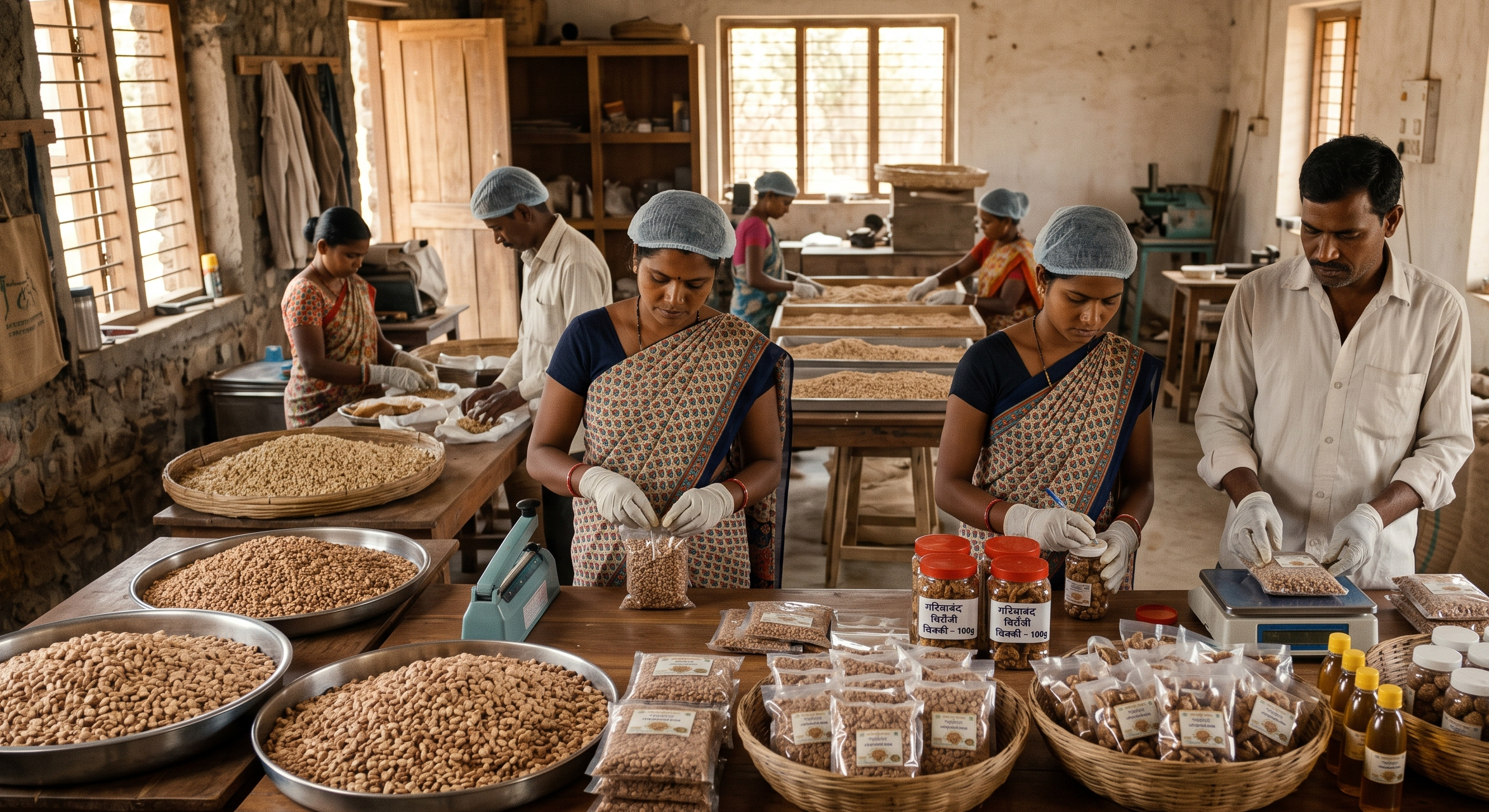
The story of Chironji is not just about picking it from the forest. There is a process between the forest and the person who buys it. People pick it dry it clean it make it ready take the inside out sort it put it in bags and sell it. This process turns the raw forest thing into something that people buy in shops.
For Gariyaband this whole process is a way to make money from the things that grow in the forest. It also helps people find jobs, in making, packing and starting businesses.
Where Gariyaband’s Chironji Journey Begins
The journey starts in the forest areas of Gariyaband.
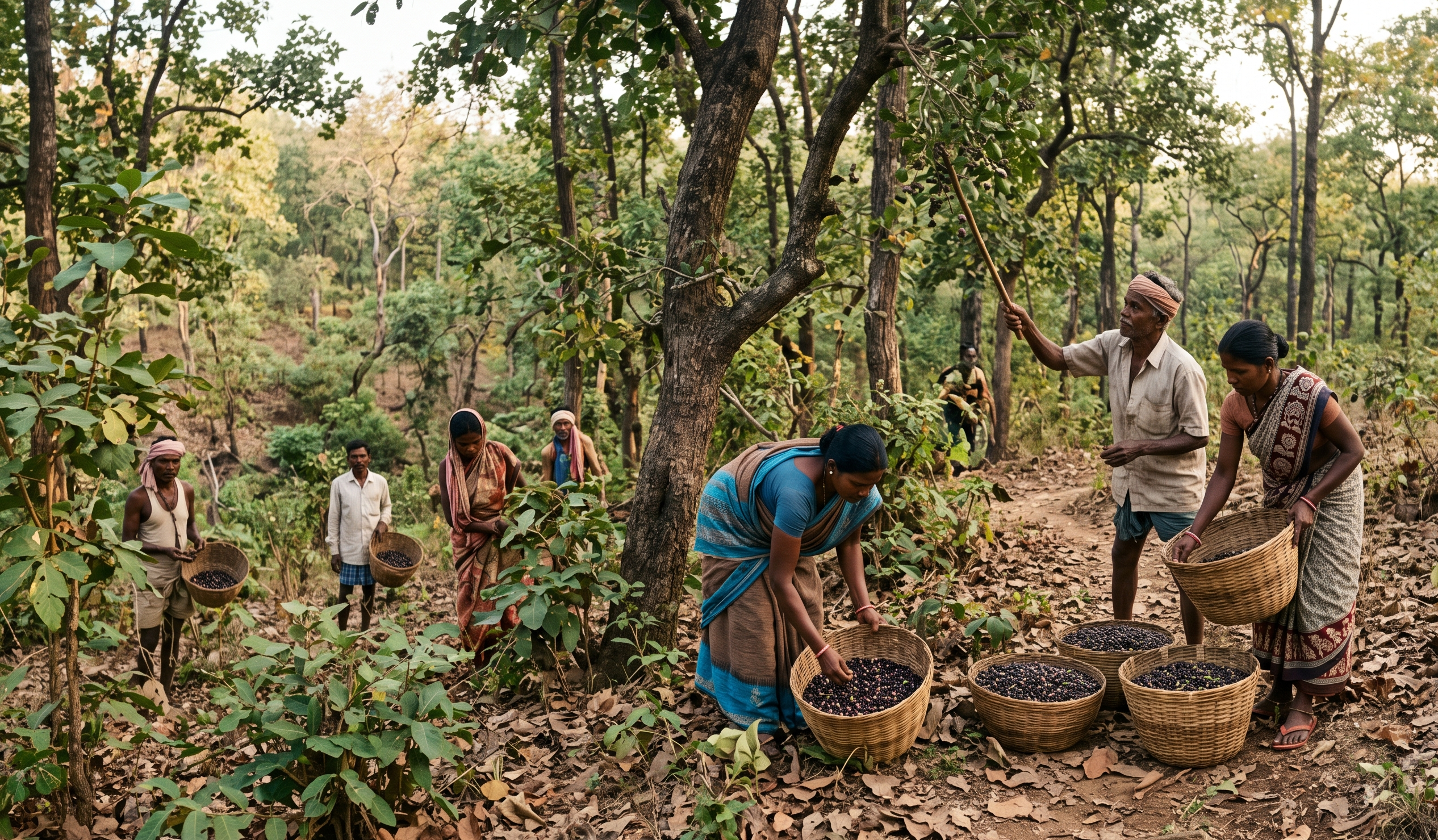
Chironji trees make fruits that have stones inside. From these stones people get the edible kernels. When the fruits are ready they are. Taken for more work.
For people living in the forests picking the fruits is an important first step in the whole process. The quality of the fruits when they are picked can affect the quality of the product.
People who collect the fruits need to be careful so they do not break them much or make them dirty. The fruits are then taken to places where they are gathered or where they are processed. This is where the next steps start.
This old way of using the forest resources is a part of the story of Chironji, in Chhattisgarh.
Step 1: Collection of Chironji
The first step is to gather mature Chironji fruits
Chironji fruits that are gathered may still have leaves, small branches, soil and other natural debris. Because of that Chironji fruits cannot be turned away into a ready‑to‑sell food item.
During the gathering phase careful handling of Chironji fruits is essential. Rough handling can damage Chironji fruits. Raise the amount of waste that will happen later. After all Chironji fruits are collected Chironji fruits are carried to a place, for cleaning and drying.
Step 2: Cleaning and Sorting
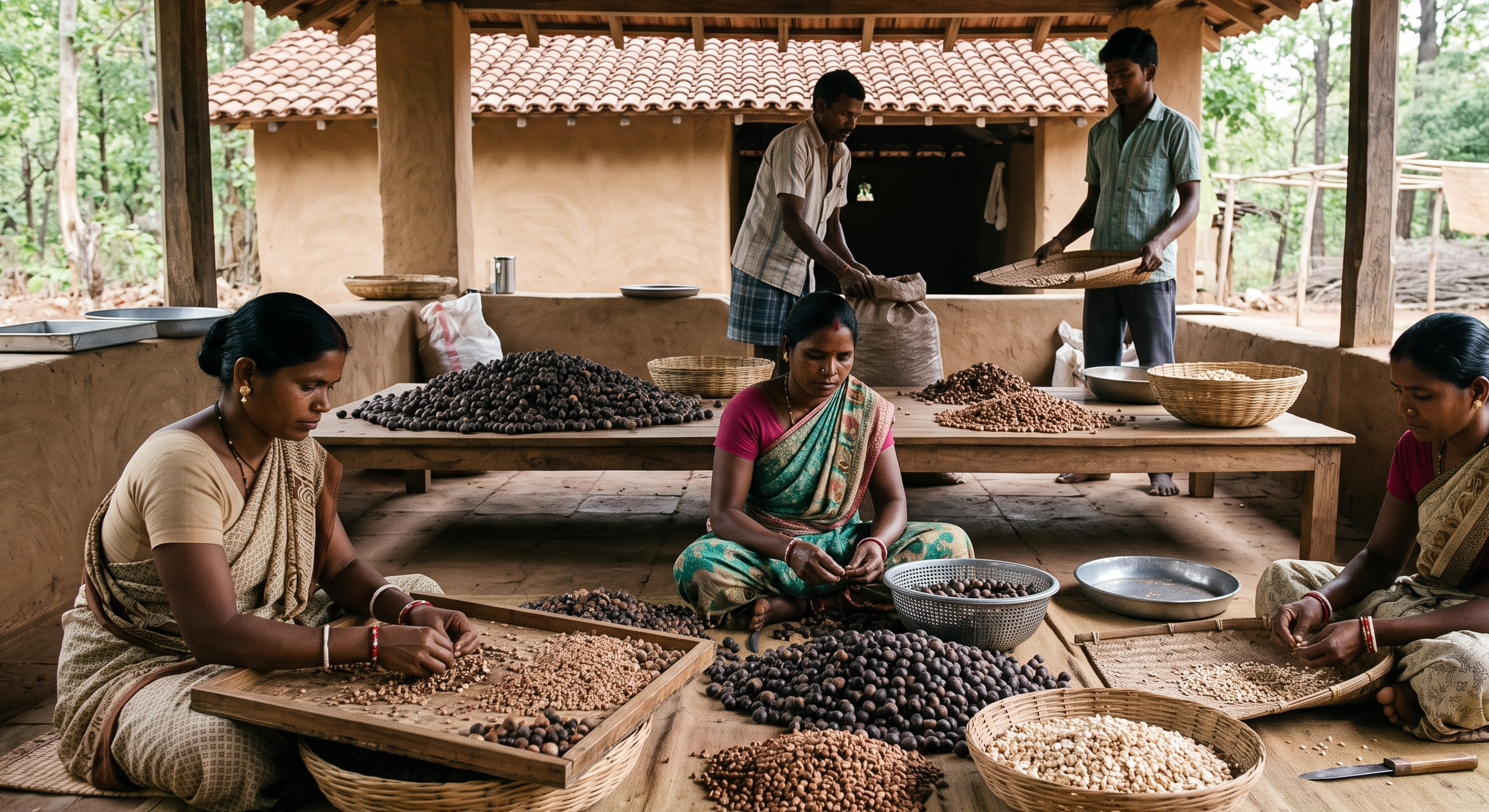
After collection the Chironji produce needs to be cleaned and sorted. Leaves, dirt, damaged material and other unwanted particles are removed. The raw material is inspected so that unsuitable pieces can be separated before processing. For processing units much of this work can be performed manually. Workers carefully inspect the produce and separate material according to quality. Sorting may appear like a step but it has an important effect, on the final product. Cleaner and more uniform raw material makes subsequent processing easier. Helps produce a better-quality finished product..
Step 3: Drying the Chironji
Drying is another important part of the processing journey.
Freshly collected forest produce may contain moisture, and excessive moisture can create problems during storage and processing. Drying helps prepare the material for subsequent operations.
Traditional drying may involve exposure to sunlight, while organised processing facilities can use controlled drying systems.
The objective is to achieve appropriate dryness without unnecessarily damaging the raw material.
Properly dried material is easier to handle and can have better storage characteristics when processed and packed under suitable conditions.
Step 4: Separating the Edible Kernel
I know that one of the important steps is getting the edible Chironji kernel.
The fruit holds a part that must be separated before the Chironji kernel can be used as a food ingredient and this process needs care because the Chironji kernels are small and can break if handled aggressively.
Traditional processing may use methods while better processing units can bring in suitable mechanical techniques.
The goal is to recover many good‑quality Chironji kernels as possible while cutting down on breakage and losses.
This step turns the forest produce into something closer, to the Chironji ingredient that customers recognise.
Step 5: Grading and Quality Control
After kernels are separated Chironji goes through grading and quality checking.
Whole kernels, broken kernels and lower quality pieces can be separated to meet the needs of the product.
Grading helps make things consistent. A premium retail pack for example may need uniform kernels while another product may need different specifications.
Quality inspection also removes material before packaging.
For a growing Chironji value chain keeping quality consistent is essential. A product that looks clean and uniform can build consumer confidence and improve its market presentation.
Step 6: Creating Value-Added Chironji Products
Here is the input from the user:
Selling cleaned Chironji kernels is one part of the opportunity.The product can also become an ingredient, in food formats. Chironji can be added to sweets desserts, dry‑fruit mixes and other preparations.
Potential value-added formats include:
- Cleaned and graded Chironji kernels
- Retail-ready Chironji packs
- Roasted Chironji
- Chironji nut mixes
- Chironji-based traditional sweet ingredients
- Dessert mixes containing Chironji
- Chironji powder for suitable food applications
- Premium dry-fruit blends
The exact products vary based on the processing plants food safety rules and what people want to buy.
Adding value is important because it helps the product go from being a raw item, from the forest to something that is finished or partly finished and can be used as a food ingredient.
Chironji and Traditional Food in Chhattisgarh
Chironjis biggest strength is Chironjis connection with Indian food traditions.Small Chironji kernels have a nutty taste and can add texture and richness to food.
They are especially used in sweets, desserts and festive preparations.In Chhattisgarh, traditional food habits and local ingredients create a setting where forest products like Chironji can stay culturally relevant.
This makes Chironji different from an unfamiliar product.Consumers already understand Chironjis role.The opportunity is to make Chironji more accessible, through cleaning, processing, packaging and distribution.
Step 7: Packaging Gariyaband Chironji
Once the processing is done, packaging steps to connect the processing unit with the consumer.Today’s packaging can keep Chironji safe, from moisture, dust and rough handling while also making it look better on store shelves.
A designed package can include:
- Product name
- Net quantity
- Ingredients, where applicable
- Nutritional information, where applicable
- Batch details
- Manufacturing details
- Best-before information
- Storage instructions
- Applicable food regulatory information
Regional identity can also become part of the product story.
For example, a brand can communicate the product’s origin through a simple identity such as “Chironji – Gariyaband, Chhattisgarh.”
Local Entrepreneurs and New Opportunities
The Chironji value chain can create chances at different levels.
Local entrepreneurs can get involved in:
- Raw material collection
- Cleaning
- Sorting
- Processing
- Grading
- Packaging
- Branding
- Wholesale distribution
- Retail sales
Women-led groups and local producer groups can also take part in tasks that need a lot of work such, as sorting and packaging.This makes it possible to keep money inside the local economy.Of selling forest products right after collecting them processing can add more steps where local businesses and workers get a chance to take part.For Gariyaband building these connections can make Chironji a part of a local food-processing system.
From Forest Produce to Market-Ready Product
The complete journey of Gariyaband Chironji can be understood as a connected value chain:
Collection → Cleaning → Drying → Kernel Separation → Grading → Value Addition → Packaging → Marketing
Every stage has a role. Collection provides the material. Cleaning improves purity. Drying prepares the produce for processing. Kernel separation creates the ingredient. Grading improves consistency. Value addition expands product possibilities. Packaging. Presents the product. Marketing finally connects it with consumers. The stronger these connections become, the the potential for Chironji to move from a traditional forest product toward a recognised value‑added food product, from Chhattisgarh.
Why Chironji Has Value Beyond the Forest
The importance of Chironji lies in its ability to connect resources with food processing and local enterprise.
A raw forest product generally has limited value until it reaches a market. Processing changes that equation.
When Chironji is cleaned, graded, processed and packaged it becomes easier to sell to consumers and food businesses.
This creates possibilities for:
- product presentation
Clean and professionally packed Chironji can compete more effectively in modern retail.
- Local employment
Processing requires people, for sorting, cleaning, grading, packing and other activities.
- Entrepreneurship
Small businesses can build products around Chironji than depending only on raw produce sales.
- Regional identity
Gariyaband and Chhattisgarh can become part of the product story.
- Market expansion
Finished products can potentially reach markets beyond the collection area.
Building a Strong Chironji Product from Gariyaband
A successful product needs more than good raw material.
Quality control, processing, nice packaging and steady supply are just as important.
A Chironji brand based in Gariyaband can create its identity around three ideas:
Origin: Gariyaband, Chhattisgarh
Ingredient: Chironji / Chiraunjee
Journey: Forest produce turned into something valuable by local people
This way the product keeps its old traditions while also fitting better for new customers.
The story of the product can be a part of its branding: a natural ingredient from Gariyaband handled with care and ready, for todays buyers.
Conclusion
The journey of Chironji in Gariyaband Chhattisgarh starts with collecting Chironji from forest yet it can become more than raw produce.
From collecting Chironji and cleaning it to separating kernels grading, adding value and packaging every stage can add to Chironji’s final value.
The real opportunity lies in strengthening the Chironji chain.
Better processing can make Chironji more consistent. Better packaging can make Chironji look better in markets. Local entrepreneurship can create economic opportunities. Stronger distribution can help Gariyaband’s Chironji reach consumers across Chhattisgarh and beyond.
Chironji is therefore an example of how Chhattisgarhs minor forest produce can link with food processing, entrepreneurship and modern markets.
What starts as a forest kernel can ultimately become a carefully processed, branded and market‑ready product that carries the story of Gariyaband and Chhattisgarh to a much wider audience.
Frequently Asked Questions
1. What is Chironji?
Chironji, also called Chiraunji is a kernel taken from the fruit of the Chironji tree and used as a traditional food ingredient in India.
2. Is Chironji a forest produce of Gariyaband?
Yes. Chironji is among the forest produce linked to Gariyaband’s value‑added product opportunities.
3. How is Chironji processed?
The general process includes collecting Chironji cleaning it drying it separating kernels grading it checking quality and packaging it.
4. What products can be made using Chironji?
Chironji can be sold as cleaned kernels and it can also be used in dry‑fruit mixes, sweets, desserts and other food preparations.
5. Why is value addition important for Chironji?
Value addition can raise the value of raw Chironji while creating opportunities in processing, packaging, branding and marketing.
6. Can Gariyaband Chironji be sold outside Chhattisgarh?
Processed and properly packaged Chironji can potentially be marketed in national markets as long as food regulations and quality requirements are met.
7. How can local entrepreneurs benefit from Chironji processing?
Entrepreneurs can take part in cleaning, grading, processing, packaging, branding and distribution which lets more value be created locally.
8. Why is packaging important for Chironji?
Good packaging protects Chironji during storage and transportation. It gives a cleaner and more attractive presentation for consumers.
9. What makes Gariyaband Chironji interesting as a product?
Its link to Gariyaband’s forest‑based economy, traditional Indian food culture and potential for value addition gives it a base, for developing a regional food product from Chhattisgarh.