
Bal Mithai: A Famous Food of Uttarakhand and Its Rich Heritage
Uttarakhand is famous for its beautiful mountains, peaceful temples, rich culture, and traditional food. Among its most loved sweets, Bal Mithai holds a special place. This delicious brown sweet is a well-known part of Kumaoni food culture and is especially associated with Almora.
Made mainly from khoya and coated with tiny white sugar balls, Bal Mithai offers a unique taste and texture. It is more than a dessert; it represents the culinary traditions of the Kumaon region. Visitors often buy it as a local treat or a gift for family and friends.
If you want to explore Uttarakhand famous food, Bal Mithai is one of the best traditional sweets to discover. This article explains its origin, ingredients, preparation, cultural importance, benefits, challenges, and how it compares with other popular Indian sweets.
What Is Bal Mithai?
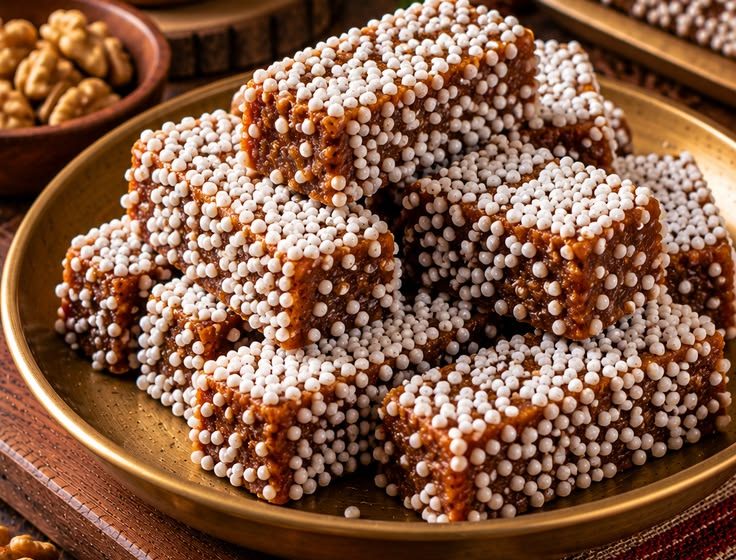
Bal Mithai is a traditional sweet from the Kumaon region of Uttarakhand, particularly associated with Almora. It is prepared using khoya, which is milk reduced by slow heating, and coated with small white sugar balls. Its rich caramel-brown colour and soft, fudgy centre make it distinctive.
The sweet is widely recognised as a regional speciality and is popular among locals and tourists. Although recipes can vary between sweet shops, its characteristic brown appearance and white coating remain its most recognisable features.
Key Components of Bal Mithai
The main components of traditional Bal Mithai include:
- Khoya (mawa): Reduced milk that creates the sweet’s rich texture.
- Sugar: Adds sweetness and helps develop the brown colour during cooking.
- Small sugar balls: Create the distinctive white coating and a slight crunch.
- Ghee: Sometimes used to improve flavour and prevent sticking during preparation.
- Cardamom: May be added in some recipes for a gentle aroma.
The quality of the khoya and the cooking process play a major role in the final taste.
The History and Origin of Bal Mithai
Bal Mithai is closely linked to Almora’s food heritage and the history of traditional sweet-making in Kumaon. Its exact origin is not fully settled, but local accounts associate its development with sweet shops in Lal Bazaar during the nineteenth and early twentieth centuries.
kmvn.in
+1
How Bal Mithai Became Famous
Almora was an important centre of Kumaoni culture and trade. Local sweet makers developed a distinctive way to roast khoya until it turned deep brown. They shaped the mixture into blocks and covered it with small white sugar-coated pieces.
As travellers visited the hill town, many began carrying Bal Mithai home as a souvenir. Over time, the sweet became popular across Uttarakhand and beyond.
Today, Bal Mithai is recognised as a signature sweet of Almora. The Government of India’s One District One Product portal also identifies it as a traditional product of Almora.
National Portal of India
+1
Why Is Bal Mithai Important in Uttarakhand?
Bal Mithai is important because it represents the culinary identity of Kumaon. Its connection with Almora, traditional preparation methods, and popularity as a gift make it more than an ordinary dessert. It also helps preserve local food traditions and supports sweet makers who continue to prepare regional specialities.
Cultural and Regional Importance
There are several reasons why Bal Mithai remains popular:
- Regional identity: It is strongly associated with Almora and the Kumaon hills.
- Traditional craftsmanship: Its signature colour and texture depend on careful roasting.
- Family celebrations: People enjoy it during visits, festivals, and special occasions.
- Tourism: Visitors often purchase boxes to share with friends and relatives.
- Local businesses: Demand for traditional sweets supports local confectioners and shops.
Bal Mithai also introduces visitors to Kumaoni cuisine, which includes both savoury dishes and distinctive milk-based sweets.
How Is Bal Mithai Made?
Traditional Bal Mithai is prepared by slowly roasting khoya with sugar until the mixture becomes dark brown and thick. The mixture is then allowed to set, cut into pieces, and coated with small white sugar balls. Careful temperature control helps create its characteristic flavour and texture.
India
+1
Step-by-Step Preparation of Bal Mithai


8
- Prepare the khoya. Use fresh, good-quality khoya as the main ingredient.
- Roast it slowly. Stir continuously in a heavy-bottomed pan until it develops a rich brown colour.
- Add sugar. Mix in sugar and cook until the mixture thickens and becomes easy to shape.
- Set the mixture. Spread it in a greased tray and allow it to cool until firm.
- Cut into pieces. Shape the set mixture into small rectangular blocks or cubes.
- Add the coating. Roll the pieces in small sugar balls while the surface is slightly sticky.
Cooking time depends on the quantity, pan, and heat. The main skill is achieving a deep brown colour without burning the milk solids.
What Gives Bal Mithai Its Unique Taste?
Bal Mithai has a rich, caramel-like flavour with a mild roasted-milk taste. Its centre is dense and slightly chewy, while the white coating provides a crisp, sugary contrast. Although its colour resembles chocolate, traditional Bal Mithai gets much of its distinctive character from roasted khoya and caramelised sugar rather than chocolate.
Key Ingredients and Their Roles
| Ingredient | Role in Bal Mithai |
|---|---|
| Khoya (mawa) | Provides the rich milk flavour and dense texture |
| Sugar | Adds sweetness and helps create the brown colour |
| White sugar balls | Give the sweet its signature appearance and crunch |
| Ghee | May improve flavour and make cooking easier |
Recipes can vary between shops. Some older descriptions mention poppy-seed coatings, while many modern versions use white sugar balls.
IndulgExpress
+1
Benefits of Trying Bal Mithai
Bal Mithai offers cultural, culinary, and travel-related value. Although it is a sweet rather than a health food, tasting it can be a memorable way to explore Uttarakhand’s regional traditions.
- Experience local culture: Discover a sweet closely associated with Kumaoni heritage.
- Support local shops: Buying from established local confectioners helps sustain traditional food businesses.
- Enjoy a distinctive flavour: The combination of roasted milk solids and a crunchy coating differs from many common Indian sweets.
- Choose a regional gift: Its recognisable appearance makes it a popular souvenir.
- Explore regional cuisine: Trying Bal Mithai alongside other local dishes offers a broader introduction to Uttarakhand’s food culture.
Is Bal Mithai Healthy?
Bal Mithai contains milk solids and sugar, so it provides energy but can also be high in sugar, fat, and calories. Its exact nutritional content depends on the recipe and serving size. Enjoy it in moderation, particularly if you need to limit your sugar intake. It should not be considered a substitute for nutrient-rich everyday foods.
Challenges and Common Mistakes When Buying Bal Mithai
Buying good-quality Bal Mithai is easy when you know what to check. The main concerns are freshness, ingredient quality, storage, and packaging. Since recipes differ between shops, asking a few simple questions can help you choose a product that suits your taste and travel plans.
1. Choosing a Stale Product
- Problem: The sweet may feel unusually dry, hard, or unpleasant.
- Cause: Poor storage or an older batch can affect its texture.
- Solution: Ask when it was prepared and choose a shop with good food-handling practices.
2. Confusing Bal Mithai with Chocolate
- Problem: Some buyers expect a chocolate flavour because of its dark colour.
- Cause: Its appearance resembles chocolate fudge.
- Solution: Remember that traditional Bal Mithai is primarily a roasted-khoya sweet.
3. Ignoring Storage Instructions
- Problem: The sweet may spoil if stored incorrectly.
- Cause: Khoya contains milk solids and is sensitive to temperature and moisture.
- Solution: Follow the seller’s storage guidance, check the use-by date, and refrigerate it when instructed. Avoid leaving it in a hot vehicle for long periods.
4. Buying Poorly Packed Sweets for Travel
- Problem: Pieces may become crushed or sticky during a journey.
- Cause: Loose packaging, heat, or rough handling.
- Solution: Request a sealed, food-safe box and keep it away from direct sunlight.
Best Practices for Buying and Enjoying Bal Mithai
Follow these practical tips to get a better experience when exploring this famous Uttarakhand sweet.
- Buy from a reputable shop. Look for clean premises, covered sweets, and responsible food handling.
- Check freshness. Ask when the batch was prepared rather than judging quality by colour alone.
- Inspect the texture. Good Bal Mithai generally has a firm but slightly chewy centre, although recipes vary.
- Look at the coating. The traditional white sugar-ball coating should be visible and reasonably intact.
- Ask about ingredients. Confirm whether the sweet contains added flavours, nuts, or other ingredients if these matter to you.
- Choose suitable packaging. Use a sturdy box if you plan to carry it home.
- Follow storage guidance. Do not assume every shop’s product has the same shelf life.
- Try a small portion first. Its rich sweetness may be stronger than expected.
- Compare local varieties. Taste products from different established shops to discover your preferred texture.
- Explore other Kumaoni sweets. Try Singodi or Singori as well to experience another local speciality.
Bal Mithai vs Other Famous Sweets of Uttarakhand
Uttarakhand offers several traditional sweets, each with its own ingredients, appearance, and regional character. Bal Mithai is especially associated with Almora, while Singodi and other regional desserts offer different flavours and textures.
India
+1
| Feature | Bal Mithai | Singodi (Singori) | Arsa |
|---|---|---|---|
| Main ingredients | Khoya and sugar | Khoya, often with coconut and cardamom | Rice and jaggery |
| Appearance | Brown pieces with a white coating | Milk sweet wrapped in a leaf | Golden-brown fried sweet |
| Texture | Dense and slightly chewy | Soft and rich | Usually firm or chewy |
| Regional association | Almora and Kumaon | Almora and Kumaon | Traditional sweet found in Uttarakhand |
| Main flavour | Roasted milk and caramel | Milk with aromatic notes | Sweet, with jaggery flavour |
Which should you try first? If you want a recognisable sweet strongly associated with Almora, start with Bal Mithai. Choose Singodi for a soft, leaf-wrapped milk sweet, or Arsa if you prefer a traditional rice-and-jaggery dessert.
Where Can You Find Bal Mithai in Uttarakhand?
Bal Mithai is most closely associated with Almora, where local sweet shops have helped preserve its reputation. You can also find it in other towns across the Kumaon region, although availability and recipes vary by seller.
National Portal of India
+1
Tips for Finding Authentic Bal Mithai
- Visit Almora: Start with established sweet shops in the town’s traditional market areas.
- Ask local residents: They may recommend shops known for their preferred style.
- Check the label: Look for ingredient details, preparation or packing dates, and storage instructions.
- Compare before buying: If possible, purchase a small quantity first.
- Plan for travel: Ask the seller how long the product can safely remain outside refrigeration under the expected conditions.
Almora is also known for its scenic surroundings and cultural attractions, making its local food part of a wider travel experience. The official Uttarakhand Tourism website provides destination information for visitors planning a trip.
Uttarakhand Tourism
Frequently Asked Questions About Bal Mithai
1. What is Bal Mithai, and why is it famous?
Bal Mithai is a traditional brown sweet made from roasted khoya and sugar. It is famous for its rich, caramel-like taste and tiny white sugar-ball coating. The sweet is strongly associated with Almora and is widely recognised as one of Uttarakhand’s signature regional desserts.
Its distinctive appearance and connection with Kumaoni culture make it a popular treat for tourists and local residents.
2. Which city is famous for Bal Mithai?
Almora, in the Kumaon region of Uttarakhand, is best known for Bal Mithai. The sweet is closely linked to the town’s traditional confectionery shops and food heritage.
Visitors exploring Almora often purchase it as a souvenir. Other towns in Kumaon also sell Bal Mithai, but Almora remains its best-known regional home.
3. What ingredients are used to make Bal Mithai?
Traditional Bal Mithai mainly uses khoya, sugar, and small white sugar-coated balls. Ghee may also be used during preparation. Khoya provides the rich milk flavour, while sugar helps develop sweetness and the characteristic brown colour.
The exact quantities and preparation methods differ between sweet makers, so the taste and texture may vary slightly.
4. Does Bal Mithai contain chocolate?
Traditional Bal Mithai is not necessarily made with chocolate. Its dark brown appearance comes mainly from slowly roasted khoya and caramelised sugar.
Some recipes may include cocoa powder or other ingredients, but these are variations rather than essential features of the traditional sweet. Its flavour is closer to rich milk fudge than ordinary chocolate.
5. What does Bal Mithai taste like?
Bal Mithai has a rich, sweet, roasted-milk flavour with caramel-like notes. Its centre is dense and slightly chewy, while the small white sugar balls create a crunchy outer layer.
The exact balance depends on the recipe and cooking method. People who enjoy traditional Indian milk sweets may find its flavour especially appealing.
6. Is Bal Mithai a famous food of Uttarakhand?
Yes. Bal Mithai is one of Uttarakhand’s best-known traditional sweets, especially in the Kumaon region. It is strongly associated with Almora and represents an important part of the area’s culinary identity.
Uttarakhand is also known for dishes such as Kafuli, Bhatt ki Churkani, Kumaoni Raita, and sweets such as Singodi.
7. How should Bal Mithai be stored?
Bal Mithai should be stored according to the seller’s instructions because its milk-based ingredients can spoil. Keep it in clean, sealed packaging and protect it from heat and moisture.
Check the product label for its shelf life and refrigeration requirements. Avoid relying on a general storage estimate, particularly during warm weather or long journeys.
8. What is the difference between Bal Mithai and Singodi?
Bal Mithai is a brown, roasted-khoya sweet coated with small white sugar balls. Singodi, also called Singori, is a soft milk-based sweet traditionally wrapped in a leaf.
Both are associated with Almora and Kumaoni cuisine, but their appearance, texture, and preparation differ. Trying both offers a simple way to explore the region’s traditional sweets.
Key Takeaways
- Bal Mithai is a famous traditional sweet from Almora, Uttarakhand.
- Its main ingredients are khoya and sugar, with a characteristic white sugar-ball coating.
- Slow roasting gives the sweet its brown colour and rich flavour.
- It represents Kumaoni food culture and is popular as a regional souvenir.
- Singodi and Arsa are other traditional sweets worth exploring.
- Freshness, packaging, and proper storage matter when buying Bal Mithai.
- Enjoy it in moderation because it can contain substantial amounts of sugar and fat.
Final Verdict: Why You Should Try Bal Mithai
Bal Mithai is more than a sweet treat. It reflects the culinary traditions, local craftsmanship, and cultural identity of Almora and the wider Kumaon region. Its roasted-milk flavour, dense centre, and crisp white coating make it different from many other Indian sweets.
If you are planning a trip to Uttarakhand, add Bal Mithai to your local food list. Buy it from a reputable sweet shop, check its freshness, and explore other regional favourites such as Singodi.
For anyone discovering Uttarakhand famous food, Bal Mithai is an excellent starting point. It offers a simple and memorable way to experience the state’s rich food heritage.
SEO Publishing Details
Meta Title: Uttarakhand Famous Food: Bal Mithai of Almora
Meta Description: Discover Bal Mithai, a famous sweet of Uttarakhand. Explore its Almora origins, ingredients, traditional preparation, cultural importance, and buying tips.
URL Slug: uttarakhand-famous-food-bal-mithai
SEO Tags:
- Bal Mithai
- Uttarakhand Famous Food
- Famous Food of Almora
- Traditional Sweets of Uttarakhand
- Kumaoni Food
LSI Keywords:
- Famous sweets of Uttarakhand
- Bal Mithai of Almora
- Traditional Kumaoni sweets
- Uttarakhand traditional cuisine
- Famous food in Almora
Focus Keyword Placement Report
| Location | Status |
|---|---|
| SEO title | Included |
| Introduction | Included |
| H2 heading | Included |
| H3 heading | Included |
| Conclusion | Included |
| Meta title | Included |
| Meta description | Included |