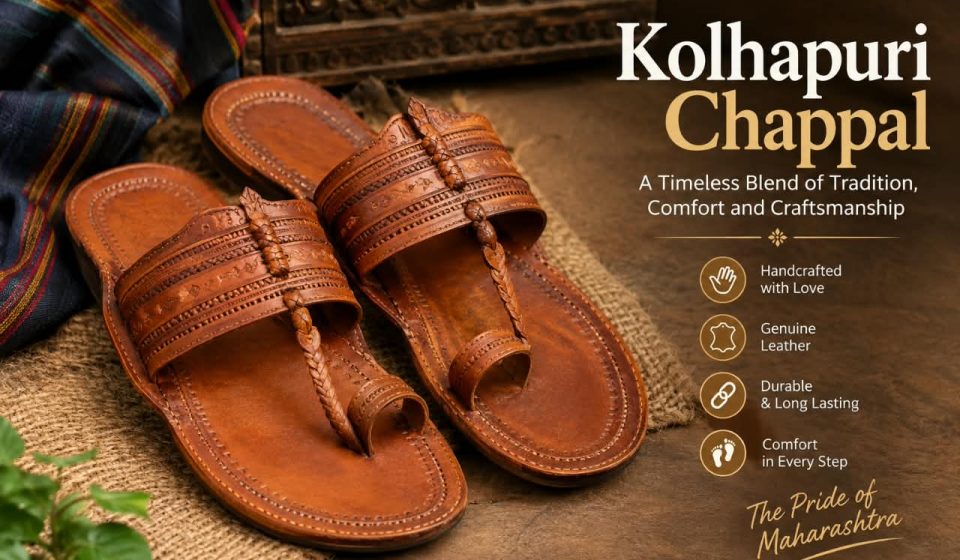

Kolhapuri Chappal in Maharashtra: History, Craft and Buying Guide
Kolhapuri chappals are more than traditional footwear. They represent Maharashtra’s rich craftsmanship, cultural heritage, and generations of skilled leather artisans. Known for their distinctive design, open-toe style, and handcrafted details, these sandals have earned recognition across India and beyond.
Kolhapuri chappal in Maharashtra is closely associated with traditional shoemaking communities, especially in and around Kolhapur, where artisans have preserved this craft for generations. Today, these sandals are popular among people who appreciate ethnic fashion, durable footwear, and handmade products.
Whether you want to understand their history, explore how they are made, or choose a pair for everyday use, this guide covers their origins, benefits, production process, challenges, and buying tips.
What Is Kolhapuri Chappal?
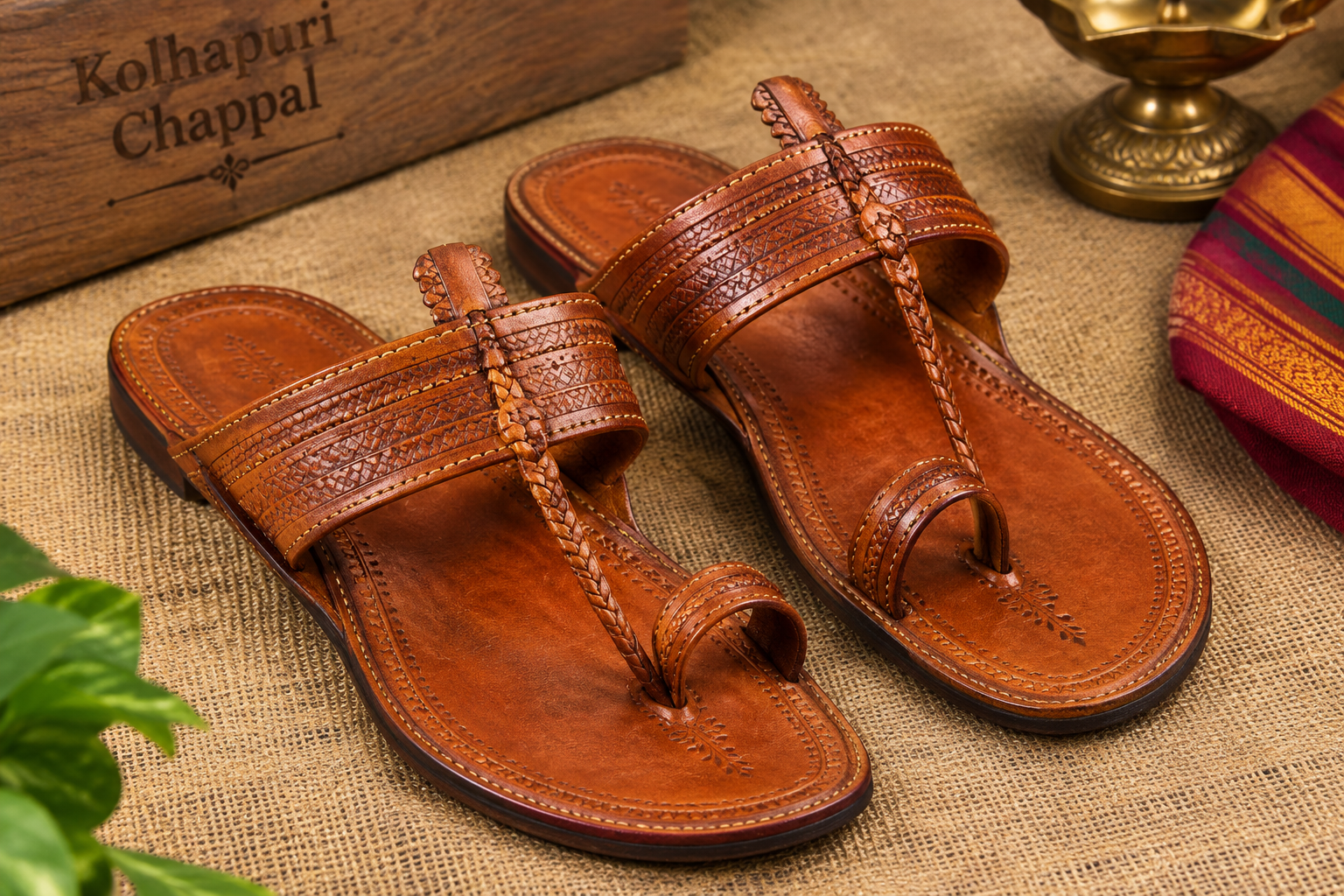
Kolhapuri chappal is a traditional Indian leather sandal associated with Maharashtra. It is known for its handcrafted construction, open design, distinctive toe loop, and decorative leather patterns. Traditionally made by skilled artisans, these sandals combine regional heritage with practical footwear design and are worn with both ethnic and casual outfits.
History and Origins of Kolhapuri Chappal in Maharashtra
Kolhapuri chappals originated in Maharashtra and developed through traditional leatherworking practices. Kolhapur became a major centre for this craft, although related footwear-making traditions also exist in nearby districts and neighbouring regions.
For generations, artisans have used locally available materials, manual cutting techniques, stitching, and leatherworking skills to produce these sandals. Their knowledge is often passed from one generation to another.
The traditional craft received a Geographical Indication (GI) registration in 2019 under the name covering Kolhapuri chappals from designated areas of Maharashtra and Karnataka. This recognition helps identify the geographical origin of the traditional product.
Kolhapuri chappals are now worn throughout India. Designers have also introduced modern variations while retaining traditional features such as leather straps, toe loops, and handcrafted finishes.
Key Components of Kolhapuri Chappals
Traditional Kolhapuri chappals have several features that contribute to their appearance and construction.
- Leather upper: Forms the main straps and decorative sections of the sandal.
- Sole: Provides a base for walking and may use leather or other materials in modern versions.
- Toe loop: Helps secure the front of the foot in many traditional designs.
- Hand stitching: Joins different sections and supports the sandal’s construction.
- Decorative patterns: Include braided straps, punched details, and traditional motifs.
- Leather finish: Determines the colour, texture, and overall appearance.
- Artisan detailing: Gives handcrafted pairs their individual character.
Not every pair has the same construction. Materials, strap arrangements, sole thickness, and finishing methods vary by maker and product type.
Why Are Kolhapuri Chappals Important?
Kolhapuri chappals are important because they preserve a traditional craft while providing distinctive footwear for modern consumers. They support artisan livelihoods, contribute to regional identity, and connect handmade production with contemporary fashion. Their cultural value and recognisable design make them relevant to shoppers, craft businesses, retailers, and fashion designers.
Cultural and Economic Importance
Kolhapuri chappals are a visible part of Maharashtra’s traditional craft heritage. Their production depends on practical skills developed over many years.
The craft also creates economic opportunities for leatherworkers, small manufacturers, traders, and retailers. When customers buy authentic products from responsible sellers, they can help sustain traditional production.
For example, a shopper purchasing directly from a local artisan may learn about the tanning, cutting, stitching, and finishing involved in the sandal. This creates a stronger connection between the product and its maker.
Businesses can also use Kolhapuri footwear to offer customers a traditional alternative to mass-produced sandals. However, retailers should describe the origin and materials accurately rather than making unsupported claims about authenticity.
Importance in Modern Fashion
Kolhapuri chappals work well with many clothing styles. Their simple structure and traditional details make them suitable for festive occasions, casual outings, and some everyday settings.
Fashion designers have also introduced variations with softer soles, updated colours, and contemporary strap designs. These changes help attract younger customers while keeping the traditional style recognisable.
How Are Kolhapuri Chappals Made?
Kolhapuri chappals are traditionally made through a series of manual steps. Artisans prepare the leather, shape the sandal components, assemble the straps, attach the sole, and finish the product. Exact methods differ between workshops, but careful cutting, secure joining, and accurate sizing remain important.
Step 1: Selecting and Preparing the Material
The process begins with selecting suitable leather. Its thickness, flexibility, texture, and condition affect the finished sandal.
Depending on the workshop, the leather may undergo preparation and finishing before use. Proper material selection helps reduce defects and supports consistent quality.
Buyers should remember that not all sandals sold under the Kolhapuri style are made from genuine leather. Some modern versions use synthetic alternatives.
Step 2: Cutting the Sole and Straps
Artisans cut the sole and upper components according to the required size and design.
Traditional patterns may include braided straps, toe loops, and decorative shapes. Accurate cutting helps the sandal fit properly and gives both sides a balanced appearance.
A poorly cut strap can create pressure points or make the sandal difficult to wear.
Step 3: Assembling and Finishing
The artisan joins the straps and sole using the workshop’s chosen construction method. Stitching and other joining techniques help hold the parts together.
The sandal then undergoes finishing, which may include smoothing edges, shaping straps, applying colour, and checking the overall construction.
Finally, the maker checks the size, appearance, and strength of the finished pair. Good finishing helps improve comfort, durability, and presentation.
Benefits of Kolhapuri Chappals
Kolhapuri chappals offer several benefits, although their performance depends on materials, construction, fit, and maintenance.
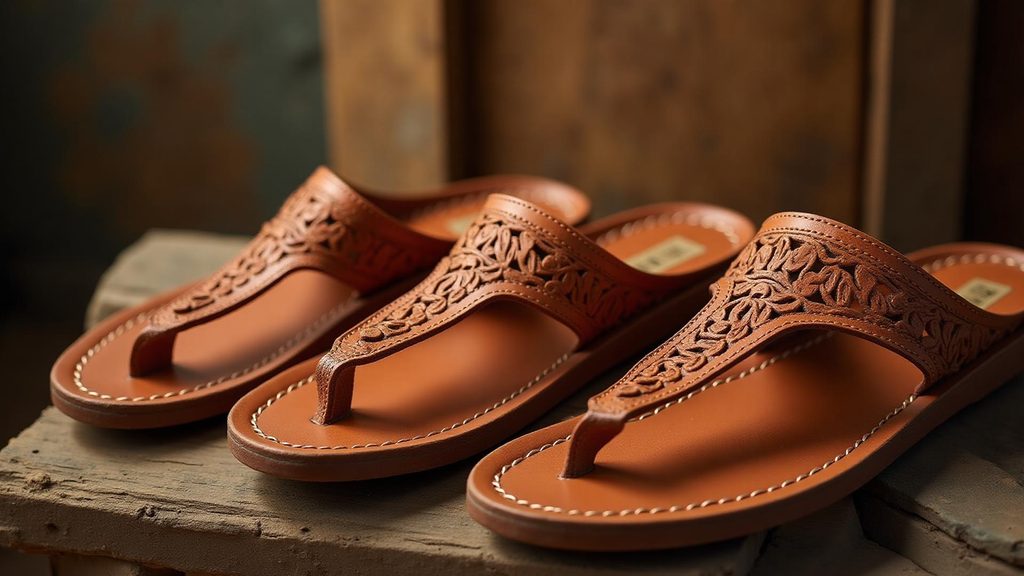
- Traditional appearance: Their distinctive design adds an ethnic touch to everyday and festive clothing.
- Handcrafted character: Artisan-made pairs may feature individual details that distinguish them from factory-made footwear.
- Versatile styling: They can complement kurtas, sarees, salwar suits, jeans, and selected casual outfits.
- Potential durability: Well-made leather sandals can last for years when cared for properly.
- Breathable design: The open structure allows more airflow than fully enclosed footwear, although the amount varies by design.
- Support for traditional skills: Buying responsibly sourced products can help sustain artisan communities.
- Variety of styles: Shoppers can choose from simple everyday pairs to decorated festive designs.
- Long-term value: A durable pair may offer good value if its price reflects its construction and expected lifespan.
Are Kolhapuri Chappals Comfortable?
Kolhapuri chappals can become comfortable with the right fit and suitable materials. However, traditional leather designs may initially feel stiff, particularly around the straps and toe loop.
Choose a pair that fits securely without squeezing the toes. Wear new sandals for short periods at first, allowing the leather to adjust naturally.
Do not continue wearing footwear that causes blisters, numbness, or persistent pain. People who need additional arch support may prefer a cushioned or ergonomically designed alternative.
Challenges and Common Mistakes
Kolhapuri chappals have many strengths, but buyers should understand their limitations before purchasing.
| Problem | Possible cause | Practical solution |
| Stiff straps | New or thick leather | Break in the sandals gradually |
| Blisters | Poor fit or strap friction | Choose a better-fitting pair |
| Damage from water | Leather absorbs moisture | Keep sandals dry and condition them appropriately |
| Slippery soles | Smooth or worn-out sole surfaces | Check grip before regular use |
| Inconsistent sizing | Differences between makers | Check the seller’s size chart and measurements |
| Misleading product claims | Unclear origin or material descriptions | Ask for specific material and origin details |
| High price | Labour, materials, or decorative work | Compare construction and quality, not price alone |
Common Misconceptions
All Kolhapuri-style sandals are authentic Kolhapuri chappals. This is not necessarily true. Similar designs may be made elsewhere or use different materials. Check the product’s origin and relevant GI information when authenticity matters.
Every pair is made entirely by hand. Traditional production is associated with artisan craftsmanship, but the amount of manual work can vary between manufacturers.
Leather sandals are waterproof. Genuine leather is not automatically waterproof. Repeated exposure to water can affect its shape, finish, and durability.
Traditional footwear suits every foot. Individual foot shape, walking needs, and support requirements differ. A traditional design may not be suitable for everyone.
Best Practices and Expert Tips for Buying Kolhapuri Chappals
Use these practical tips to choose a pair that suits your needs.
- Check the material. Ask whether the upper and sole use genuine leather, synthetic material, or a combination.
- Look at the stitching. Check that the joins appear secure and that there are no loose threads or visibly weak connections.
- Choose the correct size. Your toes and heel should sit comfortably within the sandal’s outline.
- Test the straps. They should hold the foot securely without digging into the skin.
- Inspect the sole. Look for even construction, suitable thickness, and adequate grip for your intended use.
- Ask about the origin. If you want an authentic GI-associated product, request clear information about its maker and geographical origin.
- Compare prices fairly. Consider material quality, labour, finishing, and durability rather than choosing the cheapest option automatically.
- Start with short wear periods. Allow new leather sandals to adjust gradually to your feet.
- Maintain them correctly. Clean off dust with a soft, dry cloth and use a leather product recommended for the particular finish.
- Buy from transparent sellers. Prefer retailers or artisans who provide clear product descriptions, size information, and return policies.
Comparison: Kolhapuri Chappals vs Other Sandals
The best footwear depends on your priorities. Kolhapuri chappals are especially attractive to buyers who value traditional design and artisan craftsmanship.
| Feature | Traditional Kolhapuri Chappals | Modern Synthetic Sandals | Cushioned Walking Sandals |
| Main material | Often leather | Usually synthetic materials | Foam, rubber, textiles, or combinations |
| Design | Traditional and handcrafted in style | Wide range of designs | Sporty or functional |
| Comfort | Depends on fit and break-in | Varies by construction | Often designed for cushioning |
| Breathability | Generally good due to open design | Depends on straps and materials | Varies by model |
| Maintenance | May require leather care | Often easy to wipe clean | Depends on materials |
| Water resistance | Usually limited unless specially treated | Often better, depending on material | Model-dependent |
| Best use | Casual wear and ethnic styling | General everyday use | Walking and comfort-focused activities |
| Craft value | Strong traditional association | Usually less focused on traditional craft | Primarily functional |
No single option is best for everyone. Choose Kolhapuri chappals for traditional style and craftsmanship, or consider cushioned sandals if walking comfort and additional support are your main priorities.
Frequently Asked Questions (FAQs)
1. What is special about Kolhapuri chappals?
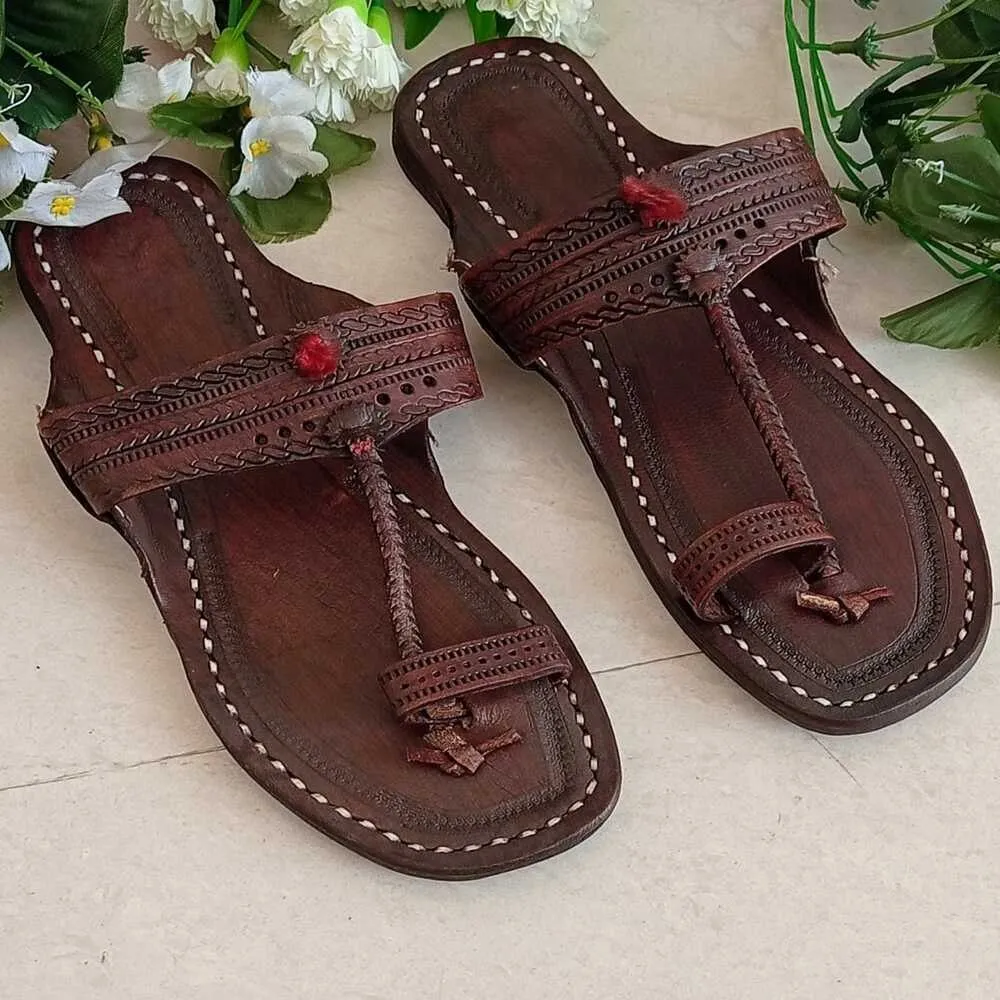
Kolhapuri chappals are special because of their traditional design, leatherworking heritage, and association with artisan communities in Maharashtra and Karnataka. Their open structure, distinctive straps, and handcrafted details set them apart from many ordinary sandals. Their appeal combines regional identity, practical footwear, and traditional Indian fashion.
2. Where did Kolhapuri chappals originate?
Kolhapuri chappals are associated with Kolhapur in Maharashtra, where traditional leather sandal-making became well established. Similar craft traditions also developed in nearby regions. The name is linked to the product’s geographical and cultural heritage, while the recognised GI product covers designated areas in Maharashtra and Karnataka.
3. Are Kolhapuri chappals made from genuine leather?
Many traditional Kolhapuri chappals are made from leather, but not every product marketed in this style uses genuine leather. Some modern versions use synthetic materials or mixed components. Buyers should read the material description carefully and ask the seller to clarify the upper, lining, and sole materials.
4. Are Kolhapuri chappals suitable for daily wear?
Yes, Kolhapuri chappals can suit daily wear when they fit properly and have suitable construction. They work well for many casual outings and short walks. However, some traditional pairs have firm soles and limited cushioning. For long-distance walking or standing, compare them with supportive footwear designed for those activities.
5. How can I identify good-quality Kolhapuri chappals?
Look for secure stitching, evenly cut straps, a well-finished sole, and a comfortable fit. Check for sharp edges, loose components, and visible defects. Ask about the materials and manufacturing origin. If you want a product associated with the recognised GI, seek credible information about its producer and geographical eligibility.
6. How should I care for Kolhapuri chappals?
Keep leather Kolhapuri chappals away from prolonged moisture and direct heat. Wipe off dust with a soft cloth and allow damp footwear to dry naturally. Use a suitable leather conditioner only if it matches the finish. Store the sandals in a dry, ventilated place and follow the maker’s care instructions.
7. Can Kolhapuri chappals be worn with Western outfits?
Yes, Kolhapuri chappals can complement Western clothing. Simple designs often pair well with jeans, trousers, cotton dresses, and casual shirts. Neutral colours are versatile, while decorative versions can create a stronger style statement. Choose a design that matches the outfit and provides enough comfort for the occasion.
8. Why can authentic Kolhapuri chappals cost more than ordinary sandals?
Authentic artisan-made Kolhapuri chappals may cost more because of leather quality, manual labour, detailed construction, finishing, and small-scale production. Prices also vary by design, seller, and location. A higher price alone does not prove authenticity or quality, so compare materials, craftsmanship, origin, and after-sales policies before buying.
Key Takeaways
- Kolhapuri chappals are traditional sandals associated with Maharashtra’s leatherworking heritage.
- Kolhapur is a major centre for this craft, alongside other recognised production areas.
- The recognised GI product covers designated regions in Maharashtra and Karnataka.
- Traditional designs often feature leather straps, toe loops, and artisan finishing.
- Comfort and durability depend on the material, fit, construction, and maintenance.
- Buyers should check product descriptions and verify origin claims when authenticity matters.
- Proper care can help extend the useful life of leather sandals.
- Traditional Kolhapuri chappals suit many casual and ethnic outfits, but may not meet every person’s support needs.
Final Verdict: Are Kolhapuri Chappals Worth Buying?
Kolhapuri chappals are a worthwhile choice for people who appreciate traditional Indian footwear, distinctive design, and artisan craftsmanship. They offer a style that connects everyday fashion with Maharashtra’s cultural heritage.
However, buyers should not judge a pair by its appearance alone. Material quality, construction, comfort, and the seller’s transparency all matter. Choose a well-fitting pair from a reliable source, and follow suitable care instructions to maintain its condition.
For anyone exploring Kolhapuri chappal in Maharashtra, buying from a knowledgeable artisan or transparent retailer can be a practical way to discover the craft while supporting traditional skills.
The best pair is one that combines authentic information, sound construction, comfortable fit, and a design you will enjoy wearing.
Conclusion
Kolhapuri chappals are an important part of Maharashtra’s rich cultural heritage and traditional craftsmanship. Known for their unique designs, handcrafted details, and practical style, they continue to attract people who appreciate traditional Indian footwear. Kolhapuri chappal in Maharashtra represents more than just sandals; it reflects the skills, creativity, and hard work of local artisans. Whether you want footwear for everyday use or a traditional touch for special occasions, Kolhapuri chappals offer a distinctive choice. Before buying, check the material, comfort, quality, and authenticity of the product. Choosing well-made Kolhapuri chappals can help you enjoy traditional style while supporting the artisans who preserve this valuable craft.