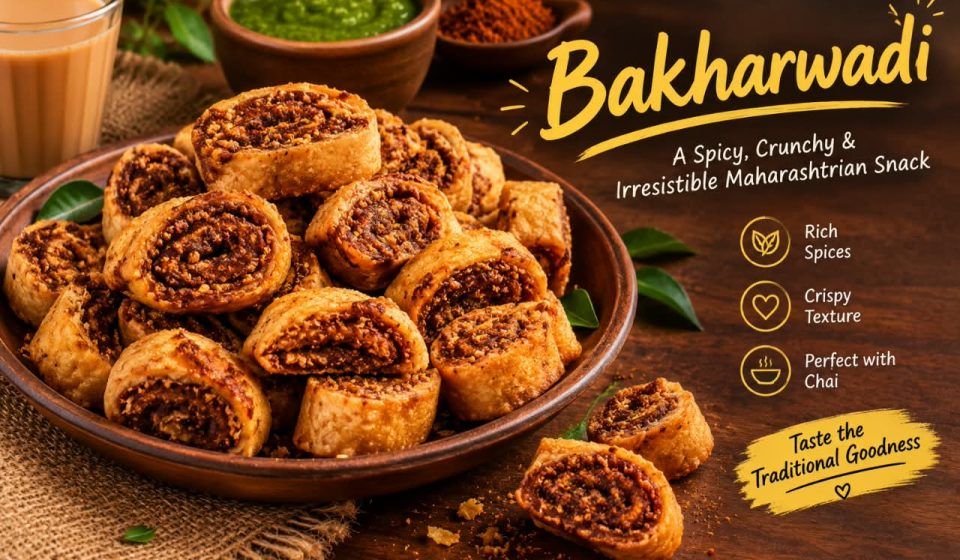

Bakharwadi in Maharashtra: History, Taste and Buying Guide
Bakharwadi is one of Maharashtra’s most loved traditional snacks. Known for its crispy outer layer, spicy filling, and sweet-and-tangy flavour, this spiral-shaped snack is popular among families, travellers, and food lovers. It is often enjoyed with tea and served during festivals, family gatherings, and special occasions.
Bakharwadi in Maharashtra has a strong connection with Marathi food culture, especially in Pune, where the snack became widely popular. Its combination of crunchy texture, aromatic spices, and balanced flavours makes it different from many other Indian savoury snacks.
Whether you want to learn about its origin, understand how it is prepared, or find the best way to buy and store it, this guide covers everything you need to know about traditional Maharashtrian bakharwadi.
What Is Bakharwadi?
Bakharwadi is a traditional Indian savoury snack made from a thin outer dough wrapped around a spiced filling. The roll is sliced into small spiral pieces and deep-fried until crisp. Its filling often contains coconut, sesame seeds, poppy seeds, chilli powder, and other spices, creating a distinctive sweet, spicy, and tangy taste.
History of Bakharwadi in Maharashtra
Bakharwadi is strongly associated with Maharashtra, particularly Pune, where it became a popular snack sold by traditional sweet shops and farsan businesses.
Its history is also linked to Gujarati snack-making traditions. Over time, bakharwadi became established in Maharashtra and developed regional variations in flavour, texture, and preparation.
Pune is especially well known for its bakharwadi shops. The snack became popular among local residents and visitors who wanted something crunchy, flavourful, and easy to carry home.
Today, bakharwadi is sold in local markets, sweet shops, supermarkets, and online stores. Some businesses produce it in small batches, while others use larger-scale manufacturing and packaging methods.
Although recipes vary, the main idea remains the same: a crisp outer layer, a flavourful filling, and a tightly rolled spiral shape.
Key Ingredients Used in Bakharwadi
Traditional bakharwadi gets its taste from a combination of flour, spices, seeds, and other ingredients. The exact recipe depends on the region and manufacturer.
Common ingredients include:
- Wheat flour or refined flour: Forms the outer covering.
- Grated dry coconut: Adds texture and a mild sweetness.
- Sesame seeds: Provide a nutty flavour.
- Poppy seeds: Used in some recipes for added texture and flavour.
- Red chilli powder: Gives the filling its heat.
- Coriander and cumin: Add warmth and aroma.
- Tamarind or other tangy ingredients: Create a sweet-and-sour flavour.
- Sugar or jaggery: Balances the spices.
- Salt and spice blends: Bring the flavours together.
- Oil: Helps create the crisp texture during frying.
Not every version contains all these ingredients. People with food allergies should always check the ingredient label before eating packaged bakharwadi.
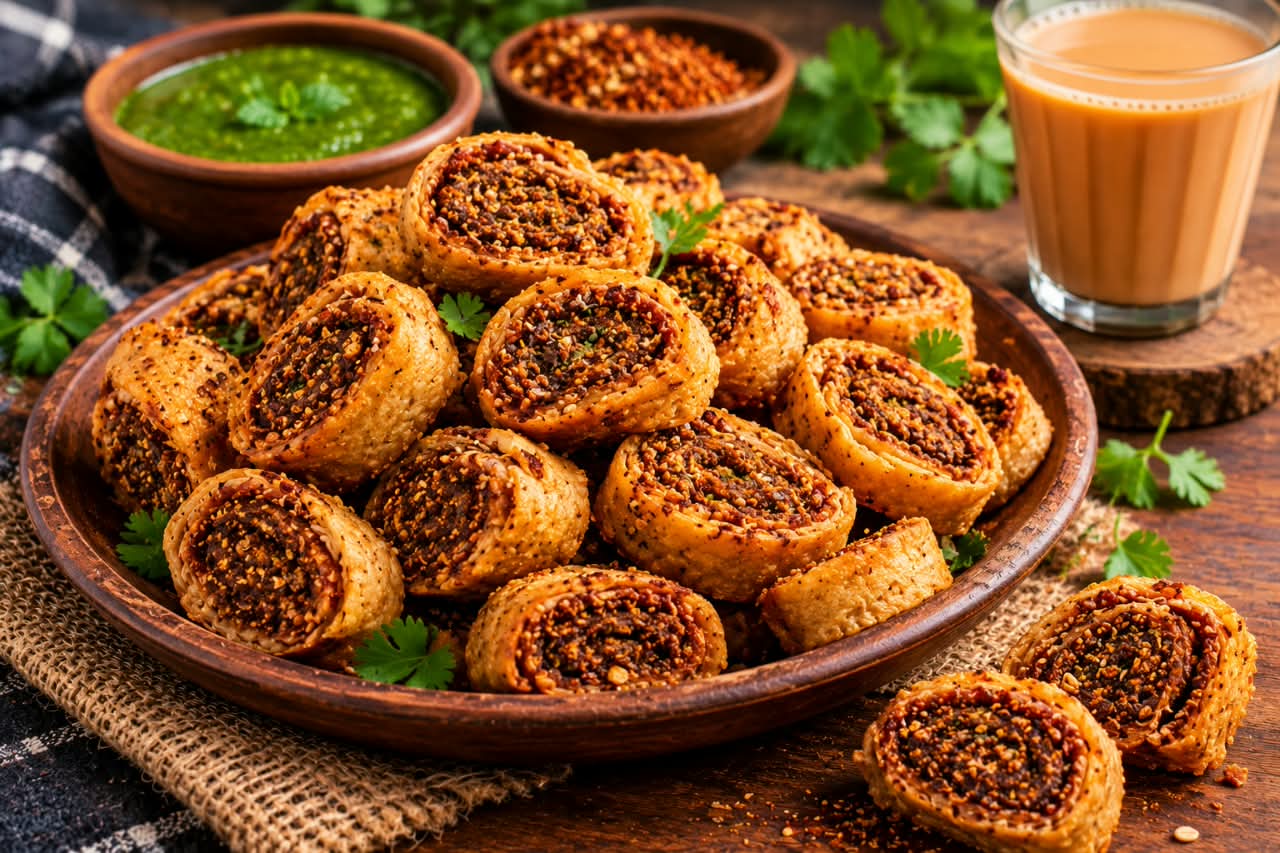
Why Is Bakharwadi Important in Maharashtra?
Bakharwadi is important because it connects regional food traditions with everyday snacking and local food businesses. It is widely enjoyed with tea, shared with guests, and purchased as a gift or travel snack. Its popularity also supports sweet shops, farsan manufacturers, distributors, and retailers across Maharashtra.
Cultural Importance
Food is an important part of Maharashtra’s cultural identity. Snacks such as bakharwadi, chivda, chakli, and bhakar are enjoyed in different settings, from everyday meals to celebrations.
Bakharwadi is particularly suitable for serving guests because it is easy to portion and share. Families may also purchase packaged varieties when visiting relatives or returning from a trip to Pune.
Business and Economic Importance
Bakharwadi is also a valuable product for the Indian snack industry.
Local sweet shops and farsan manufacturers can sell it alongside namkeen, sweets, and other savoury products. Packaged bakharwadi also reaches customers through supermarkets, online grocery platforms, and speciality food stores.
Businesses can serve different customer groups by offering:
- Traditional spicy bakharwadi.
- Mild versions for people who prefer less heat.
- Small snack packs for individual consumption.
- Larger family packs.
- Gift boxes for festivals and special occasions.
For food businesses, product consistency, freshness, hygiene, and clear packaging information are essential for building customer trust.
How Is Bakharwadi Made?
Bakharwadi is made by preparing a dough, creating a spiced filling, rolling the two together, slicing the roll, and frying the pieces. The filling must be spread evenly, and the roll must be tight enough to hold its spiral shape during cooking.
Step 1: Prepare the Outer Dough
The cook mixes flour, salt, a little oil, and water to form a firm dough.
The dough is kneaded until smooth and rested briefly. Resting makes it easier to roll into a thin sheet.
The outer layer should not be too thick. A thick covering can overpower the filling and make the snack less crisp.
Step 2: Prepare the Spiced Filling
The filling is made by combining ingredients such as coconut, sesame seeds, chilli powder, coriander, cumin, sugar, and a tangy seasoning.
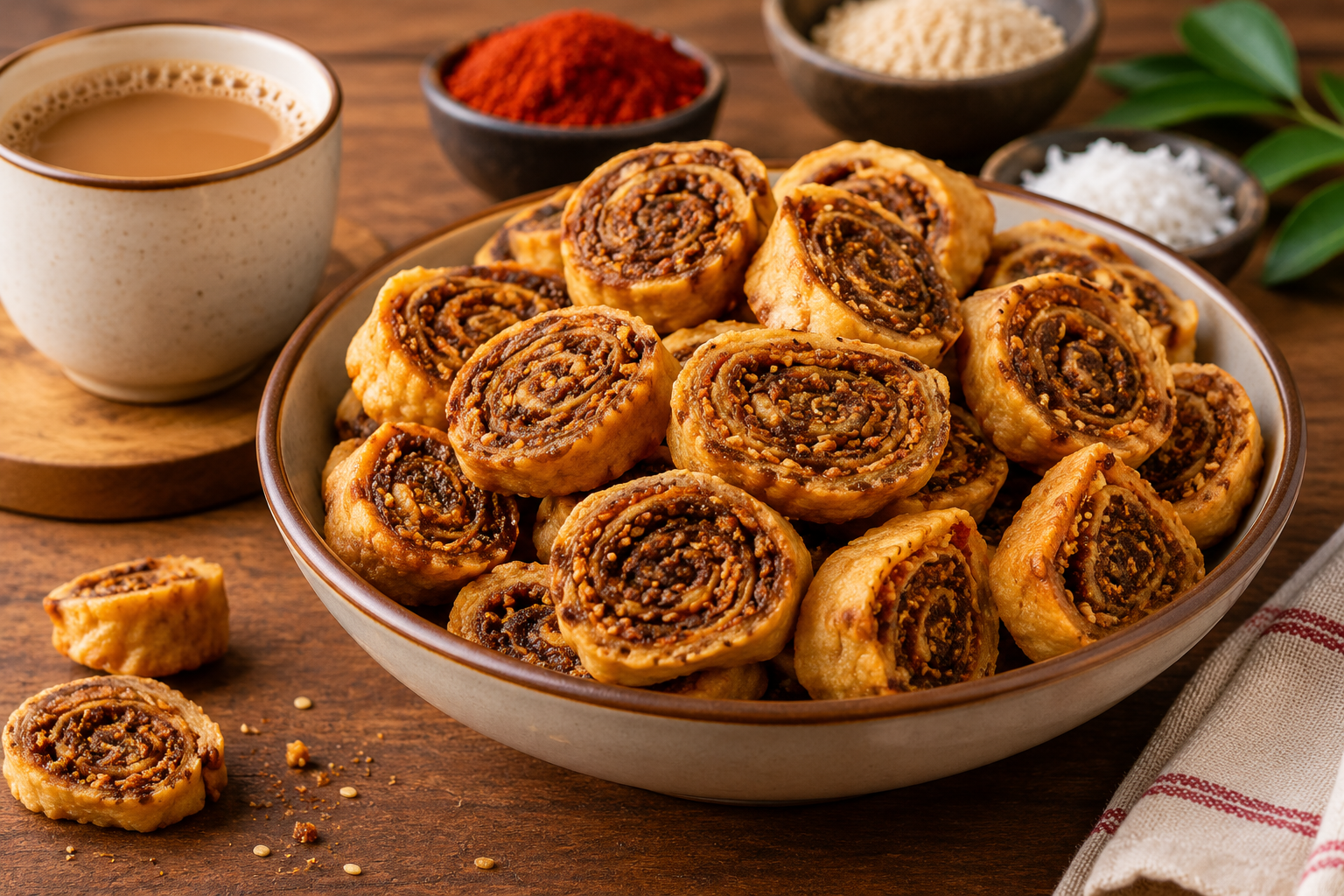
Some recipes lightly roast the dry ingredients to improve their aroma. The filling is then spread evenly over the rolled dough.
A balanced filling is important. Too much moisture can make the dough difficult to roll and may affect the finished texture.
Step 3: Roll, Slice, and Fry
The filled dough is rolled tightly into a long cylinder. The cylinder is then sliced into small pieces that reveal the familiar spiral pattern.
The pieces are deep-fried until crisp and evenly cooked. Once cooked, they are allowed to cool before being packed or served.
For commercial production, consistent slicing, controlled frying temperatures, hygienic handling, and suitable packaging help maintain quality.
Benefits of Bakharwadi
Bakharwadi offers several practical benefits as a traditional snack. However, its nutritional value depends on the ingredients, portion size, and cooking method.
- Convenient snacking: It is easy to serve at home, work, or social gatherings.
- Distinctive flavour: The mixture of spices, sweetness, and tanginess gives it a recognisable taste.
- Easy to share: Its small pieces make it suitable for family gatherings and guests.
- Travel-friendly: Properly packaged bakharwadi can be carried on journeys.
- Longer shelf life in suitable packaging: Commercial varieties may remain fresh for weeks or months, depending on the recipe, moisture level, packaging, and storage instructions.
- Regional food experience: Trying bakharwadi offers visitors a taste of Maharashtra’s snack culture.
- Business opportunities: Retailers and food entrepreneurs can include it in a broader range of traditional snacks.
Is Bakharwadi Healthy?
Bakharwadi can be enjoyed as an occasional snack, but traditional versions are usually deep-fried and may contain significant amounts of fat, salt, and refined flour.
Its coconut and seed ingredients can provide some nutrients, but they do not automatically make the snack a health food.
For a balanced diet, enjoy a moderate portion rather than eating large quantities regularly. People managing specific dietary needs should check the ingredients and nutrition label.
Challenges and Common Mistakes
Bakharwadi requires careful preparation to achieve its characteristic spiral shape and crisp texture. Common problems can affect both homemade and commercially produced versions.
| Problem | Possible cause | Practical solution |
| Soft or soggy texture | Excess moisture or unsuitable storage | Cool completely and use an airtight container |
| Filling falls out | Loose rolling or uneven filling | Spread the filling evenly and roll tightly |
| Uneven frying | Oil temperature is too high or low | Maintain a steady frying temperature |
| Bitter taste | Over-roasted spices or overheated oil | Roast ingredients carefully and use fresh oil |
| Very hard outer layer | Dough rolled too thick or cooked improperly | Roll the dough evenly and adjust frying |
| Weak flavour | Poor spice balance or stale ingredients | Use fresh spices and follow a tested recipe |
| Shorter shelf life | Moisture, poor sealing, or unsuitable storage | Follow food-safety and packaging guidance |
Common Misconceptions
All bakharwadi tastes the same. Recipes differ in spice levels, filling ingredients, sweetness, and texture.
Homemade bakharwadi always lasts longer. Shelf life depends on moisture, hygiene, packaging, and storage. Homemade snacks may spoil sooner than properly manufactured and packaged products.
Bakharwadi is suitable for every diet. Traditional recipes may contain gluten and other allergens. Some products may also contain ingredients unsuitable for particular dietary requirements.
A longer expiry date always means better quality. Shelf life is not the same as freshness or flavour. Always check the packaging date, expiry or best-before date, and storage instructions.
Best Practices and Expert Tips for Buying Bakharwadi
Follow these recommendations when buying bakharwadi for yourself, your family, or your business.
- Choose a reliable seller. Buy from a trusted sweet shop, established snack brand, or retailer with clear product information.
- Check freshness. Look for intact packaging and a clear manufacturing or packing date.
- Read the ingredient list. Check for allergens and ingredients that do not suit your dietary needs.
- Compare texture and flavour. A good product should have a crisp exterior and a balanced filling.
- Check the packaging seal. Damaged or poorly sealed packs may allow moisture to enter.
- Select the right pack size. Buy smaller packs if you plan to eat the snack occasionally.
- Store it properly. Keep it in a cool, dry place and close the container after use.
- Follow the label instructions. Storage requirements and shelf life vary between products.
- Compare value, not just price. Consider quantity, ingredients, freshness, and packaging quality.
- Ask about bulk orders. If you are buying for a shop or event, request wholesale prices, minimum order quantities, and delivery details.
Comparison: Bakharwadi vs Other Maharashtrian Snacks
Maharashtra has a wide range of traditional snacks. Bakharwadi stands out because of its spiral shape and layered filling.
| Feature | Bakharwadi | Chivda | Chakli |
| Main ingredients | Flour, spices, seeds, and often coconut | Flattened rice or other cereal-based ingredients | Rice flour, gram flour, or other flour blends |
| Texture | Crisp with a layered centre | Light and crunchy | Crunchy and firm |
| Shape | Small spiral pieces | Loose mixture | Twisted spiral |
| Taste | Spicy, tangy, and often slightly sweet | Savoury and seasoned | Savoury and spiced |
| Common preparation | Usually deep-fried | Roasted or fried, depending on the recipe | Usually deep-fried |
| Serving occasion | Tea time, gifting, travel | Everyday snacking and festivals | Festivals and family gatherings |
These snacks each have their own appeal. Bakharwadi is a good choice for people who enjoy a crisp exterior and a concentrated, spiced filling.
Frequently Asked Questions (FAQs)
1. What is bakharwadi famous for?
Bakharwadi is famous for its crispy spiral shape and spicy, sweet-and-tangy filling. It is strongly associated with Maharashtra, especially Pune, where traditional sweet shops and farsan businesses helped make it widely popular. People commonly enjoy it with tea, serve it to guests, or buy packaged varieties as gifts.
2. Where did bakharwadi originate?
Bakharwadi is associated with western India and has links to Gujarati snack-making traditions. It became especially popular in Maharashtra, particularly Pune. Over time, local businesses developed their own recipes and styles. Today, the snack is available across India through traditional shops, supermarkets, and online retailers.
3. What are the main ingredients in bakharwadi?
Common ingredients include flour, grated dry coconut, sesame seeds, chilli powder, coriander, cumin, sugar, salt, and other seasonings. Some recipes use poppy seeds or tamarind-based flavouring. Ingredients vary by manufacturer and region, so packaged products should always be checked for allergens and dietary requirements.
4. Is bakharwadi sweet or spicy?
Bakharwadi usually combines spicy, savoury, tangy, and mildly sweet flavours. The exact balance depends on the recipe. Some versions have a stronger chilli taste, while others emphasise sweetness or tanginess. Checking the product description or asking the seller can help you choose the flavour you prefer.
5. How long does bakharwadi stay fresh?
Bakharwadi’s shelf life depends on its moisture content, ingredients, packaging, and storage conditions. Commercial products may remain fresh for weeks or months when properly manufactured and sealed. Homemade versions may have a shorter shelf life. Always follow the manufacturer’s storage instructions and check the stated best-before or expiry date.
6. Can I make bakharwadi at home?
Yes, you can make bakharwadi at home using flour, spices, seeds, and other filling ingredients. Prepare a firm dough, spread the filling evenly, roll it tightly, slice the roll, and fry the pieces until crisp. Careful rolling and consistent frying help produce an attractive spiral and crunchy texture.
7. Is bakharwadi available outside Maharashtra?
Yes, bakharwadi is available in many Indian cities outside Maharashtra. Traditional snack shops, Indian grocery stores, supermarkets, and online retailers may sell it. Availability depends on the brand and location. Packaged varieties make it easier for customers to enjoy this regional snack without travelling to Pune.
8. How should bakharwadi be stored?
Store bakharwadi in an airtight container in a cool, dry place, following the product label. Keep it away from moisture, direct sunlight, and strong odours. Homemade bakharwadi should be cooled completely before storage. Discard any product that develops an unusual smell, visible mould, or other signs of spoilage.
Key Takeaways
- Bakharwadi is a popular savoury snack associated with Maharashtra, especially Pune.
- It features a crisp outer layer and a spiced filling with sweet and tangy notes.
- Traditional recipes commonly use flour, coconut, sesame seeds, and spices.
- Preparation involves making the dough, spreading the filling, rolling, slicing, and frying.
- Bakharwadi is convenient for tea time, travel, celebrations, and gifting.
- It is generally a deep-fried snack, so moderate portions are sensible.
- Freshness, packaging, ingredients, and storage affect product quality.
- Consumers can find bakharwadi in traditional shops, supermarkets, and online stores.
Final Verdict
Bakharwadi is a distinctive part of Maharashtra’s snack culture. Its crunchy texture, spiral design, and balanced spice blend make it a popular choice for tea time, celebrations, and gifting.
Pune remains an important place to explore bakharwadi, thanks to its traditional sweet shops and farsan businesses. However, customers across India can also enjoy it through reliable retailers and packaged snack brands.
When buying bakharwadi, look for fresh ingredients, intact packaging, and clear product information. If you are preparing it at home, focus on even filling, tight rolling, and controlled frying.
Conclusion
Bakharwadi is more than a crunchy snack; it reflects the rich food traditions and culinary creativity of western India. Bakharwadi in Maharashtra is especially popular in Pune, where the snack has become a familiar favourite among locals and visitors. Its combination of spices, sweetness, tanginess, and crisp texture makes it an appealing choice for everyday snacking and special occasions. Whether you buy it from a traditional farsan shop or prepare it at home, choose fresh ingredients and store it correctly to preserve its flavour. Exploring authentic bakharwadi is a simple way to experience one of Maharashtra’s best-known regional snacks.
