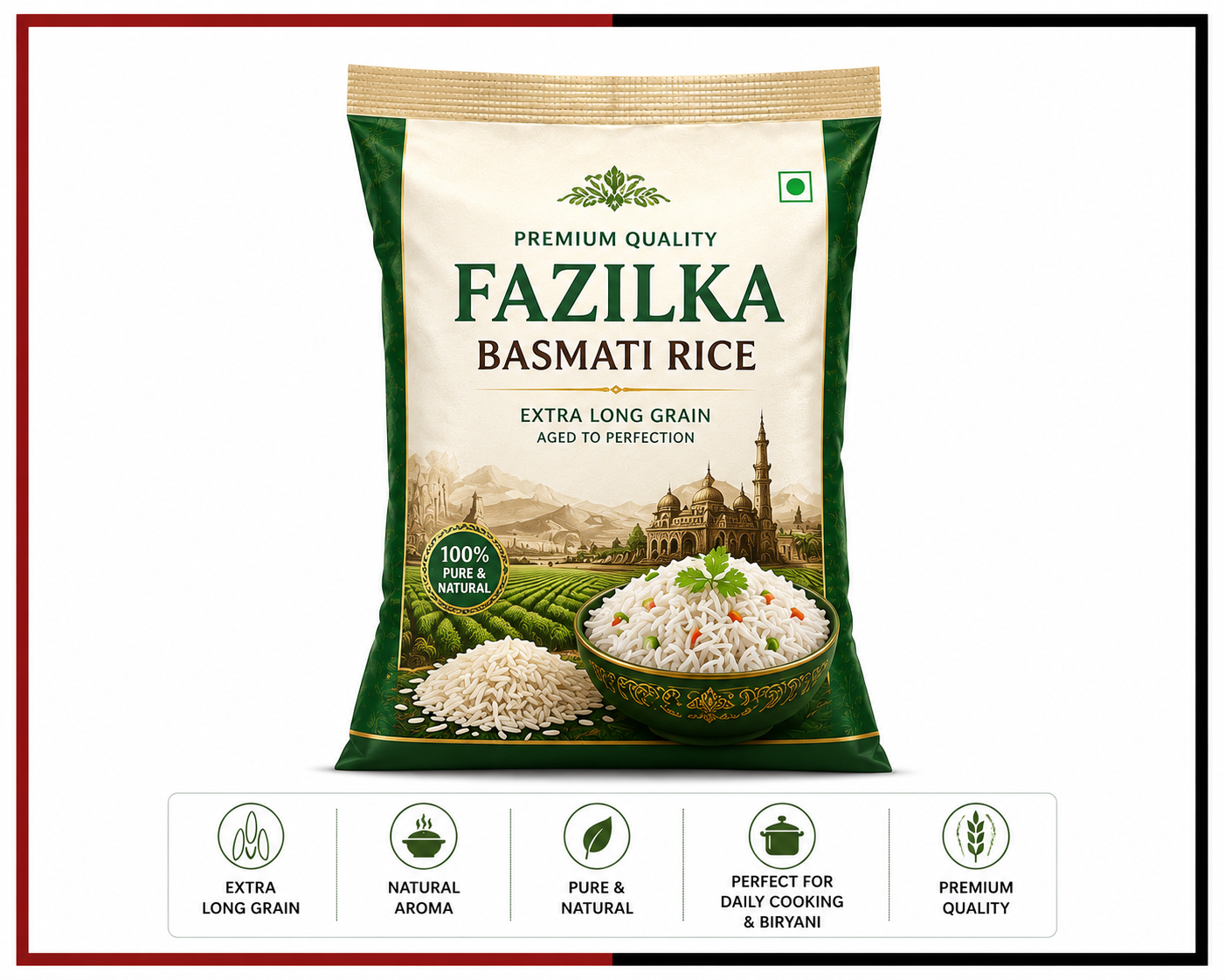
India is globally recognized for producing premium-quality Basmati rice, and Punjab remains one of its most important cultivation and processing regions. A Basmati Rice Manufacturer Fazilka plays a vital role in delivering aromatic, long-grain rice that meets both domestic and international quality standards. With fertile soil, favorable climate, and advanced milling facilities, Fazilka has become a preferred destination for premium Basmati production.
Whether you are a wholesaler, exporter, retailer, food business owner, or consumer, understanding how Basmati rice is cultivated, processed, and selected can help you make better purchasing decisions. This guide explains everything from production methods to quality standards, benefits, challenges, and best practices.
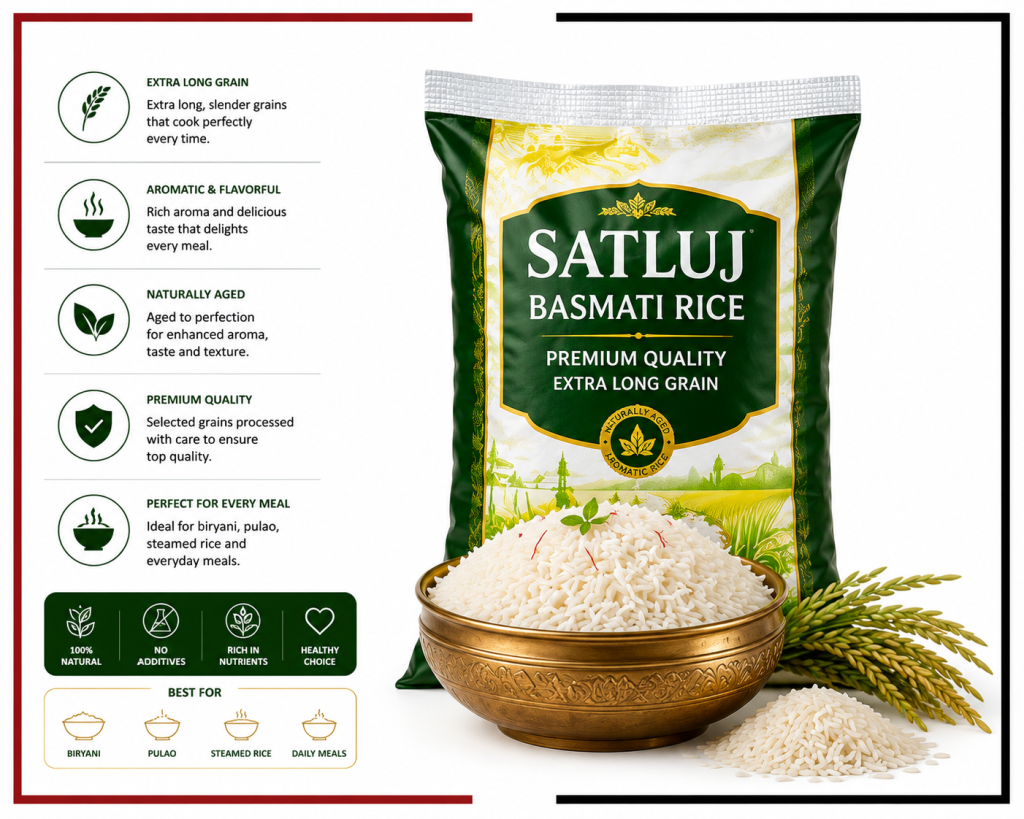
What Is Basmati Rice?
Quick Definition
A Basmati Rice Manufacturer Fazilka produces, processes, ages, packages, and supplies premium aromatic long-grain rice grown mainly in Northern India. These manufacturers follow strict quality control, grading, milling, and packaging processes to deliver rice suitable for domestic markets and international exports.
Detailed Explanation
Basmati rice is famous for its naturally pleasant aroma, extra-long grains, delicate texture, and fluffy appearance after cooking. Unlike ordinary rice varieties, authentic Basmati undergoes careful cultivation, harvesting, milling, and aging before reaching consumers.
Manufacturers in Fazilka source high-quality paddy from experienced farmers and process it using modern milling technology. The rice is cleaned, polished, graded, sorted, aged, and packed according to customer specifications.
Key Components
- Premium Basmati paddy sourcing
- Modern rice milling
- Grain grading and sorting
- Aging and storage
- Quality inspection
- Hygienic packaging
- Domestic distribution
- International exports

Why Is Basmati Rice Manufacturer Fazilka Important?
Direct Answer
A Basmati Rice Manufacturer Fazilka ensures premium rice quality by combining skilled farming practices with advanced processing technology. These manufacturers help maintain food safety, consistent grain quality, export standards, and customer satisfaction while supporting Punjab’s agricultural economy.
Detailed Explanation
Fazilka has become an important agricultural district because of its fertile land and ideal climatic conditions for growing Basmati rice. Manufacturers contribute by:
- Purchasing crops from local farmers
- Maintaining international quality standards
- Creating employment opportunities
- Supporting agricultural exports
- Meeting global demand for premium rice
Their role extends beyond milling. They ensure traceability, hygiene, food safety, and timely delivery.
How Does a Basmati Rice Manufacturer Fazilka Work?
Direct Answer
A Basmati rice manufacturer follows a structured process that includes procurement, cleaning, milling, grading, aging, packaging, quality testing, and distribution. Each stage improves grain quality while preserving aroma, texture, and nutritional value.
Step 1: Procurement
Manufacturers purchase freshly harvested Basmati paddy from trusted farmers.
Quality checks include:
- Moisture level
- Grain maturity
- Foreign material inspection
- Variety verification
Example
Farmers deliver Pusa Basmati or Traditional Basmati varieties after harvest.

Step 2: Processing
The paddy undergoes multiple operations:
- Cleaning
- Destoning
- Husking
- Whitening
- Polishing
- Length grading
- Color sorting
Modern optical sorters remove defective grains.
Step 3: Aging and Packaging
Premium Basmati is often aged for several months to improve:
- Aroma
- Cooking quality
- Grain elongation
- Texture
The rice is then packed in moisture-resistant packaging for wholesalers, retailers, exporters, hotels, and supermarkets.
Benefits of Choosing a Basmati Rice Manufacturer Fazilka
Direct Answer
Working with an established manufacturer provides consistent quality, better food safety, reliable supply, export-ready packaging, and competitive pricing. These advantages benefit both commercial buyers and individual consumers.
1. Superior Grain Quality
Manufacturers use advanced grading equipment to ensure uniform grain size.
Outcome: Better cooking performance.
2. Rich Aroma
Proper aging enhances the characteristic Basmati fragrance.
Outcome: Improved dining experience.
3. High Food Safety Standards
Modern processing minimizes contamination.
Outcome: Safer consumption.
4. Export-Grade Packaging
Vacuum and laminated packaging preserve freshness.
Outcome: Longer shelf life.
5. Consistent Supply
Established manufacturers maintain inventory throughout the year.
Outcome: Reliable business operations.
6. Better Value
Bulk purchasing reduces procurement costs.
Outcome: Improved profitability for distributors.
7. International Compliance
Many manufacturers comply with export requirements.
Outcome: Easier global trade.
8. Product Variety
Manufacturers often supply:
- Traditional Basmati
- Pusa Basmati
- Steam Rice
- Sella Rice
- Golden Sella Rice
- Brown Basmati Rice
Outcome: Multiple options for buyers.
Challenges and Common Mistakes
Direct Answer
The biggest challenges include poor storage, selecting unreliable suppliers, inadequate quality testing, and ignoring certifications. Proper supplier evaluation and quality inspection reduce these risks.
Problem: Low-Quality Raw Material
Cause
Poor farming practices.
Solution
Source from experienced growers.
Problem: Moisture Damage
Cause
Improper storage.
Solution
Use climate-controlled warehouses.
Problem: Broken Grains
Cause
Incorrect milling settings.
Solution
Maintain calibrated machinery.
Problem: Inconsistent Quality
Cause
Weak quality control.
Solution
Regular laboratory testing.
Problem: Packaging Damage
Cause
Poor transportation.
Solution
Use durable export-grade packaging.
Best Practices and Expert Tips
- Choose manufacturers with modern processing facilities.
- Verify grain variety before purchasing.
- Check moisture percentage.
- Ask about rice aging duration.
- Review quality certifications.
- Inspect packaging quality.
- Request product samples.
- Compare grain length after cooking.
- Confirm supply capacity.
- Build long-term supplier relationships.
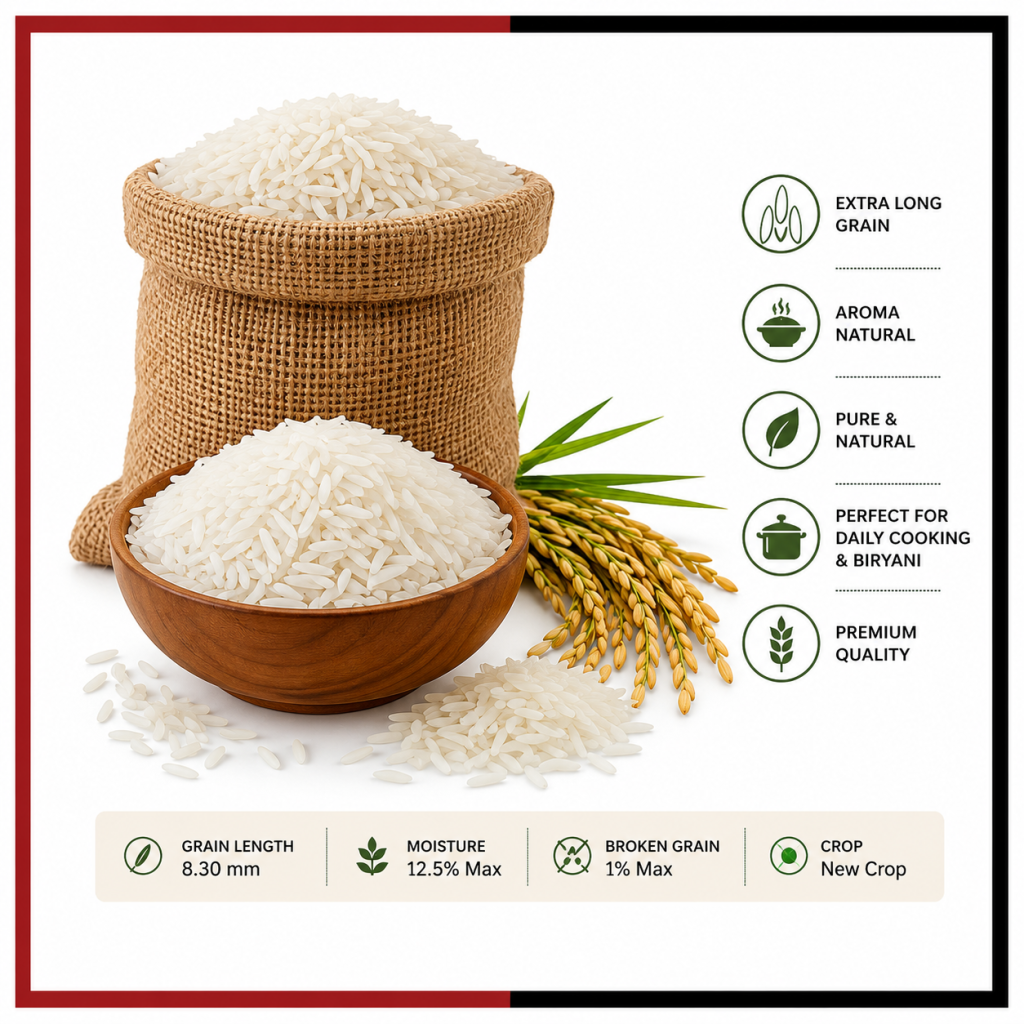
Comparison Table
| Feature | Premium Basmati Rice | Ordinary Rice |
|---|---|---|
| Aroma | Naturally aromatic | Mild aroma |
| Grain Length | Extra long | Medium or short |
| Cooking Expansion | High | Moderate |
| Texture | Fluffy | Softer |
| Export Demand | Very High | Moderate |
| Premium Pricing | Yes | Lower |
| Shelf Life | Long with proper storage | Standard |
| Best Uses | Biryani, Pulao, Fine Dining | Daily meals |
Answer
A Basmati rice manufacturer procures paddy, processes it through cleaning and milling, ages it for improved quality, packages it hygienically, and supplies premium rice to domestic and international markets while maintaining strict quality standards.
Answer
Fazilka offers fertile soil, suitable climate, experienced farmers, and modern rice processing infrastructure, making it an excellent location for producing premium-quality Basmati rice.
Answer
Basmati rice has longer grains, a distinctive aroma, better elongation after cooking, and a fluffier texture compared to ordinary rice varieties.
Answer
Yes. Properly aged Basmati generally develops a stronger aroma, better cooking performance, and improved grain separation, making it highly preferred in premium markets.
Answer
Store rice in a cool, dry place inside airtight containers away from sunlight and moisture to maintain freshness and aroma.
Answer
Basmati rice is widely used by restaurants, hotels, catering businesses, supermarkets, exporters, food processors, and retail consumers.
Answer
Buyers should evaluate grain quality, certifications, processing technology, packaging standards, delivery capability, and product consistency before selecting a manufacturer.
Answer
Many established manufacturers are equipped to produce export-quality Basmati rice with grading, quality testing, and packaging suitable for international buyers.
Key Takeaways
- Fazilka is an important Basmati rice production region.
- Modern manufacturers combine technology with traditional farming.
- Quality begins with premium paddy selection.
- Aging improves aroma and cooking quality.
- Proper processing ensures food safety.
- Export-grade packaging preserves freshness.
- Reliable manufacturers maintain consistent quality.
- Careful supplier selection supports long-term business success.
Final Verdict
A reliable Basmati Rice Manufacturer Fazilka combines experienced sourcing, advanced processing technology, rigorous quality control, and efficient packaging to deliver premium rice for domestic and international markets. Buyers should prioritize manufacturers with strong quality assurance systems, consistent product standards, and transparent sourcing practices. By evaluating grain quality, processing methods, and storage practices, businesses and consumers can confidently select Basmati rice that offers excellent aroma, texture, and cooking performance.
Conclusion
Choosing the right Basmati Rice Manufacturer Fazilka is essential for obtaining premium-quality rice with consistent aroma, long grains, and excellent cooking characteristics. Modern manufacturing processes, proper aging, strict quality control, and hygienic packaging all contribute to delivering a superior product. Whether you are sourcing rice for retail, hospitality, exports, or household use, partnering with a trusted manufacturer ensures dependable quality, food safety, and long-term value.
| Manufacturer Names | Phone No | Website |
| Fazilka Rice Agro Mills | 9814612345 | Visit Website |
| Abohar Rice Processing Unit | 9876234567 | Visit Website |
| Satluj Agro Food Processing | 9417312345 | Visit Website |
| Border Belt Rice Mills | 9815123456 | Visit Website |
| Zamindara Agro Industries | 9463512345 | Visit Website |
| Jalalabad Basmati Rice Complex | 9888212345 | Visit Website |
| Krishna Rice General Mills | 9814056789 | Visit Website |
Leave a Reply