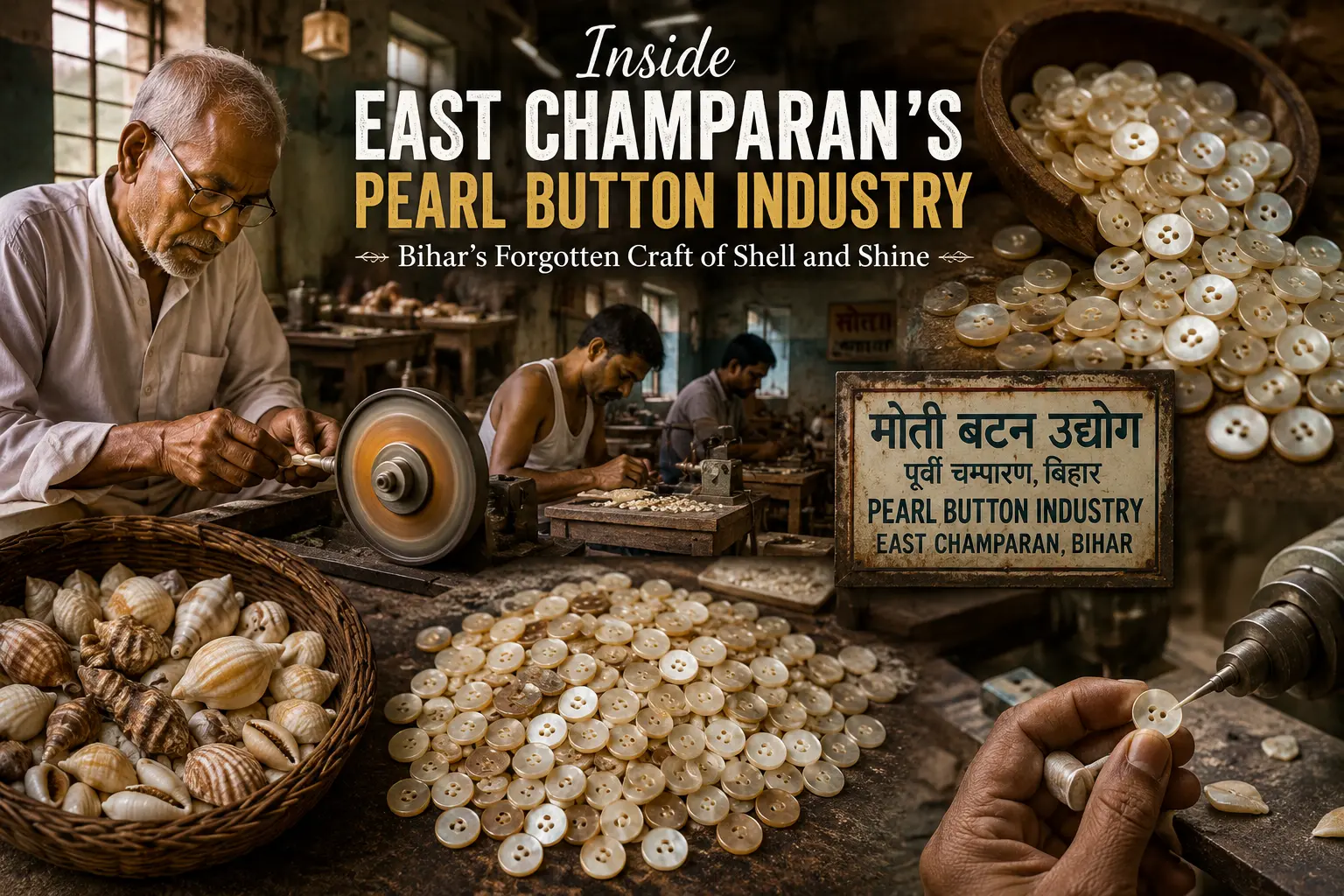
Inside East Champaran's Pearl Button Industry: Bihar's Forgotten Craft of Shell and Shine
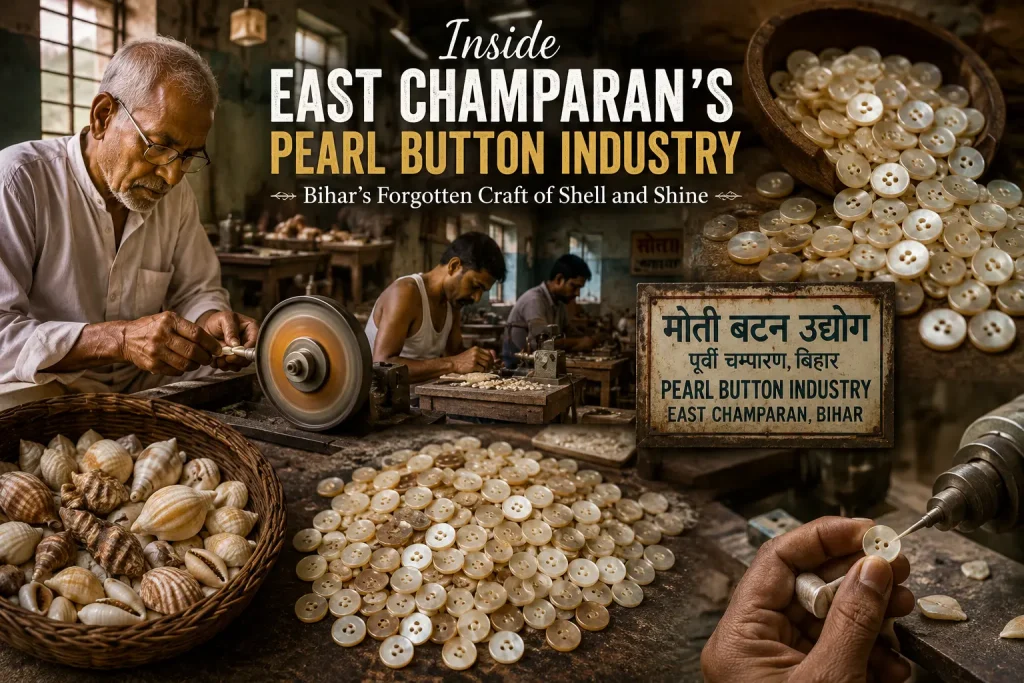
The pearl button industry in East Champaran is really something. It is based in a town called Mehsi. This industry is one of the unique things about Bihar.. Not a lot of people know about it. A time ago someone in Mehsi tried using oysters from the river to make buttons. This was the start of a business that people all over the country knew about. Nowadays people like things that are made by hand and things that are natural. So the pearl button industry in Mehsi is becoming popular again. This is news for people who start their own businesses and for people who like old crafts. The pearl button industry, in East Champaran is finding life. The pearl button industry is getting a chance to shine.
The Heritage of Mehsi's Pearl Button Industry
The industry traces its origins to 1905, when Bhulawan Lal, a school sub-inspector from Mehsi, began handcrafting buttons from oyster shells found in the Sikrahna river. Early attempts were rough and drew criticism for poor finishing, but the push to encourage indigenous industry kept the effort alive. That criticism eventually led the founders to import machinery from Japan, which transformed a small experiment into an organised local industry. At its peak, around 160 button factories operated across 13 panchayats of Mehsi block, making it the only industry of its kind in the country.
The Materials and Grades of Pearl Buttons
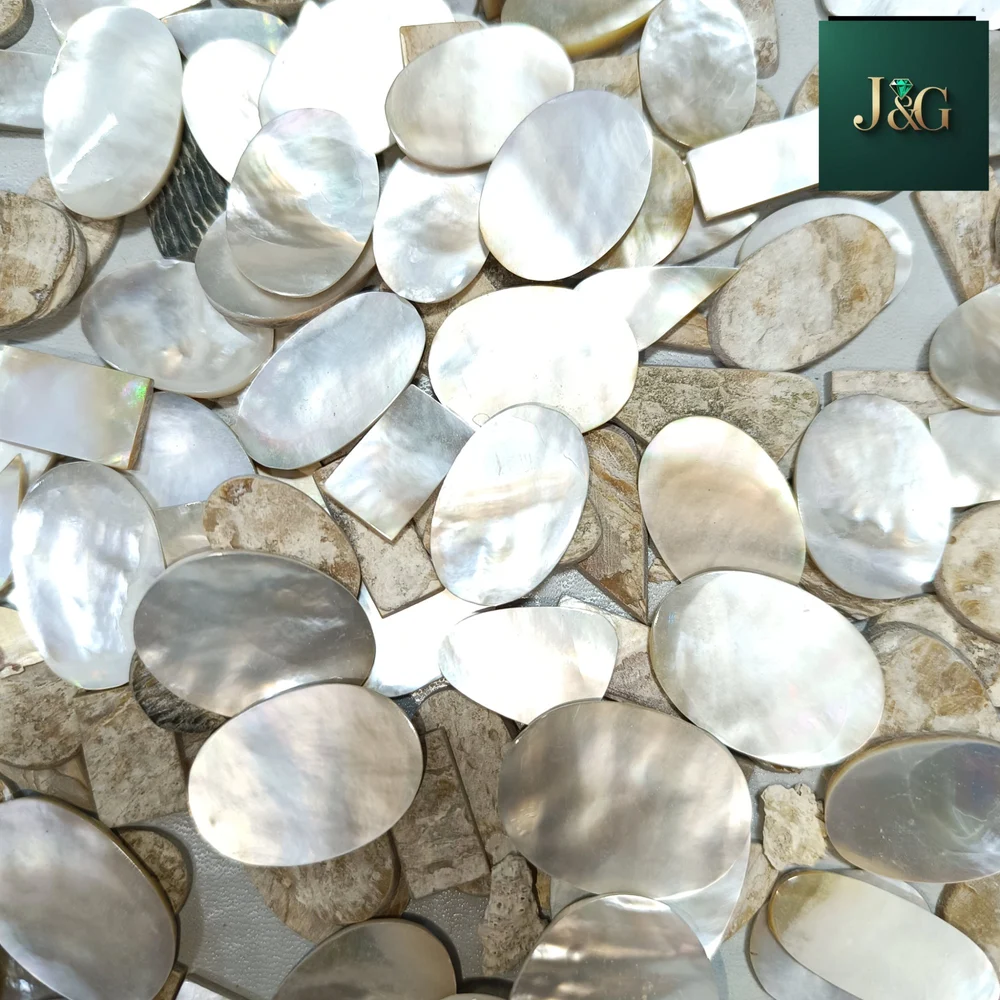
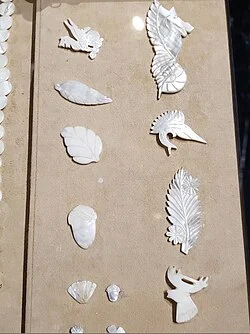
Mehsi’s buttons were made from oyster shells collected from local rivers, prized for their natural pearly sheen. Manufacturers classified output into big, medium, and small grades to serve different garment needs, with a separate coating category for finer finishes. Even the shell waste was put to use—refuse pearl pieces were pieced together for decorative flooring, ensuring the raw material was used with almost no wastage. This resourceful, low-waste approach made the craft both economical and distinctly sustainable for its time.
How Pearl Buttons Are Made
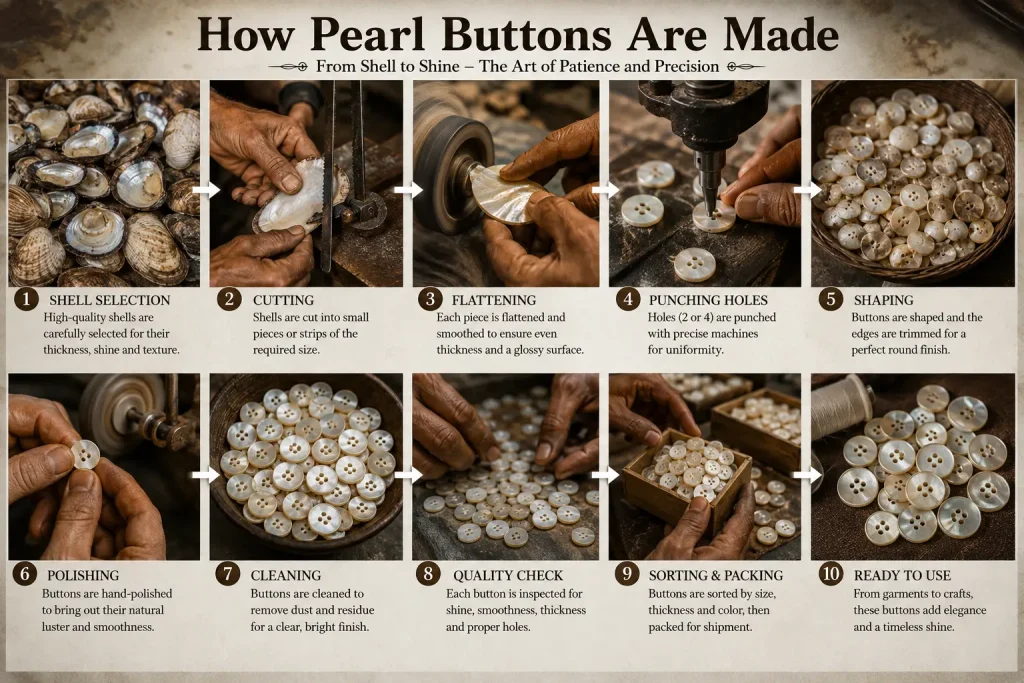
The process starts with collecting oyster shells from the Sikrahna and Burhi Gandak rivers, traditionally done by hand. Shells are then cut, shaped, and drilled into button forms using specialised machinery, before being smoothed, polished, and finished. Once shaped, the buttons are pasted onto paper sheets for packaging and sale, a task historically carried out by women and children in artisan households. Because each stage of production depended on manual skill and local raw material, the finished buttons carried the natural variation and lustre typical of genuine shell craftsmanship.
Employment and Economic Significance
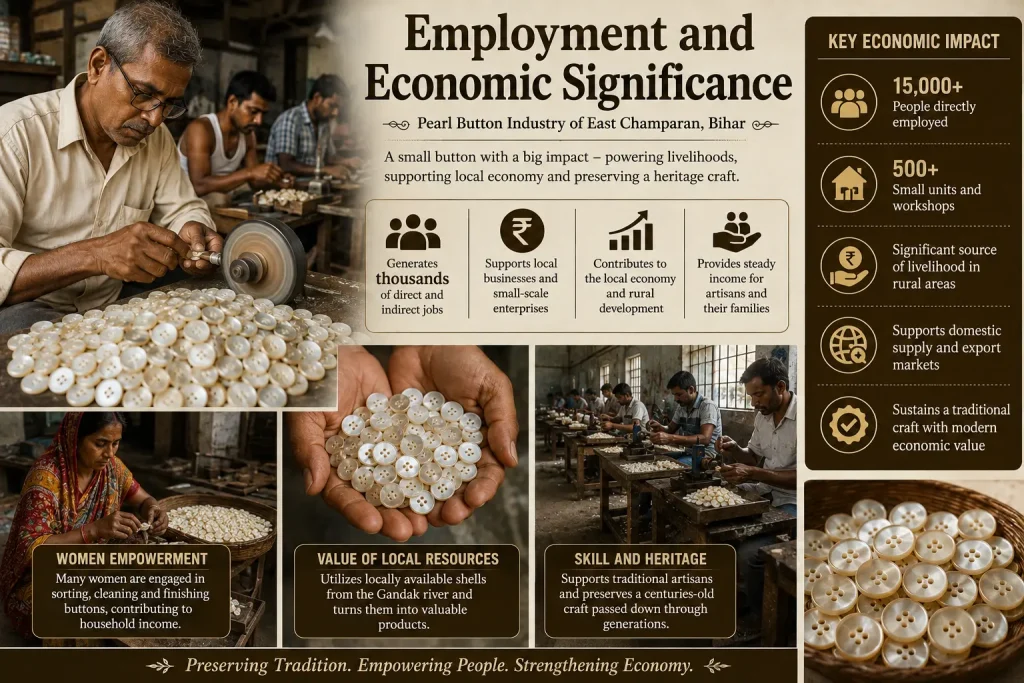
The pearl button industry was really big at one point. It directly employed around 10,000 artisans and laborers. Thousands more people were indirectly employed in jobs like collecting shells and pasting buttons. The artisans were divided into two groups. Some people collected oyster shells from the rivers. Others worked in the factories making the buttons. This industry was a source of income for people in Mehsi and the surrounding villages. It was as important as agriculture and the litchi trade in the region.
Present-Day Status and Business Potential
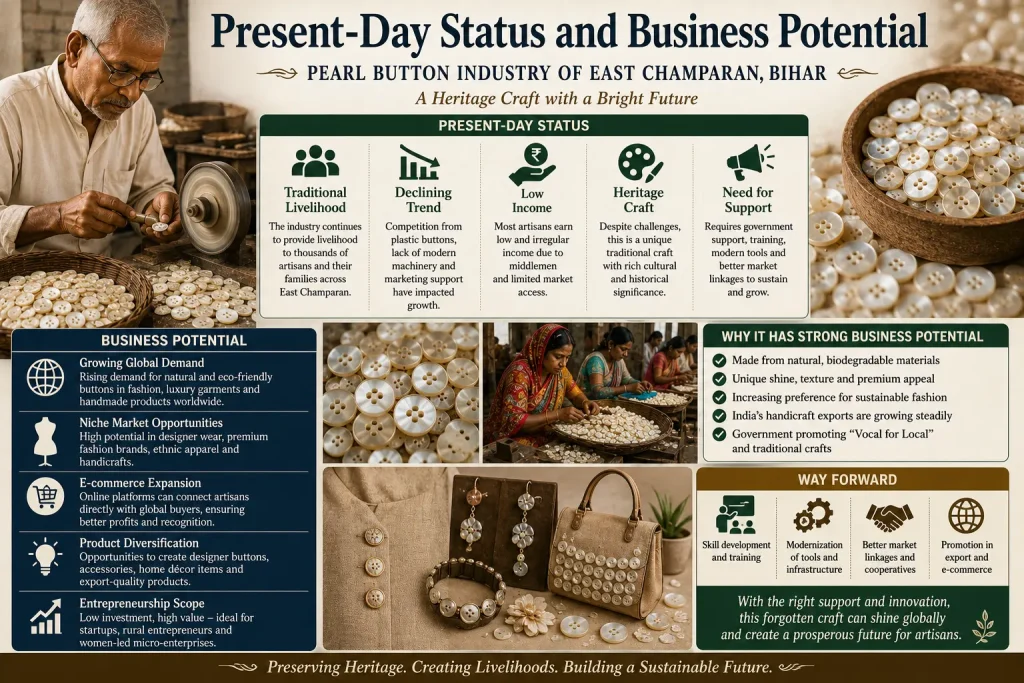
The industry is not as big as it used to be.. Mehsi is still recognized as a place where pearl buttons are made. The government has plans to develop the industry in East Champaran. People who want to start a business can revive the craft of making pearl buttons. The raw materials are not expensive. There are already workers in the area. The demand for biodegradable buttons is increasing. This could be an opportunity for entrepreneurs. The pearl button industry was ahead of its time in terms of sustainability.
Conclusion
The pearl button industry in East Champaran is a part of Bihars craft history. It started with one mans work and grew into a big industry. The industry may not be as big as it used to be.. Its legacy lives on in Mehsi. The story of the pearl button industry is inspiring. It shows that traditional crafts can be revived and thrive in the world. The demand for handmade materials is increasing. This could be an opportunity for the pearl button industry to make a comeback.
Leave a Reply