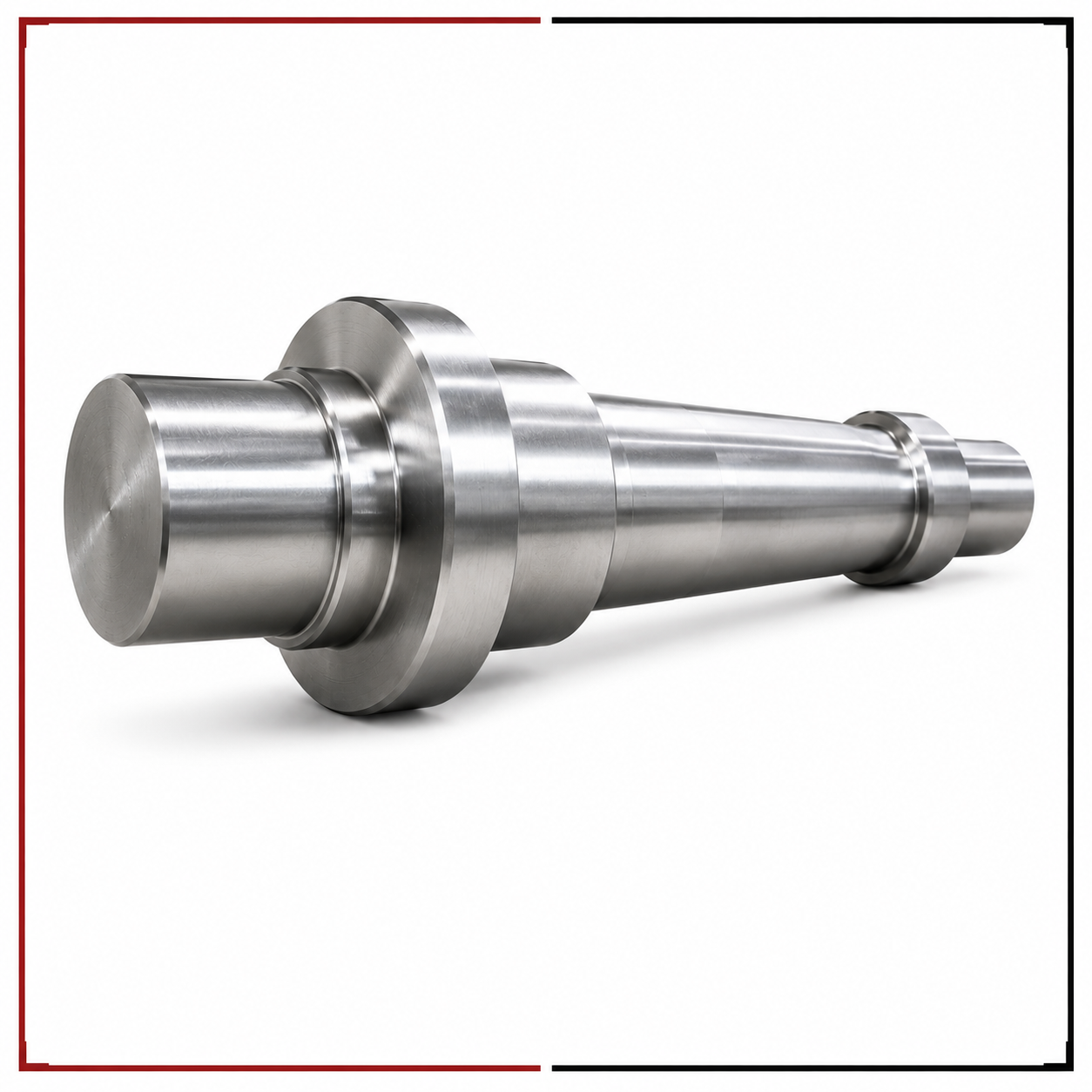
Choosing the right Industrial Forging Manufacturer Punjab is essential for businesses that rely on strong, durable, and precision-engineered metal components. Forged items play a critical role in industries such as automotive, agriculture, railways, construction, oil & gas, heavy engineering, and power generation. Poor-quality forged components can lead to equipment failure, increased maintenance costs, and safety risks.
Punjab, especially industrial hubs like Mandi Gobindgarh, Ludhiana, Jalandhar, and Fatehgarh Sahib, has earned a strong reputation for manufacturing high-quality forged products for domestic and international markets. In this guide, you’ll learn what forged items are, how industrial forging works, its advantages, common applications, challenges, best practices, and how to select the right manufacturing partner.
What Is Forging?
Quick Definition
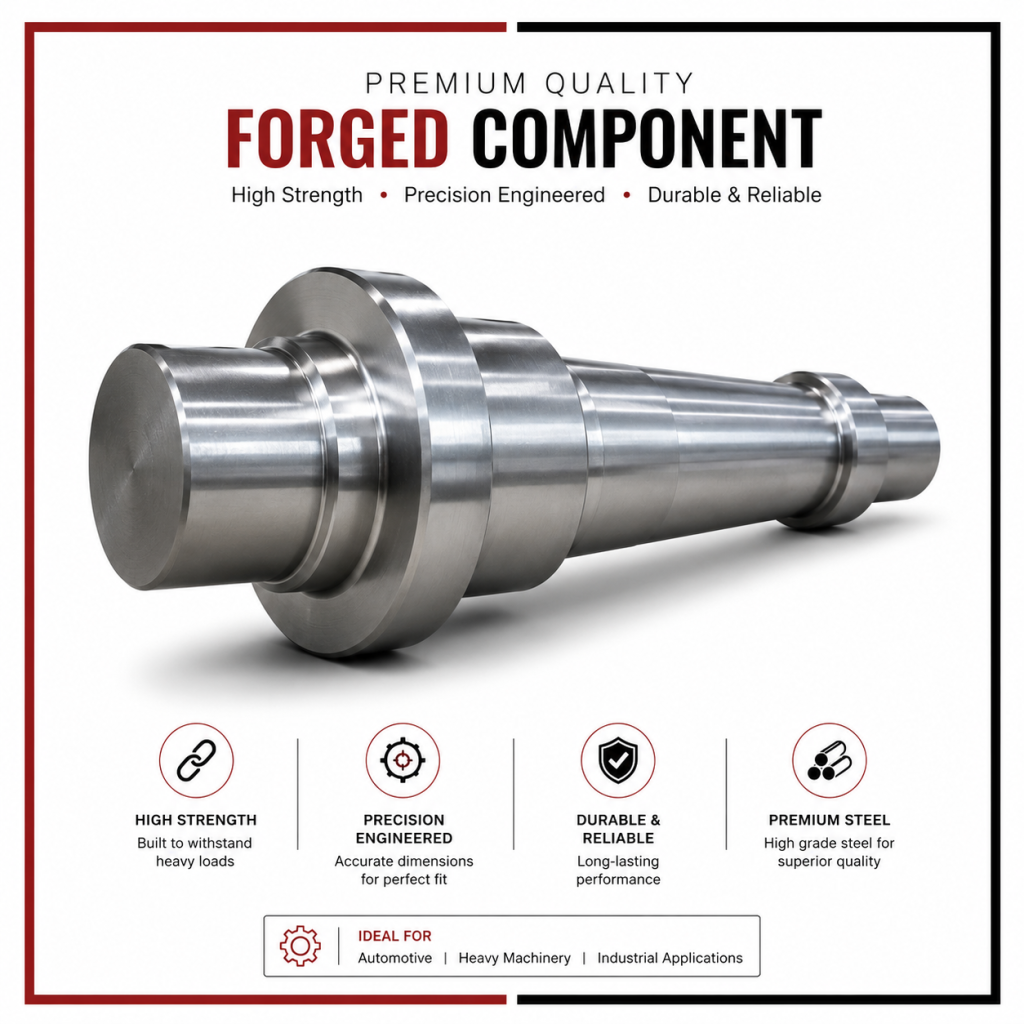
Forging is a manufacturing process in which metal is shaped using compressive forces, usually with hammers, presses, or dies. It improves the metal’s grain structure, making forged components stronger, tougher, and more durable than cast or machined alternatives.
Detailed Explanation
Forging has been used for centuries to produce reliable metal parts capable of handling extreme loads and harsh operating conditions. Today, modern forging combines advanced machinery with precise temperature control to manufacture highly accurate industrial components.
Unlike casting, where molten metal is poured into molds, forging reshapes solid metal. This process aligns the internal grain flow of the material, significantly increasing its mechanical strength.
An experienced Industrial Forging Manufacturer Punjab typically produces components from:
- Carbon Steel
- Alloy Steel
- Stainless Steel
- Mild Steel
- Tool Steel
- Brass
- Copper
- Aluminum
- Titanium (special applications)
Key Components of Industrial Forging
- Raw metal billets
- Heating furnace
- Forging press or hammer
- Closed or open dies
- Heat treatment
- Machining
- Surface finishing
- Quality inspection
- Packaging
Why Is Industrial Forging Important?
Direct Answer
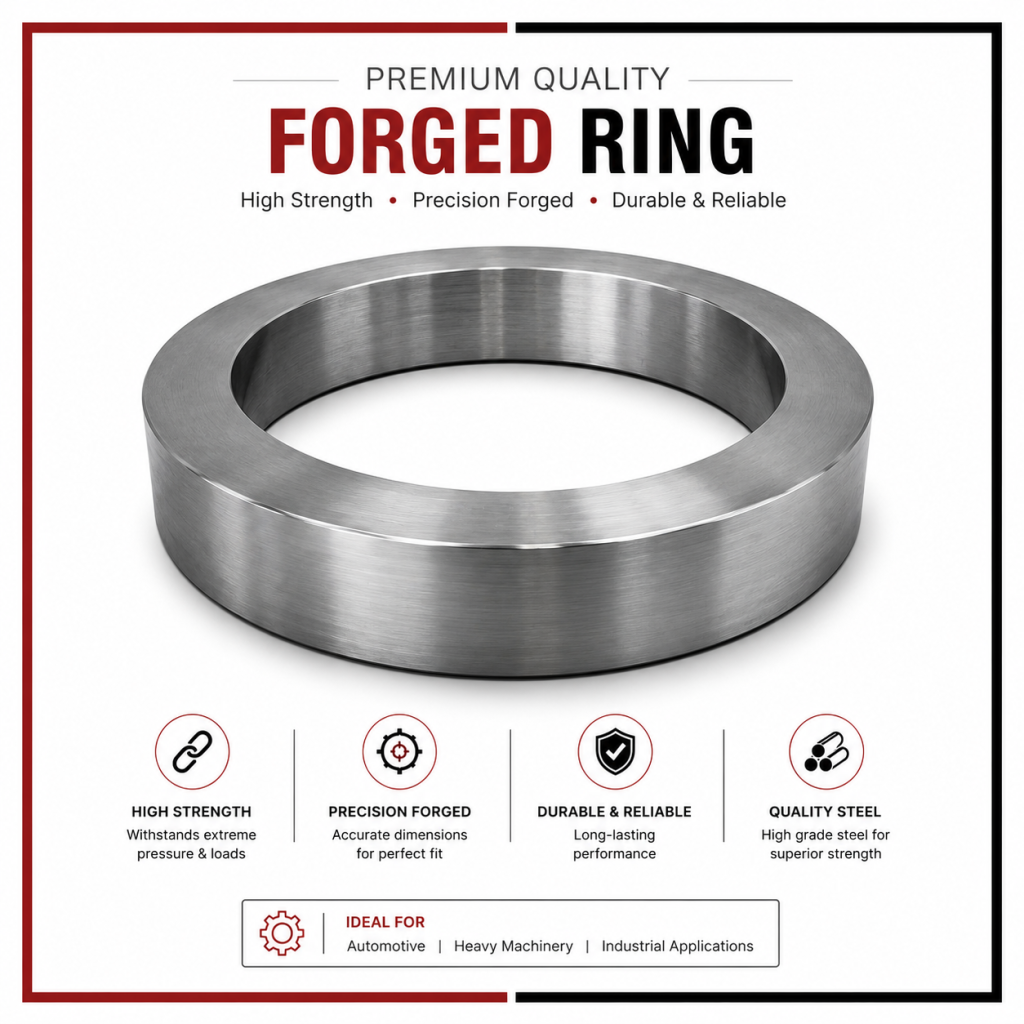
Industrial forging produces stronger and longer-lasting metal components by improving internal grain flow and reducing structural defects. It delivers higher reliability, better fatigue resistance, and greater impact strength than many alternative manufacturing methods.
Detailed Explanation
Forged parts are preferred where safety and performance matter most.
Industries depend on forging because it offers:
- Exceptional structural integrity
- Reduced risk of failure
- Longer service life
- Better wear resistance
- Improved mechanical properties
- Consistent quality
For businesses, these advantages mean:
- Lower maintenance costs
- Improved productivity
- Reduced downtime
- Enhanced equipment reliability
- Better return on investment
Industrial Forging Manufacturer Punjab: Why Punjab Leads the Industry
Direct Answer
Punjab is one of India’s leading forging manufacturing regions due to its skilled workforce, advanced infrastructure, high-quality steel availability, and decades of engineering expertise.
Detailed Explanation
Punjab has developed into a major engineering and forging hub.
Several factors contribute to its leadership:
- Advanced manufacturing facilities
- Modern CNC machining capabilities
- Skilled technicians
- International export standards
- Competitive pricing
- Strong logistics network
- Availability of premium-grade steel
Industrial clusters like Mandi Gobindgarh are often called India’s “Steel Town” because of their extensive metal processing ecosystem.
Major industries served include:
- Automobile manufacturers
- Tractor manufacturers
- Agricultural equipment
- Construction machinery
- Railway engineering
- Defence equipment
- Oil & gas
- Heavy industrial machinery

How Does Industrial Forging Work?
Direct Answer
Industrial forging involves heating metal, shaping it using controlled compressive force, refining its internal structure, heat treating it, machining it to final dimensions, and performing strict quality inspections.
Step 1: Material Selection
Manufacturers choose the appropriate metal depending on the application.
Example:
A heavy-duty crankshaft requires alloy steel with excellent fatigue resistance.
Step 2: Heating
The raw billet is heated to a specific temperature.
Heating makes the material easier to deform without cracking.
Step 3: Forging
The heated metal is pressed or hammered into the required shape.
Methods include:
- Open-die forging
- Closed-die forging
- Drop forging
- Press forging
- Upset forging
- Ring rolling
Step 4: Heat Treatment
Heat treatment improves:
- Hardness
- Toughness
- Wear resistance
- Strength
Step 5: Machining
Precision machining ensures dimensional accuracy.
Processes include:
- Turning
- Milling
- Drilling
- Grinding
- Thread cutting
Step 6: Inspection
Every component undergoes strict quality testing.
Common inspections include:
- Dimensional inspection
- Ultrasonic testing
- Hardness testing
- Tensile testing
- Magnetic particle testing
- Chemical composition analysis
Benefits of Forged Items
Direct Answer
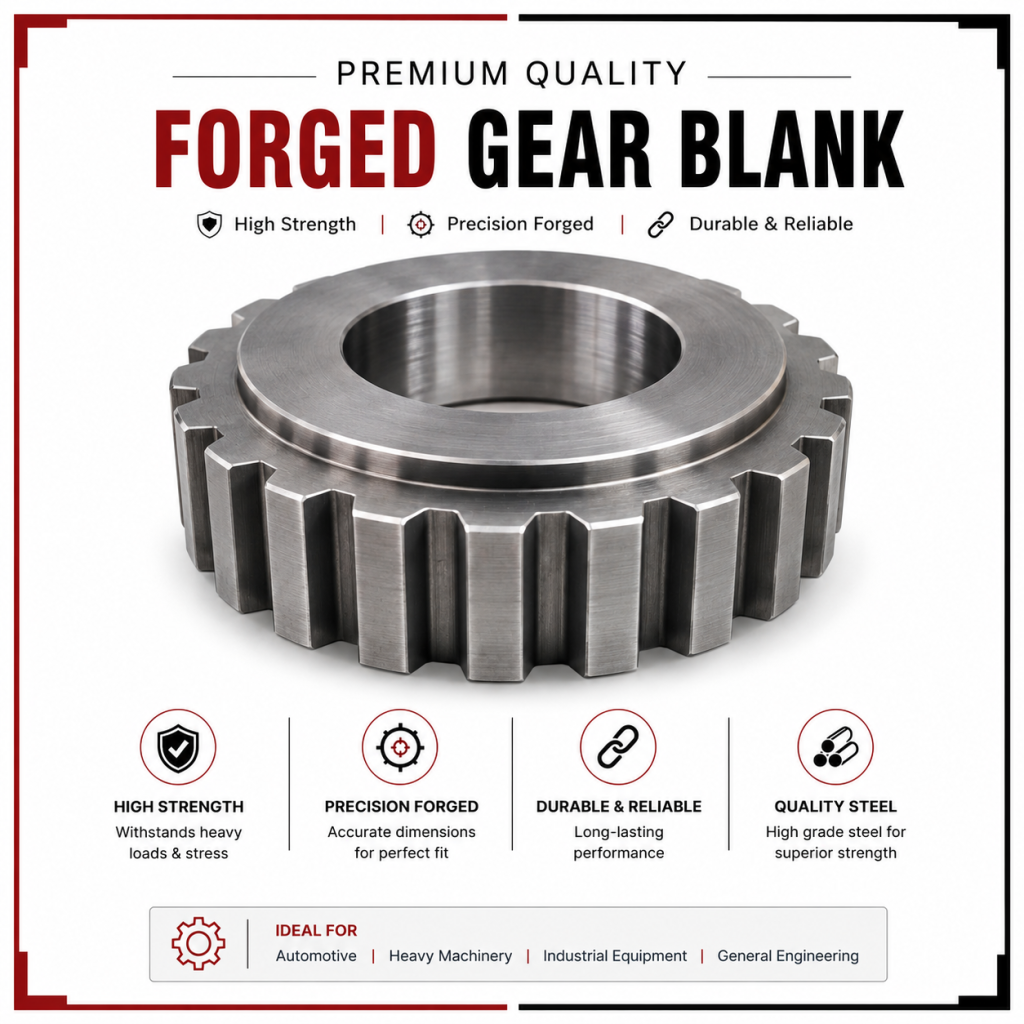
Forged items offer superior strength, improved durability, enhanced safety, better fatigue resistance, and longer service life, making them ideal for demanding industrial applications.
Major Benefits
1. Higher Strength
Forged grain flow increases mechanical strength.
Outcome: Longer-lasting products.
2. Better Fatigue Resistance
Repeated stress causes less damage.
Outcome: Extended component life.
3. Improved Safety
Fewer internal defects reduce unexpected failures.
Outcome: Safer machinery.
4. Excellent Toughness
Forged metals absorb impact better.
Outcome: Better performance under heavy loads.
5. Longer Service Life
Less wear means fewer replacements.
Outcome: Reduced operating costs.
6. Better Dimensional Accuracy
Modern forging ensures consistent production.
Outcome: Easier assembly.
7. Cost Efficiency
Although initial manufacturing may cost more, forged components often reduce lifetime ownership costs.
Outcome: Better long-term value.
Common Applications of Forged Items
Industrial forged products are widely used in:
- Automotive parts
- Tractor components
- Railway equipment
- Mining machinery
- Construction equipment
- Industrial valves
- Fasteners
- Shafts
- Gears
- Flanges
- Connecting rods
- Crankshafts
- Axles
- Bearing rings
- Hydraulic systems
- Oil & gas equipment
- Defence manufacturing
- Marine engineering
- Wind energy
- Power plants
Challenges and Common Mistakes
Direct Answer
Most forging problems arise from poor material selection, inadequate heat treatment, improper die design, and weak quality control. Choosing an experienced manufacturer minimizes these risks.
| Problem | Cause | Solution |
|---|---|---|
| Surface cracks | Incorrect forging temperature | Proper temperature monitoring |
| Dimensional errors | Poor die design | Precision tooling |
| Low strength | Inferior raw materials | Certified steel suppliers |
| Internal defects | Improper forging process | Advanced inspection methods |
| Premature failure | Inadequate heat treatment | Controlled heat treatment cycles |
Best Practices and Expert Tips
- Choose manufacturers with proven forging expertise.
- Verify material certifications before production.
- Request mechanical testing reports.
- Ensure compliance with ISO quality standards.
- Confirm CNC machining capabilities.
- Review inspection procedures.
- Discuss production tolerances clearly.
- Evaluate export experience if sourcing globally.
- Request sample components before bulk orders.
- Build long-term partnerships for consistent quality.
Comparison Table
| Feature | Forging | Casting |
|---|---|---|
| Strength | Excellent | Moderate |
| Durability | Very High | Medium |
| Internal Defects | Very Low | Higher |
| Fatigue Resistance | Excellent | Average |
| Grain Structure | Refined | Random |
| Impact Resistance | High | Moderate |
| Initial Cost | Higher | Lower |
| Long-Term Value | Excellent | Moderate |
Answer
An Industrial Forging Manufacturer Punjab manufactures high-strength forged components such as shafts, gears, flanges, connecting rods, crankshafts, rings, fasteners, and custom engineering parts for industries including automotive, agriculture, construction, railways, and heavy engineering.
Answer
Forging aligns the metal’s internal grain structure, improving strength, toughness, fatigue resistance, and durability compared to cast or machined components.
Answer
Automotive, agriculture, mining, railways, aerospace, oil & gas, construction, marine, defence, and heavy engineering industries all rely on forged components.
Answer
Carbon steel, alloy steel, stainless steel, aluminum, brass, copper, titanium, and tool steel are among the most commonly forged materials.
Answer
For high-strength applications, forging is generally superior because it provides better mechanical properties, fewer internal defects, and longer service life.
Answer
Manufacturers typically perform hardness testing, tensile testing, ultrasonic testing, magnetic particle inspection, dimensional inspection, and chemical analysis.
Answer
Yes. Most manufacturers produce customized forged components according to engineering drawings, technical specifications, and industry standards.
Answer
Evaluate manufacturing experience, certifications, machinery, testing capabilities, customer reviews, delivery performance, and technical support before selecting a supplier.
Key Takeaways
- Forging improves metal strength and durability.
- Punjab is a leading hub for industrial forging manufacturing.
- Forged components outperform many cast alternatives.
- Quality inspection is essential for reliable performance.
- Proper material selection ensures longer service life.
- Modern forging supports precision engineering.
- Industrial applications demand certified manufacturing standards.
- Long-term supplier relationships improve consistency.
Final Verdict
Forged components remain the preferred choice for industries that demand maximum strength, durability, and operational reliability. Whether used in automotive systems, agricultural machinery, railway equipment, or heavy engineering, high-quality forging delivers exceptional long-term value.
When selecting a manufacturer, prioritize technical expertise, certified quality systems, modern production facilities, and comprehensive testing capabilities. A trusted supplier will help reduce downtime, improve equipment performance, and ensure consistent product quality.
Conclusion
Forged items are essential to modern industrial manufacturing because they provide superior strength, toughness, and reliability across demanding applications. Partnering with an experienced Industrial Forging Manufacturer Punjab ensures access to precision-engineered components that meet international quality standards and perform consistently in challenging environments. By understanding the forging process, evaluating supplier capabilities, and following best practices, businesses can make informed purchasing decisions that support long-term efficiency, safety, and growth.
| Manufacturer List | Phone No | Website |
| Mandi Gobindgarh Forgings Limited | 1765250000 | Visit Website |
| Supreme Forgings and Castings | 9814154321 | Visit Website |
| Sirhind Castings Forgings | 9872112345 | Visit Website |
| Dashmesh Forging Industries | 9417054321 | Visit Website |
| Meera Steel Forging Units | 9815298765 | Visit Website |
| Guru Nanak Iron Steel Forgings | 9888123456 | Visit Website |
| Dynamic Forged Components | 9876345678 | Visit Website |
Leave a Reply