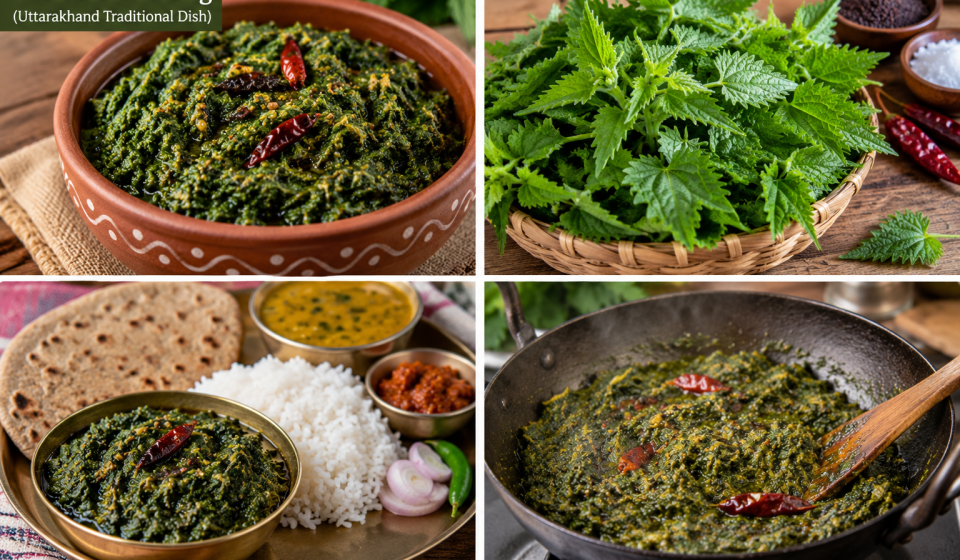

Kaudalee Ka Saag: A Traditional and Nutritious Dish of Uttarakhand
Kaudalee ka Saag is a traditional-style leafy green dish associated with the simple, seasonal food culture of Uttarakhand. Uttarakhand’s mountain cuisine is known for using local greens, pulses, grains, and fresh ingredients to prepare nourishing meals. Such dishes reflect the close relationship between local food, farming, climate, and everyday life in the Himalayan region.
Traditional mountain recipes often rely on ingredients that are locally available and easy to prepare. Leafy greens are especially valued because they can be cooked into warm, comforting meals and served with rice or regional breads.
This article explores Kaudalee ka Saag, its possible ingredients, traditional preparation, nutritional value, serving ideas, and place in Uttarakhand’s food culture. Because regional dish names and recipes can vary between villages, the exact identity and preparation of Kaudalee ka Saag may differ locally.
What Is Kaudalee Ka Saag?
Kaudalee ka Saag appears to refer to Kandalee ka Saag, a traditional leafy green preparation from Uttarakhand made using kandali, or stinging nettle. Known locally as bichhu ghas, this wild edible plant is cooked thoroughly to make a nourishing vegetable dish. It is part of Uttarakhand’s distinctive Himalayan food heritage.
Kandali ka Saag Recipe+1
The name may be spelled differently across local dialects. Reliable descriptions of Uttarakhand cuisine commonly use the name Kandalee ka Saag or Sisunak Saag. If Kaudalee refers to a different local plant in your village, the recipe may differ.
Key Ingredients of Kandalee Ka Saag
Traditional Kandalee ka Saag uses a few simple ingredients. The exact recipe varies by household and region.
- Kandali leaves: Young leaves of the stinging nettle plant.
- Jakhiya seeds: A traditional Himalayan seasoning that adds a distinctive aroma.
- Cooking oil or ghee: Used to prepare the final tempering.
- Salt: Added according to taste.
- Tomatoes: Optional in some preparations.
- Local spices: Garlic, chilli, or other seasonings may be added to suit personal taste.
A traditional recipe recorded by eUttaranchal uses kandali leaves, jakhiya, salt, and oil. It involves boiling the leaves, grinding them, and cooking the mixture with seasoning.
Kandali ka Saag Recipe
Why Is Kandalee Ka Saag Important in Uttarakhand?
Kandalee ka Saag is important because it represents the traditional use of local edible plants in Himalayan cooking. It connects food with seasonal harvesting, local knowledge, and simple home cooking. The dish also helps preserve regional culinary traditions that might otherwise receive less attention than more widely known Indian foods.
Uttarakhand has a diverse food culture shaped by its mountain environment. Garhwali, Kumaoni, and Jaunsari communities use locally available vegetables, grains, pulses, herbs, and wild edible plants in their meals.
Springer+1
1. A Connection to Local Food Traditions
Traditional mountain cooking often uses ingredients that grow in the surrounding environment. Kandali is one example of a wild edible plant that has long been used in Uttarakhand.
Families pass down knowledge about collecting, cleaning, and preparing such ingredients. Recipes can differ from one household to another, reflecting local tastes and available resources.
2. Seasonal and Locally Available Ingredients
Local food traditions often depend on seasonal availability. Wild greens can provide variety when other vegetables are limited, although availability depends on the location, weather, and growing conditions.
Responsible harvesting is important. People should collect only plants they can identify confidently and avoid removing more than the local environment can sustain.
3. A Distinctive Himalayan Taste
Kandalee ka Saag offers a different experience from everyday spinach or mustard greens. Its flavour depends on the leaves, cooking method, and seasoning.
Jakhiya adds a characteristic aroma associated with regional cooking. Garlic, tomatoes, and ghee can also change the final taste, depending on the recipe.
How to Make Kandalee Ka Saag at Home
Kandalee ka Saag can be prepared using a traditional method that softens the leaves before grinding and seasoning them. Thorough cooking is essential because raw stinging nettle can irritate the skin and mouth. Use correctly identified, food-safe leaves and handle them with suitable protection.
The following recipe is based on the traditional preparation method documented by eUttaranchal, with approximate home-cooking quantities.
Kandali ka Saag Recipe
Ingredients
- 500 g fresh, young kandali leaves
- 1 teaspoon jakhiya seeds
- 1–2 tablespoons cooking oil or ghee
- Salt to taste
- Water as required
- Chopped tomato or garlic, optional
Step 1: Clean the Leaves Carefully
Wear sturdy gloves while handling fresh nettle leaves. Remove damaged parts and wash the leaves carefully under running water.
Do not touch the leaves with bare hands before they have been thoroughly cooked. Never use a wild plant unless you are certain of its identity.
Step 2: Boil the Leaves Thoroughly
Place the leaves in a pot of water and boil them until they become completely soft. Cooking reduces the plant’s stinging effect.
Do not taste the leaves before cooking. Drain the cooked leaves and allow them to cool enough to handle safely.
Step 3: Grind the Cooked Leaves
Grind the softened leaves into a coarse or smooth paste, depending on your preferred texture. Add a small amount of water if necessary.
Some traditional recipes call for washing the cooked pulp and draining it before grinding. Follow a trusted local recipe if you are aiming for a particular regional preparation.
Kandali ka Saag Recipe
Step 4: Prepare the Tempering
Heat oil or ghee in a heavy-bottomed pan. Add the jakhiya seeds and let them release their aroma.
If desired, add a little chopped garlic or tomato. These are optional additions rather than requirements for every traditional version.
Step 5: Cook the Saag
Add the ground leaves and salt to the pan. Mix well and cook over a low to medium heat, stirring regularly.
Allow the mixture to cook thoroughly until it reaches your preferred consistency. Add a little water if it becomes too thick.
Step 6: Serve Hot
Serve the saag hot with rice, mandua roti, or another local bread. A small amount of ghee can be added for extra richness.
For a traditional-style meal, pair it with a simple lentil dish and seasonal vegetables.
Nutritional Benefits of Kandalee Ka Saag
Kandalee ka Saag can contribute useful nutrients to a balanced diet because it is prepared from leafy greens. Stinging nettle contains minerals and other nutrients, but the nutritional value of the finished dish depends on the plant, portion size, cooking method, and added ingredients.
Kandali ka Saag Recipe+1
1. Provides Vitamins and Minerals
Leafy greens can supply vitamins and minerals that support normal body functions. Nettle leaves are recognised as a source of several nutrients, including certain minerals.
However, the exact nutrient content of a home-cooked serving is not established by the traditional recipe alone.
2. Can Contribute Dietary Fibre
Vegetables can help increase dietary fibre intake. Fibre supports normal digestion and helps make meals more satisfying.
The amount of fibre in Kandalee ka Saag depends on the quantity of leaves used and how the dish is prepared.
3. Adds Variety to a Balanced Diet
Eating a variety of vegetables helps people obtain a broader range of nutrients. Kandalee ka Saag offers an alternative to more common greens such as spinach and mustard leaves.
It should be enjoyed as one part of a varied diet rather than as a replacement for all other vegetables.
4. Can Fit Into a Plant-Based Diet
A preparation made with leaves, oil, salt, and spices can fit into a vegetarian or vegan eating pattern. Use plant-based oil instead of ghee if you want a vegan version.
For a more balanced meal, serve the saag with lentils, beans, or another protein-containing food.
Important: Kandalee ka Saag is a traditional food, not a proven treatment for any disease. People with specific dietary or medical needs should seek personalised advice from a qualified health professional.
Challenges and Common Mistakes When Preparing Kandalee Ka Saag
Kandalee ka Saag is simple in terms of ingredients, but the leaves need careful handling and preparation.
| Common mistake | Why it matters | Practical solution |
|---|---|---|
| Touching raw leaves without protection | Stinging hairs can irritate the skin | Wear sturdy gloves |
| Using an unidentified wild plant | Some plants may be unsafe to eat | Confirm the plant’s identity with a knowledgeable expert |
| Undercooking the leaves | The leaves may retain their irritating effect | Boil and cook thoroughly |
| Adding too much water | The saag may become watery | Add water gradually |
| Using too much seasoning | It can overpower the leafy flavour | Start with small amounts |
| Harvesting excessively | It can damage local plant populations | Harvest responsibly and follow local rules |
How to Avoid These Problems
Choose fresh leaves from a clean, uncontaminated location. Avoid plants collected beside busy roads, industrial sites, or areas treated with pesticides.
Use gloves when washing and preparing raw nettles. Cook the leaves thoroughly, keep utensils clean, and store leftovers safely in the refrigerator.
Best Practices and Expert Tips for Better Taste
Follow these tips to prepare a flavourful version of Kandalee ka Saag.
- Choose young leaves. Tender leaves are generally easier to cook and blend.
- Identify the plant correctly. Do not rely on appearance alone when gathering wild greens.
- Wear gloves during preparation. This helps prevent skin irritation from raw nettles.
- Cook the leaves thoroughly. Do not skip the boiling stage.
- Use jakhiya sparingly. Its aroma can be strong, so begin with a small quantity.
- Control the consistency. A thick paste creates a traditional-style texture, while extra water makes the dish thinner.
- Keep the seasoning simple. Let the flavour of the leaves remain prominent.
- Adjust salt gradually. Taste only after the leaves are safely cooked.
- Serve the dish fresh and hot. This allows the seasoning and texture to be enjoyed at their best.
- Respect regional variations. Ask local cooks about family recipes and traditional ingredients for a more authentic experience.
Kandalee Ka Saag vs Other Traditional Greens of Uttarakhand
Uttarakhand has several traditional leafy green preparations. They differ in their ingredients, flavours, textures, and preparation methods. Kandalee ka Saag is especially distinctive because it uses stinging nettle.
| Feature | Kandalee ka Saag | Kafuli | Palak ka Saag |
|---|---|---|---|
| Main ingredient | Kandali or nettle leaves | Commonly spinach or other leafy greens | Spinach |
| Main preparation | Boiled, ground, and seasoned | Leafy greens cooked into a thick preparation | Spinach cooked with seasonings |
| Flavour | Earthy and distinctive | Mild, depending on ingredients | Mild and familiar |
| Special preparation need | Raw nettles require careful handling and thorough cooking | Depends on the greens used | Standard leafy-green preparation |
| Regional connection | Traditional Uttarakhand cuisine | Traditional Uttarakhand cuisine | Widely prepared across India |
Kafuli is another well-known Uttarakhand dish made with leafy greens. Kandalee ka Saag stands apart because of its use of nettle leaves. Recipes for both dishes can vary between households.
tourismjournal.net+1
Frequently Asked Questions About Kandalee Ka Saag
1. What is Kandalee ka Saag?
Kandalee ka Saag is a traditional leafy green dish from Uttarakhand, generally prepared using kandali, or stinging nettle leaves. The leaves are boiled thoroughly, ground, and cooked with seasoning such as jakhiya and salt. It is commonly served with rice or regional breads.
2. Is Kaudalee ka Saag the same as Kandalee ka Saag?
The names may refer to the same dish, but the spelling Kaudalee is not widely documented in the sources consulted. Kandalee ka Saag is a recognised Uttarakhand preparation made with stinging nettle. Local names can vary, so confirm the meaning with someone familiar with the specific regional dialect.
3. What is Kandali called in English?
Kandali generally refers to stinging nettle, a plant belonging to the genus Urtica. In parts of Uttarakhand, it is also called bichhu ghas or sisunak. Its leaves have stinging hairs, so the plant must be handled carefully and cooked thoroughly before eating.
Kandali ka Saag Recipe+1
4. What are the main ingredients of Kandalee ka Saag?
The basic ingredients are young kandali leaves, jakhiya seeds, cooking oil, and salt. Some households also add tomatoes, garlic, or other spices. Ingredients and quantities vary by local tradition. The defining ingredient is the nettle, which gives the dish its distinctive identity.
5. What does Kandalee ka Saag taste like?
Kandalee ka Saag generally has an earthy, leafy flavour. Its final taste depends on the freshness of the leaves and the seasonings used. Jakhiya gives the dish an aromatic tempering, while garlic, tomato, or ghee can add further depth.
6. Is Kandalee ka Saag healthy?
Kandalee ka Saag can contribute leafy greens, minerals, and other nutrients to a balanced diet. Its nutritional value depends on the ingredients and preparation method. It should not be considered a cure for illness, and its benefits should not be exaggerated without reliable nutritional or clinical evidence.
7. What is the best way to eat Kandalee ka Saag?
Kandalee ka Saag can be served hot with steamed rice, mandua roti, or another regional bread. A meal that includes lentils or beans can provide additional protein. The best pairing depends on personal preference and local eating traditions.
8. Why is Kandalee ka Saag important in Uttarakhand cuisine?
Kandalee ka Saag represents the use of local edible plants in Uttarakhand’s traditional food culture. It reflects knowledge of seasonal ingredients and traditional cooking methods. The dish also highlights the diversity of Himalayan cuisine beyond better-known regional foods such as bal mithai, kafuli, and chainsoo.
Key Takeaways
- Kandalee ka Saag is a traditional leafy green preparation associated with Uttarakhand.
- It is generally made from kandali, also known as stinging nettle or bichhu ghas.
- Traditional preparation involves boiling, grinding, and seasoning the leaves.
- Jakhiya seeds are used in some traditional recipes.
- The dish can be served with rice, mandua roti, and other regional foods.
- Raw nettle leaves must be handled carefully and cooked thoroughly.
- Local names, ingredients, and recipes may differ across Himalayan communities.
- Kandalee ka Saag can contribute to a balanced diet, but it is not a medical treatment.
Final Verdict: Why You Should Explore Kandalee Ka Saag
Kandalee ka Saag offers a glimpse into Uttarakhand’s rich culinary heritage. Its simple ingredients and traditional preparation show how local communities have incorporated available plants into everyday meals. The dish is also a reminder that regional Indian cuisine includes many lesser-known foods worth discovering.
If you want to experience traditional Uttarakhand food, try Kandalee ka Saag with steamed rice or mandua roti. For the most authentic version, learn from a local cook who knows the regional recipe and can identify the correct plant.
Exploring Kaudalee ka Saag, understood here as Kandalee ka Saag, is a way to appreciate the flavours, ingredients, and food traditions of the Himalayan region while keeping safe preparation practices in mind.
