
Meta Description: Discover kiwi-based products from Bageshwar, Uttarakhand, their local importance, value-added opportunities, benefits, and business potential.
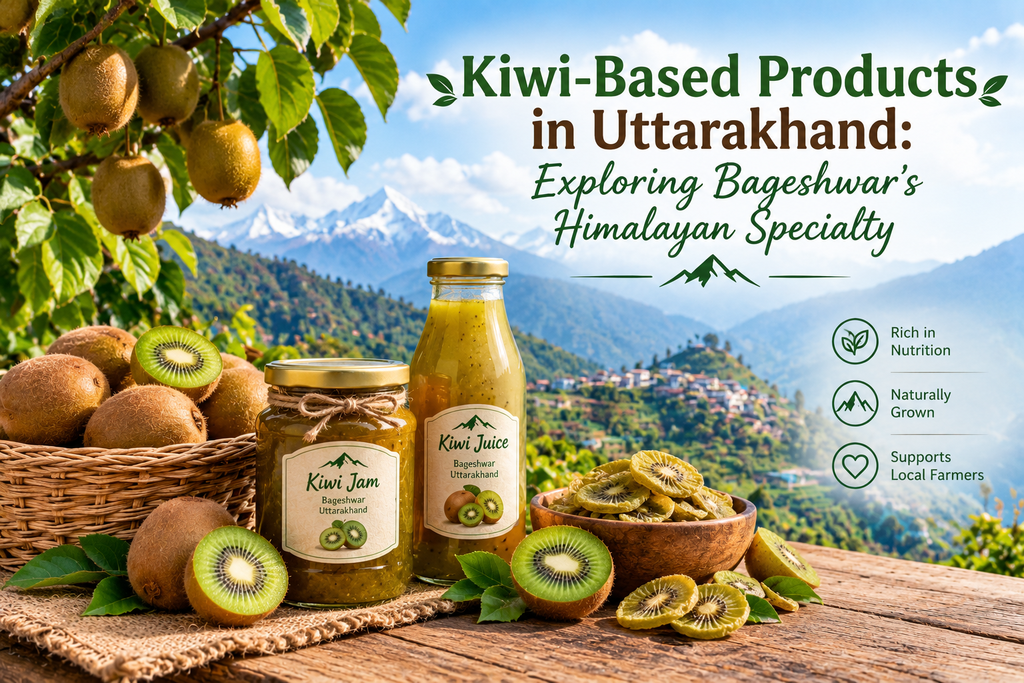
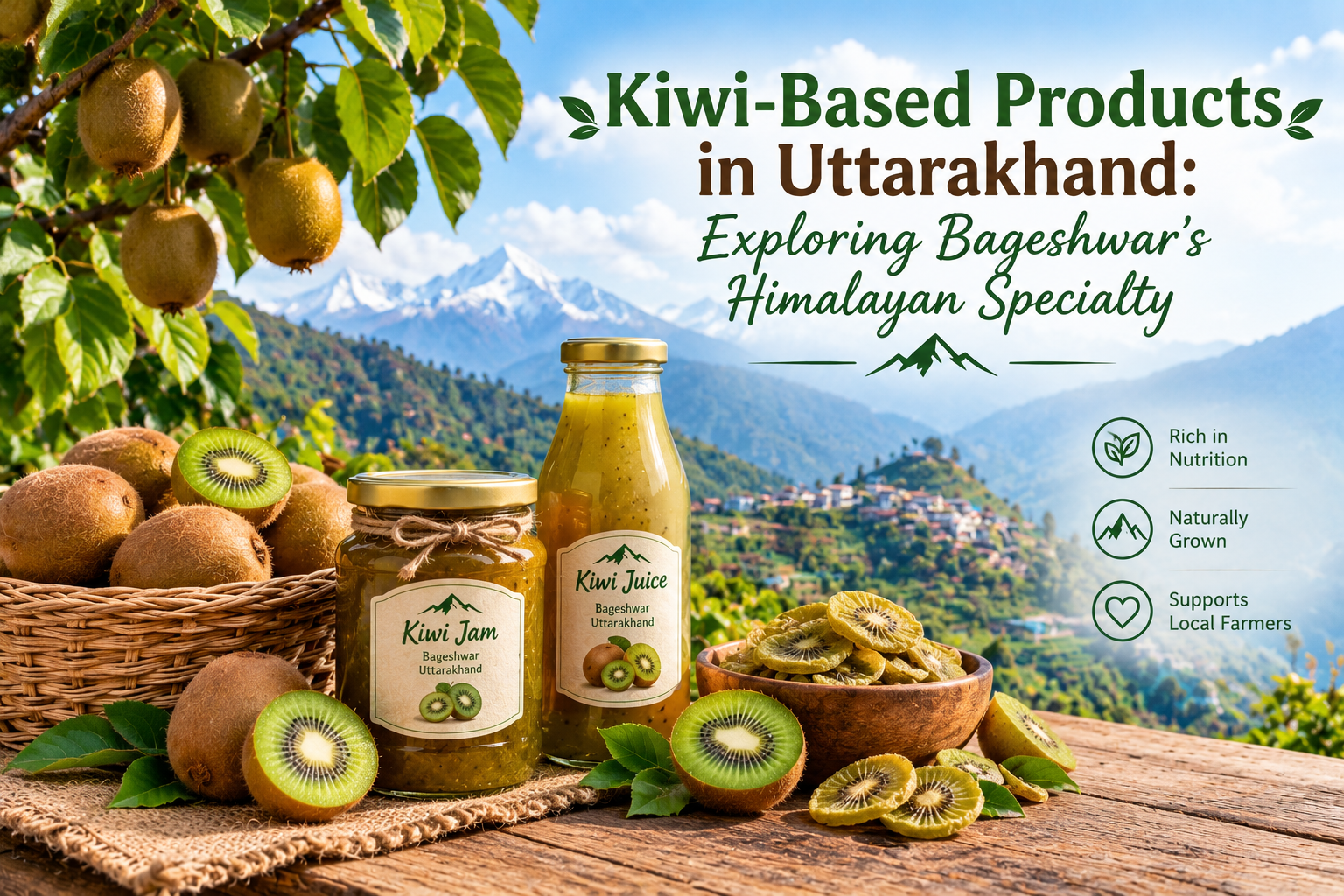
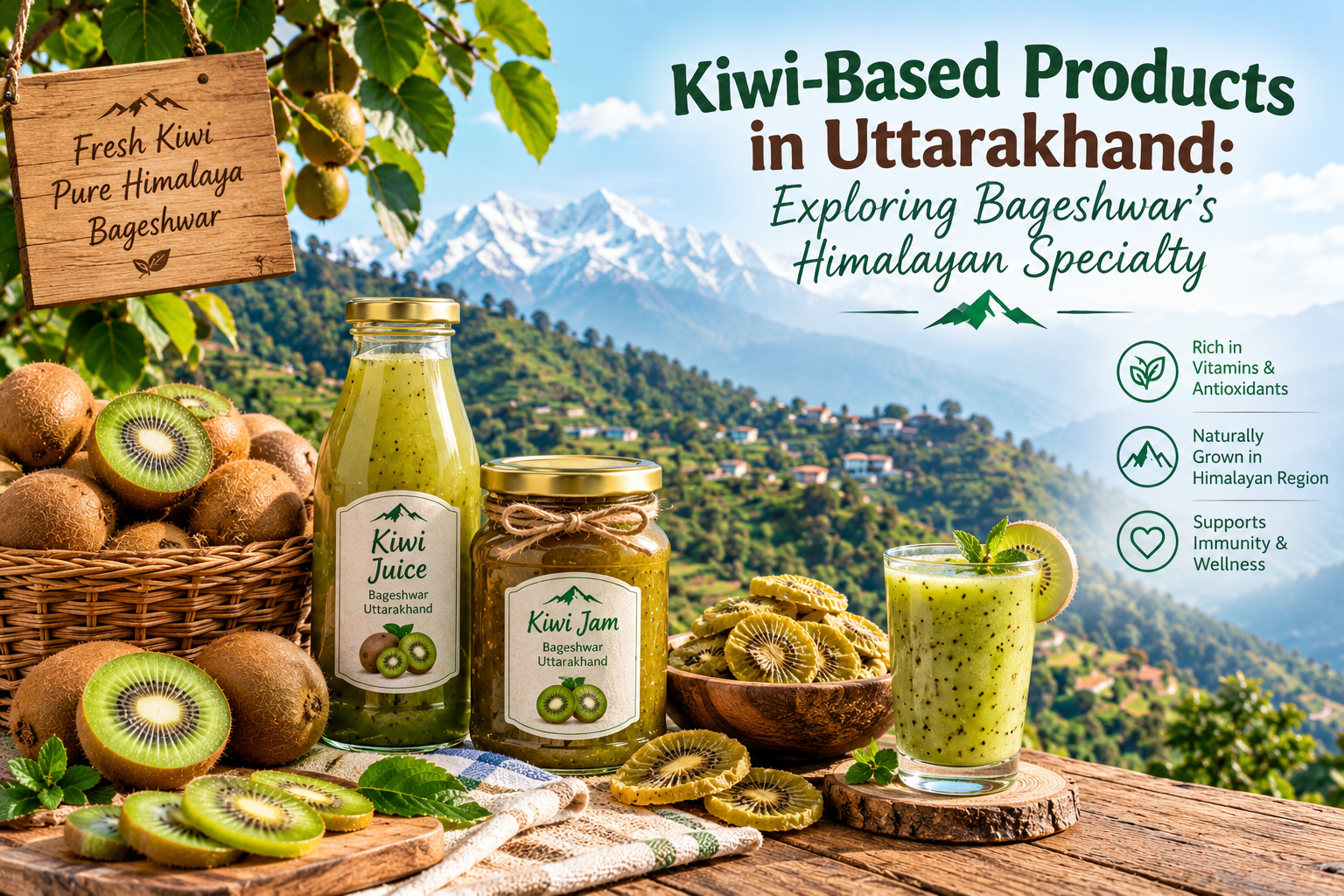
The Himalayan region of Uttarakhand is known for its diverse agricultural products, traditional foods, and unique local specialties. Among the emerging horticultural products gaining attention is kiwi, a fruit that has found an important place in the hill economy. From fresh kiwi to processed products such as juice, squash, jam, dried fruit and preserves, kiwi offers significant opportunities for value addition.
For businesses and professionals exploring regional products, kiwi-based products represent an interesting combination of agriculture, food processing, entrepreneurship and Himalayan branding.
There is, however, an important geographical distinction. According to the Government of India’s One District One Product (ODOP) listing, Bageshwar district is identified for kiwi-based products, while Almora is identified for apricot-based products. Uttarakhand’s official ODTP/ODOP document also lists Kiwi-based products under Bageshwar.
This recognition highlights the potential of kiwi as a value-added regional product and creates opportunities for farmers, food processors, retailers, and entrepreneurs.
Why Kiwi Is Important for Uttarakhand
Kiwi has become an interesting horticultural crop for Himalayan farming because the region offers suitable environments for several horticultural activities. Its cultivation can provide farmers with an alternative source of income while creating opportunities beyond the sale of fresh fruit.
The real commercial opportunity comes from processing and value addition.
Fresh kiwi has a limited shelf life and requires careful handling, transportation and storage. Converting the fruit into processed products can help businesses extend its usability and reach customers in different markets.
Instead of selling only fresh kiwi during the harvesting season, producers can explore products such as:
Kiwi juice
Kiwi squash
Kiwi jam
Kiwi jelly
Kiwi chutney
Kiwi preserves
Dried kiwi
Kiwi pulp
Kiwi-based beverages
Kiwi-flavoured food products
This approach can help build a broader product ecosystem around the fruit.
Bageshwar and Kiwi-Based Products
Bageshwar occupies an important position in Uttarakhand’s local-product landscape. Its identification under the ODOP framework for kiwi-based products gives the fruit additional recognition as a regional value-added opportunity.
The ODOP approach is particularly relevant for rural and hill economies because it encourages districts to develop products connected with local resources and skills.
For kiwi, this can mean moving from a simple farmer-to-market model toward a broader value chain involving:
Farmers → Collection → Processing → Packaging → Branding → Distribution → Consumers
Each stage creates opportunities for employment, entrepreneurship and business development.
Popular Kiwi-Based Products
1. Kiwi Jam
Kiwi jam is one of the most recognizable processed applications for the fruit.
Its naturally tangy flavour and distinctive green colour can make it an attractive alternative to conventional fruit spreads. It can be used with bread, toast, pancakes, biscuits and desserts.
For businesses, kiwi jam can be positioned as a premium regional product, particularly when combined with attractive packaging and a strong Himalayan-origin story.
2. Kiwi Squash and Juice
Kiwi can also be processed into beverages such as juice and squash.
These products can appeal to consumers looking for fruit-based drinks and can be marketed through:
Retail stores
Cafés
Hotels
Restaurants
Tourist destinations
Online marketplaces
Gift hampers
Proper processing, food-safety practices, packaging, and storage are essential for commercial production.
3. Dried Kiwi
Drying is another method of converting fresh kiwi into a more convenient product.
Dried kiwi can be marketed as a snack or used in:
Trail mixes
Granola
Cereals
Desserts
Bakery products
Gift packs
For Himalayan producers, dried products can also be interesting because they offer a way to reduce dependence on immediate fresh-fruit sales.
4. Kiwi Preserve and Jelly
Preserves and jelly provide another way to introduce kiwi into the specialty-food market.
These products can be positioned as premium fruit-based foods, particularly when businesses focus on attractive jars, transparent ingredient information, and regional storytelling.
5. Kiwi Pulp
Kiwi pulp can serve as an ingredient for other food businesses.
It can potentially be used in beverages, desserts, sauces and food preparations. This creates a B2B opportunity in addition to direct consumer sales.
Instead of selling only finished retail products, processors can supply kiwi pulp to restaurants, cafés, bakeries and food manufacturers.
Benefits of Kiwi-Based Value Addition
Longer Product Usability
Fresh fruit is perishable. Processing can create products that can be stored and marketed beyond the fresh-fruit season, depending on the processing method and packaging.
Better Value Realization
Processing can increase the commercial value of agricultural produce by transforming raw fruit into branded consumer products.
Rural Employment
A kiwi-based processing ecosystem can create opportunities in sorting, cleaning, processing, packaging, logistics, marketing, and sales.
Strong Regional Branding
Products associated with the Himalayan region can benefit from an authentic geographical story.
A brand can communicate ideas such as:
“Grown in the Himalayas.”
“From Uttarakhand farms to your table.”
“A taste of the Kumaon hills.”
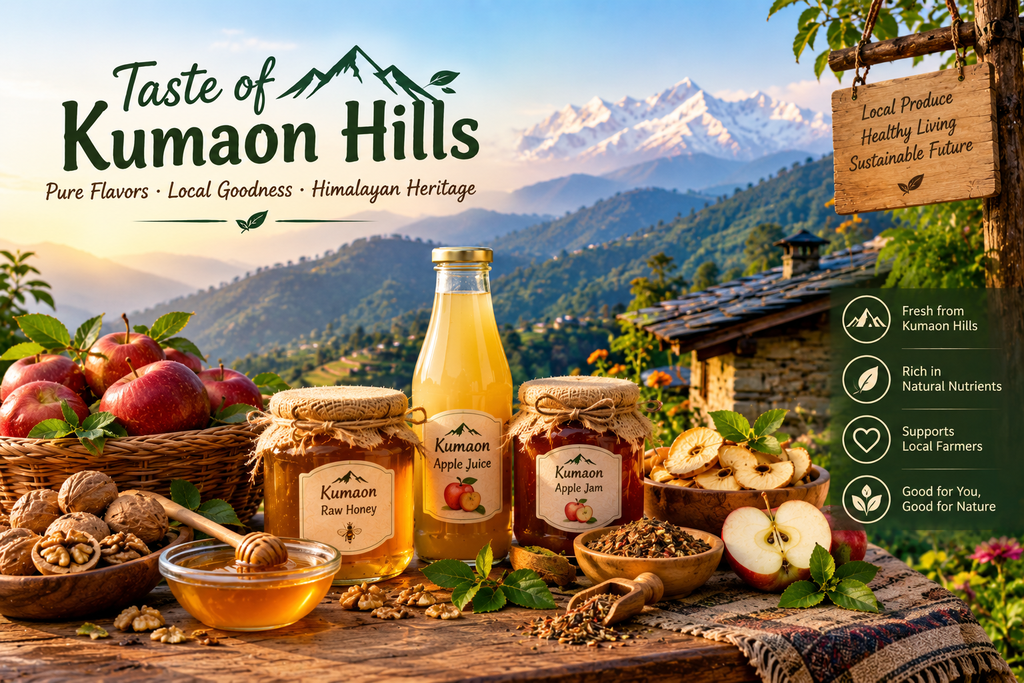
Such storytelling can help differentiate regional products from mass-market alternatives.
Business Opportunities for Professionals
For entrepreneurs and professionals, kiwi-based products can offer several business models.
1. Direct-to-Consumer Brands
Businesses can develop their own range of kiwi