
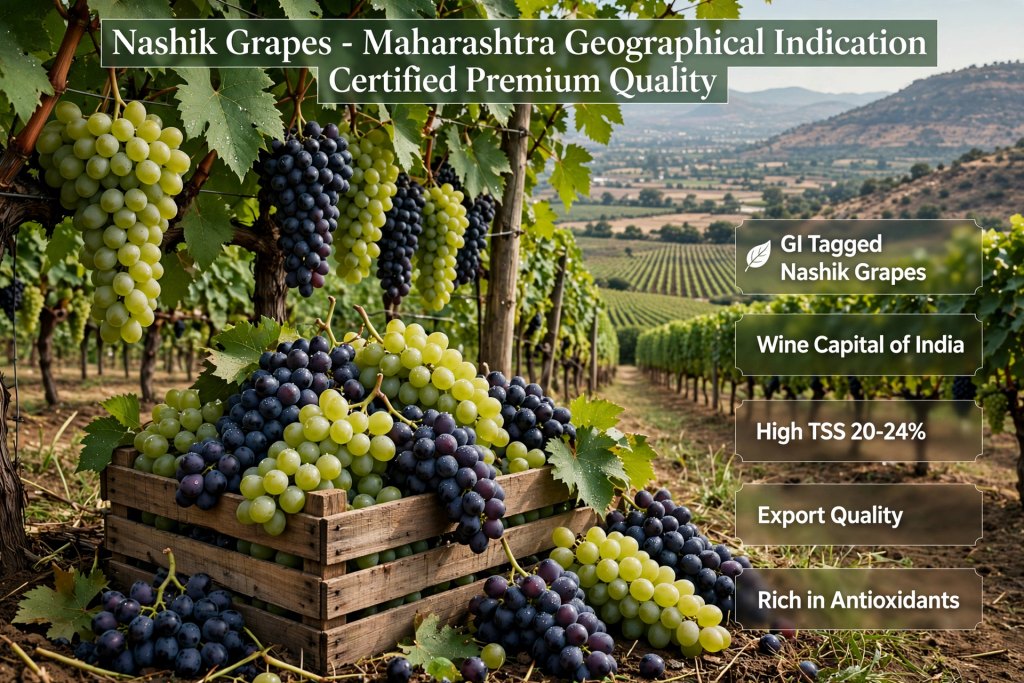
Nashik Grapes in Maharashtra: Benefits, Farming, Uses and Quality
Nashik is one of India’s best-known grape-growing regions. Its favourable climate, farming experience, and established agricultural markets make it an important centre for fresh grapes and grape exports. From sweet green grapes to deep-coloured varieties, the region supplies fruit to consumers, retailers, and international markets.
Nashik Grapes in Maharashtra are valued for their taste, appearance, and commercial importance. The district’s grape industry supports farmers, packhouses, transport businesses, exporters, and food retailers. However, grape quality depends on more than location. Variety selection, irrigation, crop care, harvesting, and storage all play an important role.
Whether you are a consumer, farmer, fruit trader, or business owner, understanding Nashik grapes can help you make better decisions. This guide explains their characteristics, cultivation process, benefits, common challenges, quality checks, and commercial uses.
What Are Nashik Grapes?
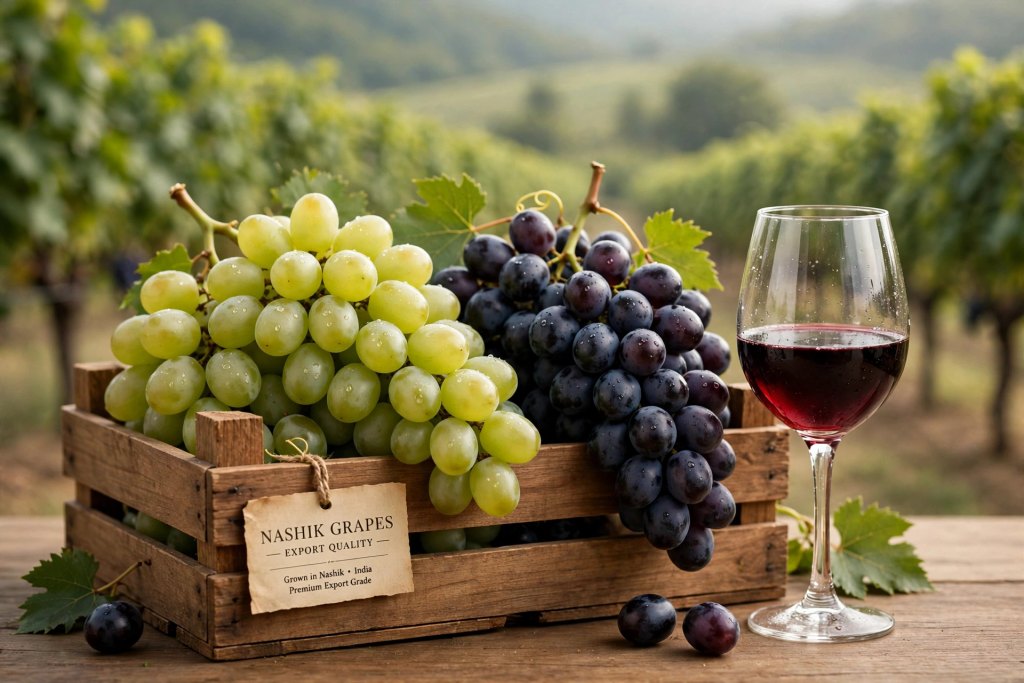
Nashik grapes are grapes grown in and around Nashik district in Maharashtra, India. The region is known for its commercial vineyards, fresh table grapes, and grape export industry. Farmers grow different varieties for domestic consumption and export markets, with quality depending on the variety, growing conditions, and post-harvest handling.
Understanding Nashik Grapes in Maharashtra
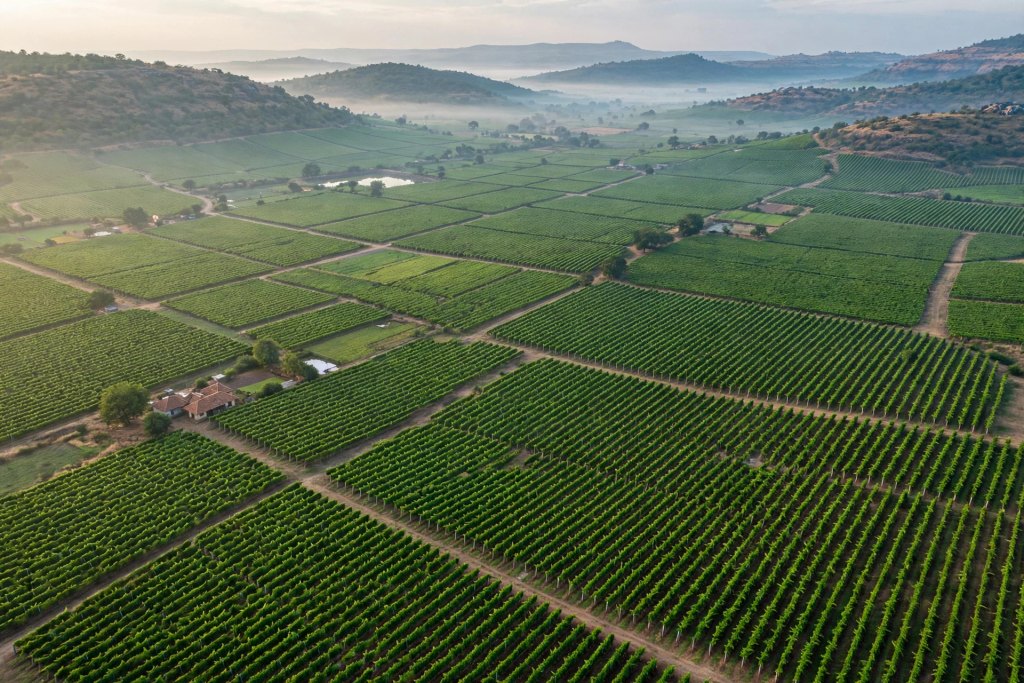
Nashik lies in northern Maharashtra and has a well-established grape-growing economy. Its seasonal weather and agricultural infrastructure support commercial vineyards across the district.
Farmers grow varieties suited to fresh consumption and market requirements. Thompson Seedless and its related selections are widely associated with Indian table-grape production. Other varieties may be grown to meet different tastes, colour preferences, and buyer specifications.
Nashik’s grape supply chain includes vineyards, agricultural input suppliers, packhouses, cold-storage facilities, transport operators, wholesalers, and exporters.
The quality of grapes can vary from one farm to another. Even grapes from the same vineyard may differ in sweetness, size, firmness, and shelf life due to weather, crop management, and harvest timing.
Key Characteristics of Nashik Grapes
The main characteristics of Nashik grapes include:
- Natural sweetness: Ripe grapes contain natural sugars that contribute to their sweet taste.
- Juicy texture: Good-quality table grapes are generally firm, juicy, and pleasant to eat.
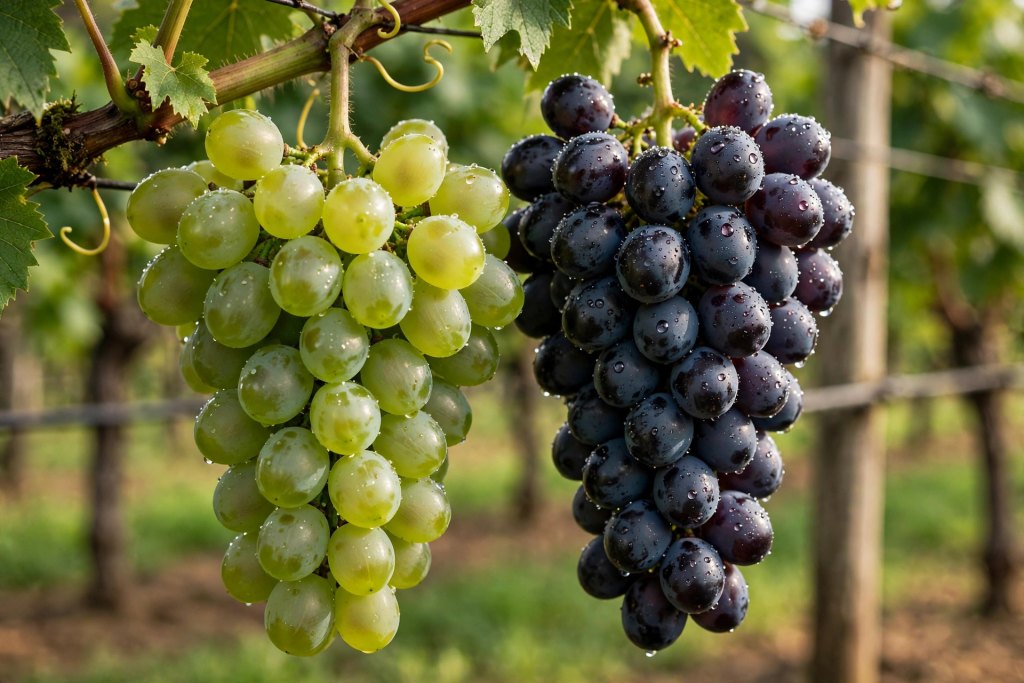
- Variety options: Green, red, and dark-coloured grapes offer different flavours and appearances.
- Seedless varieties: Many commercial varieties are bred or selected for convenient seedless eating.
- Seasonal availability: Fresh grape availability depends on harvest timing, variety, and market supply.
- Commercial grading: Grapes may be sorted by size, colour, bunch appearance, and other buyer requirements.
- Export potential: Suitable varieties can reach international markets when they meet destination-country standards.
Why Are Nashik Grapes Important?
Nashik grapes are important because they support Maharashtra’s horticulture economy and provide income opportunities for farmers and related businesses. Their value extends beyond local fruit markets to export packing, logistics, retail, and food processing. Consistent quality and safe handling help growers compete in demanding markets.
1. Agricultural Value for Farmers
Grape cultivation can offer farmers an opportunity to earn income from a high-value horticultural crop. However, it requires careful planning, skilled vineyard management, and investment in infrastructure.
Farmers must manage irrigation, pruning, fertilisation, pests, and diseases. They also need to select varieties that suit local conditions and buyer demand.
Good farm practices can improve fruit quality and reduce avoidable losses. Still, earnings depend on production costs, weather, market prices, and the proportion of fruit that meets the required grade.
2. Business Value for Traders and Exporters
Nashik’s grape industry creates work for businesses that handle grading, packing, storage, transportation, and sales.
For example, an exporter may buy grapes from approved growers, check their quality, pack them in suitable containers, and arrange refrigerated transport. Each stage helps protect the fruit and maintain its market value.
Export businesses must also meet applicable food safety, traceability, pesticide-residue, and phytosanitary requirements.
3. Value for Consumers
Consumers benefit from access to fresh fruit that can be eaten as a snack or added to everyday meals.
Grapes are convenient because they need little preparation. They can also be used in fruit salads, lunchboxes, desserts, and fresh fruit platters.
Choosing fresh, clean grapes and storing them correctly helps preserve their taste and texture.
4. Importance for the Food Industry
Grapes have several commercial applications, including:
- Fresh fruit retail
- Supermarkets and grocery stores
- Fruit salads and dessert preparation
- Juice production
- Raisin manufacturing
- Selected food-processing applications
The best use depends on the variety, sweetness, texture, appearance, and processing requirements.
How Are Nashik Grapes Grown and Supplied?
Nashik grapes reach consumers through a process that begins with vineyard planning and ends with distribution. Farmers manage the vines, harvest mature bunches, and send suitable fruit for grading and packing. Wholesalers, retailers, and exporters then distribute the grapes according to market needs.
Step 1: Vineyard Preparation and Cultivation
Grape growers select suitable land, prepare the soil, and establish vines with support structures. Vineyards need careful water management and pruning to support healthy growth.
Farmers monitor vine health throughout the growing season. They manage weeds, apply nutrients according to crop needs, and protect the plants from pests and diseases.
Weather conditions can affect flowering, fruit development, and final quality. Therefore, growers adjust vineyard practices to suit the season and variety.
Step 2: Fruit Development and Harvesting
After flowering and fruit set, grape berries grow and develop their colour, flavour, and sweetness.
Farmers monitor maturity before harvesting. They may assess berry colour, taste, firmness, and soluble solids, often measured in degrees Brix. Harvest timing also depends on the intended market and the variety.
Picking too early may result in grapes with insufficient sweetness. Picking too late can affect firmness, transport life, or market suitability.
Step 3: Sorting, Packing, and Distribution
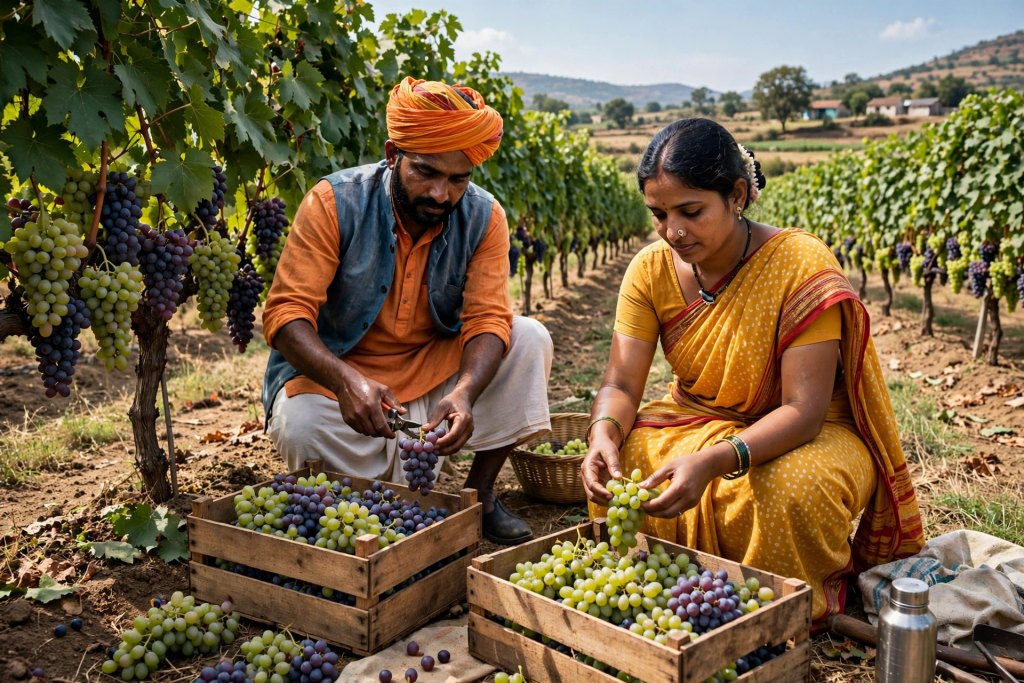
After harvesting, grapes are handled carefully to reduce damage. Workers remove unsuitable bunches and sort the fruit according to quality requirements.
The grapes may then be packed in suitable food-grade packaging. Depending on the destination, they may require prompt cooling, temperature-controlled transport, and careful storage.
For export markets, businesses must follow the relevant destination requirements. These may include traceability records, pesticide-residue limits, inspection, and phytosanitary documentation.
Benefits of Nashik Grapes
Nashik grapes offer nutritional, culinary, and commercial benefits. Their actual value depends on freshness, variety, growing practices, and intended use.
- Provide natural energy: Grapes contain carbohydrates, including natural sugars, which provide energy. Portion size matters for people monitoring carbohydrate intake.
- Contain water: Their high water content contributes to daily fluid intake, although they should not replace drinking water.
- Supply vitamins: Grapes provide vitamin K and smaller amounts of other vitamins, depending on the variety.
- Contain plant compounds: Grapes contain polyphenols and other plant compounds that are studied for their potential health effects.
- Offer convenient snacking: Fresh grapes are easy to serve and require little preparation.
- Support a varied diet: Grapes can be combined with other fruits, vegetables, and whole foods as part of a balanced eating pattern.
- Create agricultural jobs: Vineyard work, packing, transport, and trading provide employment across the supply chain.
- Support food businesses: Retailers and processors can use grapes in fresh-fruit sales and selected food products.
Are Nashik Grapes Good for Health?
Fresh grapes can be part of a balanced diet. They provide water, carbohydrates, and several useful nutrients and plant compounds. However, no single fruit provides every nutrient the body needs.
Wash grapes under clean running water before eating. People who need to manage blood glucose should consider portion size because grapes contain natural sugars. Grapes are a healthy food choice for many people, but they should not be treated as a cure for medical conditions.
Challenges and Common Mistakes When Buying Nashik Grapes
Not all grapes have the same quality or shelf life. Poor handling, unsuitable storage, and incorrect assumptions about appearance can lead to disappointing purchases. Buyers should check freshness and condition rather than relying only on the fruit’s colour or place of origin.
| Problem | Possible cause | Practical solution |
|---|---|---|
| Soft or crushed berries | Rough handling or excess pressure | Choose firm bunches with minimal damage |
| Leaking berries | Physical damage or deterioration | Avoid bunches with wet or leaking fruit |
| Mould on berries | Moisture exposure or poor storage | Reject mouldy bunches |
| Loose berries | Handling damage or natural detachment | Check overall bunch condition |
| Sour taste | Variety or insufficient maturity | Taste a sample when possible |
| Shrivelled berries | Moisture loss or extended storage | Choose plump grapes |
| Short shelf life | Warm storage or damaged fruit | Keep grapes refrigerated and handle gently |
Common Misconceptions
Misconception 1: Bigger grapes are always better.
Berry size depends on the variety and growing conditions. Smaller grapes can also be sweet and good quality.
Misconception 2: Every green grape is sweet.
Green colour alone does not confirm ripeness. Taste, variety, and maturity all influence sweetness.
Misconception 3: Grapes from Nashik always have the same quality.
Quality differs between farms, varieties, seasons, and handling methods. Buyers should inspect the actual fruit.
Misconception 4: A white coating always means pesticide residue.
A light, natural waxy coating can occur on grape skins. It does not, by itself, prove contamination or pesticide use. Washing grapes under clean running water is recommended.
Best Practices for Choosing and Storing Nashik Grapes
Follow these practical tips to select fresh grapes and preserve their quality.
- Check the berries: Choose grapes that look plump and firm, with no visible mould or leaking juice.
- Inspect the bunches: Look for reasonably fresh-looking stems and minimal damage.
- Consider the variety: Select grapes based on your preference for sweetness, texture, colour, and seeds.
- Buy from reliable sellers: Choose suppliers who handle fruit cleanly and store it appropriately.
- Avoid damaged fruit: Crushed or split berries can deteriorate faster and affect nearby fruit.
- Wash before eating: Rinse grapes under clean running water. Do not use soap or household detergents.
- Refrigerate promptly: Store grapes in the refrigerator to help slow deterioration.
- Keep them dry during storage: Excess moisture can encourage spoilage. Wash them shortly before eating when practical.
- Avoid unnecessary handling: Repeated squeezing can damage the berries and shorten their shelf life.
- Check export documentation when buying commercially: Businesses should verify origin, traceability, quality specifications, and applicable food safety requirements.
For exporters and large retailers, written quality standards and documented temperature management can help maintain consistency between shipments.
Nashik Grapes vs Other Indian Grapes
India produces grapes in several regions, including Maharashtra and Karnataka. The regions differ in climate, production patterns, varieties, and market access. The origin alone does not determine which grapes taste best or offer the longest shelf life.
| Feature | Nashik Grapes | Grapes from Other Indian Regions |
|---|---|---|
| Regional association | Nashik district, Maharashtra | Includes growing areas in Karnataka and other states |
| Main uses | Fresh consumption, wholesale, and exports | Fresh consumption, wholesale, and exports |
| Varieties | Includes seedless and other commercial varieties | Varies by region and grower |
| Sweetness | Depends on variety and maturity | Depends on variety and maturity |
| Shelf life | Depends on handling, packaging, and storage | Depends on handling, packaging, and storage |
| Market price | Varies with season, grade, demand, and supply | Varies with season, grade, demand, and supply |
| Export suitability | Depends on variety and compliance with destination requirements | Depends on variety and compliance with destination requirements |
Nashik is a strong option for buyers seeking grapes from an established Maharashtra production and trading centre. However, freshness, variety, price, and quality should guide the final purchase.
Frequently Asked Questions About Nashik Grapes
1. Why are Nashik grapes famous?
Nashik grapes are famous for the district’s established vineyards, commercial grape production, and links to domestic and export markets. The industry supports farmers, packhouses, traders, and exporters. Fruit quality varies by variety and growing conditions, so the region’s reputation should be considered alongside freshness and actual product quality.
2. Where are Nashik grapes grown?
Nashik grapes are grown in vineyards across Nashik district in Maharashtra. The wider region has a developed grape supply chain, including cultivation, packing, and trading. Production varies by locality, variety, and season. Buyers should check the supplier’s records if they need confirmation of the grapes’ exact place of origin.
3. Which variety of grapes is grown in Nashik?
Thompson Seedless and related selections are widely associated with Indian commercial table-grape production, including Maharashtra. Other varieties may also be grown to serve different markets. The choice depends on climate, grower preference, consumer demand, and buyer specifications. Availability can vary by season and individual vineyard.
4. When is the Nashik grape season?
Nashik’s main fresh-grape harvest generally occurs during the cooler months and into the early part of the year, although exact timing varies. Weather, variety, vineyard management, and harvest scheduling affect availability. Buyers should check local markets for current supply rather than assuming every variety is available throughout the year.
5. Are Nashik grapes sweet?
Many Nashik grapes are grown for fresh consumption and can be sweet when harvested at the right maturity. However, sweetness varies by variety, weather, crop management, and harvest timing. Berry colour is not a reliable measure of sweetness. When possible, check the variety and sample the fruit before buying in bulk.
6. Are Nashik grapes healthy to eat daily?
Fresh grapes can be included in a balanced diet because they provide water, carbohydrates, and useful nutrients and plant compounds. Portion size matters for people managing blood glucose or carbohydrate intake. Wash grapes before eating and vary your fruit choices to benefit from a broader range of nutrients.
7. How should Nashik grapes be stored?
Store fresh grapes in the refrigerator in a clean container or suitable ventilated packaging. Keep them away from crushed or spoiled fruit and avoid washing them long before storage if excess moisture remains. Rinse under clean running water before eating. Remove damaged berries and consume the fruit while it remains fresh.
8. Can Nashik grapes be purchased in bulk for export?
Yes, buyers can approach established growers, packhouses, traders, and exporters in the Nashik region. Commercial purchases require attention to variety, grading, packaging, temperature control, traceability, and destination-country rules. Before placing a large order, request samples and confirm the supplier’s documentation and ability to meet the required specifications.
Key Takeaways
- Nashik is an important grape-growing and trading centre in Maharashtra.
- Grapes from the region serve domestic consumers and export markets.
- Variety, maturity, weather, and handling influence taste and quality.
- Fresh grapes provide water, carbohydrates, vitamins, and plant compounds.
- Careful harvesting, packing, cooling, and storage help preserve quality.
- Consumers should choose firm grapes and avoid mouldy or damaged bunches.
- Commercial buyers should verify origin, quality, traceability, and applicable safety requirements.
Final Verdict: Are Nashik Grapes Worth Buying?
Nashik grapes are a worthwhile option for consumers and businesses looking for fresh grapes from an established Indian growing region. They offer a range of varieties and uses, from everyday snacking to commercial distribution and export.
For household purchases, look for plump berries, fresh-looking bunches, and signs of careful handling. Refrigerate the fruit and wash it before eating. For commercial purchases, compare varieties, sample quality, prices, and supplier records before placing large orders.
Remember that the best grapes are not determined by origin alone. Freshness, maturity, safe handling, and suitability for your needs matter just as much.
In conclusion, Nashik Grapes in Maharashtra play an important role in the region’s agricultural economy and India’s fruit supply chain. Understanding their cultivation, benefits, quality indicators, and storage needs helps consumers buy confidently and helps businesses make informed sourcing decisions.
