Odisha Dhokra Metalwork: History, Traditional Techniques, and Art
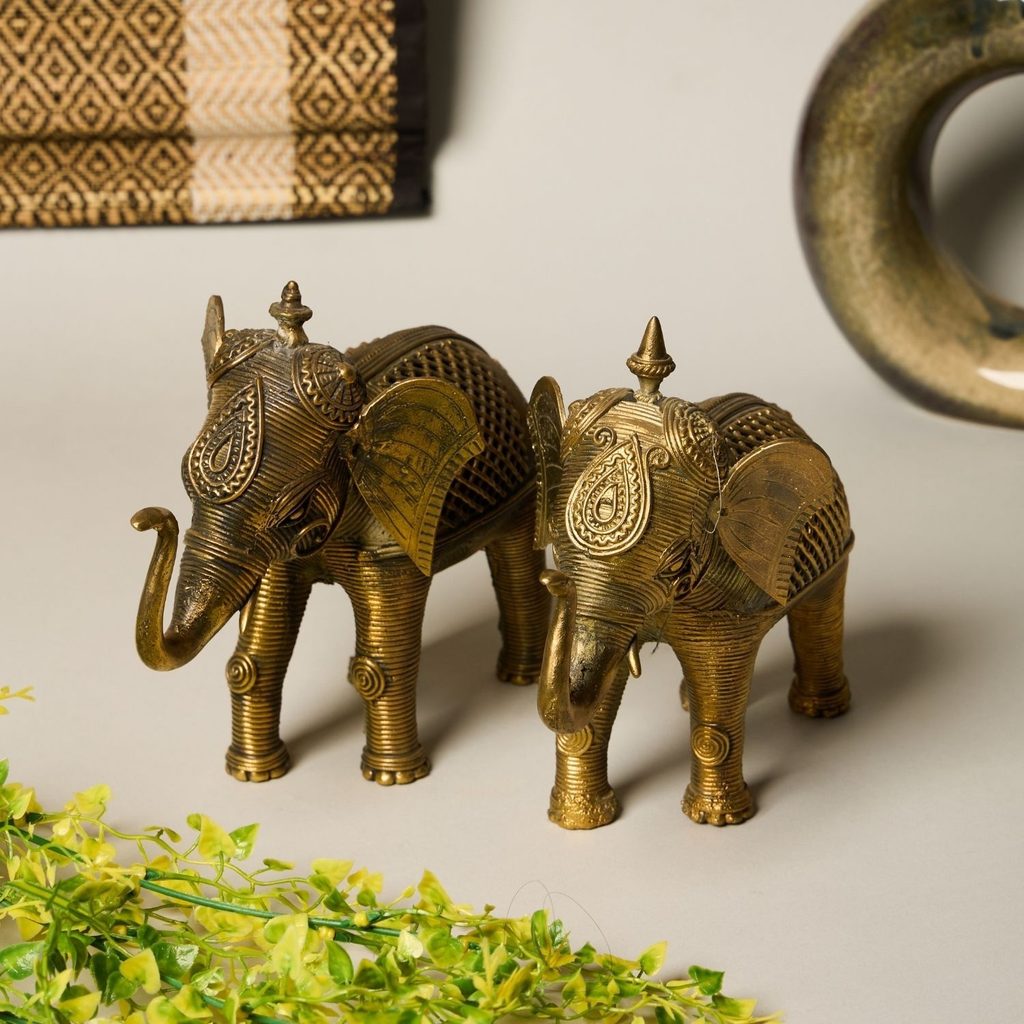
India is famous for its traditional handicrafts, which reflect the country’s rich cultural heritage. Among these crafts, Odisha Dhokra Metalwork holds a special place for its unique designs, traditional techniques, and connection to tribal communities.
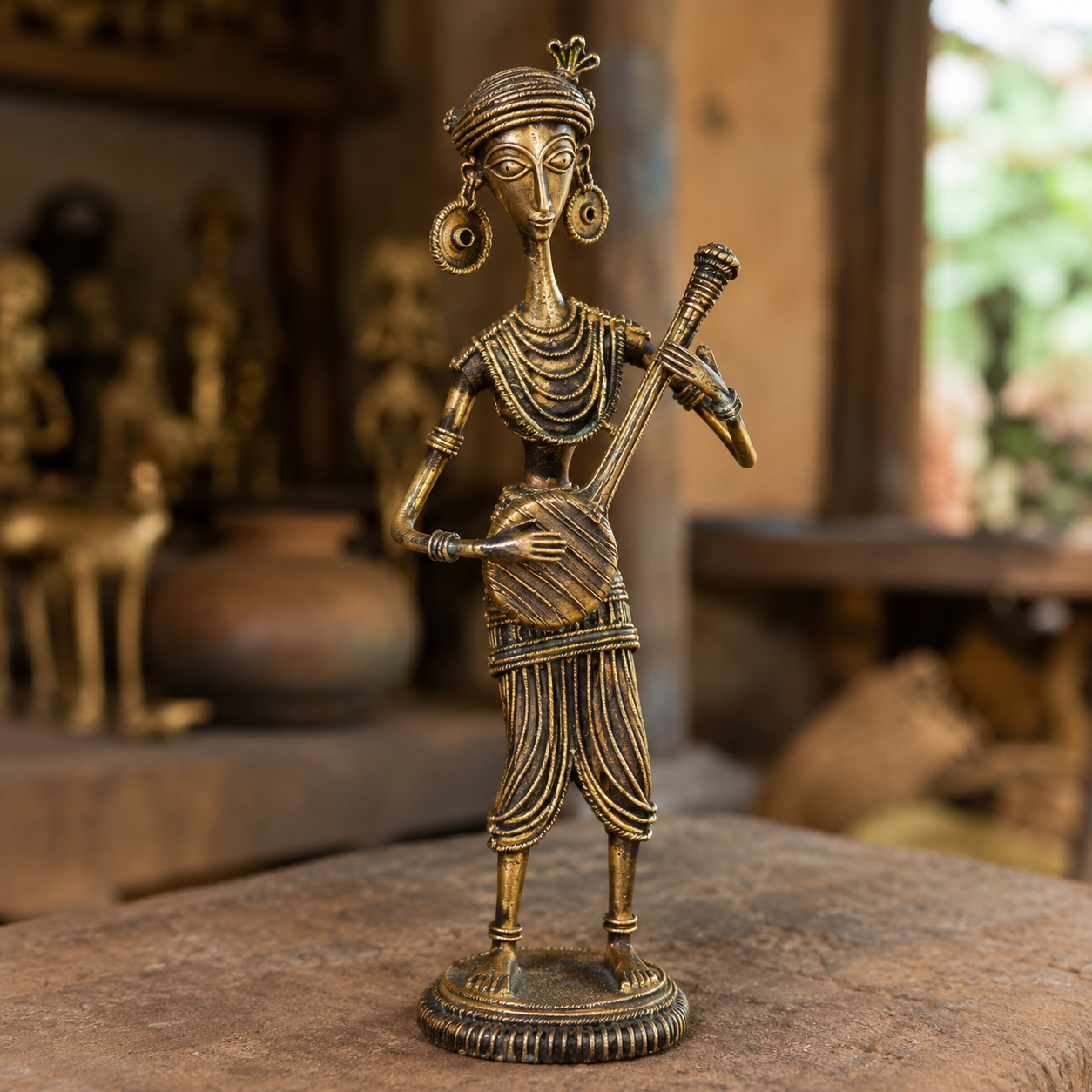
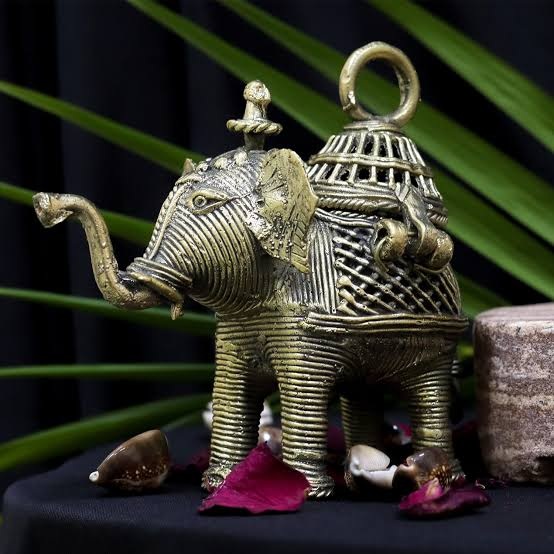
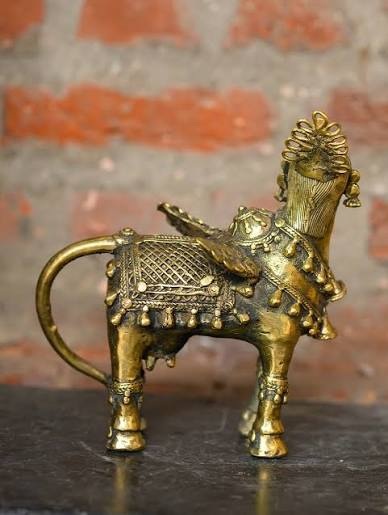
This ancient craft transforms simple metal into beautiful human figures, animals, decorative objects, and religious sculptures. Artisans handcraft each piece, making every creation slightly different from the next.
Odisha is particularly known for its traditional Dhokra craft in areas such as Dhenkanal. The craft represents the creativity, patience, and cultural knowledge passed down through generations.
Today, Odisha’s Dhokra metalwork attracts handicraft collectors, art lovers, interior designers, and people looking for authentic handmade Indian products. However, traditional artisans also face challenges such as rising material costs, changing customer preferences, and competition from mass-produced decorative items.
This article explores the history, techniques, cultural significance, benefits, and future of Odisha Dhokra metalwork.
What Is Odisha Dhokra Metalwork?
Odisha Dhokra metalwork is a traditional metal-casting craft that uses the lost-wax technique to create sculptures, figurines, jewelry, and decorative objects. Artisans traditionally work with non-ferrous metals, including brass and other copper-based alloys. The process combines handmade modeling, clay molding, and metal casting to produce distinctive designs.
The craft is valued for its handmade appearance, textured surfaces, and cultural significance. Its designs often draw inspiration from tribal life, animals, nature, folklore, and religious traditions.
Unlike factory-made decorations, traditional Dhokra objects are individually crafted. Small differences in shape, texture, and finish give each piece its own character.
Understanding Odisha Dhokra Metalwork
Odisha Dhokra metalwork is part of India’s wider Dhokra tradition. The craft is associated with communities that have preserved traditional metal-casting skills over generations.
The process requires practical knowledge of wax modelling, clay preparation, heating, casting, and finishing. Artisans learn these skills through experience and family traditions.
Common products include:
- Human and tribal figurines
- Traditional musicians and dancers
- Animal sculptures
- Decorative wall hangings
- Religious figures
- Jewellery and small accessories
- Home decoration pieces
These objects serve both decorative and cultural purposes. They also provide a source of livelihood for artisan families.
History and Cultural Significance of Odisha Dhokra Metalwork
Odisha Dhokra metalwork reflects a long tradition of metal craftsmanship in India. Lost-wax casting has ancient roots in the Indian subcontinent, and related techniques have been used for centuries to create metal objects.
The wider Dhokra tradition is closely connected with traditional artisan communities. In Odisha, Dhokra craft is associated with places including Sadeibareni village in Dhenkanal district.
Artisans have traditionally created objects inspired by their surroundings, beliefs, occupations, and community life. Their designs often reflect rural activities, local stories, animals, and traditional musical performances.
Cultural Importance
The craft preserves knowledge that cannot be fully learned from written instructions alone. Much of the expertise comes from observing experienced artisans and practicing the process.
Its cultural importance includes:
- Preserving traditional skills: Artisans pass casting and finishing techniques from one generation to another.
- Representing community life: Figurines often depict musicians, dancers, workers, and everyday activities.
- Supporting local livelihoods: Craft production creates opportunities for artisan families.
- Promoting Indian handicrafts: Dhokra products help introduce traditional Indian art to wider audiences.
- Maintaining cultural identity: Distinctive handmade designs preserve links with regional traditions.
Traditional crafts can change over time. Modern artisans may introduce new shapes, sizes, and decorative products while retaining important elements of their inherited techniques.
Key Techniques Used in Odisha Dhokra Metalwork
The lost-wax casting process is the defining feature of traditional Dhokra metalwork. It allows artisans to create detailed shapes and textured surfaces using a mould that is destroyed during production.
Although methods vary between workshops, the basic process follows several stages.
1. Preparing the Core and Clay
The artisan prepares a suitable core or basic form using locally appropriate materials. A clay-based layer is shaped to establish the object’s general structure.
The preparation must account for the final design and the space required for the metal.
2. Applying Wax
The artisan uses wax to create the intended design. Thin wax strands may be applied to form decorative patterns, limbs, facial details, jewelry, and other features.
This stage requires patience because the wax determines many of the object’s final details.
3. Covering the Design With Clay
The wax model is covered with additional clay layers to form a mold. Openings and channels are arranged to allow the wax to escape and molten metal to enter.
The mould must dry sufficiently before the next stage.
4. Heating the Mold
The mould is heated so that the wax melts and drains away. This creates a cavity that follows the shape of the original wax model.
This technique is called lost-wax casting because the original wax pattern is not reused as the finished object.
5. Pouring the Molten Metal
The artisan heats the selected metal until it becomes molten. The metal is then poured into the prepared mould.
Once the metal cools and solidifies, it takes the shape of the cavity.
6. Breaking the Mould and Finishing
After cooling, the artisan breaks the mould to reveal the cast object. The piece is cleaned, trimmed, and finished as required.
Some products receive additional surface treatment, polishing, or decorative detailing.
The final result is a metal object with a distinctive handmade appearance.
Why Is Odisha Dhokra Metalwork Important?
Odisha Dhokra metalwork is important because it combines artistic expression, cultural heritage, and traditional livelihood. It gives artisans an opportunity to preserve inherited skills while producing objects for modern homes, collectors, and cultural institutions.
The craft also helps people understand the relationship between traditional communities and their artistic practices.
Its importance extends beyond decoration.
Cultural preservation: The craft keeps traditional metal-casting knowledge alive.
Employment opportunities: Craft production can provide income for artisans and related workers.
Artistic diversity: Handmade products offer designs that differ from standard factory-made decorations.
Tourism and cultural education: Traditional crafts can introduce visitors to Odisha’s artistic heritage.
Contemporary design: Designers can incorporate Dhokra objects into modern interiors, exhibitions, and craft collections.
However, the benefits depend on fair purchasing practices, sustainable production, market access, and continued interest in traditional craftsmanship.
Benefits of Odisha Dhokra Metalwork
Traditional Dhokra products offer several benefits to buyers, collectors, and artisan communities.
1. Unique Handmade Designs
Artisans shape and finish each object individually. Small differences make handmade pieces distinctive and visually interesting.
2. Cultural Value
Dhokra sculptures often represent traditional activities, folklore, animals, and community life. Buyers can appreciate both the object’s appearance and its cultural context.
3. Versatile Decoration
Dhokra figurines and sculptures can complement traditional, rustic, and contemporary interiors. Smaller pieces may suit shelves and desks, while larger sculptures can become focal points.
4. Potential Support for Artisans
Buying directly from artisans or responsible craft retailers can help support traditional livelihoods. Buyers should check whether sellers provide credible information about the makers and production process.
5. Long-Lasting Material
Metal objects can last for many years when handled and maintained properly. Their durability depends on the alloy, construction, surface treatment, and storage conditions.
Challenges Facing Odisha Dhokra Metalwork
Despite its cultural value, Odisha Dhokra metalwork faces several challenges.
Rising Material Costs
Problem: Metal and other production materials can become expensive.
Cause: Changes in material prices increase the cost of handmade products.
Solution: Artisans can improve cost planning, reduce avoidable waste, and develop products suited to different budgets.
Competition From Machine-Made Products
Problem: Mass-produced decorations may be cheaper than traditional handmade objects.
Cause: Factory production can achieve larger volumes and consistent designs.
Solution: Sellers should explain the handmade process, cultural background, and individual characteristics of genuine Dhokra products.
Limited Market Access
Problem: Some artisans struggle to reach customers beyond their local markets.
Cause: Limited marketing resources, distribution networks, and digital skills can restrict sales.
Solution: Responsible online marketplaces, craft exhibitions, cooperatives, and direct-to-customer channels can improve visibility.
Changing Consumer Preferences
Problem: Traditional products may not appeal to every modern buyer.
Cause: Customers have different preferences for size, colour, function, and interior design.
Solution: Artisans can explore contemporary products while preserving the core skills and distinctive identity of the craft.
Protecting Traditional Knowledge
Problem: Traditional skills may weaken when younger generations have limited opportunities to learn them.
Cause: Uncertain income and changing employment choices can discourage new learners.
Solution: Training, fair compensation, apprenticeships, and reliable demand can help preserve the craft.
Best Practices for Buying Authentic Odisha Dhokra Metalwork
Choosing an authentic handmade object requires more than examining its appearance. Buyers should consider the seller, materials, craftsmanship, and product description.
Follow these practical tips:
- Check the seller: Choose a reputable artisan, craft cooperative, gallery, or retailer.
- Ask about the origin: Look for clear information about the maker and production location.
- Understand the technique: Ask whether the piece was made using lost-wax casting.
- Examine the details: Look at the surface texture, joins, finish, and overall construction.
- Check the material: Confirm whether the product is brass or another metal alloy.
- Compare prices carefully: Consider size, complexity, material, and labour rather than choosing only the cheapest option.
- Ask about handmade variations: Slight differences may be normal in individually produced objects.
- Request care instructions: Find out how to clean and store the specific item.
- Support fair trade: Prefer sellers who provide transparent information about artisans and sourcing.
- Avoid unsupported claims: A seller’s description alone does not prove authenticity or geographical origin.
These practices help buyers make informed decisions while respecting the work of traditional artisans.
Odisha Dhokra Metalwork vs. Machine-Made Metal Decorations
Handcrafted Dhokra objects and machine-made metal decorations can both serve decorative purposes. Their production methods, appearance, and cultural significance may differ.
| Feature | Odisha Dhokra Metalwork | Machine-Made Metal Decorations |
|---|---|---|
| Production | Traditional lost-wax casting and hand finishing | Industrial processes or automated casting |
| Design | Often influenced by regional traditions | Often designed for standardised production |
| Appearance | May feature distinctive textures and handmade variations | Often has a more consistent finish |
| Cultural value | Can preserve regional artisan traditions | Depends on the product and its design |
| Production volume | Usually produced in smaller batches | Can be produced in large quantities |
| Price | Varies with size, material, and labour | Varies with materials and production scale |
| Best suited for | Collectors and buyers interested in traditional crafts | Buyers seeking a wide range of standardised products |
Neither category is automatically superior in every respect. Quality depends on materials, construction, workmanship, and the purpose of the purchase.
Frequently Asked Questions About Odisha Dhokra Metalwork
1. What is Odisha Dhokra metalwork?
Odisha Dhokra metalwork is a traditional metal-casting craft associated with Odisha’s artisan heritage. Artisans use the lost-wax technique to create sculptures, figurines, jewellery, and decorative objects. The craft is known for handmade designs, textured surfaces, and representations of traditional life, animals, and cultural themes.
2. What is the lost-wax technique?
The lost-wax technique is a casting method in which an artisan creates a wax model and covers it with a moulding material. Heating removes the wax, leaving a cavity. Molten metal fills that cavity and hardens into the intended shape. The mould is then broken to reveal the finished casting.
3. Which materials are used in Dhokra metalwork?
Traditional Dhokra artisans commonly work with non-ferrous metals, including brass and other copper-based alloys. The precise alloy varies by maker and product. Clay, wax, and other materials are used during mould preparation and casting. Buyers should check the seller’s material description rather than assuming every object has the same composition.
4. Which part of Odisha is known for Dhokra craft?
Dhenkanal district is associated with traditional Dhokra craftsmanship in Odisha. Sadeibareni village is particularly known for this craft. The region’s artisan traditions contribute to the cultural identity of the products. Buyers interested in local craftsmanship should seek reliable information about the specific maker and the object’s place of production.
5. What designs are common in Odisha Dhokra metalwork?
Common designs include human figures, tribal musicians, dancers, animals, religious figures, and decorative motifs inspired by nature and community life. Some products depict everyday activities, while others serve as decorative or ceremonial objects. Design choices vary according to the artisan, local traditions, customer preferences, and intended use.
6. Why is Odisha Dhokra metalwork culturally important?
Odisha Dhokra metalwork preserves traditional knowledge, supports artisan livelihoods, and represents regional artistic traditions. Its production requires practical skills passed down through observation and experience. The finished objects also help communicate aspects of community life and cultural expression, making the craft valuable to collectors and cultural heritage enthusiasts.
7. How can I identify authentic Odisha Dhokra products?
Start by checking the seller’s reputation, the product’s stated origin, and information about its maker. Ask whether the item was produced using traditional lost-wax casting. Examine the workmanship and request material details. Handmade variations can offer useful clues, but appearance alone cannot conclusively establish authenticity or geographical origin.
8. How should Odisha Dhokra metalwork be maintained?
Keep metal objects in a dry environment and remove dust with a soft, dry cloth. Avoid abrasive cleaners and harsh chemicals, which may damage the surface or finish. If the item has an intentional patina or special coating, follow the maker’s care instructions. Store valuable pieces away from excessive moisture and rough handling.
Key Takeaways
- Odisha Dhokra metalwork is a traditional craft associated with India’s cultural heritage.
- The lost-wax technique is central to the production process.
- Dhenkanal district, including Sadeibareni village, is associated with Dhokra craftsmanship in Odisha.
- Artisans create sculptures, figurines, jewellery, and decorative objects.
- The craft supports cultural preservation and can provide livelihoods for artisan communities.
- Rising costs, limited market access, and mass-produced competition remain important challenges.
- Buyers should check the product’s origin, materials, maker, and production method.
- Fair purchasing and responsible marketing can help traditional artisans reach wider audiences.
Conclusion
Odisha Dhokra metalwork represents the relationship between traditional craftsmanship, cultural identity, and artistic expression. Its distinctive designs and lost-wax casting process make it an important part of India’s wider handicraft heritage.
The craft offers decorative and cultural value while creating opportunities for artisans to preserve inherited skills. However, its future depends on fair compensation, effective marketing, access to customers, and continued interest in handmade products.
Buyers can contribute by choosing responsibly sourced items, learning about their makers, and appreciating the time and expertise required to produce each piece.
For anyone interested in Indian handicrafts, Odisha Dhokra metalwork offers an opportunity to explore a traditional art form while supporting the people who keep it alive.
The next step: Explore products from reputable Odisha artisans and craft organisations, verify their origins, and choose pieces that reflect the quality and craftsmanship you value.