
Plastic injection moulding has transformed modern manufacturing by enabling the large-scale production of precise, durable, and cost-effective plastic components. From automotive parts and household products to electronic toys and industrial equipment, injection moulding is the preferred manufacturing process for producing high-quality plastic products. Today, a Plastic injection moulding manufacturer in Sonipat plays a significant role in supplying precision moulded components to industries across India and global markets.
Sonipat, Haryana, has rapidly developed into an important manufacturing hub because of its strategic location near Delhi NCR, well-established industrial infrastructure, skilled workforce, and excellent logistics connectivity. The region is home to numerous manufacturers specializing in plastic moulded products, electronic toy components, industrial plastic parts, consumer goods, and custom injection moulding solutions.
This comprehensive guide explains plastic injection moulding, its manufacturing process, benefits, applications, challenges, best practices, comparison factors, frequently asked questions, and why Sonipat has become a preferred destination for plastic moulded product manufacturing.
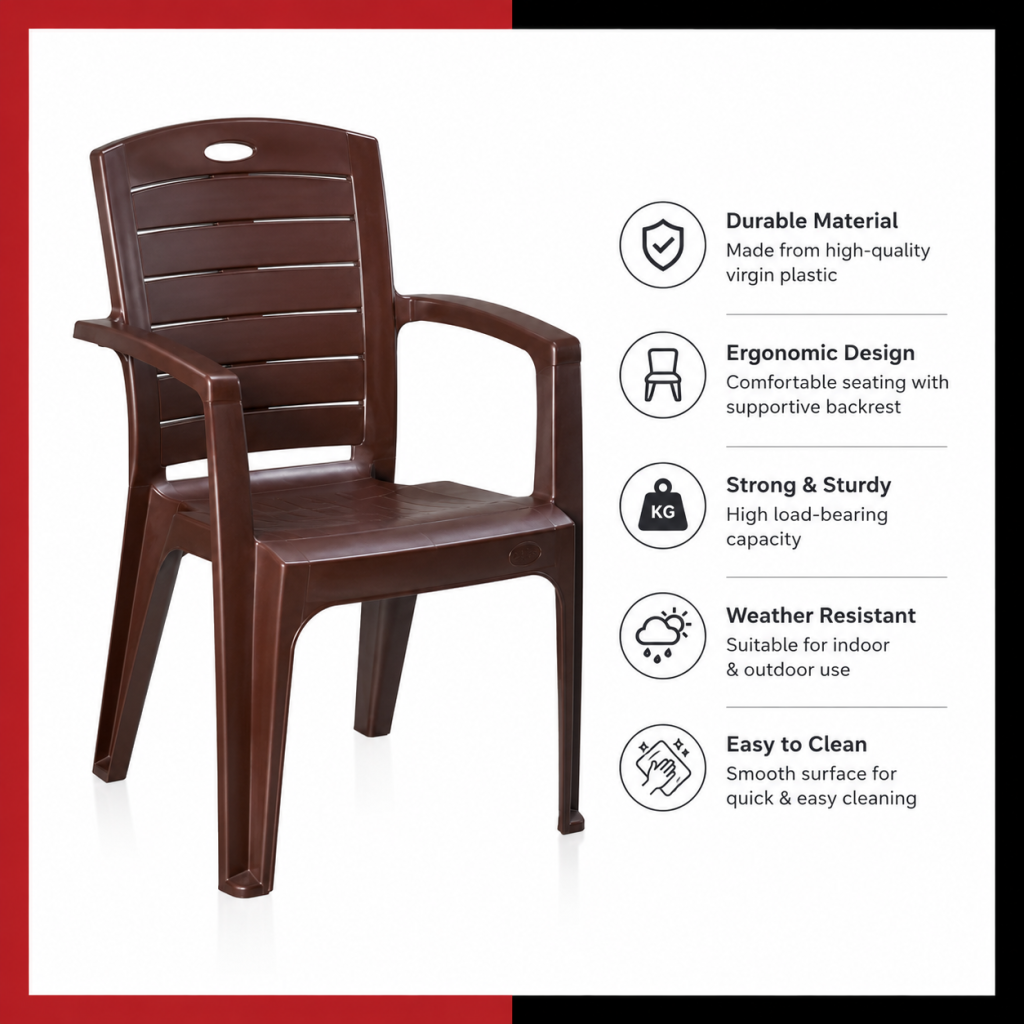
What Is Plastic Injection Moulding?
Quick Definition
Plastic injection moulding is a manufacturing process in which molten plastic material is injected into a precision-designed mould under high pressure to produce identical plastic components with excellent dimensional accuracy, surface finish, and repeatability. A Plastic injection moulding manufacturer in Sonipat uses this process to manufacture plastic moulded products, electronic toy parts, automotive components, and customized industrial products.
Detailed Explanation
Injection moulding is one of the most efficient production methods for manufacturing plastic products in large volumes. The process allows manufacturers to create complex shapes with minimal waste while maintaining consistent quality.
For electronic toys, injection moulding is widely used to manufacture:
- Toy bodies
- Wheels
- Battery compartments
- Control housings
- Decorative panels
- Plastic gears
- Buttons
- Covers
- Connectors
- Packaging accessories
Manufacturers combine precision mould design, automated production systems, and rigorous quality inspections to produce safe and durable products.
Key Components
- Plastic raw materials (ABS, PP, HDPE, PC, Nylon)
- Injection moulding machine
- Precision mould
- Hopper
- Heating barrel
- Injection unit
- Cooling system
- Ejection system
- Quality inspection equipment
- Packaging unit
Why Is a Plastic Injection Moulding Manufacturer in Sonipat Important?
Direct Answer
A Plastic injection moulding manufacturer in Sonipat supports multiple industries by producing high-quality plastic components with precision, consistency, and cost efficiency. The city’s industrial ecosystem, skilled workforce, and proximity to major markets make it a preferred manufacturing destination.
Detailed Explanation
Injection moulding manufacturers contribute significantly to industrial growth by producing essential plastic products used in everyday life and specialized industries.
Key contributions include:
- Supporting the electronics industry
- Manufacturing electronic toy components
- Supplying automotive manufacturers
- Producing consumer goods
- Supporting medical equipment manufacturing
- Serving packaging industries
- Promoting exports
- Creating employment opportunities
Their ability to deliver customized, high-volume production makes them valuable manufacturing partners.
How Plastic Injection Moulding Works
Direct Answer
Plastic injection moulding involves melting plastic resin, injecting it into a precision mould, cooling the material until it solidifies, ejecting the finished component, and performing quality inspection before packaging.
Step 1: Material Preparation
Plastic granules are selected according to product requirements.
Common materials include:
- ABS
- Polypropylene (PP)
- Polycarbonate (PC)
- Nylon
- HDPE
- PVC
The raw material is dried to remove moisture before processing.
Step 2: Injection Moulding Process
The plastic pellets are heated until molten and injected into a steel mould under controlled pressure.
The mould is cooled until the plastic solidifies.
The finished component is then ejected automatically.
Modern machines use computer-controlled systems to ensure high precision and repeatability.
Step 3: Quality Inspection and Packaging
Finished products undergo:
- Dimensional inspection
- Surface finish evaluation
- Functional testing
- Color consistency checks
- Assembly verification
- Packaging inspection
Only approved products proceed to dispatch.
Benefits of Plastic Injection Moulding
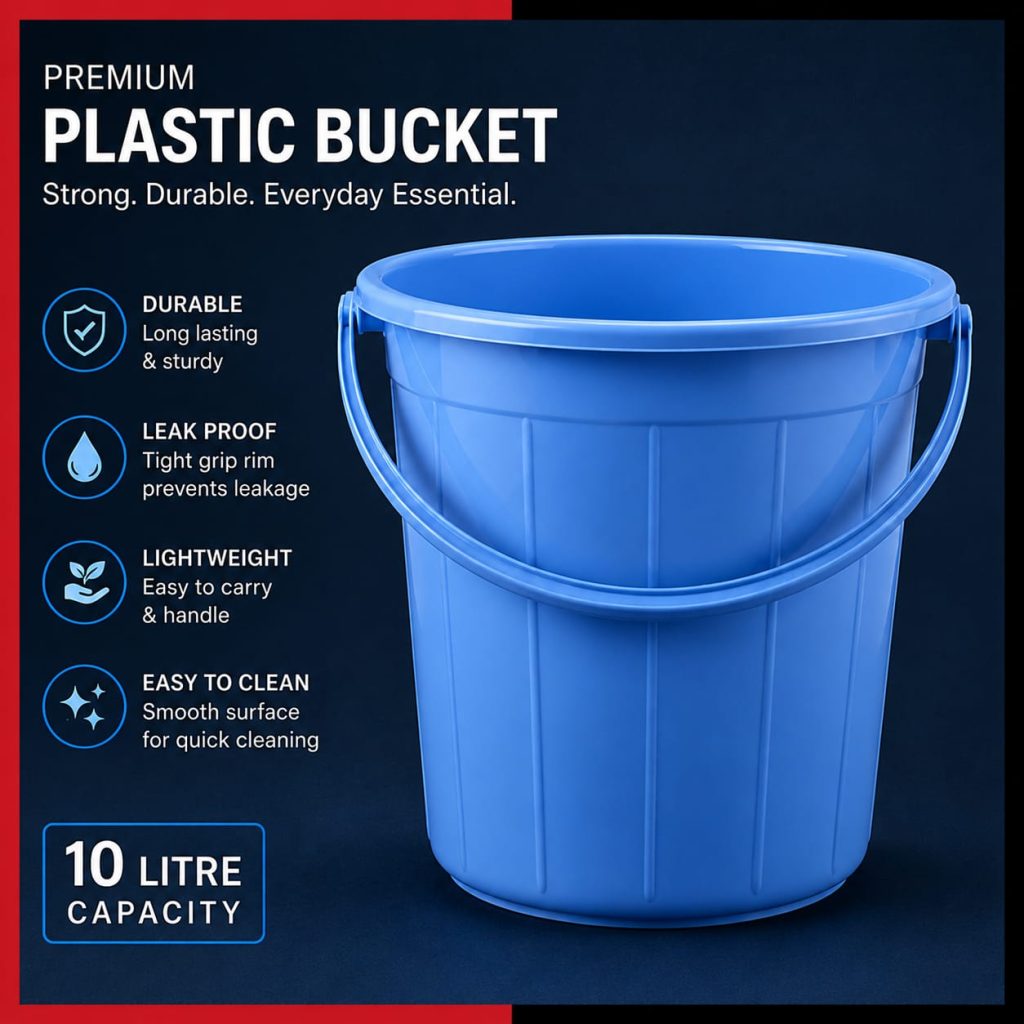
Direct Answer
Plastic injection moulding offers high production speed, precision, cost efficiency, design flexibility, material versatility, low waste generation, and consistent quality, making it one of the most preferred manufacturing methods for plastic products and electronic toys.
Detailed Explanation
1. High Production Efficiency
Automated production enables large quantities in less time.
Outcome: Faster order completion.
2. Excellent Dimensional Accuracy
Precision moulds ensure consistent product dimensions.
Outcome: Better product quality.
3. Cost-Effective Mass Production
Large production volumes reduce per-unit manufacturing costs.
Outcome: Improved profitability.
4. Design Flexibility
Complex shapes and intricate designs can be produced easily.
Outcome: Greater product innovation.
5. Minimal Material Waste
Unused plastic can often be recycled during production.
Outcome: Better material utilization.
6. Wide Material Selection
Manufacturers can choose materials with specific mechanical and thermal properties.
Outcome: Products designed for specialized applications.

Challenges and Common Mistakes
Direct Answer
Common challenges include poor mould design, inconsistent raw material quality, shrinkage defects, flash formation, warping, and improper cooling. Proper process control, precision tooling, and regular maintenance help eliminate these issues.
| Problem | Cause | Solution |
| Warping | Uneven cooling | Optimize cooling system |
| Flash | Excess injection pressure | Adjust machine settings |
| Sink marks | Improper packing | Improve process parameters |
| Short shots | Low injection pressure | Increase pressure and temperature |
| Surface defects | Poor mould finish | Polish mould regularly |
| Dimensional variation | Machine instability | Perform preventive maintenance |
Best Practices and Expert Tips
- Choose high-quality engineering-grade plastic materials.
- Design moulds for efficient cooling and easy ejection.
- Maintain moulds regularly to prevent defects.
- Optimize injection pressure and temperature settings.
- Perform first-article inspections before mass production.
- Use automated quality inspection systems.
- Train machine operators regularly.
- Recycle production scrap wherever possible.
- Validate every mould before commercial production.
- Partner with experienced manufacturers for custom projects.
Comparison Table
| Feature | Plastic Injection Moulding | Blow Moulding |
| Product Type | Solid Plastic Parts | Hollow Plastic Products |
| Dimensional Accuracy | Excellent | Moderate |
| Complex Shapes | Yes | Limited |
| Surface Finish | Superior | Good |
| Production Speed | High | High |
| Material Waste | Low | Moderate |
| Tooling Cost | Higher | Moderate |
| Best Applications | Electronic Toys, Components | Bottles, Containers |
Industry Applications
Direct Answer
Plastic injection moulding serves industries such as electronic toys, automotive, medical devices, consumer electronics, home appliances, packaging, industrial equipment, agriculture, and telecommunications by producing durable, lightweight, and precision-engineered plastic components.
Detailed Explanation
Major applications include:
- Electronic toys
- Consumer electronics
- Automotive interiors
- Electrical enclosures
- Medical devices
- Kitchen appliances
- Packaging products
- Agricultural equipment
- Industrial machinery
- Household products
For example, remote-controlled toy cars, educational electronic toys, battery-operated games, and interactive learning devices all rely on precision injection moulded plastic parts for performance, durability, and safety.
Frequently Asked Questions (FAQ)
1. What is plastic injection moulding?
Direct Answer
Plastic injection moulding is a manufacturing process where molten plastic is injected into a mould to produce precise plastic components in high volumes.
Detailed Explanation
It is widely used because it offers speed, accuracy, repeatability, and cost-effective mass production.
2. Why is Sonipat a preferred manufacturing destination?
Direct Answer
Sonipat offers modern industrial infrastructure, skilled manpower, excellent transportation, and proximity to Delhi NCR, making it attractive for plastic manufacturing industries.
Detailed Explanation
These advantages improve production efficiency and reduce logistics costs.
3. Which products are manufactured using injection moulding?
Direct Answer
Manufacturers produce electronic toy parts, automotive components, electrical housings, packaging products, consumer goods, medical equipment, industrial parts, and household products.
Detailed Explanation
The process supports both high-volume and customized manufacturing.
4. Which plastics are commonly used?
Direct Answer
Common materials include ABS, polypropylene, polyethylene, nylon, polycarbonate, PVC, and engineering-grade thermoplastics.
Detailed Explanation
Material selection depends on strength, flexibility, temperature resistance, and product application.
5. Why is injection moulding suitable for electronic toys?
Direct Answer
Injection moulding produces lightweight, durable, colorful, and precisely shaped plastic parts required for electronic toy assemblies.
Detailed Explanation
It ensures consistent quality while supporting attractive product designs.
6. Can manufacturers develop custom moulds?
Direct Answer
Yes. Most manufacturers design and manufacture custom moulds according to customer drawings, product concepts, and production requirements.
Detailed Explanation
Custom tooling enables businesses to create unique products with consistent quality.
7. How is product quality maintained?
Direct Answer
Manufacturers conduct dimensional inspections, functional testing, visual inspections, material verification, and process monitoring throughout production.
Detailed Explanation
Comprehensive quality control minimizes defects and improves customer satisfaction.
8. What should buyers evaluate before selecting a manufacturer?
Direct Answer
Buyers should assess mould-making capability, production capacity, quality systems, technical expertise, delivery performance, and customization support.
Detailed Explanation
Choosing an experienced manufacturer improves product quality and long-term supply reliability.
Key Takeaways
- Plastic injection moulding is ideal for mass production.
- Sonipat has become a major manufacturing hub for plastic moulded products.
- Precision moulds ensure excellent product quality.
- Electronic toys rely heavily on injection moulded components.
- Modern automation improves production efficiency.
- Strong quality control minimizes manufacturing defects.
- Material selection influences product performance.
- Long-term manufacturing partnerships improve business success.
Final Verdict
Plastic injection moulding continues to be one of the most advanced and efficient manufacturing technologies for producing high-quality plastic products. With experienced professionals, modern machinery, advanced tooling capabilities, and reliable industrial infrastructure, a Plastic injection moulding manufacturer in Sonipat can deliver precision-engineered plastic moulded products and electronic toy components that meet the demands of domestic and international markets. Businesses should prioritize manufacturers with strong technical expertise, quality assurance systems, and customization capabilities.
Conclusion
The demand for Plastic injection moulding manufacturer in Sonipat continues to grow as industries seek reliable partners for producing precision plastic moulded products and electronic toys. Sonipat’s strong manufacturing ecosystem, strategic location, skilled workforce, and modern production technologies make it an excellent destination for plastic component manufacturing. Selecting a trusted manufacturer ensures consistent quality, cost-effective production, timely deliveries, and long-term business growth.
Visit all best manufactureres of sonipat’s odop Plastic Moulded Products (Electronic Toys)
| Organisation | Website/Other business profile | Contact no. | CTA |
| PLAST MOULD INDUSTRIES | Website Available | +91 98995 56769 | Visit here |
| SSR Dies & Moulds PVT. LTM. | Website Available | +91 86464 04648 | Visit here |
| VIP PLASTICS | Website Available | +91 99990 09090 | Visit here |
| Metaplast Engineering LLP | Justdial Available | NA | Visit here |
| Moukdman Precious Private Limited | Website Available | +91 70821 11871 | Visit here |
Leave a Reply