
Introduction
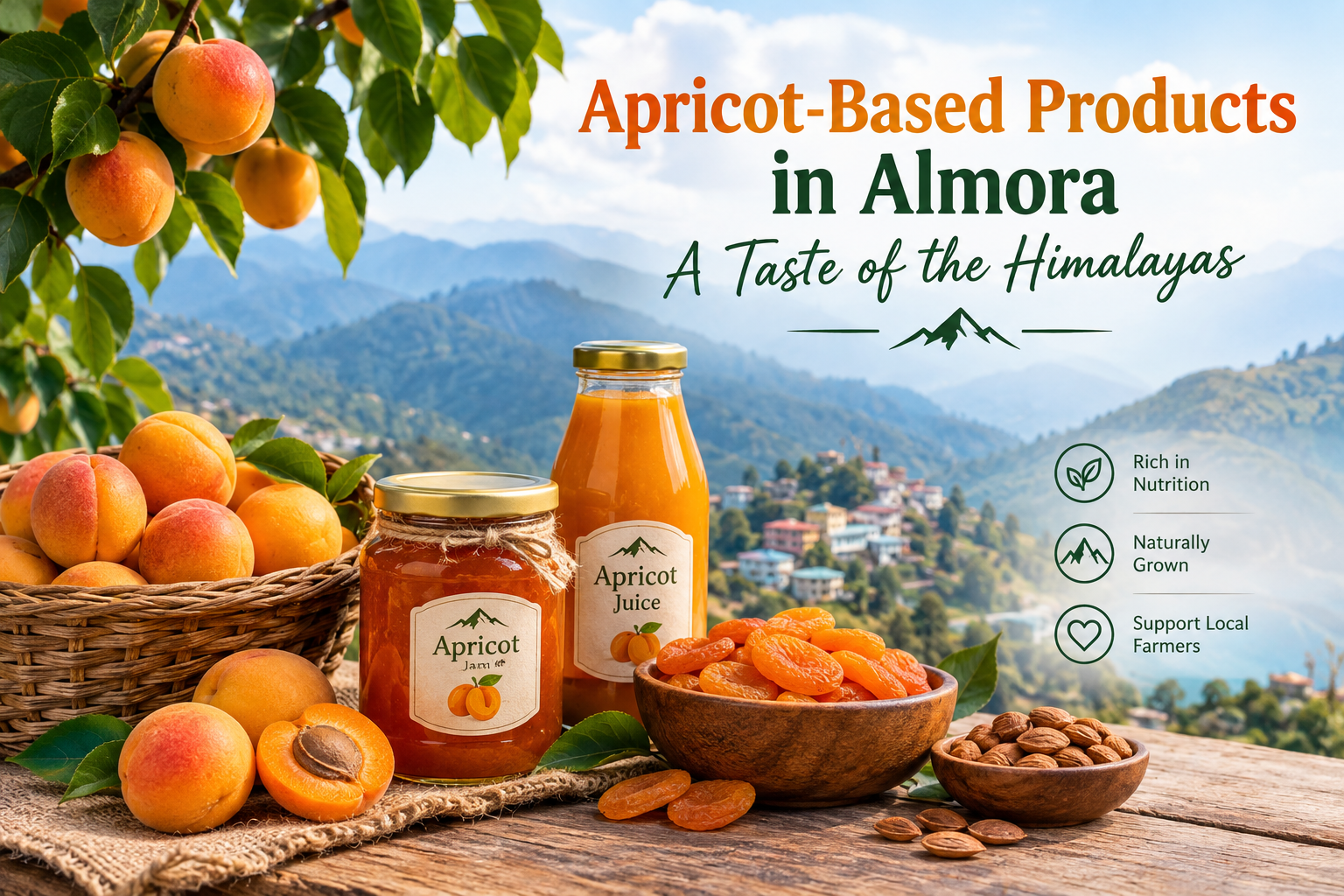
Nestled in the Kumaon region of Uttarakhand, Almora is known for its scenic mountains, traditional culture, local foods, and rich agricultural heritage. Among its many distinctive products, apricot has emerged as an important local resource. In fact, the Government of India has officially identified apricot-based products as Almora’s One District One Product (ODOP). The official ODOP listing specifically includes products such as jam, chutney, and pickles.
For professionals, entrepreneurs, retailers, and businesses looking for authentic regional products, apricot-based offerings offer an appealing combination of traditional taste, local identity, and value-added benefits.
From fruit preserves to dried apricots and apricot kernel oil, the humble Himalayan apricot can be transformed into several commercially valuable products. This makes it much more than just a seasonal fruit—it represents an opportunity for local entrepreneurship and sustainable rural livelihoods.
Why Are Apricot-Based Products Famous in Almora?
Apricot, locally known as khumani, is associated with the hill regions of Uttarakhand and is particularly suitable for value-added food and wellness products.
The importance of apricot processing in Almora is also reflected in government initiatives. Under the ODOP framework, Almora has been selected for apricot-based products, while the state’s food-processing profile identifies Almora as a production cluster for these products.
The reason value-added processing is important is simple: fresh fruit is seasonal and perishable. Converting apricots into products with a longer shelf life allows farmers, processors, and entrepreneurs to generate value beyond the fresh-fruit season.
Popular examples include:
- Apricot jam
- Apricot chutney
- Apricot pickles
- Dried apricots
- Apricot juice and beverages
- Apricot pulp and puree
- Apricot powder
- Apricot kernel oil
- Apricot-based sauces and spreads
Popular Apricot-Based Products from Almora
1. Apricot Jam
Apricot jam is one of the most recognizable value-added products made from the fruit. It combines the natural sweetness and characteristic aroma of apricots into a convenient spread.
It can be enjoyed with:
- Bread and toast
- Parathas
- Pancakes
- Biscuits
- Desserts
- Breakfast bowls
Small-batch Himalayan apricot jams are already being marketed using apricots sourced from the Almora and wider Uttarakhand region.
For businesses, jam is particularly attractive because it can be packaged in different sizes for households, hotels, gift hampers and tourism outlets.
2. Apricot Chutney
Apricot chutney is another excellent example of how a fruit can be transformed into a distinctly regional food product.
Unlike a conventional sweet spread, chutney can combine the fruity character of apricot with spices and other ingredients to create a sweet, tangy and spicy profile.
It can be served with:
- Indian snacks
- Parathas
- Rice dishes
- Grilled foods
- Cheese and crackers
This makes apricot chutney suitable not only for traditional consumers but also for modern gourmet-food markets.
3. Apricot Pickle
Pickling provides another way to preserve the fruit while creating a strong regional food identity.
Apricot pickle can appeal to consumers who enjoy traditional Himalayan flavours. Properly processed and hygienically packaged products can also be positioned as specialty regional foods.
For professional buyers, packaging, consistency, food safety, and shelf-life information are important considerations when evaluating such products.
4. Dried Apricots
Drying is one of the oldest and most practical ways of extending the usability of fruit.
Dried apricots are convenient because they can be stored and consumed as a snack or incorporated into recipes. They can also be used in:
- Desserts
- Bakery products
- Trail mixes
- Breakfast cereals
- Granola
- Traditional preparations
Government food-processing material on apricot processing also describes dried apricots and apricot powder among the possible value-added products.
5. Apricot Kernel Oil
One of the most interesting products derived from apricot is apricot kernel oil. Instead of treating the kernels as waste, they can be processed to extract oil.
Organizations working with mountain communities have developed apricot oil and related body-care products, demonstrating how apricot processing can create additional livelihood opportunities.
Apricot kernel oil is used in personal-care products such as:
- Massage oils
- Moisturizing products
- Soaps
- Body-care formulations
- Scrubs
The example of apricot oil also highlights an important business principle: value can be created from parts of the fruit that might otherwise be discarded.
Benefits of Apricot-Based Processing
The commercial potential of apricot is not limited to the final product. Its processing can create benefits across the local value chain.
Better Value for Farmers
Instead of selling only fresh fruit during the harvest season, processing allows producers to create products that can be sold over a longer period.
Reduced Post-Harvest Loss
Fresh apricots are perishable. Processing them into jam, chutney, pickle, dried fruit, or other products can help extend their usability.
Rural Employment
Processing requires activities such as sorting, cleaning, drying, packaging, processing, and distribution. This can create supplementary employment opportunities in mountain communities. Livelihood programs in the region have already used apricot processing to support farmers and rural households.
Strong Regional Identity
Products associated with Almora can be marketed as authentic Himalayan or Kumaoni specialties. This regional identity can be particularly valuable in tourism, gifting, and specialty-food markets.
Why Apricot Products Have Business Potential
For professionals and entrepreneurs, the biggest opportunity lies in value addition and branding.
A basic fruit can become a premium product when businesses focus on:
- Quality sourcing – Build relationships with local growers and suppliers.
- Hygienic processing – Follow appropriate food-safety and manufacturing practices.
- Attractive packaging – Use packaging that communicates freshness and Himalayan origin.
- Strong storytelling – Explain the connection between the product, farmers, and Almora.
- Digital marketing – Use websites, social media, and marketplaces to reach customers outside the region.
- Tourism-focused sales – Position products as memorable take-home gifts for visitors.
- Product diversification – Offer multiple formats instead of relying on a single product.
This approach can transform a traditional agricultural resource into a recognizable regional brand.
How to Choose Quality Apricot-Based Products
Whether you are a consumer, retailer, or business buyer, consider the following factors:
- Clear ingredient information
- Hygienic packaging
- Manufacturing and expiry dates
- Appropriate storage instructions
- Consistent product quality
- Authentic sourcing information
- Proper food-related certifications where applicable
- Packaging suitable for transportation
- Transparent information about preservatives and additives
For professional buyers, consistency is especially important. A product that tastes excellent once but varies significantly between batches can be difficult to scale.
Almora Apricot Products and the Future
The future of apricot-based products lies in combining traditional knowledge with modern processing, packaging, and marketing.
Government recognition of Almora under the ODOP framework provides an important foundation for promoting apricot-based entrepreneurship.
The opportunity extends beyond traditional jam and chutney. Entrepreneurs can explore premium dried fruit, healthy snack formats, gourmet spreads, beverages, bakery ingredients, natural personal-care products and other innovative applications.
At the same time, responsible development is important. Businesses should focus on fair sourcing, food safety, sustainable processing, and quality consistency. This can help ensure that commercial growth benefits both consumers and the communities producing the raw material.
Frequently Asked Questions
1. What are the most popular apricot-based products in Almora?
Popular products include apricot jam, chutney, pickles, dried apricots, and apricot kernel oil. The Government of India’s ODOP listing specifically identifies jam, chutney, and pickles among Almora’s apricot-based products.
2. Why is Almora known for apricot-based products?
Almora has been officially selected under the One District One Product initiative for apricot based products. This recognition supports value addition, processing and promotion of local agricultural resources.
3. What is apricot kernel oil?
Apricot kernel oil is extracted from the kernels inside apricot seeds. It is used in various personal-care and body-care applications.
4. Are dried apricots a value-added product?
Yes. Drying reduces the moisture content of the fruit and creates a product that can be stored and consumed beyond the fresh-fruit season. Apricot powder is another value-added product produced through drying and pulverization.
5. Can apricot products become a business opportunity?
Yes. Products such as jam, chutney, dried fruit, beverages, and kernel oil can create opportunities in food processing, retail, tourism, gifting, and personal care.
6. Why are apricot-based products important for local communities?
Processing can create additional value from locally grown fruit while generating opportunities in sourcing, processing, packaging and marketing. Regional livelihood initiatives have used apricot processing to support farmers and mountain households.
7. How can Almora apricot products reach wider markets?
Professional branding, attractive packaging, e-commerce, social media marketing, tourism partnerships, specialty-food retailers, and online marketplaces can help local products reach customers beyond Uttarakhand.
Conclusion
Apricot-based products are more than traditional foods from Almora—they represent the potential of Himalayan agriculture, entrepreneurship, and local value addition. From flavorful jam and chutney to dried apricots and versatile kernel oil, the fruit offers opportunities across food, wellness, gifting and tourism markets.
For professionals and businesses, the real opportunity lies in turning local authenticity into a strong, trustworthy, and scalable brand while ensuring that farmers and local communities remain an important part of the value chain.
If you are looking for authentic regional products or exploring opportunities in Himalayan food and wellness businesses, Almora’s apricot-based ecosystem is worth discovering.