

Strawberry Maharashtra: Mahabaleshwar Farms, Season and Tips
Picture a cool winter morning in the Sahyadri hills. Red berries glisten in neat rows, and the air smells sweet. This is strawberry country, and it surprises many people that it lies in western India. Yet buyers often struggle to find fresh fruit, time their visit, or tell good berries from poor ones. This guide covers strawberry Maharashtra is known for: where it grows, when to visit, how farming works, and how to buy and store the fruit.
What Is Strawberry Farming in Maharashtra?
Quick Definition: Strawberry farming in Maharashtra is the commercial cultivation of strawberries, mainly in the hill region around Mahabaleshwar and Panchgani in Satara district. Cool winter nights and red soil suit the crop. The harvest runs from roughly November to April, and the region supplies most of India’s strawberries.
Detailed Explanation
Mahabaleshwar and Panchgani sit at about 1,300 metres in the Western Ghats. Cool weather, good rainfall, and well-drained soil create ideal conditions. Farmers in nearby villages such as Bhilar, Wai, and Jawali also grow the crop. Reports commonly credit this belt with the bulk of India’s strawberry output. The Mahabaleshwar strawberry also carries a Geographical Indication (GI) tag, though buyers should verify current details with official sources.
Strawberries first reached the region during the British era, when colonial officials looked for crops that suited the hill climate. Over time, local farmers turned it into a major cash crop.
Key Components
- Climate: Cool nights and mild days support flowering and fruit set.
- Soil: Red, well-drained soil with a slightly acidic pH works best.
- Varieties: Sweet Charlie, Camarosa, Winter Dawn, and Nabiha are common.
- Planting material: Farmers use runners or tissue-cultured plants.
- Mulching: Plastic mulch keeps fruit clean and controls weeds.
- Irrigation: Drip systems deliver water directly to roots.
Why Is Strawberry Maharashtra’s Important Crop?
Direct Answer: Strawberry matters in Maharashtra because it gives hill farmers high income from small plots. It drives tourism around Mahabaleshwar and Panchgani, and it feeds a local industry of jams, crushes, and ice creams. It also puts the state on India’s fruit map.
Farmer value: A small plot can bring good returns, though costs for plants, mulch, and labour are high.
Tourism value: Visitors come for farm visits, berry picking, and the strawberry-and-cream stalls near Mahabaleshwar’s market.
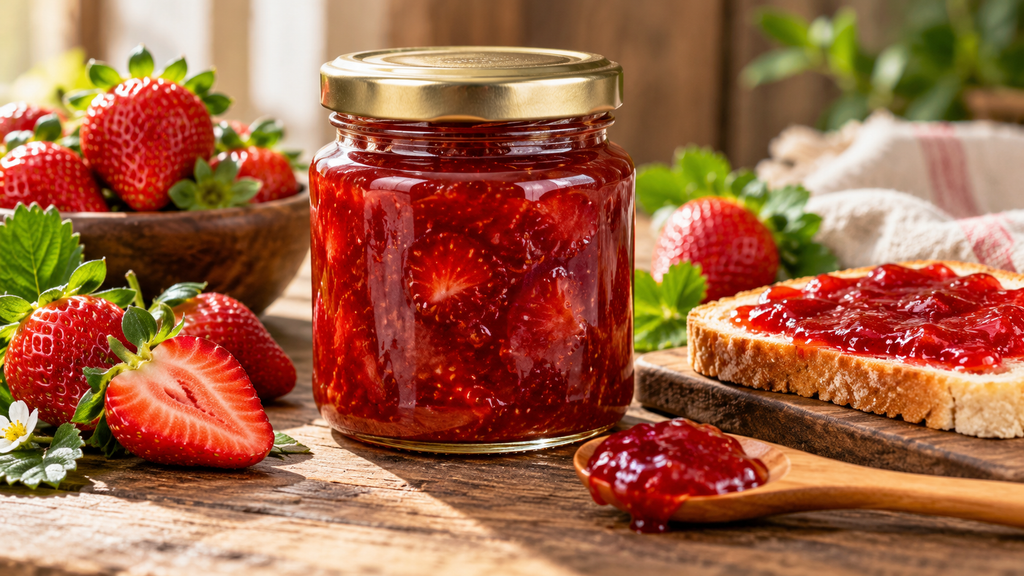
Business value: Processors turn surplus fruit into pulp, jam, and syrup. This reduces wastage.
Current relevance: Agri-tourism is growing. Many farms now charge entry for “pick your own” experiences, which gives farmers a second income stream.
How Does Strawberry Cultivation Work?
Direct Answer: Strawberry cultivation in Maharashtra follows three stages. Farmers prepare raised beds and plant saplings between September and October. They then manage irrigation, nutrients, and pests through winter. Finally, they harvest ripe berries by hand every few days from about November to April.
Step 1: Bed preparation and planting. Farmers form raised beds, add organic manure, lay drip lines, and cover the beds with plastic mulch. They plant saplings in holes cut into the mulch.
Step 2: Crop care. Plants need steady moisture, balanced nutrients, and regular checks for mites, fungal diseases, and fruit rot. Good spacing improves airflow.
Step 3: Harvest and packing. Workers pick berries when they are about three-fourths red. They place them gently in small trays. Quick sorting and cool storage help the fruit stay fresh for the market.
Example: A farm in Bhilar might plant in early October, see first fruit around December, and keep picking until spring as temperatures rise.
Benefits of Strawberry Maharashtra Produces
- Fresh, local supply
- What it is: Berries picked within a day or two of sale.
- Why it matters: Strawberries spoil quickly, so freshness drives flavour.
- Outcome: Sweeter, juicier fruit than long-distance imports.
- Good nutrition
- What it is: Strawberries provide vitamin C, fibre, and antioxidants.
- Why it matters: They are low in calories and easy to add to meals.
- Outcome: A healthy snack or dessert topping.
- Farmer income
- What it is: A high-value crop for small hill farms.
- Why it matters: It supports rural families and reduces migration.
- Outcome: Stronger local economies.
- Tourism boost
- What it is: Farm visits and strawberry festivals.
- Why it matters: Visitors spend on stays, food, and local products.
- Outcome: Year-round benefits for the Mahabaleshwar-Panchgani area.
- Value-added products
- What it is: Jams, crushes, syrups, and ice cream.
- Why it matters: Processing uses fruit that is too ripe or misshapen for sale.
- Outcome: Less waste and more products for buyers.
Challenges and Common Mistakes
1. Buying out of season
- Problem: Berries taste sour or watery.
- Cause: Fruit comes from cold storage or other regions.
- Solution: Buy between December and March for peak quality.
2. Choosing by size alone
- Problem: Large berries look good but lack flavour.
- Cause: Some varieties grow big but not sweet.
- Solution: Pick bright red berries with a strong aroma and green caps.
3. Washing before storage
- Problem: Berries turn soft and mouldy within a day.
- Cause: Moisture speeds decay.
- Solution: Refrigerate unwashed, and rinse just before eating.
4. Heat and pest damage on farms
- Problem: Yields and quality fall.
- Cause: Warm spells, heavy rain, mites, and fungal disease.
- Solution: Use drip irrigation, mulching, resistant varieties, and timely, label-guided crop protection.
5. Skipping farm checks when buying in bulk
- Problem: Buyers get mixed-quality lots.
- Cause: Sorting and grading vary between sellers.
- Solution: Visit the farm or buy from known growers and cooperatives.
Best Practices and Expert Tips
- Visit from December to March. Fruit is at its sweetest.
- Go early in the morning. Berries are cooler and fresher.
- Check the cap. A fresh green cap signals recent picking.
- Smell the fruit. Strong sweetness means good ripeness.
- Avoid berries with white shoulders. They were picked too early.
- Refrigerate quickly. Eat within two to three days.
- Do not wash until serving. Moisture shortens shelf life.
- Buy direct from farms. You get fresher fruit and support growers.
- Try processed products too. Jam and crush are good for gifting.
- Plan around weather. Heavy rain or heat can affect supply and prices.
Comparison Table: Mahabaleshwar Strawberries and Other Options
| Feature | Mahabaleshwar Fresh Berries | Cold-Stored or Imported Berries | Strawberry Products (Jam, Crush) |
|---|---|---|---|
| Freshness | Picked within a day or two | Several days to weeks old | Processed, long shelf life |
| Taste | Sweet and aromatic | Often mild or sour | Sweetened, concentrated |
| Best season | December to March | Year-round | Year-round |
| Shelf life | 2 to 3 days chilled | Slightly longer | Months |
| Price (approx.) | Varies by season and grade | Often higher | Varies by brand |
| Best for | Eating fresh, desserts | Off-season needs | Gifts and storage |
Prices change with demand, variety, and quality.
Frequently Asked Questions
1. Where is strawberry grown in Maharashtra?
Answer: Strawberries grow mainly in Mahabaleshwar and Panchgani in Satara district. Nearby villages such as Bhilar, Wai, and Jawali also produce them. The hills offer cool nights, red soil, and good rainfall, which the crop needs for flowering and fruiting.
2. What is the best time to buy strawberries in Maharashtra?
Answer: The best time is December to March. Cool nights bring out sweetness, and supply is at its highest. The season starts around November and ends by April as temperatures rise and quality drops.
3. Why are Mahabaleshwar strawberries so popular?
Answer: They are popular because they are fresh, sweet, and grown locally in a hill climate suited to the crop. Tourists also enjoy picking them on farms and eating them with cream, which makes them part of the Mahabaleshwar experience.
4. Which strawberry varieties grow in Maharashtra?
Answer: Common varieties include Sweet Charlie, Camarosa, Winter Dawn, and Nabiha. They differ in size, sweetness, and firmness. Farmers choose varieties based on yield, market demand, and how well they handle transport.
5. How do I pick fresh strawberries?
Answer: Choose bright red berries with fresh green caps and a sweet smell. Avoid berries with white patches, dark soft spots, or leaking juice. Check the bottom of the box for crushed or mouldy fruit before buying.
6. How should I store strawberries?
Answer: Store strawberries unwashed in the refrigerator, in a shallow container lined with paper. Remove spoiled berries so mould does not spread. Eat within two to three days, and wash just before serving.
7. Can I visit strawberry farms in Mahabaleshwar?
Answer: Yes. Many farms near Mahabaleshwar and Panchgani allow visitors during the season. Some offer pick-your-own experiences for a fee. Call ahead, since timing, rules, and prices vary by farm.
8. Are strawberries healthy?
Answer: Yes, in moderation. Strawberries offer vitamin C, fibre, and antioxidants with relatively few calories. People with allergies or specific health conditions should check with a doctor. Berries from any source should be washed before eating.
Key Takeaways
- Mahabaleshwar and Panchgani are the heart of Maharashtra’s strawberry belt.
- The best season runs from December to March.
- Fresh, unwashed, refrigerated berries last two to three days.
- Colour, aroma, and green caps signal quality.
- Farm visits support growers and give the freshest fruit.
- Jams and crushes are good options outside the season.
Final Verdict
Fresh strawberries from Maharashtra’s hills are worth seeking out if you visit in peak season. Buy direct from farms or trusted sellers, check ripeness carefully, and eat soon. If you cannot travel, choose reputable jams or crushes as a taste of the region. Avoid off-season fruit if flavour is your priority.
Conclusion
Strawberry Maharashtra grows in its cool hill country is more than a winter treat. It supports farming families, drives local tourism, and gives visitors a fresh, memorable taste of the Sahyadris. You now know where the fruit grows, how it is farmed, and how to buy and store it well. Your next step is simple: plan a trip between December and March, visit a trusted farm, and taste a berry picked that morning.