Ratnagiri Alphonso Mango: Taste, Benefits, Season and Buying Guide
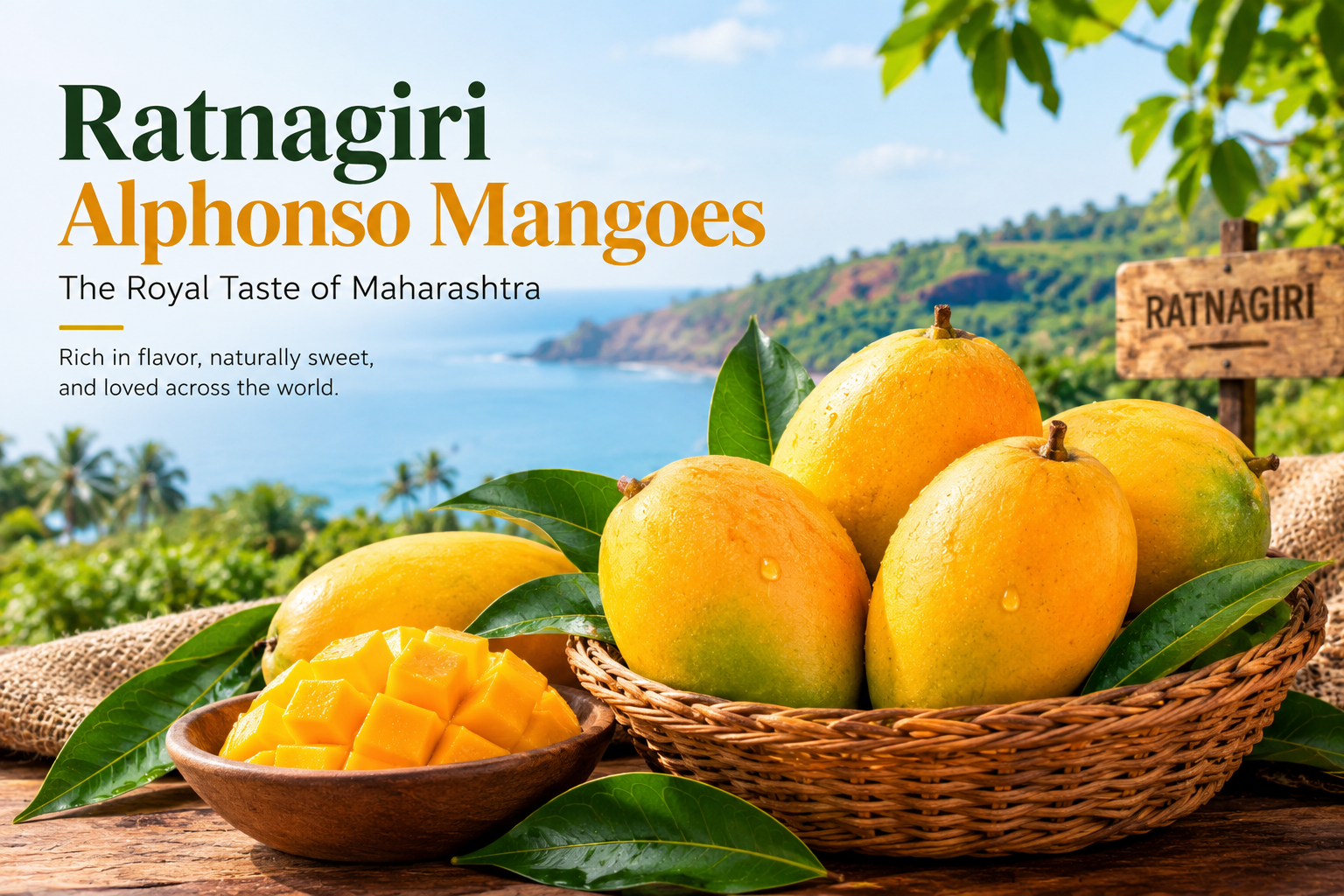
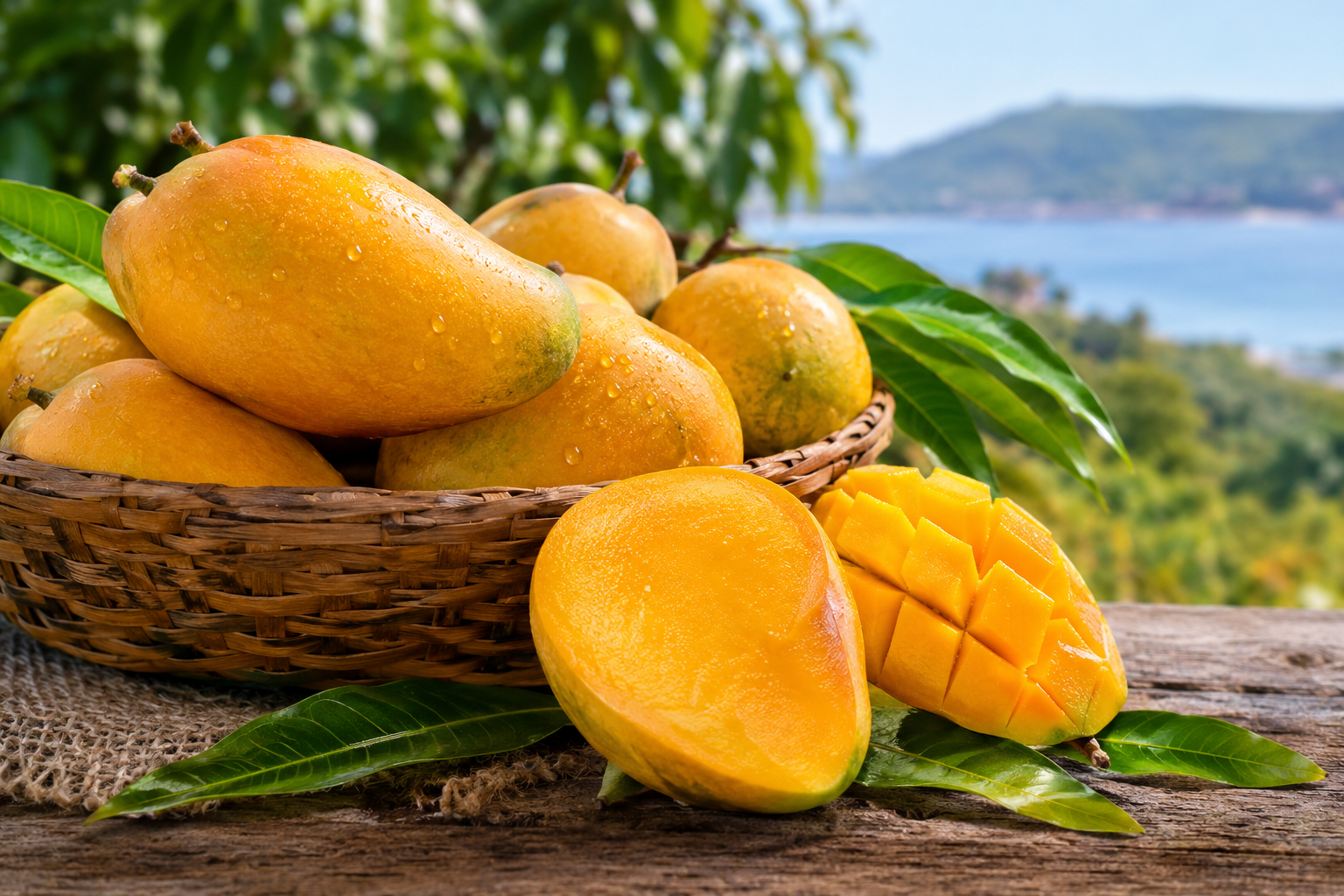
Ratnagiri Alphonso mangoes are famous for their rich sweetness, smooth texture, golden colour, and wonderful aroma. Grown along the Konkan coast of Maharashtra, these mangoes are a favourite among fruit lovers in India and abroad. If you want to buy alphonso mango in ratnagiri maharashtra, understanding its origin, quality, season, and storage can help you make the right choice.
Known locally as Hapus, Ratnagiri Alphonso is a premium mango variety with a distinctive flavour. Its popularity comes from its natural sweetness, low fibre content, and creamy pulp. However, not every mango sold as Alphonso comes from Ratnagiri, so buyers should understand how to check its origin and quality.
This guide covers everything you need to know about Ratnagiri Alphonso mangoes, including their unique features, benefits, harvesting process, common buying mistakes, and practical tips for enjoying them at home.
What Is Ratnagiri Alphonso Mango?
Ratnagiri Alphonso mango is a premium mango variety grown in the Ratnagiri district of Maharashtra, India. Commonly called Hapus, it is known for its rich aroma, golden-yellow flesh, smooth texture, and sweet flavour. Its growing region, coastal climate, and traditional cultivation practices help give it its distinctive qualities.
What Makes Alphonso Mango in Ratnagiri Maharashtra Special?
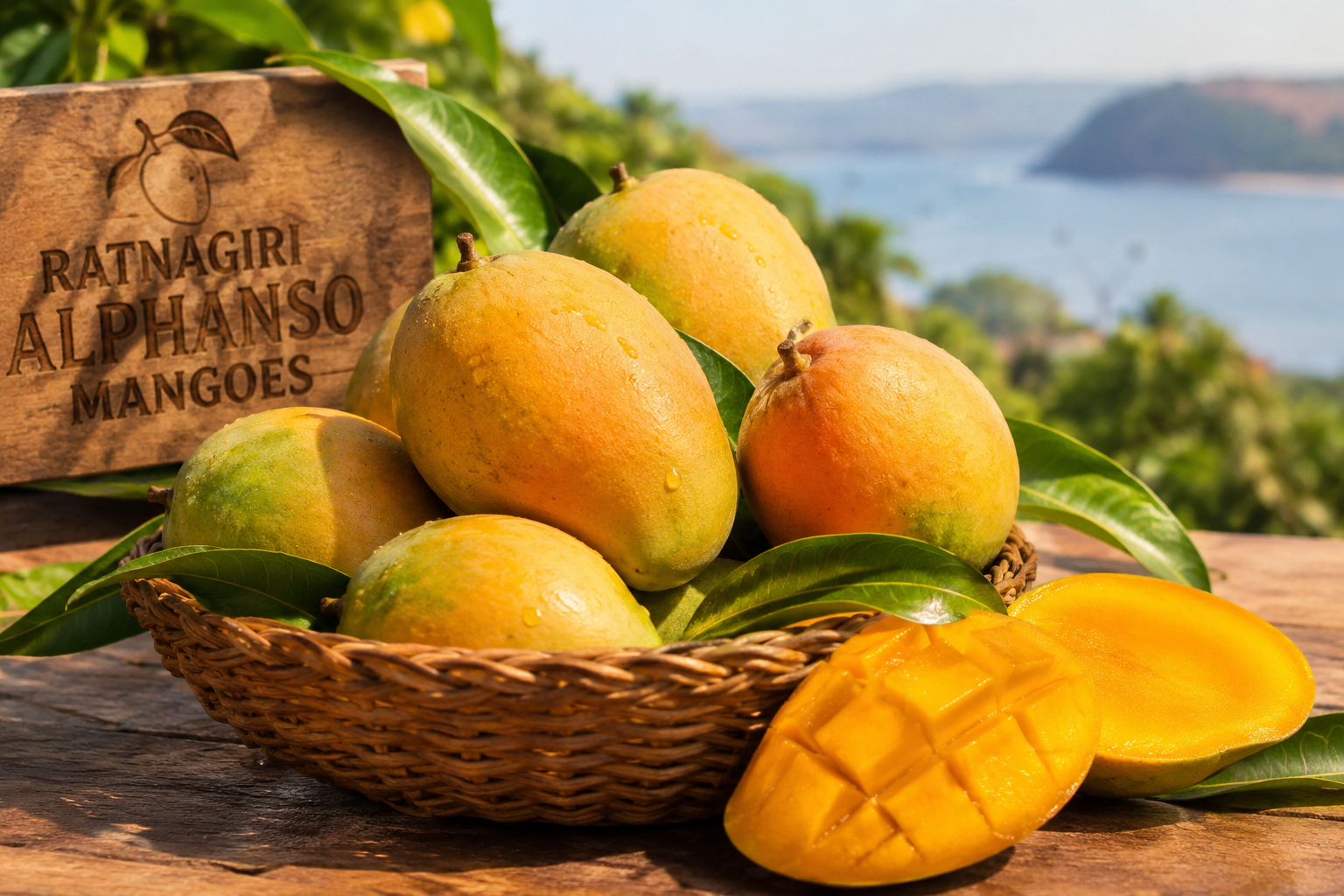
Alphonso mangoes grow in several parts of the Konkan region, including Ratnagiri and neighbouring districts. Ratnagiri is especially well known for producing high-quality Hapus mangoes.
The region has a warm, humid coastal climate and lateritic soils in many growing areas. These conditions, along with orchard management and weather patterns, influence fruit development, sweetness, aroma, and texture.
Ratnagiri Alphonso mangoes are often enjoyed fresh. Their rich pulp also makes them suitable for desserts, milkshakes, ice cream, mango pulp, and traditional Indian sweets.
The name alone does not guarantee quality. Harvest maturity, handling, storage, and the orchard’s growing conditions can all affect the final fruit.
Key Characteristics of Ratnagiri Alphonso Mango
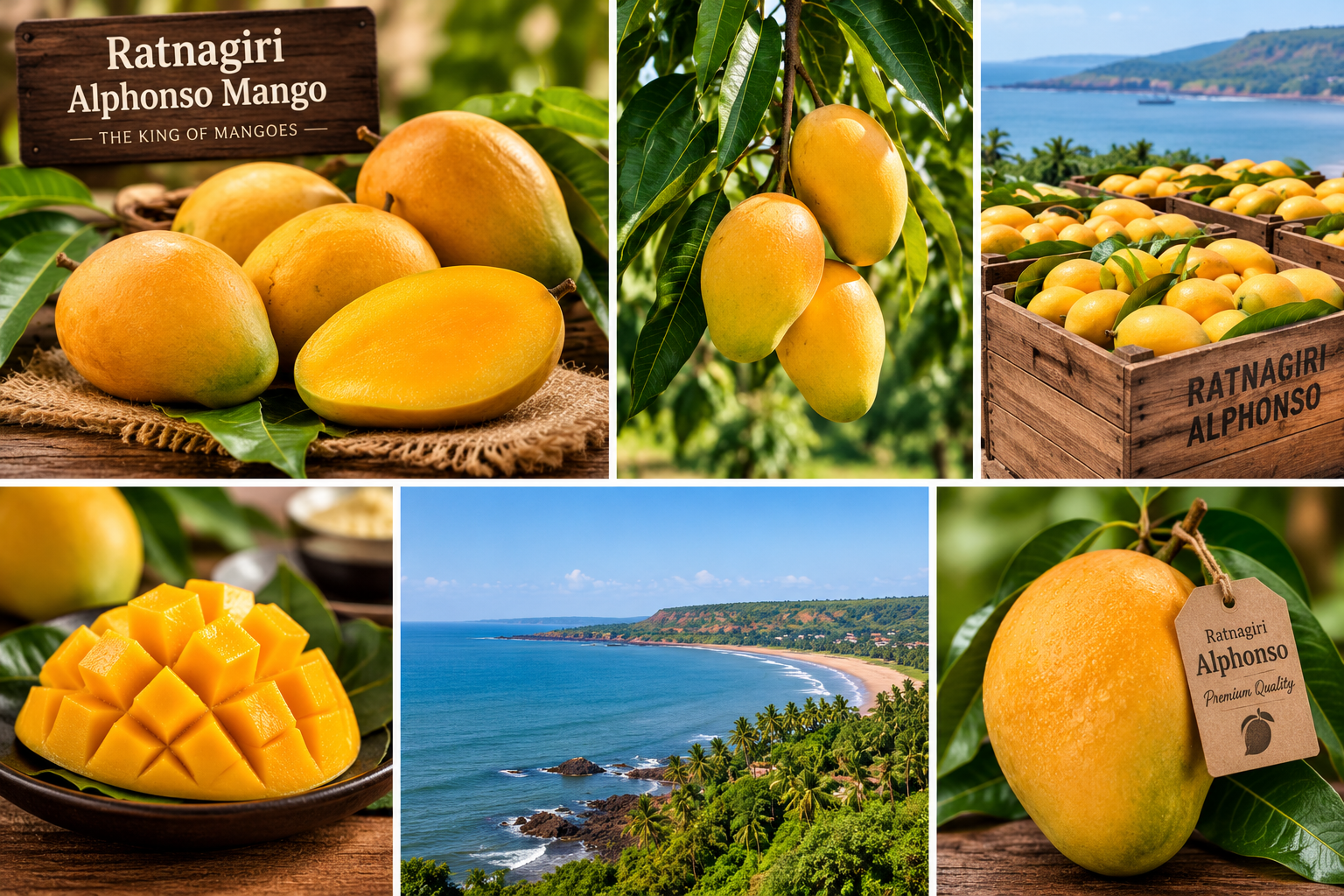
- Colour: Usually develops a golden-yellow skin as it ripens, sometimes with a reddish blush.
- Taste: Sweet and rich, with a complex tropical flavour.
- Texture: Smooth, creamy, and generally low in fibre.
- Aroma: A noticeable fruity fragrance when ripe.
- Pulp: Deep yellow to orange flesh, suitable for fresh eating and cooking.
- Shape: Typically oval, with natural variations in size and form.
- Season: Usually available from spring to early summer, with timing affected by weather and harvest conditions.
Why Is Ratnagiri Alphonso Mango Important?
Ratnagiri Alphonso mangoes are important because they support regional farming, provide seasonal income for growers, and offer consumers a distinctive fruit. Their reputation also creates opportunities for fruit retailers, exporters, restaurants, and food manufacturers. The variety connects Maharashtra’s agricultural heritage with India’s wider fruit trade.
1. Value for Consumers
For consumers, the main attraction is flavour. The creamy pulp works well in fruit salads, smoothies, desserts, and traditional recipes.
A ripe Alphonso can also be eaten on its own without additional ingredients. This makes it an appealing choice for families and people who enjoy fresh seasonal fruit.
2. Value for Farmers
Alphonso cultivation provides income for orchard owners, farm workers, packers, transporters, and local traders.
However, production can be affected by unseasonal rain, heat, pests, and flowering conditions. Premium prices do not always mean higher profits because growers must also manage crop losses, labour costs, packaging, and transport.
3. Value for Local Businesses
Retailers and fruit businesses can use Ratnagiri Alphonso mangoes to attract customers during the summer season.
For example, a fruit seller can offer different pack sizes, clear grading information, and reliable delivery. Restaurants can use the pulp in mango desserts, while food manufacturers may purchase suitable fruit for processing.
Honest origin claims and careful handling help businesses build customer trust.
4. Importance in Indian Food Culture
Mangoes are closely connected with summer celebrations and Indian cuisine. Alphonso pulp is used in aamras, mango shrikhand, ice cream, cakes, and other seasonal dishes.
Ratnagiri Hapus is particularly valued by people who prefer a smooth texture and rich flavour.
How Does Ratnagiri Alphonso Mango Grow?
Ratnagiri Alphonso mango production involves orchard care, flowering, fruit development, harvesting, and careful post-harvest handling. Each stage affects the fruit’s quality. Growers monitor the crop and select suitable harvesting times, while packers sort and transport the fruit to reduce damage and support proper ripening.
Step 1: Orchard Preparation and Flowering
Farmers maintain mango trees through pruning, orchard sanitation, soil management, and suitable irrigation where available.
Mango trees produce flower clusters that later develop into fruit. Flowering and fruit setting depend on weather, tree health, and other local conditions.
Pests and diseases can reduce the harvest, so orchard monitoring is important.
Step 2: Fruit Development and Harvesting
After fruit setting, mangoes grow and develop their flavour and size. Farmers monitor maturity before harvesting.
Mangoes are often picked when mature but still firm. This allows them to withstand packing and transportation better than fully soft fruit.
Harvest timing matters. Fruit picked too early may develop poor flavour, while overripe fruit can be more easily damaged.
Step 3: Sorting, Ripening, and Delivery
After harvesting, mangoes are sorted according to size, appearance, maturity, and condition. Damaged fruit should be separated.
Suitable ripening methods help the mangoes develop their colour, aroma, and texture. Once ripe, they are packed and delivered to retailers or consumers.
Buyers should prefer sellers who explain their sourcing and handling practices. Mangoes should be ripened safely rather than exposed to unapproved chemicals.
Benefits of Ratnagiri Alphonso Mango
Ratnagiri Alphonso mangoes offer several benefits as a seasonal fruit. Their flavour, versatility, and nutritional content make them useful in many everyday meals. However, they are not a miracle food, and their health value depends on portion size and the overall diet.
- Rich flavour: Their natural sweetness can make fresh fruit enjoyable without added sugar.
- Provides vitamin C: Vitamin C supports normal immune function, collagen formation, and iron absorption.
- Contains vitamin A precursors: The orange-yellow flesh contains carotenoids, some of which the body can convert into vitamin A.
- Provides dietary fibre: Fibre supports normal digestion and contributes to a balanced diet.
- Offers carbohydrates: Natural fruit sugars provide energy for everyday activities.
- Contains antioxidants: Mangoes provide compounds such as carotenoids and vitamin C that help protect cells from oxidative damage.
- Supports meal variety: Fresh mango can be included in breakfasts, snacks, and desserts.
- Works in many recipes: Its smooth pulp is useful for aamras, smoothies, yoghurt bowls, and homemade ice cream.
Is Alphonso Mango Healthy for Everyday Eating?
Yes, Alphonso mango can be part of a balanced diet when eaten in sensible portions. It provides vitamins, fibre, and other plant compounds, but it also contains natural sugars. People managing blood glucose may benefit from paying attention to serving size and following their healthcare professional’s advice.
Challenges and Common Buying Mistakes
Buying quality Alphonso mangoes requires more than checking their colour or price. Fruit can vary because of maturity, weather, storage, and handling. Understanding common problems helps buyers avoid disappointment and allows sellers to maintain better product quality.
| Problem | Possible cause | Practical solution |
| Mango has little flavour | Fruit was harvested too early | Buy from a seller with reliable maturity and sourcing practices |
| Fruit is bruised or leaking | Rough handling or poor packing | Check the box and avoid damaged mangoes |
| Mango does not ripen evenly | Uneven maturity or unsuitable storage | Ripen at room temperature and inspect regularly |
| Mango has black spots | Physical damage, decay, or other fruit disorders | Examine the flesh and discard fruit showing signs of spoilage |
| High price but poor quality | Unclear grading or misleading origin claims | Compare condition, grade, seller reputation, and origin information |
| Fruit smells fermented | Over-ripening or spoilage | Do not eat mangoes with sour, alcoholic, or otherwise unusual odours |
Common Misconceptions
Every Alphonso mango is from Ratnagiri: This is incorrect. Alphonso mangoes are grown in several areas, including other parts of Maharashtra and Karnataka.
Red skin always means better taste: Skin colour varies naturally. Aroma, maturity, firmness, and fruit condition are more useful when assessed together.
A higher price guarantees better quality: Price can reflect demand, transport, packaging, and branding. It does not guarantee perfect flavour or verified origin.
All naturally ripened mangoes look identical: Natural fruit varies in colour, size, shape, and ripening speed. Small visual differences do not automatically indicate poor quality.
Best Practices for Buying and Storing Ratnagiri Alphonso Mangoes
Follow these practical tips to select, store, and enjoy your mangoes.
1. Choose a reliable seller. Look for clear sourcing information, customer reviews, and a sensible return or damage policy.
2. Check the origin. Ask whether the fruit comes from Ratnagiri and whether the seller can provide credible sourcing details.
3. Smell the mango. A ripe Alphonso often has a pleasant, fruity aroma near the stem. A fermented smell can indicate spoilage.
4. Check firmness. A ripe mango should give slightly under gentle pressure. Avoid fruit with deep dents, leaking juice, or extensive soft patches.
5. Do not judge by colour alone. Natural skin colour varies, even among fruit from the same orchard.
6. Buy according to your needs. If you plan to eat mangoes over several days, choose fruit at different stages of ripeness.
7. Ripen firm mangoes at room temperature. Keep them in a clean, ventilated place away from direct sunlight. Check them daily.
8. Avoid unsafe ripening chemicals. Choose sellers who use safe, compliant methods. Do not use calcium carbide or other unapproved substances to ripen fruit.
9. Refrigerate ripe mangoes. Refrigeration can slow further ripening. Keep ripe fruit chilled and consume it within a few days for the best quality.
10. Wash before cutting. Rinse the whole mango under clean running water, dry it, and use a clean knife and cutting board.
Ratnagiri Alphonso Mango vs Other Mango Varieties
Alphonso is not the only mango worth buying. Different varieties suit different tastes, recipes, and budgets. Comparing common varieties can help you decide whether Ratnagiri Hapus is the right choice for your needs.
| Feature | Ratnagiri Alphonso | Kesar | Banganapalli |
| Main growing region | Ratnagiri and nearby Konkan areas | Gujarat, especially the Saurashtra region | Andhra Pradesh and nearby regions |
| Flavour | Rich, sweet, aromatic | Sweet, fruity, aromatic | Mildly sweet and less complex |
| Texture | Smooth and creamy | Smooth and juicy | Firm and relatively less fibrous |
| Common uses | Fresh eating, aamras, premium desserts | Fresh eating, pulp, desserts | Slicing, fresh eating, cooking |
| Typical shape | Oval to rounded oval | Oval | Large, elongated |
| Best suited for | People seeking rich flavour and creamy pulp | People who enjoy sweet, aromatic mangoes | People who prefer larger mangoes for slicing |
Availability and quality vary by season and supplier. This table describes general characteristics rather than a guarantee for every fruit.
Frequently Asked Questions About Ratnagiri Alphonso Mango
1. What is the best season to buy Alphonso mango in Ratnagiri Maharashtra?
The main season for Alphonso mangoes in Ratnagiri generally runs from March to June. Exact availability changes with weather, flowering, and harvest conditions. Early-season and late-season fruit may differ in price and maturity, so check the current harvest status with a trusted local seller.
2. Why is Ratnagiri Alphonso mango so expensive?
Ratnagiri Alphonso mangoes can cost more because of their reputation, seasonal demand, labour requirements, crop risks, and handling expenses. Premium packaging and transportation can add to the final price. However, a high price alone does not prove that the fruit is authentic or superior.
3. How can I identify an original Ratnagiri Alphonso mango?
Start by checking the seller’s sourcing information and asking for credible details about the orchard or packing location. Examine the fruit for natural variation, a pleasant aroma, and good condition. Appearance alone cannot reliably prove geographical origin, so buy from a trustworthy supplier.
4. Are Ratnagiri Alphonso mangoes naturally sweet?
Yes, ripe Alphonso mangoes are naturally sweet because they contain fruit sugars. Their sweetness varies with maturity, growing conditions, and storage. Fruit harvested too early may taste less sweet or develop a weaker aroma, so proper maturity and handling are important.
5. How should I ripen Alphonso mangoes at home?
Keep firm mangoes at room temperature in a clean, ventilated area, away from direct sunlight. Check them daily and separate any damaged fruit. Once the mangoes become fragrant and yield slightly to gentle pressure, refrigerate them if you are not eating them immediately.
6. What is the difference between Ratnagiri Alphonso and Devgad Alphonso?
Ratnagiri Alphonso and Devgad Alphonso are associated with different growing areas in Maharashtra’s Konkan region. Both are valued for their flavour and aroma, but individual fruit can vary with orchard conditions, maturity, and handling. Neither name alone guarantees that every mango will have identical taste or quality.
7. Can Alphonso mangoes be used for cooking and desserts?
Yes, Alphonso mangoes are suitable for aamras, mango shrikhand, smoothies, ice cream, cakes, and other desserts. Their smooth pulp makes them useful in recipes that need a creamy consistency. For cooked or blended dishes, ripe fruit with a strong aroma often works best.
8. How long do ripe Alphonso mangoes last?
Ripe Alphonso mangoes generally keep for a few days in the refrigerator, depending on their maturity and condition when purchased. Check them daily and discard fruit that develops mould, leaking flesh, or an unusual fermented smell. Cut mango should be refrigerated in a clean, covered container.
Key Takeaways
- Ratnagiri Alphonso, commonly called Hapus, is a premium mango associated with Maharashtra’s Konkan region.
- Its key features include a rich aroma, sweet flavour, smooth pulp, and low-fibre texture.
- The main season usually runs from March to June, depending on local conditions.
- Origin, harvest maturity, storage, and handling all affect quality.
- Skin colour alone cannot confirm authenticity or taste.
- Mangoes provide vitamins, fibre, and plant compounds, but portion size still matters.
- Buy from reliable sellers, ripen fruit safely, and refrigerate ripe mangoes.
Final Verdict: Is Ratnagiri Alphonso Mango Worth Buying?
Ratnagiri Alphonso mangoes are a worthwhile seasonal choice for people who enjoy sweet, aromatic fruit with a smooth texture. They work well for fresh eating, traditional Indian desserts, and homemade mango pulp. Their premium price may be justified by quality and careful handling, but buyers should compare sellers rather than rely on branding alone.
For the best experience, buy during the local harvest season, check the fruit’s condition, and confirm the seller’s sourcing claims. Choose a quantity you can consume while the mangoes are fresh, and store them according to their ripeness.
Whether you are buying for your family, preparing a summer dessert, or sourcing fruit for a business, understanding alphonso mango in ratnagiri maharashtra will help you make a more informed choice. Start with a trusted supplier, select mature fruit, and enjoy Ratnagiri Hapus at its seasonal best.