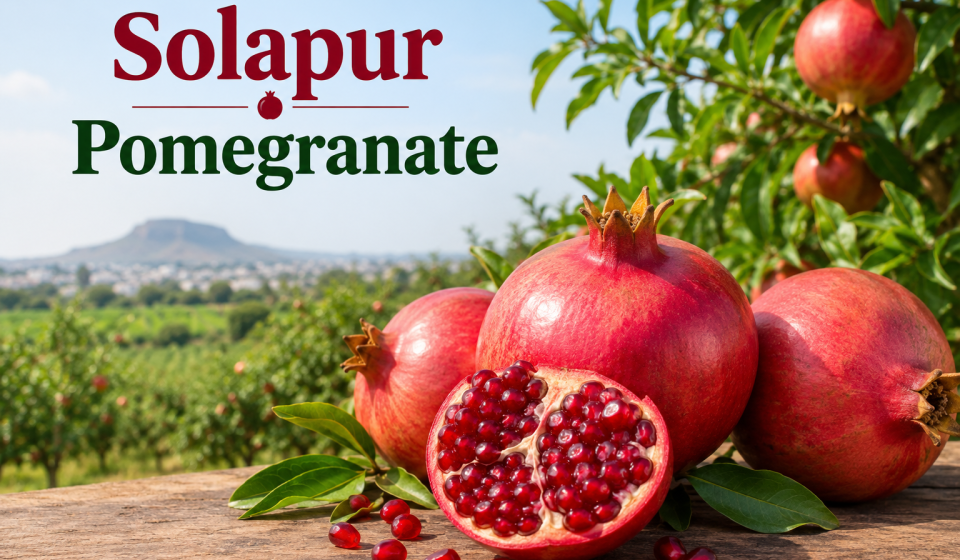

Solapur Pomegranate in Maharashtra: Benefits, Farming and Uses
Solapur, a district in Maharashtra, is known for its agricultural activities and dry climate. Pomegranates are among the important fruit crops grown in this part of India. Solapur pomegranate in Maharashtra is a useful topic for farmers, fruit traders, food businesses, and consumers who want to understand the fruit’s quality, cultivation, nutritional value, and market potential.
Pomegranates are valued for their bright red seeds, refreshing sweet-and-tart taste, and nutritional content. They are eaten fresh, used in juices, and processed into products such as dried arils and concentrates. However, fruit quality depends on several factors, including the variety, irrigation, soil conditions, crop management, harvesting time, and storage.
This guide explains what makes pomegranate cultivation important in Solapur, how farmers grow the crop, its benefits and challenges, and what buyers should consider before purchasing the fruit.
What Is Solapur Pomegranate?
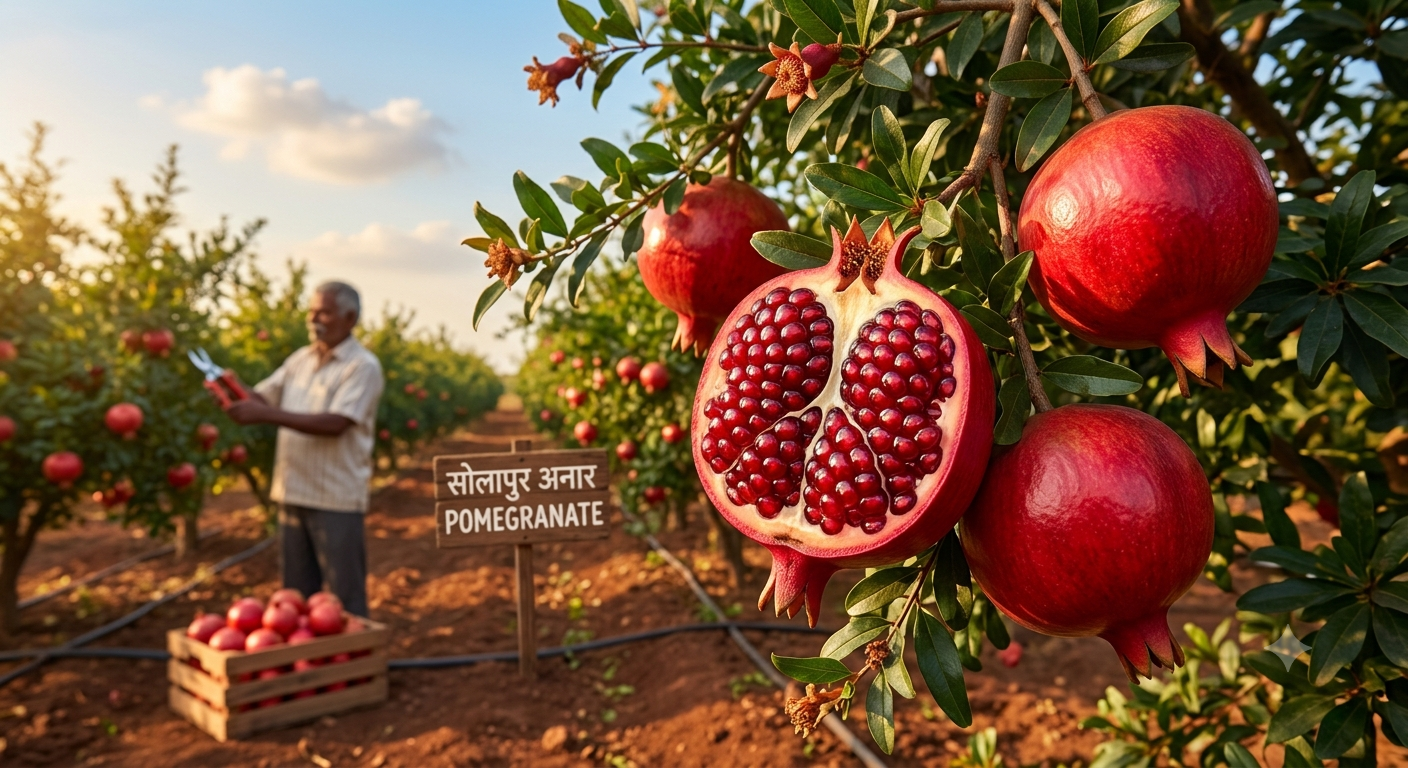
Solapur pomegranate in Maharashtra refers to pomegranates cultivated in and around Solapur district, where semi-arid conditions can support commercial pomegranate farming when water and crop management are suitable.
Pomegranate (Punica granatum) is a fruit-bearing shrub or small tree. Its fruit contains juicy seed coverings called arils, which range in colour from pale pink to deep red. The fruit is eaten fresh and is also used in juice, food processing, and traditional cooking.
Key Components of Solapur Pomegranate
- Fruit variety: Different varieties offer different fruit sizes, rind colours, seed softness, and sweetness.
- Climate: Warm, relatively dry conditions can support production, although extreme heat can damage fruit.
- Soil: Well-drained soil helps roots grow and reduces the risk of waterlogging.
- Water management: Appropriate irrigation supports fruit development and helps prevent stress.
- Crop care: Pruning, nutrition, pest monitoring, and disease control affect yield and quality.
- Harvesting: Picking fruit at the correct maturity improves eating quality and marketability.
Not every pomegranate grown in Solapur has the same appearance or taste. Variety, growing conditions, and post-harvest handling all influence the final product.
Why Is Solapur Pomegranate Important?
Solapur pomegranate is important because the crop can provide income opportunities for farmers, support fruit trading, and supply fresh produce to domestic markets. Its suitability for relatively dry growing conditions makes it relevant to agricultural planning in parts of Maharashtra, although successful cultivation still depends on reliable water and good farming practices.
1. Value for Farmers
Pomegranate cultivation can offer farmers a commercial fruit crop with several possible marketing channels. These include wholesale markets, fruit retailers, direct sales, and processing businesses.
However, profitability is not guaranteed. Establishment costs, irrigation, labour, crop losses, transport, and market prices all affect a farmer’s final income.
2. Value for Fruit Traders
Traders may purchase pomegranates from farms or collection centres and distribute them to wholesalers, supermarkets, local fruit shops, and other buyers.
Fruit size, colour, freshness, damage, and consistency can affect its selling price. Proper grading helps traders match produce with different market requirements.
3. Value for Consumers
Consumers value pomegranates for their taste, versatility, and nutrients. They can eat the arils as a snack, add them to salads, or use them in juices and other recipes.
4. Value for Food Businesses
Restaurants, juice shops, caterers, and food processors can use pomegranates in beverages, desserts, garnishes, and processed products. Consistent quality and dependable supply are especially important for commercial buyers.
How Is Pomegranate Grown in Solapur?
Pomegranate farming in Solapur follows a series of steps, from selecting a suitable site to harvesting mature fruit. Farmers need to manage water carefully, monitor plant health, and adapt cultivation practices to local soil and weather conditions.
Step 1: Select a Suitable Site
Farmers should begin by checking soil drainage, water availability, soil salinity, and the suitability of the land for a long-term orchard.
A soil test can help identify nutrient deficiencies and other limitations. Local agricultural experts can also advise farmers on suitable varieties and planting material.
Step 2: Plant Healthy Saplings
Healthy, true-to-type planting material from a reliable nursery helps establish a uniform orchard. Plant spacing should reflect the variety, soil, irrigation system, and planned canopy management.
Weak or diseased saplings can create problems that continue throughout the orchard’s life.
Step 3: Manage Irrigation and Nutrition
Young plants need suitable moisture to establish roots. Mature trees require irrigation adjusted to weather, soil conditions, and the stage of fruit development.
Drip irrigation can deliver water near the root zone and help farmers manage water use. Fertiliser applications should follow soil and plant requirements rather than guesswork.
Step 4: Monitor Pests and Diseases
Farmers should inspect leaves, shoots, flowers, and fruit regularly. Pomegranate crops can be affected by pests and diseases, including bacterial blight and fruit rots.
Early identification helps farmers respond before problems spread. Any pesticide should be used only according to its approved label and applicable safety requirements.
Step 5: Harvest and Grade the Fruit
Pomegranates should be harvested when they reach suitable maturity. Farmers then sort the fruit by size, appearance, condition, and buyer specifications.
Careful handling reduces cuts, bruising, and other damage that can lower market value.
Benefits of Solapur Pomegranate
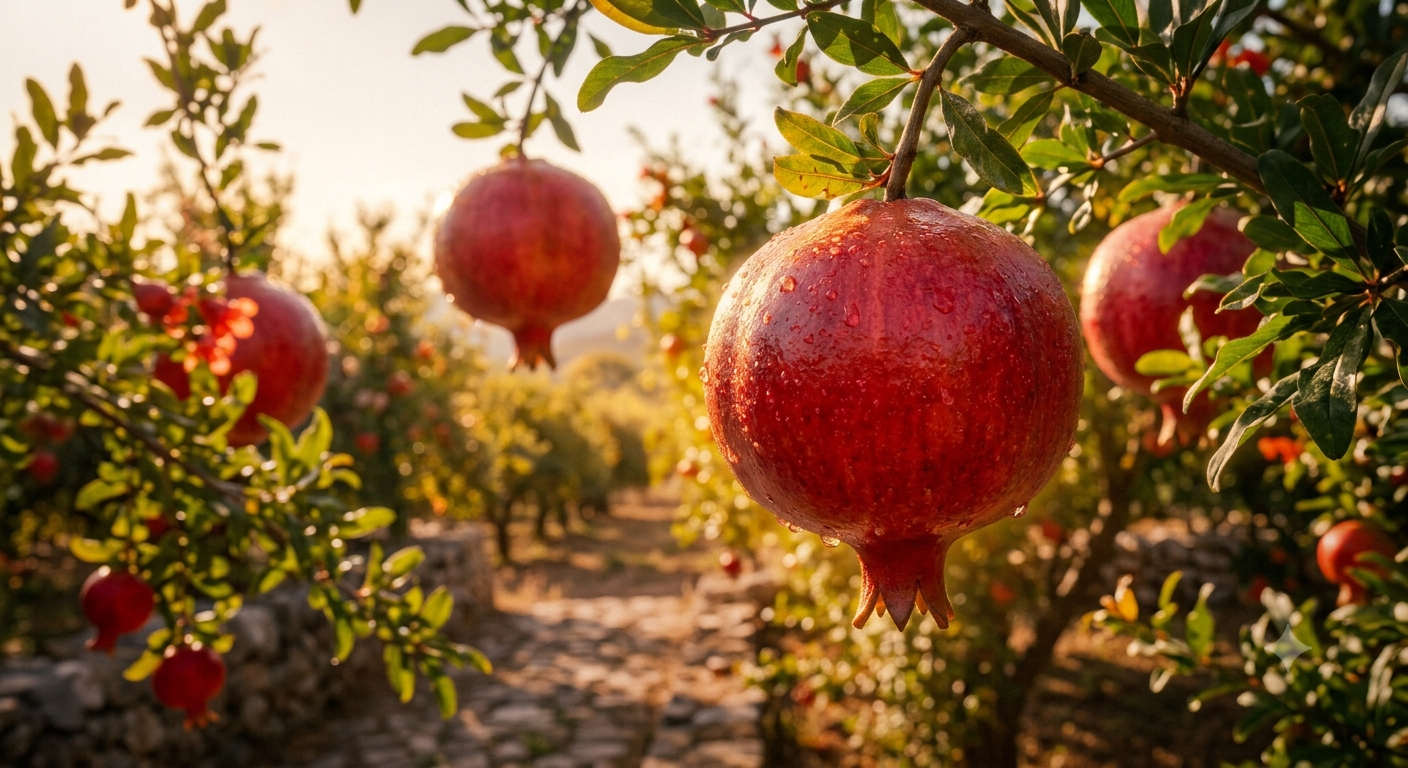
Pomegranates offer nutritional, agricultural, and commercial benefits. Their value depends on fruit quality, production costs, market demand, and how efficiently the crop is grown and handled.
1. Provides Essential Nutrients
Pomegranate arils contain water, carbohydrates, fibre, and small amounts of vitamins and minerals. They also provide plant compounds called polyphenols.
These nutrients contribute to a balanced diet. However, pomegranate should be considered one part of a varied diet rather than a treatment for a particular disease.
2. Offers Multiple Uses
Fresh pomegranates can be eaten directly or added to salads, desserts, and other dishes. Their juice is used in beverages, while arils can be used in food preparation.
Some processing businesses also produce dried arils, concentrates, and other pomegranate products. Each use has different quality and handling requirements.
3. Creates Agricultural Business Opportunities
Pomegranate production supports activities beyond farming. Nursery operators, harvesting workers, packers, transporters, traders, and retailers can all participate in the supply chain.
The scale of these opportunities depends on local production, demand, infrastructure, and the availability of reliable buyers.
4. Can Suit Semi-Arid Farming Areas
Pomegranate trees can tolerate some dry conditions once established. This makes them a potential option for certain semi-arid agricultural areas.
However, drought tolerance does not mean that trees can produce high-quality fruit without adequate water. Prolonged water stress can reduce yield, fruit size, and quality.
5. Supports Fresh-Fruit Markets
Good-quality pomegranates can supply local fruit shops, supermarkets, wholesale markets, and food-service businesses.
Fruit with attractive colour, good condition, and consistent sizing may suit premium market segments. Actual prices depend on supply, demand, season, grade, and transportation costs.
Challenges and Common Mistakes in Pomegranate Farming
Pomegranate farming can be rewarding, but growers face environmental, technical, and financial risks. Recognising these problems early can help reduce losses and improve orchard management.
| Problem | Possible cause | Practical solution |
| Fruit cracking | Irregular soil moisture, heat, or other environmental stress | Maintain more consistent irrigation and seek advice on suitable variety and nutrition |
| Poor fruit size | Inadequate water, unsuitable nutrition, or excessive crop load | Review irrigation, soil-test results, and crop management |
| Bacterial blight | Infection favoured by suitable weather and susceptible plant material | Use healthy planting material, monitor the orchard, and follow local disease-management advice |
| Root problems | Poor drainage or excessive irrigation | Improve drainage and adjust irrigation practices |
| Low market price | Oversupply, inconsistent grading, or weak demand | Compare buyers, grade carefully, and calculate transport and handling costs |
| Post-harvest damage | Rough handling or unsuitable storage | Use appropriate packaging, careful handling, and suitable storage conditions |
Understanding Fruit Cracking
Fruit cracking is a common concern in pomegranate production. Cracks can make fruit less attractive to buyers and increase the risk of decay.
Changes in moisture availability are one possible factor, but cracking can have several causes. Farmers should consider weather, variety, nutrition, and orchard conditions rather than assume that irrigation alone is responsible.
Managing Water Limitations
Water availability is an important consideration in Solapur and other semi-arid parts of Maharashtra. Farmers should assess the sustainability of their water source before establishing a commercial orchard.
A drip irrigation system can improve control over water application, but it cannot solve every water shortage. Filters, emitters, pipes, and irrigation schedules also require regular maintenance.
Solapur Pomegranate vs Other Pomegranates
Pomegranates from different growing regions can vary in size, colour, taste, seed texture, and seasonal availability. A regional name alone does not guarantee a particular level of quality.
The following comparison highlights general considerations rather than fixed differences between every fruit-growing region.
| Feature | Solapur pomegranate | Pomegranates from other regions |
| Growing conditions | Often associated with semi-arid conditions | Vary by region, rainfall, and temperature |
| Fruit appearance | Depends on variety and cultivation | Depends on variety and cultivation |
| Taste | May range from sweet to sweet-tart | May range from sweet to sweet-tart |
| Fruit size | Influenced by variety and orchard management | Influenced by variety and orchard management |
| Market availability | Depends on local harvests and distribution | Depends on seasonal production and logistics |
| Buying considerations | Freshness, maturity, condition, and price | Freshness, maturity, condition, and price |
Which pomegranate is better? The best choice depends on the fruit’s actual quality and intended use. Buyers should compare individual batches rather than assume that all fruit from one region is superior to fruit from another.
Best Practices for Growing and Buying Solapur Pomegranate
The following recommendations can help farmers improve orchard management and help buyers make more informed purchasing decisions.
1. Choose suitable varieties. Consider local climate, soil, water availability, market demand, and advice from agricultural experts before planting.
2. Test the soil and irrigation water. Soil and water testing can reveal salinity, nutrient deficiencies, and other issues that may affect plant health.
3. Use healthy planting material. Buy saplings from a reliable nursery and check their health and varietal identity.
4. Maintain consistent irrigation. Avoid sudden changes in soil moisture. Adjust water application to plant needs, soil conditions, and weather.
5. Apply nutrients based on evidence. Use soil tests, plant observations, and local recommendations to guide fertiliser use.
6. Inspect the orchard regularly. Check for pests, diseases, damaged branches, fruit cracking, and unusual leaf symptoms.
7. Harvest at the right maturity. Follow appropriate maturity indicators and buyer requirements rather than relying only on fruit colour.
8. Handle fruit carefully. Avoid dropping, squeezing, or overfilling containers. Gentle handling helps reduce bruising and other damage.
9. Compare buyers and market costs. Review current offers, grading requirements, packaging costs, transport charges, and payment terms before selling.
10. Keep production records. Record irrigation, inputs, labour, harvest quantity, rejected fruit, and sales. These records help farmers understand their costs and plan future seasons.
For region-specific guidance, growers can consult agricultural extension services, horticulture specialists, and relevant agricultural institutions in Maharashtra.
Frequently Asked Questions About Solapur Pomegranate
1. Why is Solapur famous for pomegranates?
Solapur is associated with pomegranate cultivation because its agricultural areas include semi-arid conditions suitable for this fruit crop. Farmers can grow pomegranates successfully when they manage irrigation, soil conditions, plant health, and harvesting carefully.
However, production and fruit quality vary between farms and seasons.
2. Where is Solapur located in Maharashtra?
Solapur is a district in the state of Maharashtra, India. It lies in the state’s southeastern region and has agricultural areas where farmers grow various crops, including pomegranates.
Its location and climate make it relevant to discussions about dryland agriculture, horticulture, and fruit production.
3. What makes Solapur pomegranate different?
Solapur pomegranates may differ in appearance, taste, size, and quality depending on the variety and growing conditions. The region’s climate can influence fruit development, but it does not guarantee a specific flavour or colour.
Buyers should assess freshness, maturity, visible damage, and overall fruit quality before purchasing.
4. What are the health benefits of pomegranates?
Pomegranates provide fibre, water, and plant compounds such as polyphenols. They can be included in a balanced diet as fresh fruit or as part of meals and snacks.
Their nutritional value depends on the form consumed. Whole arils generally provide more fibre than strained juice, especially when the pulp is removed.
5. Is pomegranate farming profitable in Solapur?
Pomegranate farming can be profitable, but results depend on yield, fruit grade, market prices, water availability, labour, and production costs.
Farmers should prepare a realistic budget before planting. They should account for orchard establishment, irrigation, fertilisers, crop protection, harvesting, packaging, transport, and possible crop losses.
6. What soil is suitable for pomegranate cultivation?
Pomegranate generally grows well in well-drained soils with suitable fertility. The ideal soil conditions depend on the variety, local environment, and irrigation practices.
Farmers should test their soil before planting. Poor drainage and excessive salinity can affect plant health, while soil testing helps guide appropriate nutrient management.
7. How can buyers identify good-quality Solapur pomegranates?
Buyers should look for fruit that is firm, mature, and free from major cracks, soft spots, and visible decay. The rind’s colour varies by variety, so colour alone is not a reliable quality test.
For larger purchases, check the consistency of fruit size, maturity, condition, and grading across the batch.
8. Can Solapur pomegranates be sold outside Maharashtra?
Yes. Pomegranates grown in Solapur can be sold in markets outside Maharashtra when suitable buyers, transport, packaging, and distribution arrangements are available.
For long-distance trade, sellers should check current demand, applicable market requirements, product grading, handling costs, and delivery schedules. Export sales also require compliance with relevant destination-country regulations.
Key Takeaways
- Solapur is an agricultural district in Maharashtra associated with pomegranate cultivation.
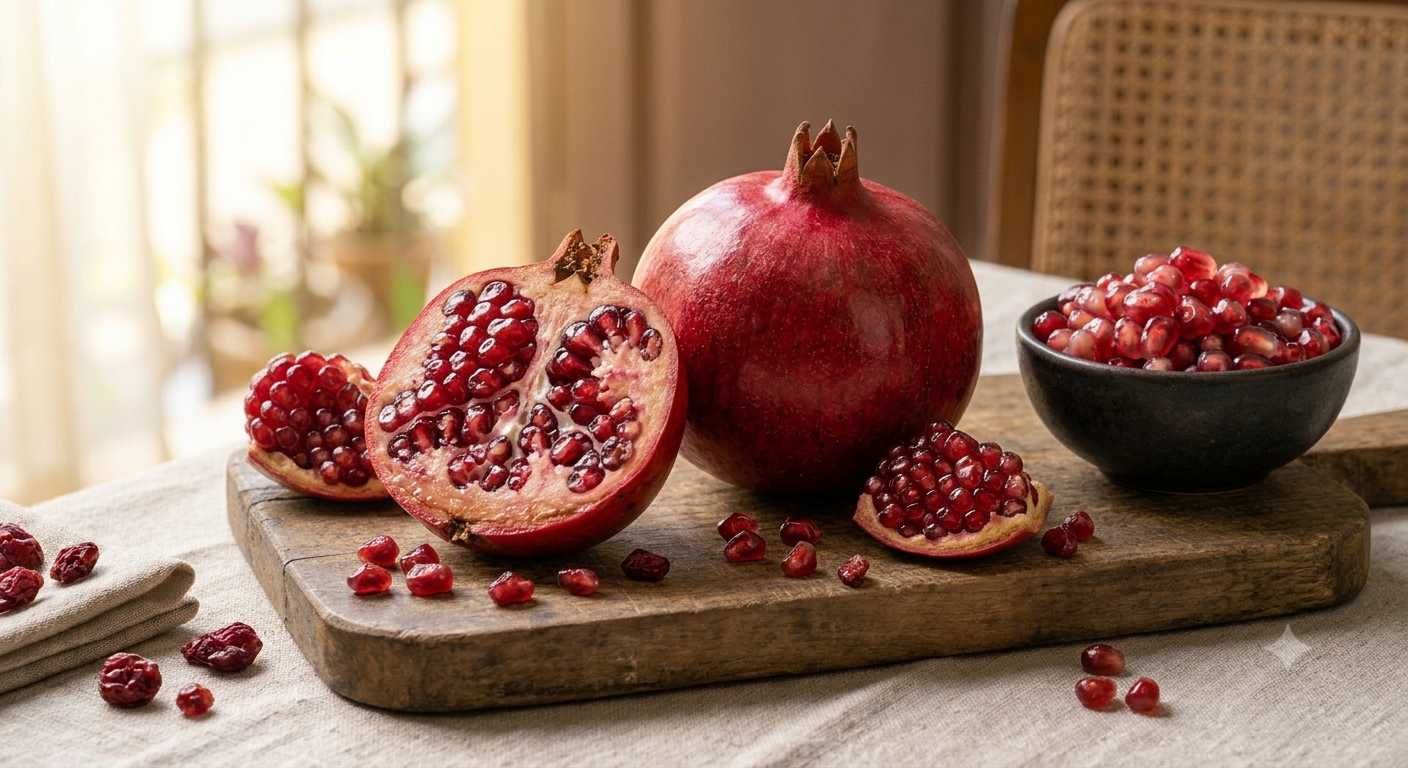
- Pomegranate is valued for its taste, nutritional content, and many food applications.
- Climate, variety, irrigation, soil conditions, and crop management influence fruit quality.
- Drip irrigation and careful water management can help growers use available water efficiently.
- Fruit cracking, pests, diseases, and market price changes are important challenges.
- Good grading, careful harvesting, and proper handling can help preserve market quality.
- Farmers should calculate production costs and compare buyers before making major investments.
- Consumers should assess the actual quality of the fruit rather than rely only on its regional name.
Final Verdict: Is Solapur Pomegranate Worth Exploring?
Solapur pomegranate is an important topic for understanding horticulture and agricultural business opportunities in Maharashtra. The crop can support farmers, traders, retailers, and food processors, while consumers benefit from a versatile and nutritious fruit.
Success depends on more than the region’s climate. Farmers need healthy planting material, suitable soil, careful irrigation, effective pest management, and access to reliable markets. Buyers should focus on freshness, maturity, fruit condition, and value for money.
For farmers considering an orchard, the best next step is to assess local soil and water conditions and seek advice from a horticulture specialist. For fruit traders, comparing grades, buyer requirements, and transportation costs can help support better purchasing decisions.
In short, Solapur pomegranate in Maharashtra offers opportunities in fruit cultivation and trade, provided that growers and businesses make informed decisions based on local conditions and real market demand.
Conclusion
Solapur pomegranate in Maharashtra is an important agricultural product that offers opportunities for farmers, fruit traders, and food businesses. Known for its versatility and nutritional value, pomegranate can be enjoyed fresh or used in juices, desserts, and other food products. Successful cultivation depends on suitable soil, proper irrigation, healthy planting material, and effective pest management. Although farmers may face challenges such as fruit cracking, water shortages, and changing market prices, careful planning can help reduce risks. Whether you are a farmer, buyer, or fruit business owner, understanding Solapur pomegranate can help you make better decisions and explore its agricultural and commercial potential.