Ganjam Flexible Brass Fish Craft: History, Technique, and Heritage
Introduction
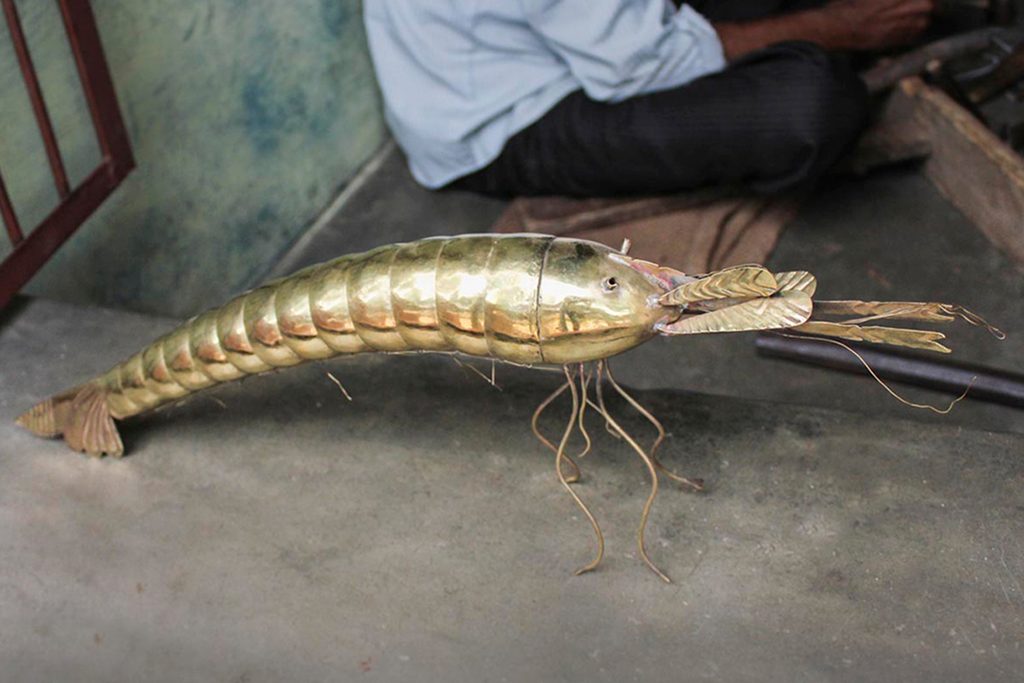
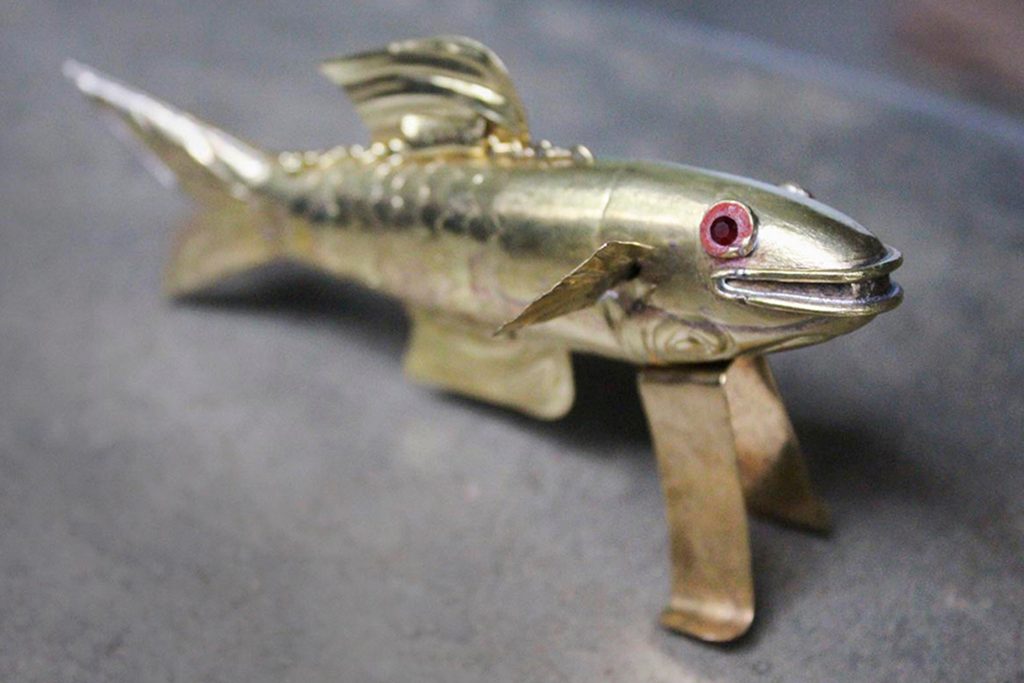
Odisha is home to many distinctive traditional handicrafts. One particularly unusual example is the Ganjam Flexible Brass Fish Craft, known for its fish-shaped metal creations with movable or flexible sections.
Associated with Belaguntha in Ganjam district, this craft demonstrates the technical skill of traditional metalworkers. Artisans create fish forms using carefully shaped metal components that allow the finished objects to move.
Unlike a conventional solid metal sculpture, a flexible brass fish combines decorative design with movement. Its construction makes it an especially interesting example of Odisha’s traditional metalworking heritage.
The craft attracts handicraft enthusiasts, collectors, and visitors interested in unusual handmade objects.
What Is Ganjam Flexible Brass Fish Craft?
Ganjam Flexible Brass Fish Craft is a traditional metal craft in which artisans create fish-shaped objects from thin metal sheets or carefully assembled metal sections.
The finished fish is designed to have flexible or movable parts. This effect depends on the way the individual components are cut, shaped, and connected.
The craft is associated with Belaguntha, a town in Ganjam district, Odisha.
Its combination of decorative form and movement distinguishes it from many conventional metal sculptures.
Key Features
- Fish-shaped decorative objects
- Flexible or movable metal sections
- Carefully cut and shaped components
- Traditional metalworking knowledge
- Decorative and collectible products
- Strong association with Belaguntha in Ganjam
History and Cultural Significance
The flexible brass fish is a recognised example of Odisha’s regional metalworking traditions.
The craft reflects the ingenuity of artisans who developed ways to produce objects that are both decorative and movable.
Traditional metalwork in Odisha includes products created through casting, hammering, cutting, and shaping. The flexible fish represents a specialised approach in which the relationship between individual metal sections determines the object’s movement.
The craft is particularly associated with Belaguntha in Ganjam district.
Cultural Importance
Preserving specialised skills: The craft depends on knowledge of metal shaping and component construction.
Representing regional identity: Flexible brass fish are associated with Belaguntha’s traditional craftsmanship.
Supporting artisans: Production can provide work for skilled metalworkers and their families.
Promoting craft diversity: The fish demonstrates that Odisha’s metalwork includes more than solid sculptures and household utensils.
Materials Used in Flexible Brass Fish Craft
The craft uses brass or bell-metal materials, depending on the particular product and manufacturing method.
Thin metal sheets are cut and shaped to create components. The design must allow the finished object to move without losing its intended form.
Tools for cutting, shaping, connecting, and finishing the metal are also required.
Materials and techniques may vary between artisans, so buyers should check the description of a specific piece.
How Is a Flexible Brass Fish Made?
The process varies according to the artisan’s method and the complexity of the design.
Step 1: Designing the Fish
The artisan establishes the shape, dimensions, and arrangement of the fish’s components.
Step 2: Preparing the Metal
Suitable metal sheets or components are selected and prepared.
Step 3: Cutting the Sections
The metal is cut into carefully shaped pieces. The size and shape of each component affect the final appearance and movement.
Step 4: Shaping the Components
The artisan forms the metal sections to create the fish’s body and decorative features.
Step 5: Connecting the Parts
The components are assembled so that the intended sections can move or flex. Precise construction is essential to the effect.
Step 6: Finishing the Product
The artisan cleans and finishes the object, checking its appearance and movement.
The result is a distinctive metal creation that combines traditional workmanship with mechanical ingenuity.
Popular Products and Designs
Flexible brass fish are the craft’s signature product. Artisans may produce different sizes, shapes, and decorative variations.
Common product categories include:
- Flexible fish sculptures
- Decorative metal fish
- Collectible handicrafts
- Gift items
- Traditional metal ornaments
- Display pieces for homes and collections
The available designs depend on the artisan and the market.
Benefits of Ganjam Flexible Brass Fish Craft
1. Distinctive Design
The flexible construction gives these objects a character different from solid metal sculptures.
2. Technical Skill
The craft demonstrates how traditional artisans use cutting, shaping, and assembly to achieve movement.
3. Decorative Value
The fish can serve as a display object, conversation piece, or part of a traditional handicraft collection.
4. Cultural Significance
The craft helps preserve a specialised metalworking tradition associated with Ganjam district.
5. Artisan Livelihoods
Purchasing authentic products from responsible sellers can help support local craftspeople.
Challenges Facing Flexible Brass Fish Craft
Complex construction: Creating moving metal sections requires precision and experience. Training and opportunities for apprentices can help maintain these skills.
Competition from mass-produced decorations: Cheaper products can attract buyers who prioritise price. Sellers can explain the craft’s construction and handmade character.
Limited awareness: Many consumers know Odisha’s general handicrafts but may not recognise this specialised metal craft. Educational content and craft exhibitions can increase awareness.
Market access: Artisans may need better ways to reach customers outside their region. Responsible digital marketplaces can provide additional sales opportunities.
Product handling: Moving sections can be damaged through rough handling. Clear care instructions can help buyers protect their purchases.
Best Practices for Buying Flexible Brass Fish
- Choose a reputable artisan or craft retailer.
- Ask whether the piece was made in Belaguntha or elsewhere.
- Confirm the metal used in the product.
- Examine the joints and movable sections.
- Test movement gently if the seller permits it.
- Check for sharp edges or loose components.
- Request details about the artisan and production method.
- Follow the maker’s storage and cleaning instructions.
A flexible fish’s appearance does not, by itself, establish its geographical origin. Ask for credible product information when provenance matters.
Frequently Asked Questions
1. What is Ganjam Flexible Brass Fish Craft?
It is a traditional Odisha metal craft associated with Belaguntha in Ganjam district. Artisans create fish-shaped objects with flexible or movable sections using carefully shaped and assembled metal components.
2. Where is the flexible brass fish craft famous?
Belaguntha in Ganjam district is the principal location associated with this distinctive craft.
3. What makes these metal fish different?
Their construction allows parts of the fish to move or flex. This distinguishes them from solid metal fish sculptures.
4. What materials are used?
Brass and bell-metal materials are associated with Odisha’s metal crafts. The specific material used in a flexible fish should be confirmed with the maker or seller.
5. How are flexible brass fish made?
Artisans design the fish, prepare the metal, cut and shape individual components, connect the sections, and finish the object. The arrangement of the components enables movement.
6. Why is this craft important?
It preserves specialised metalworking skills, represents the craft heritage of Ganjam, and provides opportunities for traditional artisans.
7. Are flexible brass fish suitable for decoration?
Yes. They are commonly valued as decorative and collectible handicrafts. Their size, finish, and intended use vary by product.
8. How should a flexible brass fish be maintained?
Handle the object gently and avoid forcing its movable sections. Remove dust with a soft cloth and follow the maker’s cleaning instructions. Store it safely to prevent accidental bending or damage.
Conclusion
Ganjam Flexible Brass Fish Craft is a distinctive example of Odisha’s traditional metalworking heritage. Its carefully constructed movable sections combine decorative design with technical ingenuity.
The craft highlights the knowledge and creativity of artisans associated with Belaguntha. Supporting reputable makers and improving awareness can help preserve this specialised tradition.
For handicraft enthusiasts, these objects offer a way to explore an unusual form of Indian metalwork while appreciating the skill behind their construction.
Meta Title: Ganjam Flexible Brass Fish Craft: Odisha Metal Art
Meta Description: Discover Ganjam flexible brass fish craft, including its history, metalworking techniques, distinctive movable designs, cultural importance, and artisan heritage.
URL Slug: ganjam-flexible-brass-fish-craft
5 SEO Tags:
- Ganjam Flexible Brass Fish
- Odisha Metalwork
- Belaguntha Handicrafts
- Traditional Brass Craft
- Odisha Tribal and Folk Art
5 LSI Keywords:
- Belaguntha flexible brass fish
- Ganjam traditional metal craft
- Odisha movable brass sculpture
- Handmade flexible metal fish
- Traditional Odisha handicrafts
Image Alt Text: Traditional flexible brass fish handicraft associated with Belaguntha in Ganjam district, Odisha.
Image Caption: Belaguntha’s flexible brass fish craft showcases the technical skill and creativity of Odisha’s traditional metalworkers.
Reliable Sources: