
Groundnut Chikki from Lonavala, Maharashtra: A Traditional Indian Sweet
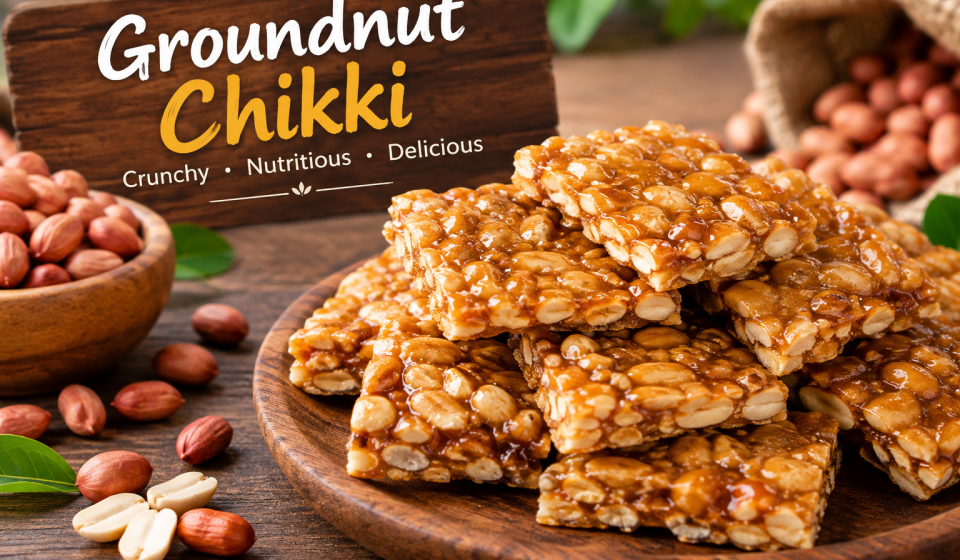
Groundnut chikki from Lonavala in Maharashtra is a traditional Indian sweet made mainly from roasted peanuts and jaggery or sugar. Known for its crunchy texture, nutty flavour, and simple ingredients, this popular treat is a favourite among tourists visiting Lonavala. It is also a well-known example of Maharashtra’s rich food culture and traditional sweet-making skills.
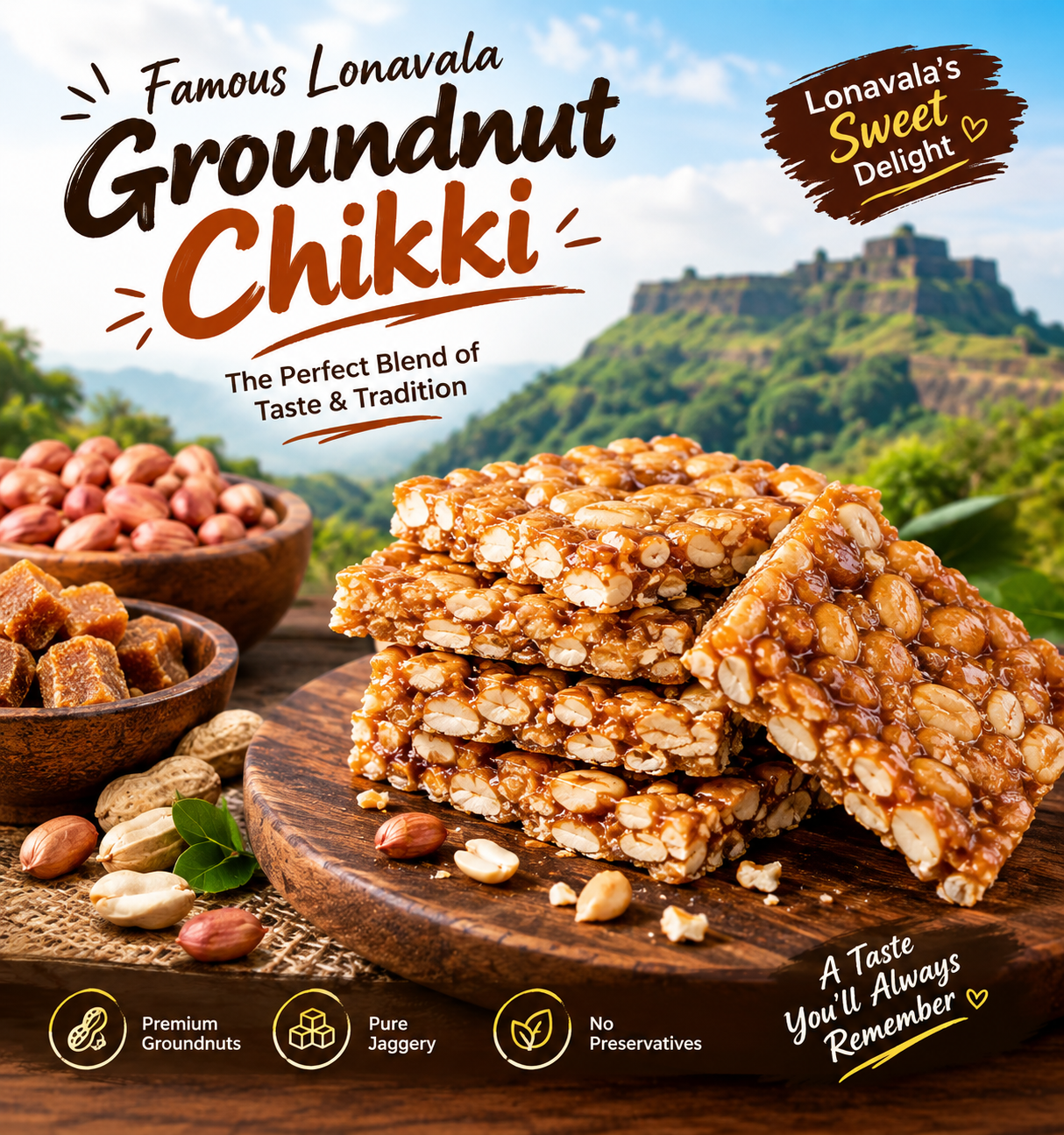
Lonavala is famous for its scenic hills, waterfalls, and delicious local snacks. Among its most popular food souvenirs, chikki holds a special place. Visitors often buy it for family and friends while travelling between Mumbai and Pune.
But what makes Lonavala chikki so special? Its appeal comes from the combination of roasted groundnuts, caramelised sweeteners, traditional preparation methods, and the region’s long-standing reputation for quality chikki.
In this article, you will discover the history, ingredients, preparation, benefits, varieties, buying tips, and cultural importance of groundnut chikki from Lonavala, Maharashtra.
What Is Groundnut Chikki from Lonavala?
Groundnut chikki from Lonavala is a traditional Indian brittle made by combining roasted groundnuts with hot jaggery syrup or sugar syrup. The mixture is spread into thin sheets, allowed to cool, and cut into pieces. It is valued for its crunchy texture, sweet taste, and the natural richness of peanuts.
Understanding Groundnut Chikki from Lonavala, Maharashtra
Groundnut chikki is commonly known as peanut chikki in English. In Maharashtra, it is often called shengdana chikki, as shengdana is the Marathi word for groundnuts.
Lonavala, a hill station in Pune district, has become closely associated with this sweet. Local shops sell chikki in different flavours, shapes, and packaging styles. Travellers frequently purchase it as a snack or souvenir.
The basic recipe is simple, but the quality depends on several factors. These include fresh peanuts, the quality of jaggery, the cooking temperature, and the skill used to mix and spread the ingredients.
Unlike soft sweets, traditional groundnut chikki is firm and brittle. A well-made piece should have a pleasant roasted peanut flavour and a balanced sweetness.
Why Is Lonavala Famous for Groundnut Chikki?
Lonavala is famous for groundnut chikki because generations of local sweet makers have developed a strong association between the town and this traditional snack. Its popularity among travellers, roadside shops, established sweet shops, and gift buyers has helped make chikki one of Lonavala’s best-known food specialities.
A Sweet Tradition for Travellers
Lonavala lies on the popular travel route connecting Mumbai and Pune. This location attracts tourists throughout the year, especially during the monsoon season and winter months.
Many visitors stop at local shops to purchase fresh chikki before continuing their journey. Its convenient packaging and relatively long shelf life, when stored correctly, make it suitable for travel.
Over time, chikki has become part of the Lonavala travel experience. Shops offer several varieties, allowing visitors to choose according to their tastes and budgets.
The Role of Traditional Sweet Makers
Traditional sweet makers play an important role in maintaining the popularity of Lonavala chikki. Their work involves roasting peanuts, preparing the syrup, mixing ingredients quickly, and spreading the hot mixture evenly.
Temperature control is especially important. If the syrup is undercooked, the chikki may remain sticky. If it is overheated, it can taste bitter or become too hard.
Although commercial manufacturers may use modern machinery, the essential process remains similar: combine nuts with a cooked sweetener and allow the mixture to set.
Key Ingredients Used in Groundnut Chikki
Groundnut chikki usually requires only a few ingredients. Their freshness and quality have a major effect on the taste, texture, and overall result.
The main ingredients include:
- Groundnuts (peanuts): The primary ingredient that provides a roasted flavour, crunch, protein, and healthy fats.
- Jaggery: A traditional sweetener made from sugarcane juice or other sugar-rich sources. It gives the chikki a characteristic caramel-like taste.
- Sugar: Some recipes use sugar instead of jaggery or combine both sweeteners.
- Ghee: An optional ingredient used in small quantities to grease surfaces or improve handling.
- Cardamom: An optional flavouring used in selected recipes.
Not every manufacturer uses the same recipe. Some brands focus on jaggery-based chikki, while others offer sugar-based products or special combinations.
When buying packaged chikki, check the ingredient list if you prefer a particular sweetener or need to avoid certain ingredients.
How Is Groundnut Chikki Made?
Traditional groundnut chikki is made by roasting peanuts, cooking jaggery or sugar into a syrup, combining the ingredients, and spreading the mixture before it hardens. The process is relatively simple, but timing and temperature control are essential for achieving a crisp texture.
Step 1: Roast the Groundnuts
First, the groundnuts are roasted until they develop a rich aroma. Roasting reduces the raw taste and improves the flavour.
After cooling, the peanut skins may be removed. The nuts can then be used whole, split, or lightly crushed, depending on the desired texture.
Step 2: Prepare the Jaggery Syrup
Next, jaggery is heated in a pan with a small amount of water until it melts. The syrup is cooked until it reaches the appropriate stage for making brittle.
This stage requires care. A syrup that is not cooked enough may produce soft or sticky chikki. Excessive heating can create a burnt flavour.
Step 3: Mix the Ingredients
The roasted peanuts are quickly mixed into the hot syrup. The mixture must be stirred thoroughly so that the syrup coats the nuts evenly.
Because the syrup begins to cool quickly, this stage needs to be completed without unnecessary delay.
Step 4: Spread and Shape the Chikki
The mixture is placed on a lightly greased surface and rolled or pressed into a thin layer. It is then cut into squares, rectangles, or other shapes while still workable.
Step 5: Cool and Package
Finally, the chikki is allowed to cool and harden. Once fully set, it is packed in suitable wrapping or airtight containers to help protect its crispness.
Commercial production may include additional quality checks, machinery, and packaging procedures.
Benefits of Groundnut Chikki
Groundnut chikki can provide useful nutrients because peanuts contain protein, unsaturated fats, fibre, and several vitamins and minerals. However, it is also a sweet confection, so portion size matters. Its nutritional value depends on the recipe, the quantity consumed, and the overall diet.
1. Provides Energy
Groundnuts contain fats and protein, while jaggery and sugar provide carbohydrates. Together, these ingredients make chikki an energy-dense snack.
It can be convenient during travel or outdoor activities. However, it should not replace balanced meals or be treated as a complete source of nutrition.
2. Contains Plant-Based Protein
Peanuts provide plant-based protein, which supports normal body growth and tissue maintenance.
Groundnut chikki can contribute some protein to a snack, but the amount varies by recipe. People seeking higher protein intake should also include foods such as pulses, dairy products, soy, or other suitable protein sources.
3. Supplies Healthy Fats
Peanuts contain predominantly unsaturated fats, including monounsaturated and polyunsaturated fats.
These fats can form part of a balanced diet. However, chikki’s overall nutritional profile also depends on the added sweetener and the amount consumed.
4. Provides Some Minerals
Peanuts naturally contain minerals such as magnesium and phosphorus. Jaggery may also contain small amounts of minerals, depending on how it is produced and processed.
The exact nutritional content varies between products. Chikki should not be relied upon as a treatment for nutritional deficiencies.
5. Offers a Convenient Travel Snack
Groundnut chikki is easy to carry and share. Individually wrapped pieces are particularly convenient for road trips, train journeys, and packed snacks.
Its portability is one reason it remains popular with visitors to Lonavala.
Important note: Chikki contains peanuts, a major food allergen. It may also be hard and sticky, creating a choking risk for young children. People with diabetes should pay attention to its carbohydrate and added-sugar content.
Popular Varieties of Chikki in Lonavala
Lonavala’s chikki shops sell several varieties to suit different preferences. Groundnut chikki remains a classic choice, but other nut and seed combinations are also widely available.
| Variety | Main ingredients | Taste and texture |
| Groundnut chikki | Peanuts and jaggery or sugar | Nutty, sweet, and crunchy |
| Sesame chikki | Sesame seeds and sweetener | Toasted, aromatic, and crisp |
| Cashew chikki | Cashews and sweetener | Rich, buttery, and crunchy |
| Almond chikki | Almonds and sweetener | Nutty and firm |
| Mixed-nut chikki | A combination of nuts | Varied textures and flavours |
| Dry fruit chikki | Selected nuts and dried fruits | Sweet with chewy or crunchy pieces |
Availability varies by shop and season. Buyers should check the label to confirm the ingredients, especially when purchasing a variety for someone with a food allergy.
Groundnut Chikki vs Other Indian Sweets
Groundnut chikki differs from many traditional Indian sweets because it combines nuts with a hardened sweetener rather than a soft dough, milk solids, or a syrup-soaked base.
The best choice depends on taste, texture, ingredients, and dietary needs.
| Feature | Groundnut chikki | Ladoo | Kaju katli |
| Main ingredients | Peanuts and jaggery or sugar | Varies by type | Cashews and sugar |
| Texture | Hard and crunchy | Usually soft or firm | Smooth and dense |
| Flavour | Roasted and caramel-like | Depends on recipe | Rich and nutty |
| Portability | Usually convenient | Convenient, but may crumble | Convenient, but may be delicate |
| Typical sweetness | Sweet | Varies | Sweet |
| Common use | Travel snack and souvenir | Festivals and everyday treats | Gifts and celebrations |
No single sweet is automatically healthier than the others. Compare ingredient lists, serving sizes, and nutritional information when making dietary choices.
Challenges and Common Mistakes When Buying Chikki
Buying good-quality groundnut chikki is easier when you know what to look for. Appearance alone cannot guarantee freshness, so check the packaging and condition as well.
1. Buying Stale Chikki
Problem: The chikki tastes less crunchy or has an unusual smell.
Cause: Poor storage, prolonged exposure to air, or old ingredients.
Solution: Choose sealed packaging and check the manufacturing or best-before date. Avoid products with rancid odours or visible moisture damage.
2. Choosing Only by Price
Problem: A low-priced product may not meet your expectations for flavour or freshness.
Cause: Differences in ingredient quality, recipe, packaging, and production methods.
Solution: Compare ingredients, net weight, freshness, and the reputation of the seller rather than relying on price alone.
3. Ignoring Food Allergies
Problem: Groundnut chikki can trigger serious reactions in people with peanut allergies.
Cause: Peanuts are a central ingredient, and cross-contact with other allergens may occur during production.
Solution: Avoid the product entirely if you have a peanut allergy. Read allergen statements and seek reliable manufacturer information when needed.
4. Storing Chikki Incorrectly
Problem: The chikki becomes sticky, soft, or less enjoyable.
Cause: Humidity, heat, and exposure to air.
Solution: Keep it in an airtight container in a cool, dry place. Follow the storage directions on the package.
Best Practices and Expert Tips for Buying Groundnut Chikki
Use these practical tips when shopping for groundnut chikki from Lonavala, Maharashtra.
- Check freshness: Read the manufacturing date and best-before date before purchasing.
- Inspect the packaging: Look for sealed, undamaged wrappers that protect the chikki from moisture.
- Read the ingredients: Choose jaggery-based or sugar-based chikki according to your preference.
- Compare brands: Look at ingredient quality, price per unit weight, and product information.
- Buy from reliable shops: Prefer sellers who handle and store food hygienically.
- Check the texture: If samples are available, look for a crisp bite without an unusual sticky or stale feel.
- Consider portion size: Chikki is energy-dense, so a small serving is often enough for a snack.
- Check allergens: Confirm whether the product contains peanuts or may have come into contact with other allergens.
- Store it properly: Use an airtight container after opening and follow the manufacturer’s instructions.
- Choose suitable packaging for gifts: Sealed packs are generally more convenient for travelling and sharing.
These steps help you select a product that matches your expectations for taste, quality, and convenience.
How to Use Groundnut Chikki in Everyday Life
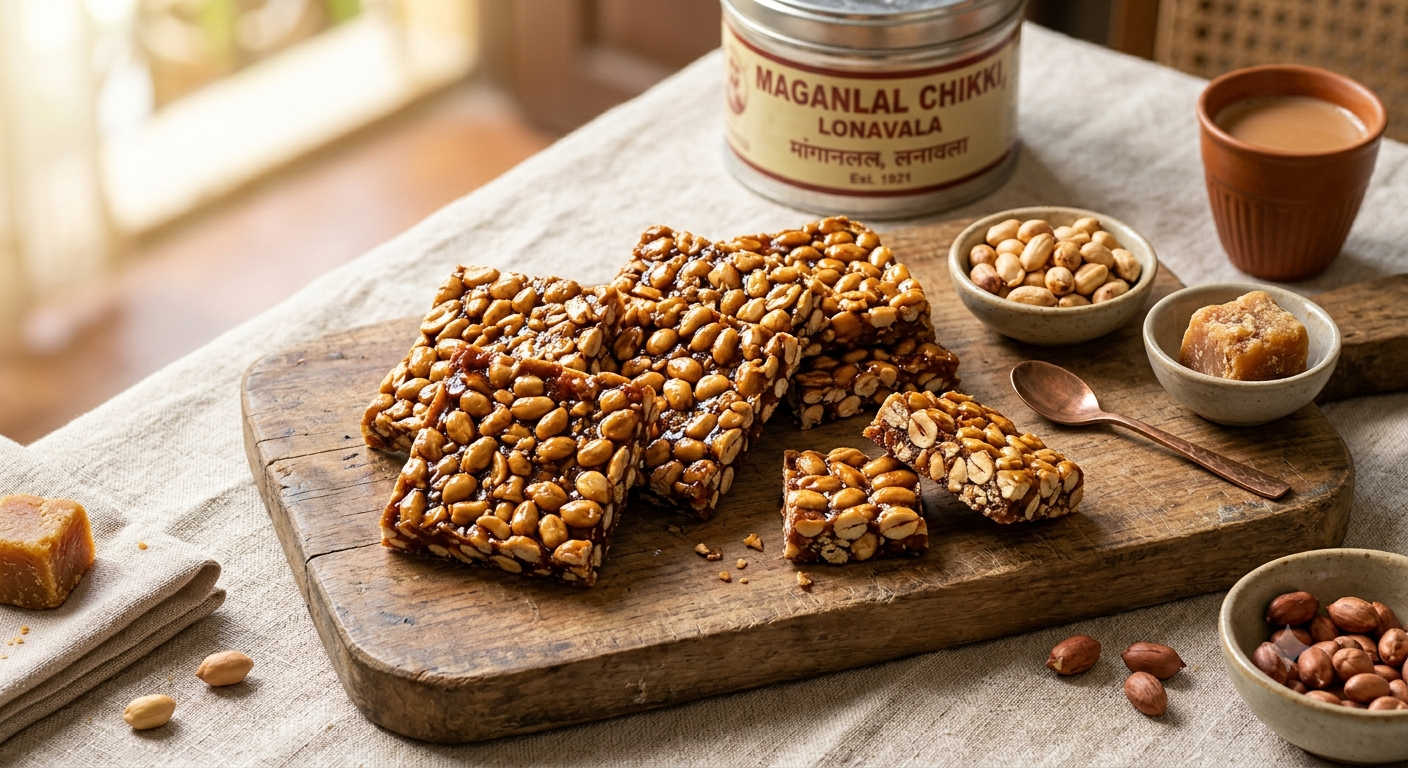
Groundnut chikki is more than a souvenir from Lonavala. It can also be enjoyed in several everyday situations, provided it fits your dietary needs.
- During travel: Carry a small, sealed pack for a convenient snack.
- At work or college: Keep a portion ready when you want something sweet and crunchy.
- As a gift: Include it in a regional food hamper with other Maharashtrian products.
- During festivals: Share it with family and friends as part of a traditional sweet selection.
- As a local food experience: Try it while exploring Lonavala’s shops and regional food culture.
Businesses can also sell groundnut chikki through sweet shops, tourist stores, gift hampers, and suitable online retail channels. Clear labelling, hygienic packaging, and accurate product descriptions help customers make informed choices.
Frequently Asked Questions About Groundnut Chikki from Lonavala
1. Why is Lonavala groundnut chikki famous?
Lonavala groundnut chikki is famous because the hill station has a long-standing association with this traditional peanut sweet. Local shops serve tourists travelling between Mumbai and Pune. Its crunchy texture, roasted flavour, convenient packaging, and variety of recipes have helped establish it as a popular regional food souvenir.
2. What is groundnut chikki made of?
Groundnut chikki is mainly made from roasted peanuts and jaggery or sugar. Some recipes use a small amount of ghee or flavourings such as cardamom. The ingredients are mixed while hot, spread into a thin layer, and cooled until firm. Exact recipes vary by manufacturer.
3. Is groundnut chikki from Lonavala healthy?
Groundnut chikki provides protein, unsaturated fats, and some minerals from peanuts. However, it also contains added sugar or jaggery and is energy-dense. It can fit into a balanced diet in moderate portions, but it is not a low-sugar food or a substitute for a varied diet.
4. What is the difference between jaggery chikki and sugar chikki?
Jaggery chikki uses jaggery as its sweetener, often producing a deeper caramel-like flavour. Sugar chikki uses sugar syrup and may have a different sweetness and texture. Neither should automatically be considered healthy because of its sweetener. Both can contain substantial amounts of sugar.
5. How long does groundnut chikki stay fresh?
The shelf life depends on the recipe, packaging, manufacturing process, and storage conditions. Commercial products have a best-before date printed on the package. Store chikki in a cool, dry place and keep opened pieces airtight. Do not eat products that smell rancid or show signs of spoilage.
6. Can I buy Lonavala chikki online?
Many Indian sweet brands and retailers sell peanut chikki online, although availability varies. Check the seller’s reputation, ingredient list, package weight, delivery conditions, and best-before date. If you specifically want chikki made in Lonavala, verify the product’s origin rather than relying only on the product name.
7. Is groundnut chikki suitable for children?
Groundnut chikki may be unsuitable for young children because its hard texture can create a choking risk. Peanuts can also cause severe allergic reactions. Parents should consider the child’s age, chewing ability, and allergy history and seek appropriate professional guidance when unsure.
8. What is the best way to store groundnut chikki?
Store groundnut chikki in an airtight container in a cool, dry place away from direct sunlight and moisture. Humidity can affect its crispness, while heat and prolonged storage can reduce quality. Always follow the manufacturer’s instructions and use the product within its stated shelf life.
Key Takeaways
- Groundnut chikki from Lonavala, Maharashtra, is a traditional sweet made from roasted peanuts and jaggery or sugar.
- Lonavala’s popularity as a tourist destination has helped make chikki a well-known regional speciality.
- Good chikki depends on fresh peanuts, properly cooked syrup, careful preparation, and suitable packaging.
- Popular alternatives include sesame, cashew, almond, and mixed-nut chikki.
- Peanuts provide protein and unsaturated fats, but chikki is also energy-dense and contains added sugar.
- Buyers should check freshness, ingredients, allergens, packaging, and storage instructions.
- Its portability makes it a popular travel snack and food gift.
Final Verdict: Is Lonavala Groundnut Chikki Worth Trying?
Groundnut chikki is worth trying if you enjoy traditional Indian sweets with a crunchy texture and roasted nut flavour. It represents a familiar part of Lonavala’s food culture and offers a simple combination of peanuts and a sweetener.
For the best experience, choose a freshly packed product from a reliable seller. Compare the ingredients and select jaggery-based or sugar-based varieties according to your preferences. If you are buying chikki as a gift, check the packaging and shelf life before travelling.
Remember that chikki is a sweet snack, not a health supplement. Enjoy it in sensible portions, and avoid it completely if you have a peanut allergy.
Conclusion
Groundnut chikki from Lonavala in Maharashtra is more than a crunchy sweet. It reflects the region’s food traditions, local sweet-making skills, and popularity among travellers. Made mainly from roasted peanuts and jaggery or sugar, it offers a distinctive combination of nutty flavour and sweetness.
Whether you visit Lonavala for its scenic landscapes or want to explore Maharashtra’s traditional foods, groundnut chikki is a memorable local speciality to discover. Choose a reliable seller, check the ingredients and packaging, and store it correctly to maintain its quality.
If you are planning a visit to Lonavala, consider trying freshly packed groundnut chikki and exploring the different varieties available in local sweet shops.