The Golden Threads of Bareilly: Inside the Royal World of Zari Zardozi

Inside Bareilly's Zari Zardozi Craft Industry: Threaded Art With Huge Potential
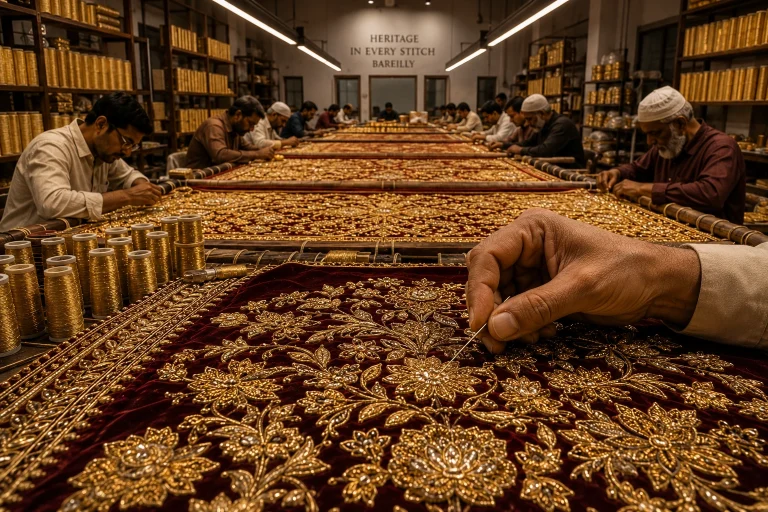
Bareilly’s Zari Zardozi craft industry is really something in India’s embroidery heritage. This craft started a time ago as an art form for royal courts. Now it is influencing fashion and things like bridal wear and home decor. People want things that are made by hand and look special. So they are choosing clothes and accessories with zardozi embroidery over things made by machines. This is creating opportunities for the people who make these things small businesses and designers in the area. Zardozi craft is used to make all sorts of things, like lehengas and sherwanis and home decor items and fancy accessories. The zardozi craft industry is. It is growing really fast and it is turning the skills of local people into something that is recognized all over India and the world
Bareilly's Zari Zardozi Heritage
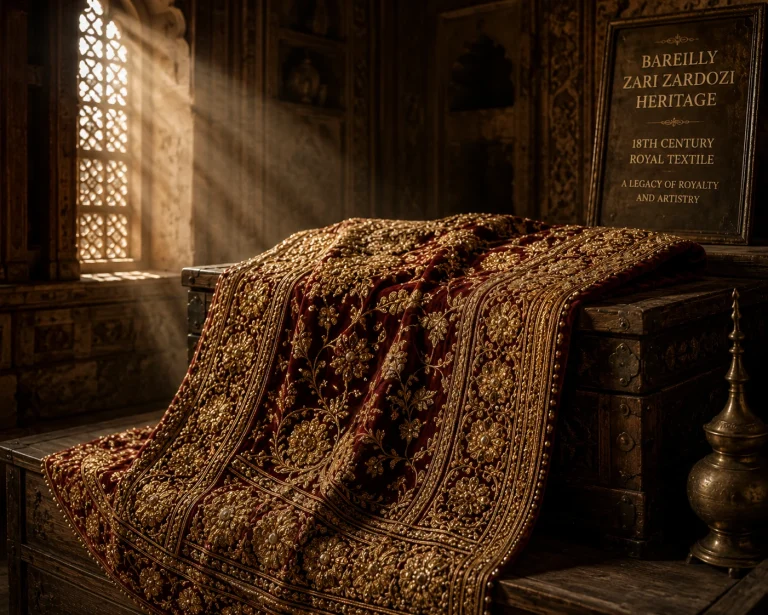
The story of zari zardozi in Bareilly goes back to a time it is very closely tied to the Mughal courts that really liked this kind of art. Zardozi has always been a part of Bareilly’s culture; people used it to make clothes for royalty, special occasion fabrics and clothes for festivals. In families of artisans, zari and zardozi work was called “the golden thread” ; it meant that something was very valuable; it took a lot of patience and it was made with great skill. For a long time these families of artisans learned how to do special kinds of embroidery with metallic threads, they learned how to set stones and they learned how to make complicated designs that made regular fabric look like something very special.
What makes zari zardozi so special is that it is made by people who work with their hands. The artisans of Bareilly did not just embroidery to make things look pretty. They used it to tell stories they made flowers, paisley and geometric patterns that were passed down from their families. Now if you visit a zardozi workshop in Bareilly it feels like you are in a place where tradition, patience and being good at something all live together in a nice way. This old tradition of zari zardozi is now the base for an embroidery industry that people are starting to know about not just in Uttar Pradesh but in many other places too.
Regional Zari Zardozi Hubs
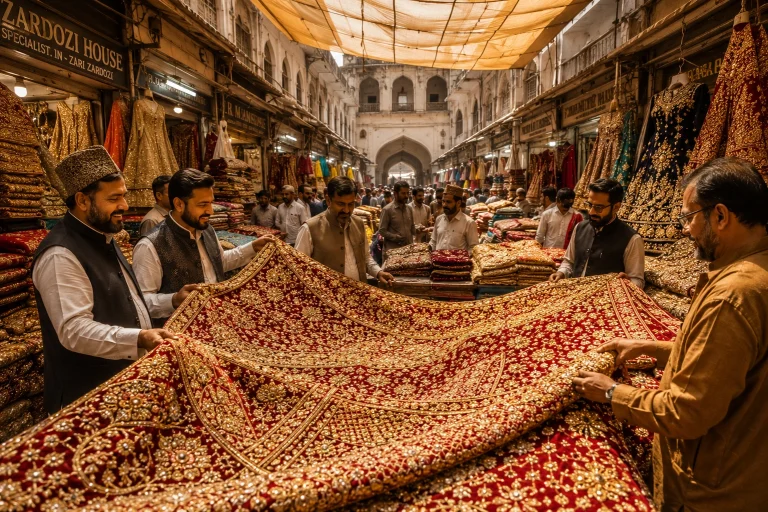
India has a lot of places that make zari zardozi. Each place is special. Makes its own kind of zardozi. For example Bareilly in Uttar Pradesh is very good at making zardozi work. The people who make zardozi in Bareilly are very skilled. They can make it for a low price. They sell their zardozi garments to places in North India.
Delhi and Mumbai are cities where people buy zardozi from Bareilly and then sell it to bridal shops and fashion companies. They add their labels to the zardozi and sell it. Lucknow is another city that’s close to Bareilly. It is famous for mixing zardozi with chikankari. This creates a style of embroidery that is very pretty.
In the part of India cities like Hyderabad and Chennai also make zardozi. They mix it with their way of weaving silk. The people who make zardozi in Gujarat add mirrors and beads to their embroidery. This makes the zardozi look more beautiful.
Each place in India makes zardozi in its own way. This makes the zari zardozi industry in India very interesting and diverse. The people who make zardozi in Bareilly are very good at their job. They sell their products to people all over India and the world. They are very reliable. People trust them to make high quality zardozi.
How Zari Zardozi Work Is Made
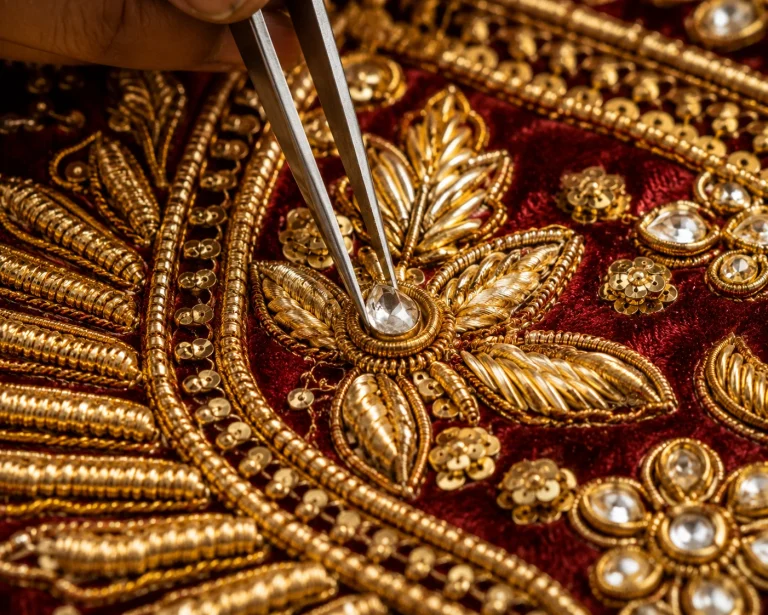
The way people make zardozi embroidery is very careful and detailed. It changes fabric into really beautiful things. First the people who do this work stretch the fabric over a frame so it is tight and smooth. Then they draw the design on the fabric before they start sewing.
The people who make zardozi embroidery use a special needle called an ari or a regular needle to sew. They use threads that are made of metal and they add sequins and beads and small stones to the fabric. They do this one layer at a time. They follow the design that they drew. Some designs need things like dabka or sitara or moti to make them look nice and shiny. Some need threads made of gold or silver that are curled up to make a raised design. Every single part of the design whether it is flowers or paisley or shapes is made one stitch at a time by hand.
The thing about zari zardozi embroidery is that it is done by hand. It takes a lot of skill. That means that no two pieces of zari zardozi are the same. This is what people like about zari zardozi garments that are made by hand. They have a lot of character and texture. They were made by a person. Machine embroidery is not the same. It cannot make things that look as nice as zari zardozi embroidery made by hand.
Demand in Domestic & International Market
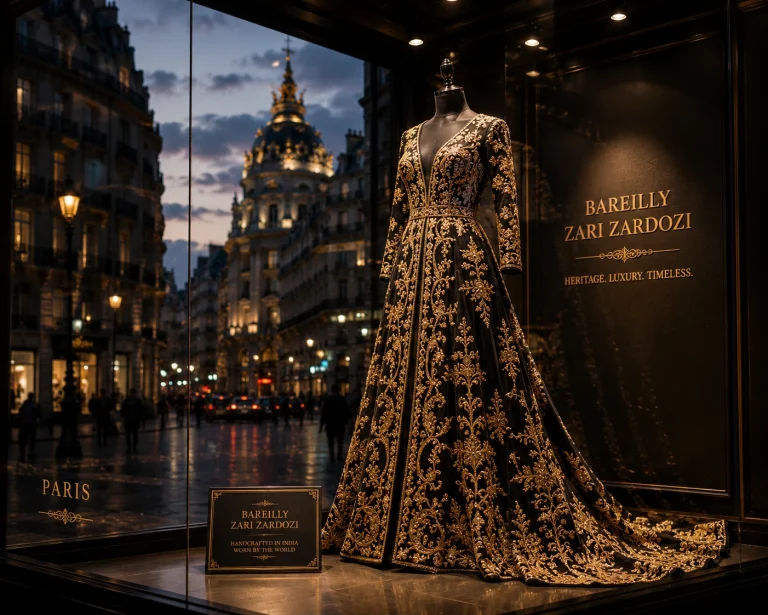
The demand for zari zardozi work in India has grown steadily due to the rising popularity of statement bridal and festive wear. Consumers today want richly embellished lehengas, sherwanis, sarees, and accessories for weddings and celebrations. Zardozi fulfills this need perfectly, offering a regal, luxurious finish that machine embroidery cannot match. From boutique designers to large fashion houses, zardozi embellishment has become a trending choice across India’s wedding and festive fashion industry.
Internationally, Bareilly’s zardozi work has earned strong appreciation in countries with large South Asian communities, including the USA, UK, Canada, and the Gulf nations. Global buyers value the intricate handwork, rich detailing, and cultural authenticity of these products. Categories like bridal wear, embellished clutches, footwear, and home decor accents are among the highest in export demand.
The bridal wear segment, in particular, has seen massive growth. Many international and domestic designers now collaborate with Bareilly’s artisan clusters to create exclusive embroidered collections. As global interest in handcrafted, sustainable fashion continues to rise, zardozi’s relevance keeps growing—making the craft industry one of the region’s most promising sectors.
Business Potential for Small Entrepreneurs
Zari zardozi work is a way for small business owners and people who work from home to make a good living. You do not need to spend a lot of money to get started. It is easy to find skilled people to help you in Bareilly. People always want to buy zari zardozi things around the time of weddings and festivals.
You can start by making things like fancy dupattas and clutches and then make more complicated things like wedding dresses and home decorations as your business gets bigger. There is also a lot of money to be made by making zardozi things for people who want something unique. Some fashion designers work with the artisans in Bareilly to make clothes with traditional zari zardozi work.
This mix of new styles has made zari zardozi work popular with a lot of people. The government also helps the artisans by teaching them skills and promoting their work. Now people want to buy clothes that are made by hand and look special. Small zari zardozi businesses can say that their things are special and made with love. Zari zardozi work is a way for small business owners to make a good living and zari zardozi work is very popular.
Conclusion
Bareilly’s zari zardozi craft industry beautifully combines heritage, artistry and modern fashion demand. What started as an embroidery tradition has transformed into a thriving market with national and global popularity. From wear and festive garments to premium accessories and home décor zardozi work appeals to customers who value richness, craftsmanship and authentic handmade luxury. With rising demand for digital selling opportunities and support from platforms like Desi Biz, the future of Bareilly’s zari zardozi industry looks incredibly bright—offering possibilities for artisans and entrepreneurs who believe in preserving traditional craftsmanship.
1. What are the most popular zari zardozi products made in Bareilly?
2. Which regions are known for zari zardozi craftsmanship in India?
3. Is zari zardozi embroidery a profitable small-scale business?
4. How can artisans sell zardozi products online?
5. What is the future market demand for zari zardozi work in India?

Other Articles