Inside Bihar's Gaya Tilkut Legacy: Timeless Sweet With Global Charm

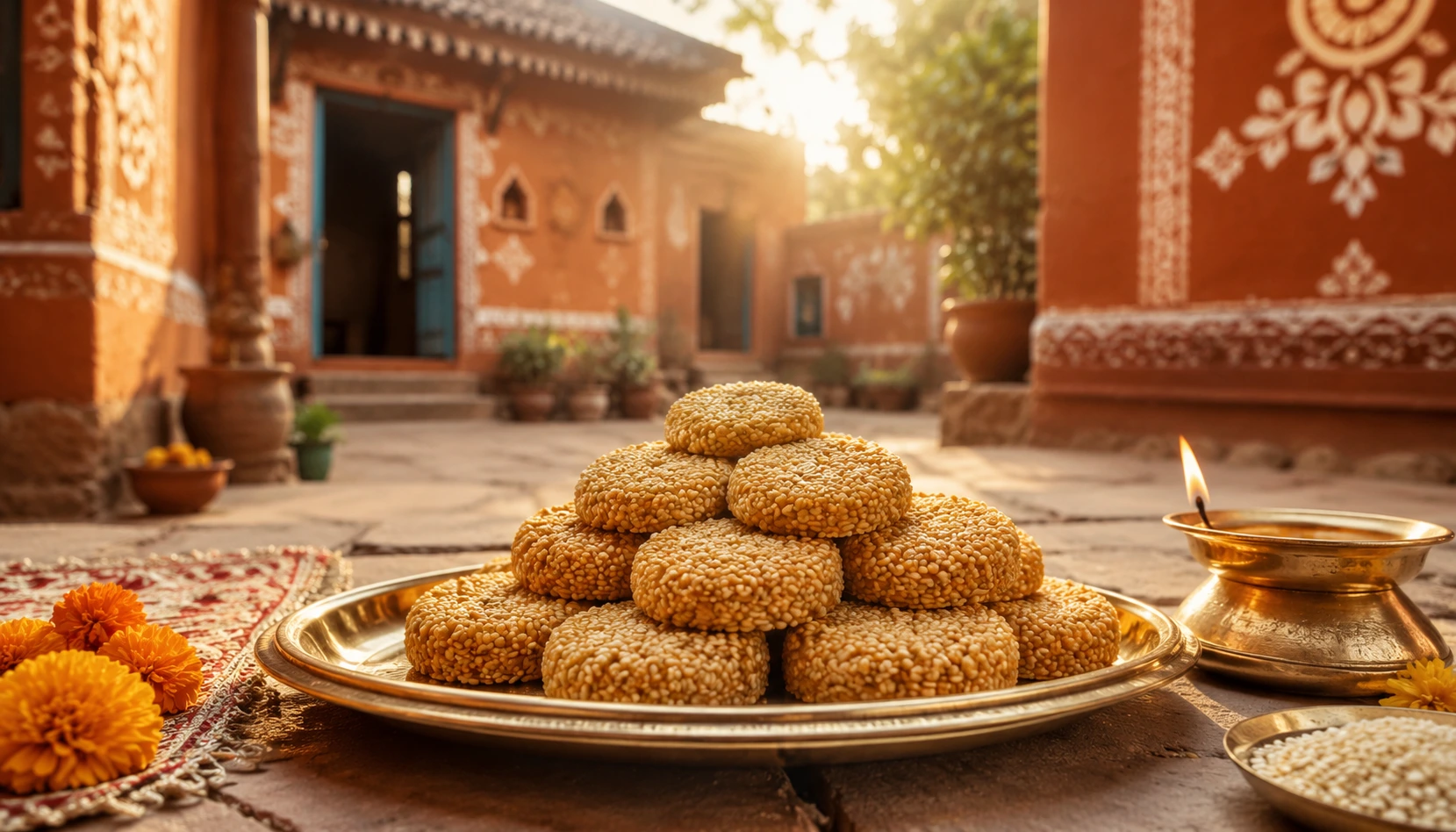
Gayas tilkut is one of the loved winter sweets in Bihar. The reason people love Gayas tilkut much is that it is really crunchy and rich and full of the flavour of sesame and jaggery. Every year people over India wait for Gayas tilkut. Gayas tilkut has been made for generations. It is a part of what Gaya is known for as a place of pilgrimage and tradition.
Today people enjoy Gayas tilkut during Makar Sankranti and other winter festivals. Gayas tilkut travels beyond Bihar in gift boxes and courier parcels. People like to buy Gayas tilkut that is made by hand. They do not like the mass-produced sesame sweets found in places. This helps the sweet makers and keeps the old craft alive in Gayas old lanes.
Gayas tilkut is a treat that people eat during winter. People give Gayas tilkut as a gift during winter. They share Gayas tilkut with family and friends to show they care. Gayas tilkut is also becoming famous outside Bihar. This is especially true for people who have moved away from Gaya but still want to eat the food they grew up with. The demand, for Gayas tilkut is. It is turning into a small but important part of Indias food heritage that people love wherever they live.
The Heritage of Gaya's Tilkut Making
The story of Gaya tilkut goes back generations. It started with the winter harvest of sesame in the fields around Gaya and Jehanabad. Sweet-makers in the area began roasting and pounding sesame seeds with jaggery. They made a sweet that could last through the months. This sweet gave warmth and energy during winter. Gaya is known over the world as a major pilgrimage centre for Hindus and Buddhists. There has always been a flow of visitors to Gaya. Tilkut became one of the treats that visitors carried home. It was a gift from the city.
For families that make tilkut the hand-beaten process is very important. It is passed down through the kadhai and the wooden hammer. This process is central to their identity. It takes patience, timing and a trained eye. The person making tilkut must know when the jaggery is ready. These skills are taught in families. Often children start learning when they’re very young. They learn the rhythm of pounding sesame into flaky sheets.
What makes this tradition special is that it is connected to Makar Sankranti. This is the harvest festival. Tilkut is eaten in every Bihari household during this time. The sweet is not food. It carries the memory of winters spent in Gaya. People remember buying fresh from the pan. They bought it from shops that have been in the place for decades. This old tradition is now the base of a proud sweet-making industry. People, over India and abroad look forward to tilkut every winter.
Types and Regional Variations of Tilkut
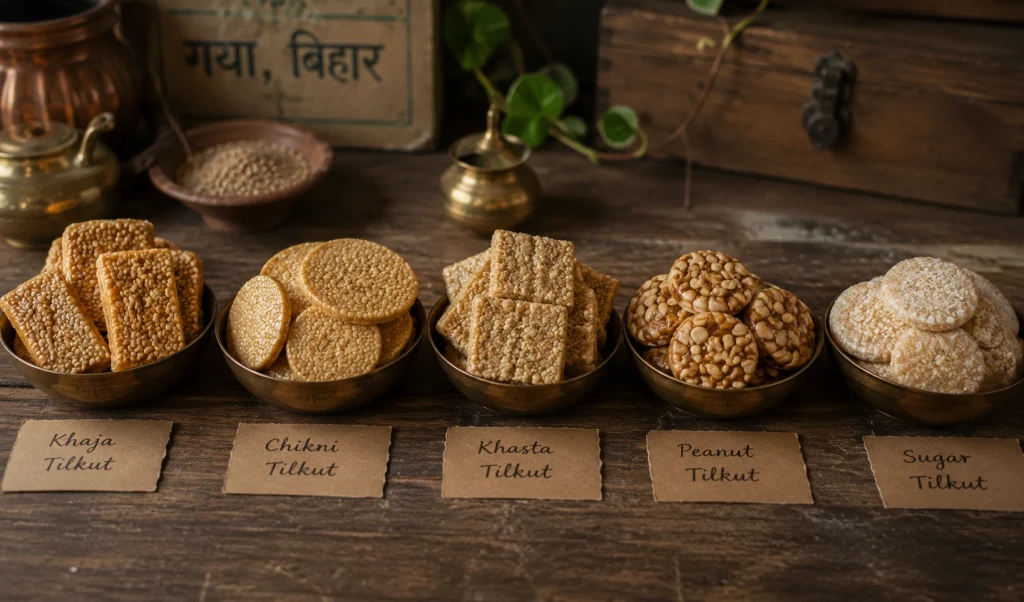
Gayas tilkut tradition has a few types and every type has its own texture and flavor. Khaja-style tilkut, made with real til and jaggery is seen as the traditional and real version loved for its crisp flaky bite. Chikni tilkut or the smoother type uses sesame that is crushed finely and a jaggery mix that’s a bit softer which gives it a soft melt-in-your-mouth feel that many people like as a regular sweet instead of just for festivals.
Khasta tilkut is drier and crunchier made to last which makes it a popular choice for giving as gifts and sending to relatives who live far away from Bihar. There is also a type made with peanuts (moongphali tilkut) for people who want a taste and a type sweetened with sugar instead of jaggery for those who like a lighter flavor. Anand tilkut and other local brands from Gaya have become well known over time and families in Bihar often stick to a shops recipe treating it almost like a family heirloom flavor.
Towns and neighborhoods around Gaya including places to the Vishnupad Temple each have their own small shops adding a personal touch to the tilkut tradition. This makes Gayas tilkut a real mix of techniques and personal family styles, which is part of why it is so special, to people who grew up eating it.
How Tilkut Is Made
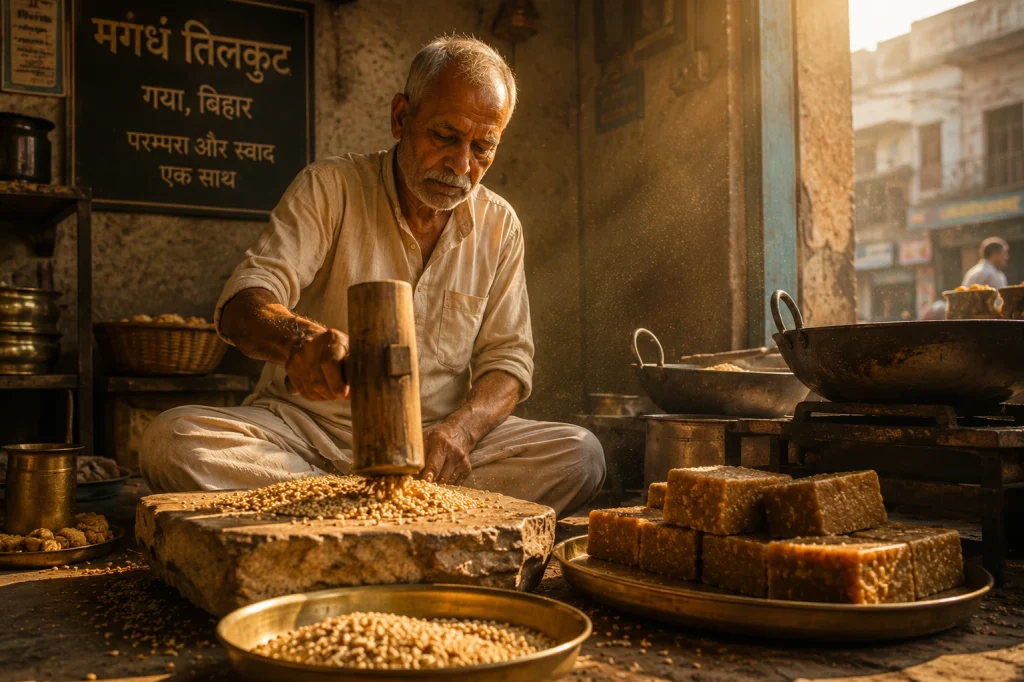
Making tilkut is a slow process that people have been doing the same way for a very long time. The people who make sweets start by roasting sesame seeds in a pan until they’re a deep golden brown. This brings out the oil and smell of the sesame seeds. Then they pound the sesame seeds into a paste using a big wooden mortar and a heavy tool that looks like a hammer.
They do this until the sesame seeds are all broken down and the paste is a bit oily. At the time they melt some jaggery and cook it until it is just the right thickness. If they make a mistake and cook it for long or not long enough the tilkut will not be right. They mix the sesame paste with the hot jaggery syrup. Beat it all together on a big flat surface. They use their hands with some oil on them to make it all smooth and pliable like dough.
They keep folding and beating the dough with a hammer to make it all flaky and nice. This takes a lot of skill and hard work. When the tilkut mixture is just right they roll it out. Cut it into small pieces or make them into round shapes. Some people put seeds or dry fruit on the tilkut to make it taste even better. It takes years to learn how to make tilkut well. The people who make tilkut in Gaya are very good at it. Can make a lot of tilkut quickly when it is the peak season, for Makar Sankranti. They always make sure the tilkut is quality.

Demand in Domestic & International Markets
People really want to buy Gaya when winter comes, especially around Makar Sankranti. At this time Gaya tilkut becomes one of the popular sweets in Bihar and in places like Jharkhand and Uttar Pradesh. People look for Gaya tilkut that is made fresh and is beaten by hand. They want Gaya tilkut to be sweet and crunchy just right. The old markets in Gaya have long lines of people waiting to buy Gaya tilkut during the festivals.
Gaya tilkut is also very popular in places outside of Bihar. Many people from Bihar and other nearby places have moved to cities like Delhi, Mumbai, Kolkata and Bengaluru. They really like to eat Gaya tilkut. People who have moved to countries like the Gulf, the UK and the USA also like to eat Gaya tilkut. For people getting a box of Gaya tilkut from their family is like tasting their home during the cold winter months. Now it is easy for shops that sell Gaya tilkut to send it to people who live far away thanks to courier and online delivery services.
The way Gaya tilkut is packed has also helped people want to buy it. Shops now put Gaya tilkut in boxes that keep it fresh for a long time. This makes it easy to give Gaya tilkut as a gift or send it to countries. This has helped Gaya tilkut stay popular not as a special winter treat but also as a part of the traditional sweets market, in India.
Business Potential for Small Entrepreneurs
Tilkut making gives chances for small business owners and people who make sweets at home especially during the winter festival time. The cost of the ingredients like sesame and jaggery can go up a lot before Makar Sankranti but the demand is still high enough that people are ready to pay more for real freshly made tilkut.
Small businesses can begin by selling boxes of tilkut in local markets or on social media creating a group of regular customers before growing to bigger festival orders or giving gifts to companies. Many business owners also start making winter sweets like gajak and chikki using the same knowledge about sesame and jaggery which helps spread the costs over more products.
There is also space to try things with the way tilkut is wrapped different flavors and delivering it directly to peoples homes. This is helpful for those who no longer live in Bihar but still want the traditional taste. Government programs that help food makers and efforts to get GI (Geographical Indication) status, for local sweets can also help small tilkut makers become more trusted and reach more buyers who care about real products.
How to Identify an Authentic Gaya Tilkut
People really like tilkut. It is a good idea to know how to find the real thing, not some fake or too sweet version. Real tilkut that is made by hand has a texture that’s a little bit uneven and flaky because it is folded and hit by hand not made by a machine to look perfect.
The way it tastes is also important. Real tilkut made with jaggery has a taste that is warm and a little bit smoky, not sharp and sweet like the fake ones made with sugar. The color should be a golden brown from the roasted sesame, not too light or too dark.
It is also important that the tilkut is fresh. Good tilkut should be crispy. Should not feel greasy or sticky when you touch it. If you buy tilkut from well known sweet shops in Gaya, especially the ones, near the Vishnupad Temple you can be sure you are getting the real thing and you are also helping the local people who have been making tilkut for a very long time.
Conclusion
Gayas tilkut is a sweet that has a lot of history and skill in every bite. It started as a thing to eat during winter when sesame was harvested and people celebrated Makar Sankranti. Now Gayas tilkut is a part of Bihars food that people know about even outside of Bihar.
People like to eat Gayas tilkut during festivals. They also like to eat it when it’s cold outside because it is comforting. People give Gayas tilkut as a gift to their family and friends because they care about them. More people are trying Gayas tilkut. They like the way it tastes because it is made by hand. This is good for the people who make Gayas tilkut in Gaya. It is also good for the people who are working to make sure Gayas tilkut is always available in Bihar and for people from Bihar who live away, from home. They want Gayas tilkut to be a part of life.

Frequently Asked Questions
1. What makes Gaya tilkut different from sesame sweets?
Gaya tilkut is special because it is made by hand. People use a hammer to pound roasted sesame seeds with jaggery. They make layers that are flaky. Gaya tilkut is also famous because of a festival called Makar Sankranti and people who go to Gaya for pilgrimage love to eat it. This makes Gaya tilkut different from sesame sweets made in places.
2. What are the main types of tilkut?
There are a kinds of tilkut. Some tilkut is crisp and flaky like khaja. Some tilkut is smooth and soft like chikni tilkut. Then there is khasta tilkut that’s dry and can be kept for a long time. It is good for giving as a gift. Some people also make tilkut with peanuts or sugar. This is for people who like tastes.
3. Is starting a business a good idea for small entrepreneurs?
Starting a business can be a good idea. A lot of people want to buy tilkut around Makar Sankranti. They are willing to pay for tilkut that is made fresh and packed nicely. This is especially true if the tilkut is packed well for sending to places.
4. How can tilkut makers sell their products online?
Tilkut makers can sell their tilkut on the internet. They can use websites that sell many things. They can also use their websites and social media pages. They can send tilkut to customers using services that keep the tilkut fresh. This way they can sell tilkut to people who live away from Gaya. They can sell to people who’re from Bihar but live in other places.
5. What is the future outlook for the Gaya market?
The future of Gaya tilkut looks good. More and more people want to eat sweets that are made by hand. They want to know the story, behind the sweets. It is easier to send and pack tilkut now. Many people will keep buying Gaya tilkut during festivals. Gaya tilkut will keep getting more popular. People will keep buying Gaya tilkut for years.
Leave a Reply