
Art & Culture of Assam
Beyond the Blue Hills and Red Rivers: Exploring the Living Heritage, Art, and Identity of Assam
Assam is a beautiful state in northeastern India. It is known for its green tea gardens, the mighty Brahmaputra River, and its rich cultural heritage. However, Assam is much more than its natural beauty. The state is also home to diverse communities, ancient traditions, colourful festivals, and remarkable craftsmanship.
The traditional art and culture of Assam reflect the history, beliefs, and everyday lives of its people. From the graceful movements of Bihu dancers to the intricate designs of Assamese silk, every tradition tells a unique story. Moreover, the state’s cultural identity has developed through centuries of interaction between different communities.
In this article, we will explore Assam’s traditional arts, festivals, handicrafts, music, dance, and cultural heritage. We will also discover why these traditions remain important in modern life.
1. Understanding the Traditional Art and Culture of Assam
Assam has a diverse cultural identity. Assamese traditions have been shaped by different ethnic groups, languages, religious practices, and historical influences. Communities such as the Bodo, Mising, Karbi, Rabha, Dimasa, and others contribute to the state’s cultural richness.
Each community has its own customs, celebrations, crafts, and artistic expressions. At the same time, many traditions bring people together across cultural boundaries.
For example, music, dance, weaving, and seasonal festivals play an important role in community life. These practices are not limited to special occasions. Instead, they are often connected to agriculture, family celebrations, religious beliefs, and local identity.
Therefore, understanding Assam’s cultural heritage means looking beyond individual art forms. It also means understanding the people and stories that keep these traditions alive.
2. Bihu: The Heartbeat of Assamese Culture
Bihu is one of the most recognised cultural celebrations in Assam. It is closely connected to agriculture, seasonal change, music, dance, and community life. The festival reflects the relationship between Assamese people and the natural environment.
Assam celebrates three major Bihu festivals throughout the year.
Rongali Bihu
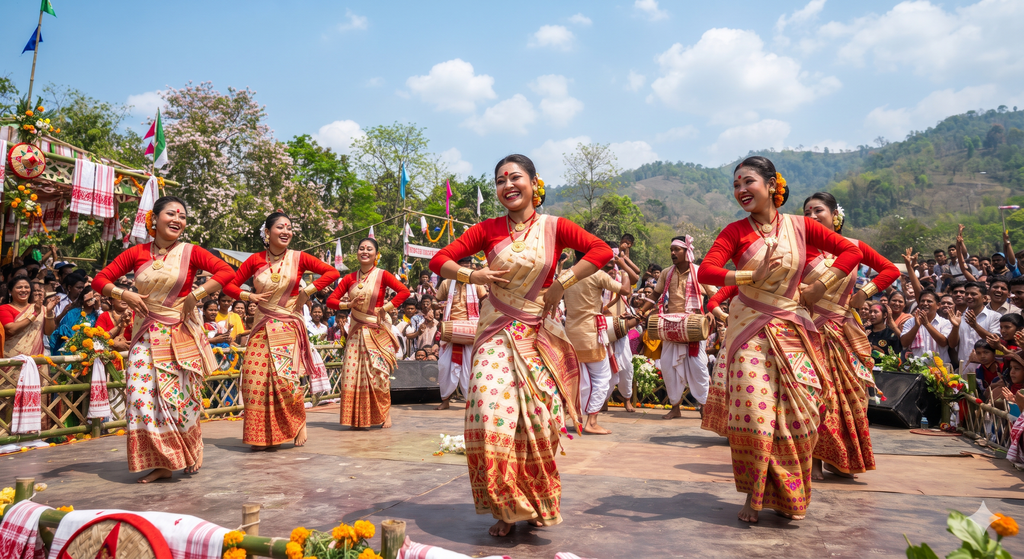
Rongali Bihu, also known as Bohag Bihu, marks the Assamese New Year and the arrival of spring. People celebrate with traditional songs, energetic dances, new clothes, and festive meals.
Young performers often participate in Bihu dance accompanied by instruments such as the dhol, pepa, and taal. The celebrations express joy, hope, and the beginning of a new agricultural season.
Kongali Bihu
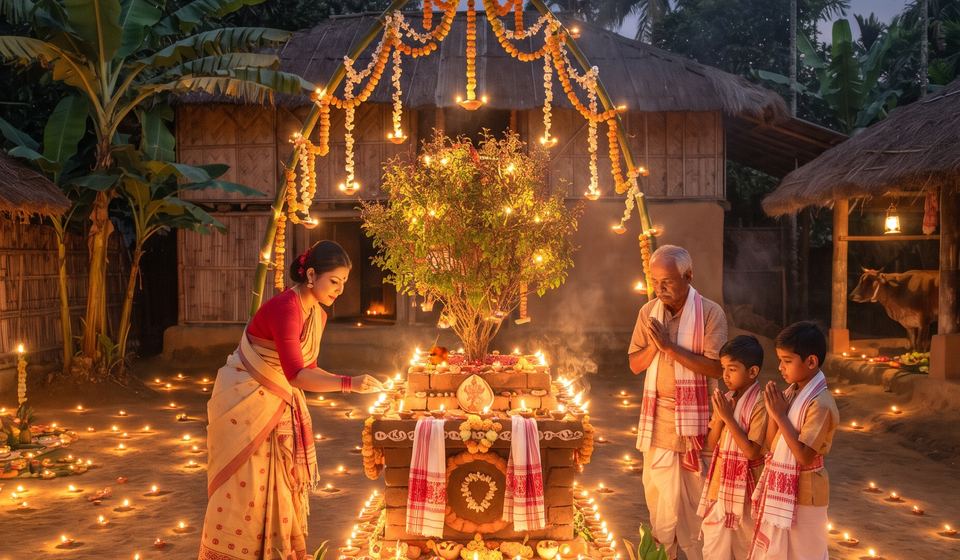
Kongali Bihu, or Kati Bihu, is associated with a period when agricultural resources may be limited. Families traditionally light lamps near tulsi plants and in rice fields. These practices express hope for a healthy crop and a successful harvest.
Unlike the lively celebrations of Rongali Bihu, Kongali Bihu has a more restrained atmosphere.
Bhogali Bihu
Bhogali Bihu, also called Magh Bihu, celebrates the harvest. It is a time for community gatherings, traditional food, and shared meals.
People prepare local dishes and organise celebrations with family members and neighbours. In this way, Bhogali Bihu highlights the importance of cooperation and gratitude.
Together, these three festivals represent different stages of agricultural life. They also show how festivals preserve the traditional art and culture of Assam.
Bihu: The Festival That Expresses Assam’s Spirit
Bihu is one of the most recognised cultural celebrations in Assam. It is closely connected to agriculture, seasonal change, music, dance, and community life. The festival reflects the relationship between Assamese people and the natural environment.
Assam celebrates three major Bihu festivals throughout the year
The Three Major Bihu Festivals
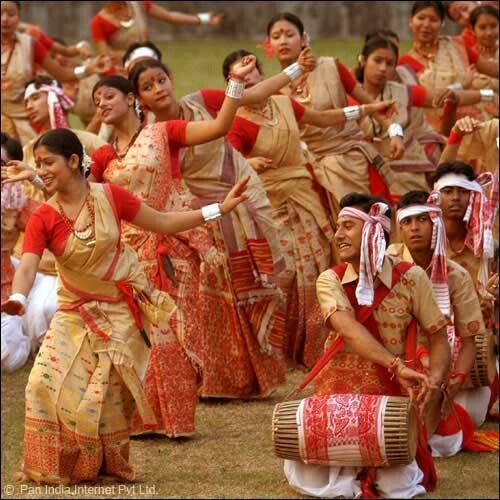
RONGALI BIHU
Celebrates the Assamese New Year and the arrival of spring. Bihu dance, music, new clothes, and social gatherings mark the occasion.
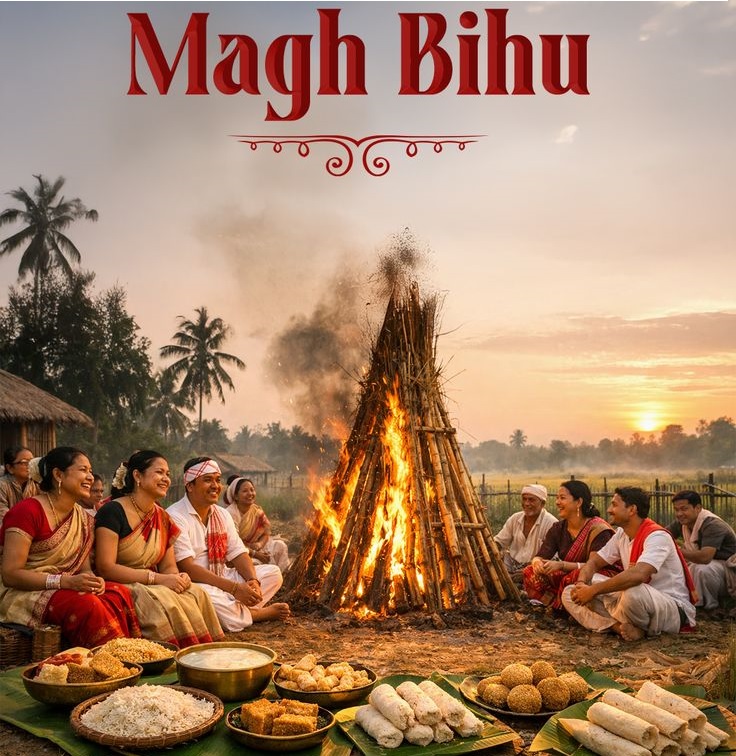
MAGH BIHU
Marks the harvest season with community feasts, traditional foods, and the lighting of meji bonfires.
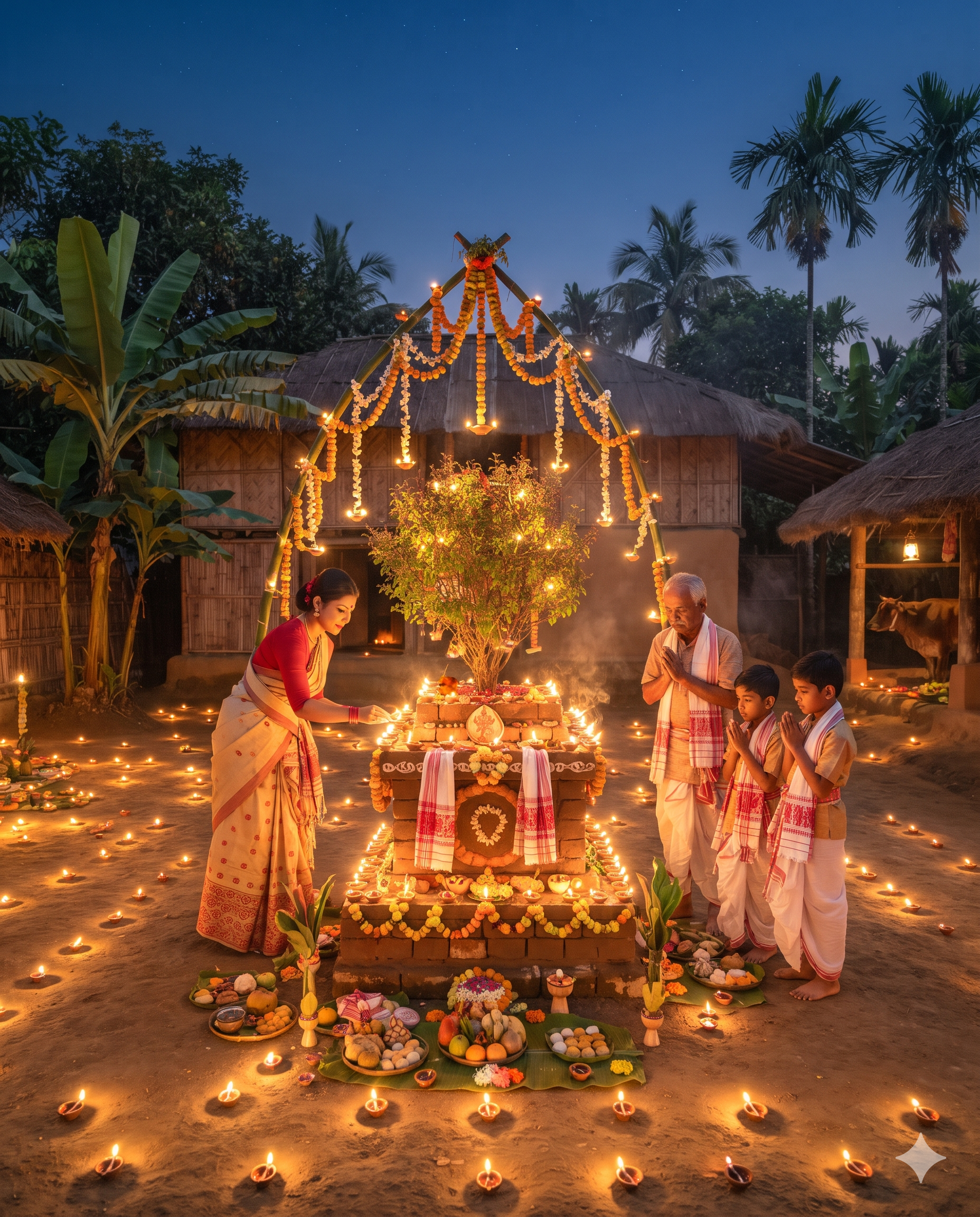
KATI BIHU
Observed during a period when crops are growing and food reserves may be limited. Lamps are lit as part of traditional prayers and rituals.
Although all three festivals are called Bihu, their meanings and customs differ.
Rongali Bihu is especially associated with lively dance and music. Performers use instruments such as the dhol, pepa, and gogona. Magh Bihu centres more strongly on harvest celebrations and shared meals. Kati Bihu is generally quieter and more reflective.
Bihu is widely celebrated, but Assam’s communities also maintain their own seasonal festivals, each with distinct meanings and customs.
Traditional Art and Culture of Assam Through Handloom and Silk
Weaving is one of the most important traditional crafts of Assam. For generations, Assamese families have produced beautiful textiles using traditional techniques. These fabrics are valued for their quality, patterns, and cultural significance.
Assam is especially famous for three types of silk.
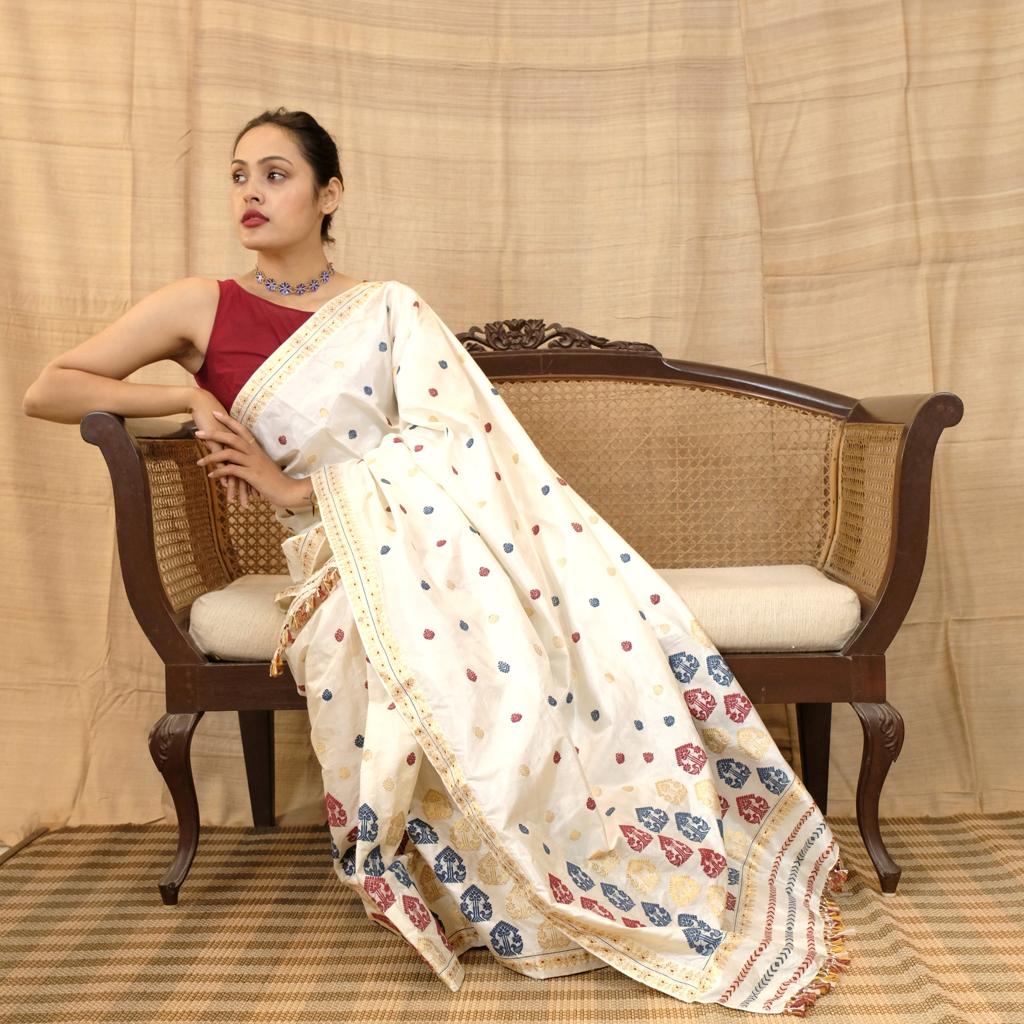
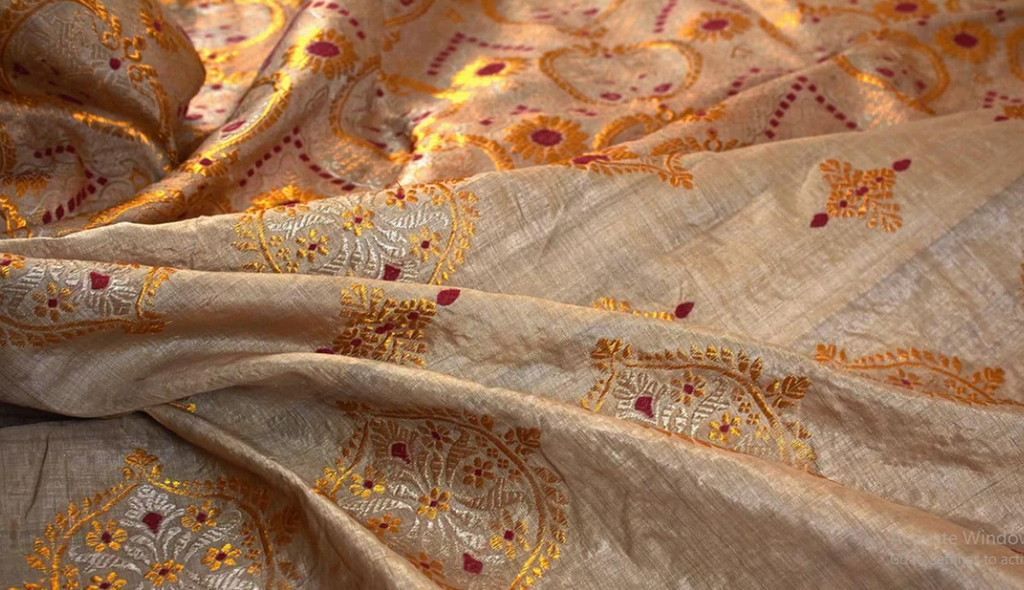
Muga silk
Known for its natural golden appearance and association with Assam. It is valued for its distinctive lustre and traditional use in ceremonial garments.
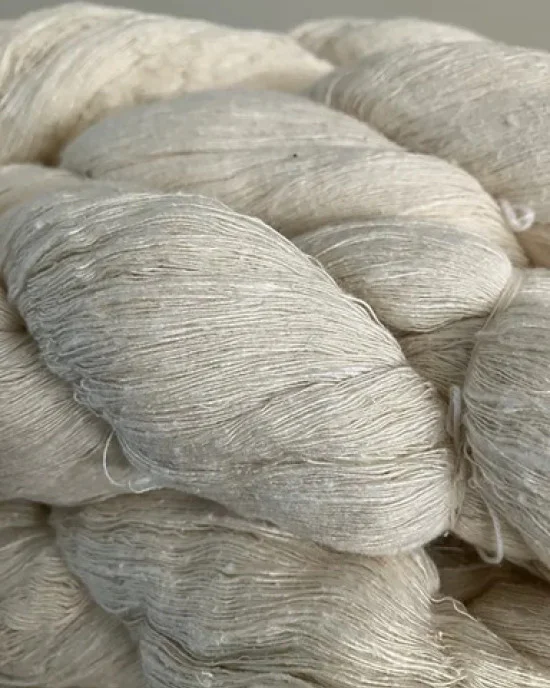
Eri silk
Often called peace silk, Eri is associated with a different production process from conventional reeled silk. Its soft texture makes it useful for shawls and other garments.
Pat silk
Usually valued for its smooth texture and light colour. It is widely used for traditional clothing and festive garments.
In addition to silk production, weaving allows artisans to express local identity through motifs and patterns. Many households have historically practised weaving as a domestic skill.
Today, traditional textiles also reach national and international markets. Consequently, supporting local weavers can help preserve traditional skills and create economic opportunities
Why Traditional Weaving Still Matters
Handloom products can help support rural incomes, preserve design knowledge, and give consumers access to distinctive textiles.
For buyers, authenticity matters. Before purchasing an expensive silk product, check the seller’s reputation, fibre description, production details, and any applicable certification. A traditional-looking pattern alone does not prove that a textile was handwoven in Assam or made from genuine Muga silk.
For artisans and businesses, fair pricing, transparent sourcing, and clear product descriptions help build trust.
Music, Dance and Storytelling in Assamese Culture
Assam’s performing arts express love, devotion, humour, agricultural life, and community memory. Folk traditions coexist with classical forms and religious theatre. Their instruments, songs, costumes, and movements reveal how different communities have interpreted their surroundings and histories.
Bihu Dance and Folk Music
Bihu dance is associated especially with Rongali Bihu. Its lively movements, rhythmic footwork, and expressive gestures accompany songs about love, nature, youth, and everyday experiences.
Traditional instruments include:
- Dhol: A double-headed drum that provides rhythm.
- Pepa: A wind instrument traditionally made using a buffalo horn.
- Gogona: A small jaw harp associated with Bihu music.
- Taal: Cymbals used to maintain rhythm.
- Toka: A traditional bamboo percussion instrument.
Sattriya: Assam’s Classical Dance Tradition
Sattriya Dance and the Vaishnavite Heritage
Sattriya is a classical dance tradition that originated in Assam. It is closely associated with the Neo-Vaishnavite movement led by the saint and reformer Srimanta Sankardeva.
The dance developed within the sattras, which are Vaishnavite monastic institutions. These institutions helped preserve religious teachings through music, theatre, dance, and other artistic practices.
Sattriya combines expressive gestures, rhythmic movements, music, and storytelling. Performances often draw on devotional themes and episodes from Hindu religious narratives.
In 2000, Sattriya received recognition as one of India’s classical dance forms. Since then, it has continued to reach audiences through stage performances, educational programmes, and cultural festivals.
Unlike Bihu, which is strongly connected to seasonal and community celebrations, Sattriya has a distinct devotional and theatrical history. Both, however, are important parts of Assam’s cultural identity.
Handicrafts, Masks and Traditional Architecture
Assam’s handicrafts demonstrate how local materials can become useful and beautiful objects. Bamboo, cane, clay, wood, and natural fibres are important materials in traditional craft production.
Moreover, many of these crafts reflect the close relationship between local communities and their surroundings.
Major Traditional Crafts
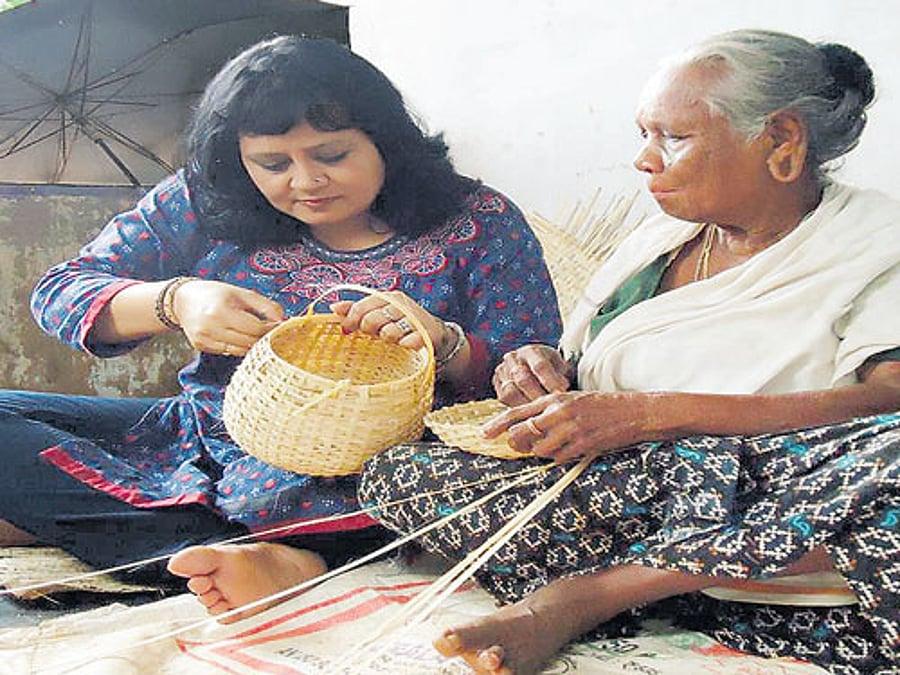
Bamboo and cane work
Craftspeople make baskets, household objects, furniture, and other useful items. The craft reflects local knowledge of natural materials.
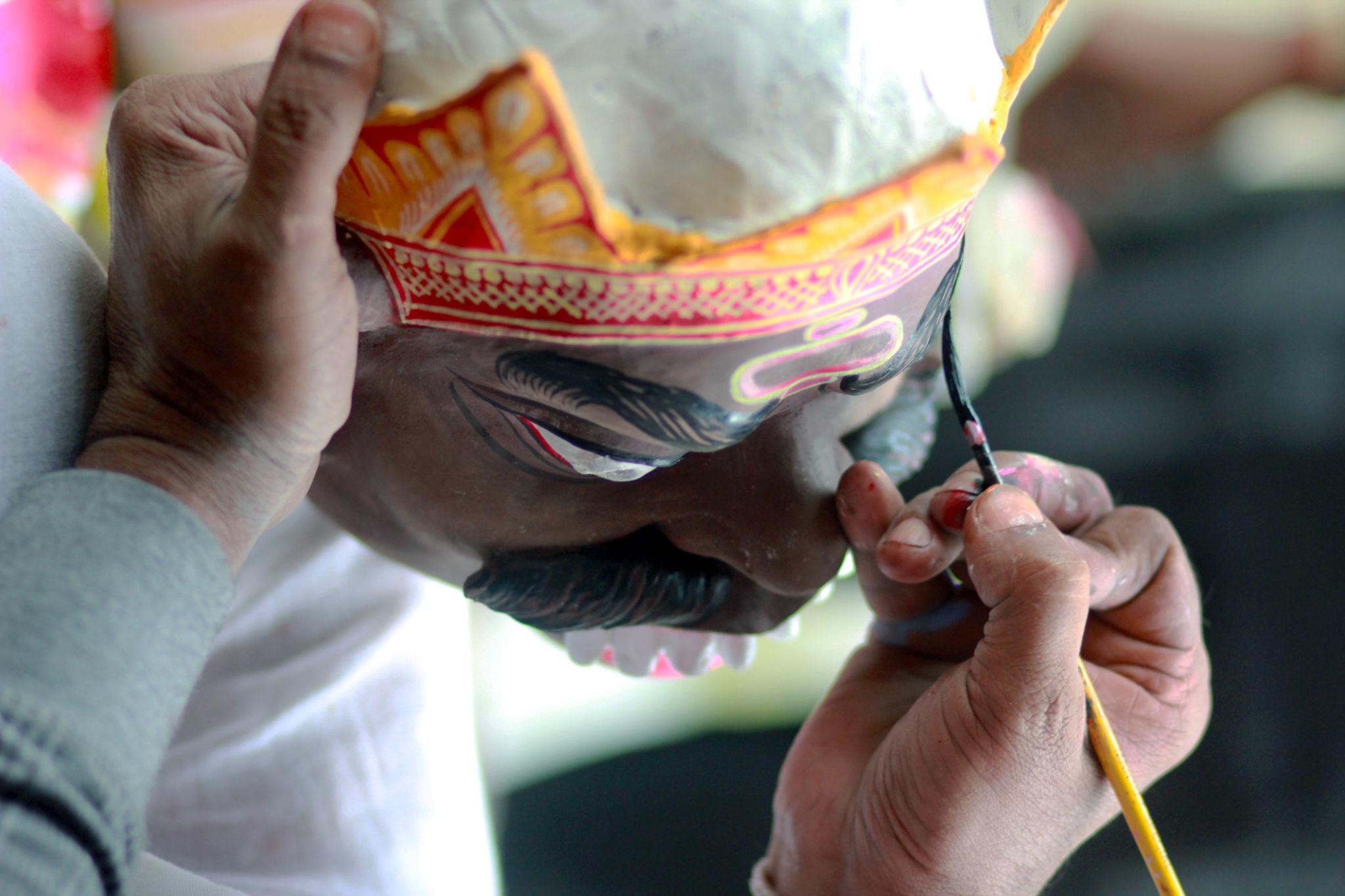
Mask-making
The mask-making traditions of Majuli are closely associated with Sattriya-linked theatrical performances. Artisans create expressive faces and figures for storytelling.
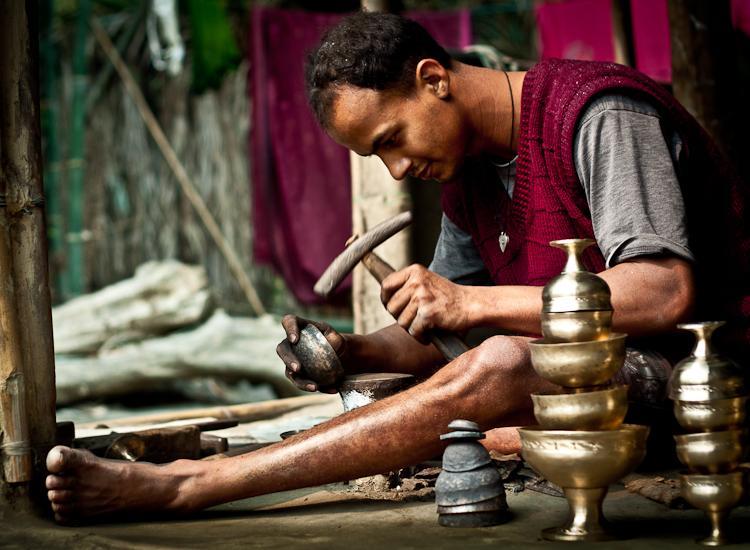
Bell-metal work
Sarthebari is known for bell-metal craftsmanship, including traditional utensils and ceremonial objects.
Architecture That Reflects History
Assam’s architecture reveals the influence of religion, climate, politics, and local building materials.
Namghars serve as important community prayer and gathering spaces in many Assamese Vaishnavite communities. Satras have historically supported religious teaching, performance, and artistic practice.
The Ahom dynasty left an architectural legacy in structures such as Rang Ghar and Talatal Ghar in the Sivasagar region. These monuments provide insight into the political and cultural history of medieval Assam.
Traditional homes also reflect environmental adaptation. Raised floors, bamboo construction, timber, and sloping roofs have been used in different areas to respond to rainfall, humidity, and local conditions. Building styles vary across communities and locations, so no single design represents every Assamese home.
9. Assamese Cuisine and Traditional Food Culture
Food is another important part of Assam’s cultural identity. Traditional Assamese cuisine often uses rice, vegetables, fish, lentils, herbs, and locally available ingredients.
Many dishes reflect seasonal produce and regional cooking practices.
Some well-known examples include:
- Khar: A traditional preparation associated with Assamese cuisine.
- Masor tenga: A tangy fish curry commonly enjoyed with rice.
- Pitha: Traditional rice-based preparations often made during Bihu.
- Laru: Sweet treats prepared for festivals and family celebrations.
- Jolpan: A term used for traditional snacks and light meals, often served with tea or other accompaniments.
Moreover food traditions differ between communities and households. Ingredients and cooking methods may also vary by region.
During Bihu, families often prepare special foods and share them with relatives and neighbours. Consequently, food becomes a way to express hospitality, strengthen relationships, and preserve family traditions.
10. The Role of Different Communities in Assamese Culture
Assam’s cultural heritage is not limited to one language or community. Instead, it reflects the contributions of many groups with distinct histories and traditions.
The Bodo community has rich traditions of music, dance, weaving, and festivals. The Mising community is known for its weaving, traditional clothing, and celebrations such as Ali-Aye-Ligang.
Similarly, Karbi, Rabha, Dimasa, and other communities maintain their own cultural practices. These include traditional songs, dances, crafts, ceremonies, and oral histories.
Each tradition contributes to the wider cultural landscape of Assam. At the same time, these communities preserve identities that deserve recognition in their own right.
Therefore, any exploration of Assamese culture should acknowledge both shared traditions and the diversity of the people who sustain them.
11. Challenges in Preserving Assam’s Traditional Heritage
However Assam has a rich cultural heritage, preserving traditional art forms is not always easy.
Younger generations may have fewer opportunities to learn specialised crafts. In some areas, traditional skills compete with mass-produced goods and changing consumer preferences.
In addition, artisans may struggle to reach customers beyond their local markets. Limited access to training, finance, and digital platforms can make it difficult to grow a sustainable craft business.
Environmental pressures also affect some cultural landscapes and traditional livelihoods.
However, several practical steps can help address these challenges:
- Encourage young people to learn traditional crafts and performing arts.
- Support local artisans by purchasing authentic handmade products.
- Document traditional techniques, songs, stories, and oral histories.
- Promote cultural education through schools and community programmes.
- Use digital platforms to showcase regional art and reach wider audiences.
- Develop responsible cultural tourism that benefits local communities.
These efforts can help preserve traditional knowledge while creating new opportunities for artists and craftspeople.
12. How Modernisation Is Shaping Assamese Art and Culture
Modernisation does not always mean the disappearance of tradition. In many cases, artists and artisans adapt their work to changing audiences.
For example, designers use traditional Assamese silk in contemporary clothing. Craft businesses sell bamboo products through online marketplaces. Meanwhile, musicians combine folk influences with modern arrangements.
Digital platforms also help artists share performances, tutorials, and cultural stories with people around the world.
Nevertheless, commercial success should not come at the expense of cultural understanding. Traditional designs and techniques deserve proper recognition, and artisans should receive fair value for their work.
When modern innovation respects cultural roots, it can help keep traditional art relevant for future generations.
Assam is widely known for Bihu, Muga silk, traditional handloom weaving, Sattriya dance, the Brahmaputra River, and its diverse communities. Its cultural identity also includes bamboo and cane crafts, bell-metal work, traditional cuisine, satras, and historic Ahom monuments.
The three main Bihu festivals are Rongali Bihu, celebrated in spring; Magh Bihu, associated with the harvest; and Kati Bihu, observed while crops are growing. Each has distinct customs, but all reflect the close relationship between Assamese life, agriculture, and seasonal change.
Muga silk is particularly associated with Assam and is recognised for its natural golden appearance. Eri and Pat silk are also important to the region’s textile heritage. Buyers should check fibre composition and origin because not every golden or traditional-looking fabric is genuine Assamese silk.
Bihu dance is among Assam’s most widely recognised folk dance traditions. Sattriya is another major dance form, recognised as one of India’s classical dances. Bihu expresses seasonal celebration and community life, while Sattriya developed within Assam’s Vaishnavite religious and artistic traditions.
Assam is known for bamboo and cane products, handwoven textiles, bell-metal utensils, pottery, and traditional masks. Majuli is particularly associated with mask-making, while Sarthebari is known for bell-metal craftsmanship. These crafts combine practical uses with artistic and cultural significance.
Popular examples include khar, masor tenga, pitha, laru, and poita bhat. Rice is central to many Assamese meals, while fish, vegetables, herbs, and fermented foods appear in different regional cuisines. Food traditions vary across communities and households.
Majuli is known for its satras and mask-making traditions. Sivasagar contains important monuments associated with the Ahom kingdom. Other useful destinations include Guwahati for cultural institutions and religious sites, as well as towns and villages where traditional weaving and crafts continue.
Tourists can support heritage by purchasing authentic crafts, paying fair prices, hiring knowledgeable local guides, and attending community-approved cultural events. They should ask before taking photographs, follow religious-site rules, and avoid activities that exploit performers or misrepresent local customs.
Key Takeaways
- Assam’s cultural identity is shaped by its landscapes, history, communities, and living traditions.
- Bihu, Sattriya, bhaona, handloom weaving, and traditional crafts are important parts of its heritage.
- Muga, Eri, and Pat silk represent distinct elements of Assam’s textile tradition.
- Bodo, Mising, Karbi, Dimasa, Tai-Ahom, and other communities contribute to the region’s cultural diversity.
- Traditional cuisine and architecture reveal connections between daily life, the environment, and history.
- Responsible tourism and fair trade can support cultural preservation.
- Community participation is essential when documenting, adapting, or commercialising traditional knowledge.
Final Verdict: Keeping Assam’s Heritage Alive
The traditional art and culture of Assam are best understood as a living heritage rather than a collection of historical objects. Its festivals, textiles, dances, crafts, architecture, and cuisine continue to connect people with their communities and surroundings.
Preserving this heritage requires more than admiration. It calls for fair support for artisans, opportunities for young people to learn traditional skills, accurate cultural representation, and respectful tourism. Modern markets and digital platforms can help, provided they recognise the people who create and sustain these traditions.
For travellers, the best next step is to explore Assam through its communities, local cultural institutions, and artisan-led experiences. For educators and businesses, it is to build partnerships that respect local knowledge and provide lasting benefits.
Beyond the blue hills and red rivers, Assam’s greatest treasure is the living creativity of its people.