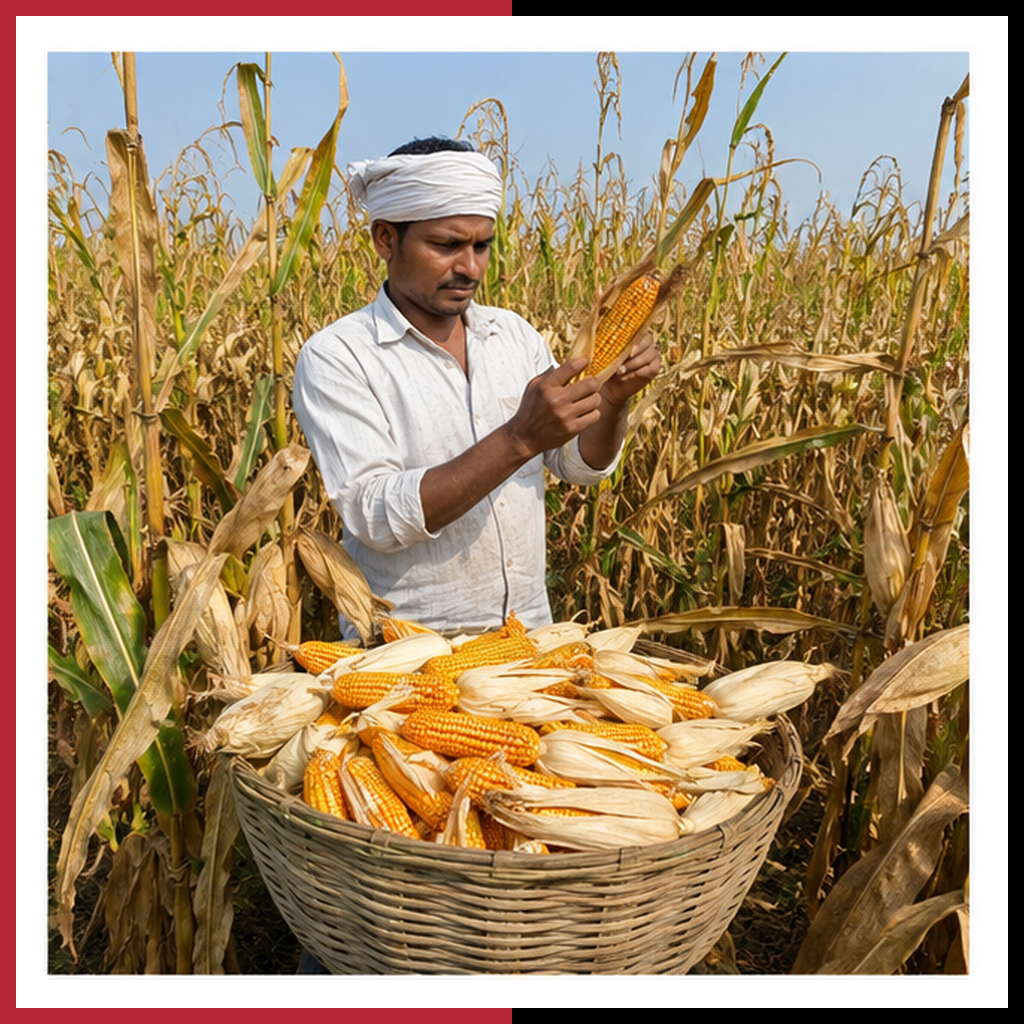
Maize has become an important part of Seoni’s agricultural economy. In particular, the district administration identifies maize as a major Kharif crop. Moreover, a substantial area that farmers previously used for soybean cultivation has now shifted towards maize. As a result, this growing production base creates new opportunities for farmers, grain traders, feed manufacturers, processors and wholesale buyers.
In addition, Seoni Maize supports several applications, including human food, poultry and livestock feed, starch production, corn flour, snacks, industrial processing and bioenergy. However, the quality of each lot may vary according to the variety, maturity, moisture level, cleanliness, storage and handling. Therefore, buyers should inspect the grain carefully before making a purchase.
Overall, this guide explains the key characteristics, production process, uses, benefits, quality checks and buying requirements of maize sourced from Seoni, Madhya Pradesh.
What Is Seoni Maize?
Seoni Maize refers to maize cultivated, collected, processed or traded through Seoni district in Madhya Pradesh. Typically, farmers grow it during the Kharif season. Depending on the buyer’s needs, suppliers may offer it as whole grain, cleaned maize, feed-grade maize, food-grade maize or industrial maize.
Maize, botanically known as Zea mays, is a cereal crop that produces kernels on cobs. In general, commercial maize is available in yellow and white varieties. However, its exact colour, texture and composition may vary according to the hybrid or seed variety.
Moreover, the Seoni district administration identifies maize as a major Kharif crop in the district. As a result, the crop continues to gain importance within Seoni’s agricultural system and supports farmers, traders and processing businesses.
Seoni Maize may be supplied in forms such as:
- Whole yellow maize
- White maize
- Cleaned and graded maize
- Feed-grade maize
- Food-grade maize
- Maize for starch processing
- Corn flour or maize flour
- Crushed maize
- Maize grits
- Bulk maize for industrial use
The correct maize grade depends on its intended use. For example, buyers may require different specifications for human food, animal feed, starch extraction, milling or other industrial applications. Therefore, they should confirm the final purpose before selecting a product.
Why Is Maize Important in Seoni?
Direct answer: Maize is important in Seoni because it has become a major Kharif crop and supports a broad agricultural supply chain. Moreover, its multiple uses create opportunities in cultivation, grain collection, cleaning, grading, transportation, storage, poultry feed, food processing and industrial manufacturing.
Agricultural Importance
The official Seoni district portal reports that farmers have shifted a considerable cultivation area from soybean to maize. As a result, maize now plays a growing role in the district’s agricultural economy. In addition, this change creates new income opportunities for local farmers and strengthens demand for storage, transport and processing services.
Commercial Demand
Maize is purchased by:
- Grain traders
- Poultry-feed manufacturers
- Livestock-feed businesses
- Flour and grits processors
- Starch manufacturers
- Snack producers
- Retail grain sellers
- Institutional buyers
- Export-oriented businesses
Industrial Importance
Maize is no longer used only as a cereal grain. It has become an important raw material for food, feed, starch, oil, sweeteners, beverages and bioenergy products.
ICAR describes maize as increasingly important to India’s food, nutrition, animal-feed, industrial and bioenergy sectors.
Export Potential
APEDA reports that India produced an estimated 43.41 million tonnes of maize in 2024–25. It also records maize exports to markets including Nepal, Sri Lanka, Bhutan, Bangladesh and Thailand during that period.
Individual Seoni suppliers should not automatically claim export quality. Export buyers must verify product specifications, testing and documentation for each consignment.
Key Features of High-Quality Seoni Maize
Uniform Grain Colour
A quality maize lot should have a reasonably consistent colour according to its variety. Yellow maize should not contain excessive blackened, discoloured or mould-damaged kernels.
Minor natural colour differences may occur, but heavy variation can indicate mixing or poor grading.
Proper Dryness
Maize should feel dry and free-flowing. Excess moisture can cause heating, fungal growth, unpleasant odours and storage losses.
Commercial buyers should request moisture testing before purchasing large quantities.
Low Foreign Matter
Clean maize should contain minimal:
- Dust
- Soil
- Stones
- Cob pieces
- Stems
- Husk
- Unrelated grains
- Insect matter
- Other foreign particles
Minimal Broken Kernels
Excessive broken grain can affect storage, processing performance and feed quality. Broken kernels may also become damaged more quickly.
Natural Odour
Fresh maize should have a mild, natural cereal smell. A musty, fermented, chemical or sour smell may indicate moisture damage, contamination or poor storage.
Low Insect Damage
Buyers should check for:
- Small holes in kernels
- Live insects
- Webbing
- Powdery residue
- Heating inside bags
- Damaged packaging
Suitable Grade for the Final Use
Food-grade, feed-grade, starch-grade and seed-grade maize have different requirements. Buyers should never assume that one grade is automatically suitable for every application.
How Is Seoni Maize Cultivated and Processed?
Seoni Maize is mainly cultivated during the Kharif season. Production typically includes field preparation, seed selection, sowing, crop management, harvesting, cob drying, shelling, grain cleaning, grading and storage. The grain may then be sold whole or processed into feed, flour, grits, starch and other products.
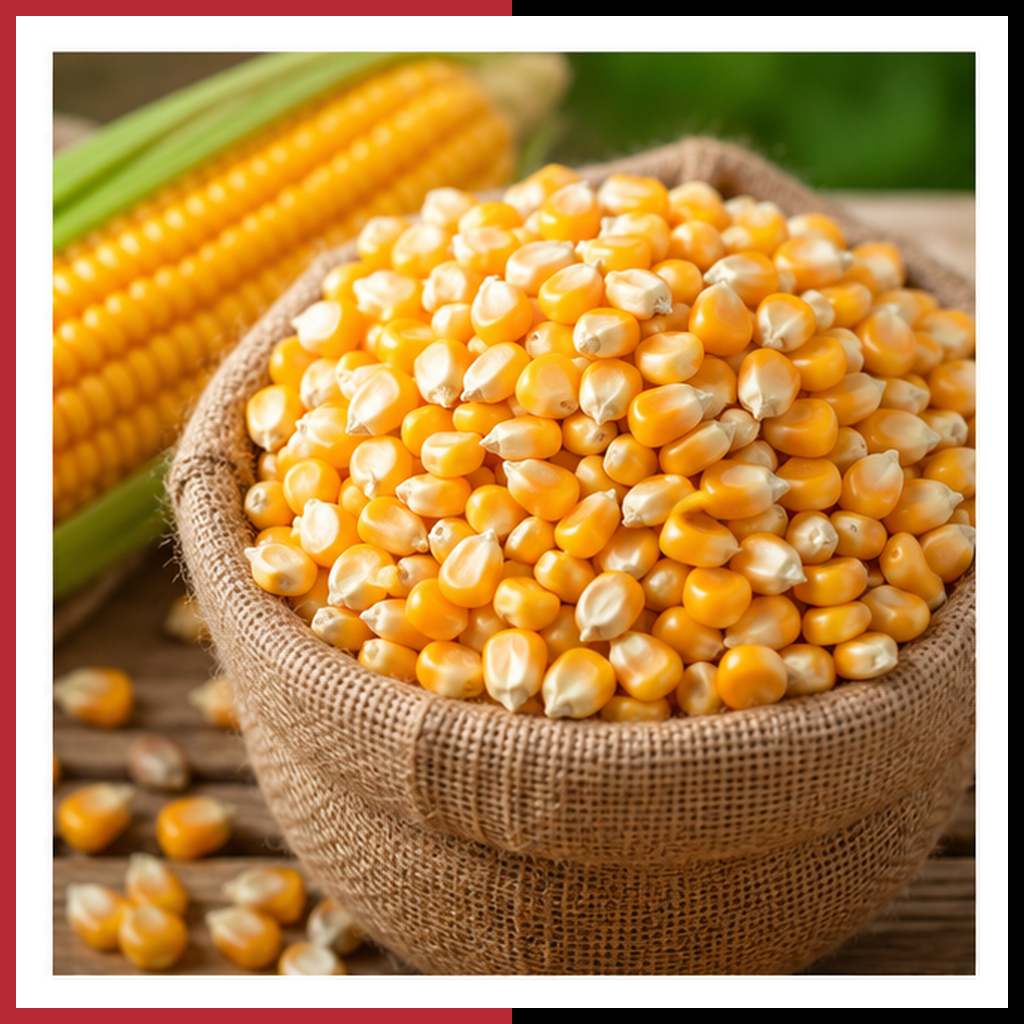
Step 1: Field Preparation
The land is prepared to create a suitable seedbed and manage drainage.
Maize is sensitive to both moisture stress and excessive water. Farmers must therefore manage field moisture according to crop stage and local conditions.
Step 2: Seed Selection
Farmers select a suitable variety or hybrid according to:
- Local climate
- Soil conditions
- Crop duration
- Disease resistance
- Expected yield
- Grain colour
- Market requirement
- Intended use
Food, feed and industrial processors may prefer different grain characteristics.
Step 3: Sowing
Maize is generally sown with suitable monsoon conditions during the Kharif season in Seoni.
Correct spacing, plant population and sowing depth help support uniform crop growth.
Step 4: Crop Management
Farmers manage:
- Soil nutrients
- Weed growth
- Irrigation or field moisture
- Insect pests
- Plant diseases
- Drainage
- Crop maturity
The crop should be regularly monitored because both weather and pest pressure can affect grain quality.
Step 5: Harvesting
Cobs are harvested after the crop reaches the required maturity. Harvesting too early can result in immature and high-moisture grain.
Delayed harvesting may expose the crop to weather damage, pests or field losses.
Step 6: Drying
Harvested cobs or shelled kernels must be dried before storage.
Proper drying helps reduce the risk of mould, heating and quality deterioration.
Step 7: Shelling
Kernels are separated from the cob manually or through maize-shelling equipment.
Careful shelling helps limit unnecessary broken kernels.
Step 8: Cleaning and Grading
The maize is cleaned to remove dust, stones, cob pieces, damaged grain and other impurities.
It may then be graded according to:
- Kernel colour
- Grain size
- Moisture
- Broken percentage
- Foreign matter
- Test weight
- Intended application
Step 9: Storage and Supply
Clean grain is packed in bags or stored in bulk facilities. It is later supplied to traders, processors, feed mills or food businesses.
Main Uses of Seoni Maize
Poultry and Animal Feed
Maize is widely used as an energy-rich ingredient in poultry and livestock feed.
Feed manufacturers must formulate products carefully and check grain quality, moisture, contamination and nutritional suitability.
Human Food
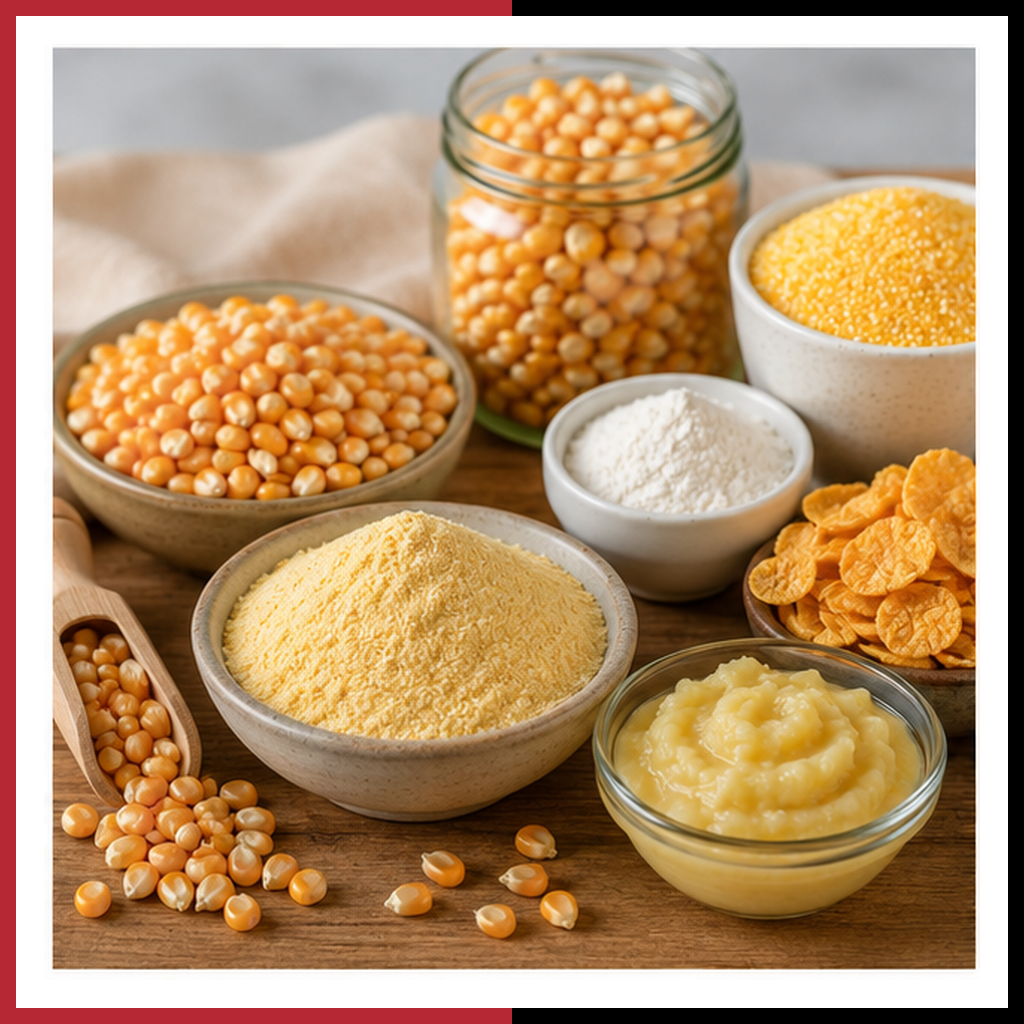
Food-grade maize may be used to prepare:
- Maize flour
- Makki atta
- Corn grits
- Cornmeal
- Breakfast cereals
- Traditional foods
- Snacks
- Roasted corn products
Starch Manufacturing
Industrial processors can extract starch from maize. Maize starch is used in food production and several non-food industries.
Corn Flour and Grits
Corn Flour and Grits
Milling units process maize into flour, meal and different sizes of grits. As a result, food manufacturers can use these products in snacks, breakfast cereals, bakery items and traditional dishes.
Corn Oil
Industrial processors may extract oil from the maize germ. In addition, manufacturers can refine the extracted oil for suitable food and industrial applications, depending on quality and processing standards.
Sweeteners and Industrial Ingredients
Processors can convert maize-derived starch into glucose and other sweetening ingredients. Moreover, several industries use maize starch in food products, paper, textiles and other manufacturing processes.
Bioenergy Applications
Maize and maize-based materials may also support biofuel and energy-related production. However, their use depends on government policy, available technology, commercial feasibility and raw-material requirements.
Benefits of Choosing Quality Seoni Maize
Established Regional Production
The Seoni district administration officially recognises maize as a major Kharif crop. Therefore, buyers can source grain from an established farming and grain-trading region. In addition, the district’s growing maize production supports local storage, transportation and processing activities.
Multiple Commercial Uses
Seoni Maize can serve food processors, feed mills, starch units, traders and industrial buyers. Moreover, processors can convert the grain into flour, grits, starch, oil, feed products and several value-added ingredients.
Bulk Procurement Potential
The growing importance of maize in Seoni can support wholesale and processing requirements. However, actual supply may vary according to the harvest season, crop quality, storage availability and supplier capacity. Therefore, bulk buyers should confirm quantity and delivery schedules before placing an order.
Value-Addition Opportunities
Raw maize can be converted into:
- Cleaned grain
- Feed mixes
- Corn flour
- Maize grits
- Starch
- Oil
- Snacks
- Packaged food products
Support for Agricultural Livelihoods
Traceable regional procurement can support farmers, agricultural workers, transporters, warehouses and processing businesses.
Domestic and Export Demand
India has a significant maize market and exports grain to several neighbouring and regional countries.
Common Buying Mistakes
Selecting Maize Only by Price
Problem: The lowest-priced lot may contain excess moisture, broken kernels or foreign matter.
Cause: The buyer compares only the price per kilogram.
Solution: Compare usable grain quality, storage risk and processing yield.
Ignoring Moisture
Problem: Maize heats up or develops mould during storage.
Cause: The grain was not dried properly before packing.
Solution: Test moisture before accepting a commercial shipment.
Not Defining the Final Use
Problem: The maize does not suit the buyer’s process.
Cause: Feed-grade, food-grade and industrial maize are treated as identical.
Solution: State the exact application and specifications before requesting quotations.
Inspecting Only the Top Layer
Problem: Broken grain and dust remain hidden at the bottom of bags.
Cause: The buyer checks only the visible grain.
Solution: Take representative samples from several bags and different depths.
Ignoring Mould Risk
Problem: Contaminated maize creates food, feed and commercial risks.
Cause: The grain’s storage history, odour and moisture are not checked.
Solution: Reject suspicious lots and arrange appropriate laboratory testing.
Buying Without a Sample
Problem: The delivered grain differs from the approved quality.
Cause: No representative sample or written specification was used.
Solution: Approve a sample and retain it for comparison.
How to Buy Seoni Maize Safely
Direct answer: Buyers should purchase Seoni Maize only after checking its regional source, variety, crop year, moisture level, broken kernels, foreign matter, odour and intended use. Moreover, commercial buyers should collect representative samples, arrange suitable testing and record the approved specifications before placing a bulk order.
Follow these steps:
- First, define whether the maize is required for food, animal feed or industrial processing.
- Next, ask about the farm, mandi or supplier source.
- Then, confirm the crop year and storage period.
- In addition, inspect the kernel colour, size and overall uniformity.
- After that, check for insects, mould and foreign matter.
- Similarly, smell the grain to identify mustiness or any unusual odour.
- Moreover, test the moisture level and broken-kernel percentage.
- Before purchasing, confirm the bag weight and packaging condition.
- For better assurance, approve a representative sample from the lot.
- Finally, record payment, delivery, replacement and rejection conditions in writing.
FSSAI maintains food standards and analytical methods for cereals and cereal products. Food businesses should ensure that maize intended for human consumption meets applicable safety, quality, packaging and labelling requirements.
How to Check Seoni Maize Quality
A proper quality check may include:
- Moisture percentage
- Foreign matter
- Broken and damaged kernels
- Insect damage
- Grain colour
- Test weight
- Mould or fungal signs
- Aflatoxin testing where applicable
- Pesticide-residue compliance where required
- Variety and crop-year verification
The exact testing programme depends on whether maize is intended for food, feed, starch, export or another industrial use.
Seoni Maize vs Unverified Generic Maize
| Factor | Verified Seoni Maize | Unverified Generic Maize |
| Regional source | Seoni source can be confirmed | Origin may be unclear |
| Traceability | Farm, mandi or supplier records may be available | Often limited |
| Quality specifications | Can be agreed before purchase | May contain mixed quality |
| Moisture testing | Can be requested | May not be provided |
| Intended-use grade | Food, feed or industrial grade can be selected | Suitability may be uncertain |
| Bulk supply | Supported by a recognised maize-growing region | Depends on seller |
| Best suited for | Buyers seeking traceable procurement | General price-based purchase |
A product should only be marketed as Seoni Maize when its source or supply chain genuinely connects it with the district.
Food-Grade Maize vs Feed-Grade Maize
| Feature | Food-Grade Maize | Feed-Grade Maize |
| Main use | Human food products | Poultry and animal feed |
| Cleanliness | Requires strict food controls | Must meet feed specifications |
| Processing | Flour, meal, grits and snacks | Crushing and feed formulation |
| Quality priority | Safety, colour, flavour and purity | Energy value, safety and consistency |
| Compliance | Applicable food regulations | Applicable feed and buyer standards |
| Main buyers | Food mills and snack businesses | Feed manufacturers |
Feed-grade maize should not automatically be sold for human consumption. Each lot must meet the requirements of its intended use.
Best Maize Manufacturer and Supplier in Seoni
Seoni has maize farmers, grain traders, cleaning and grading units, feed businesses, processors and wholesale suppliers, but no official authority ranks one company as the best maize manufacturer or supplier. Buyers should compare source traceability, moisture, grain purity, testing reports, processing capacity, food or feed compliance, packaging, prices and delivery performance before choosing a supplier.
Best Practices for Maize Buyers
- Define the final application before purchasing.
- Inspect representative samples from several bags.
- Check moisture before storage.
- Reject grain with mould or an abnormal smell.
- Confirm acceptable foreign-matter limits.
- Record the variety and crop year.
- Arrange laboratory testing when required.
- Inspect the grain before loading.
- Store bags on pallets in a dry warehouse.
- Review supplier performance after every delivery.
How to Store Seoni Maize
Direct answer: Store Seoni Maize in a clean, dry, cool and ventilated warehouse. Keep bags above the floor and away from damp walls. Regularly inspect the grain for moisture, insects, heating, mould and packaging damage. Different lots and grades should remain clearly separated.
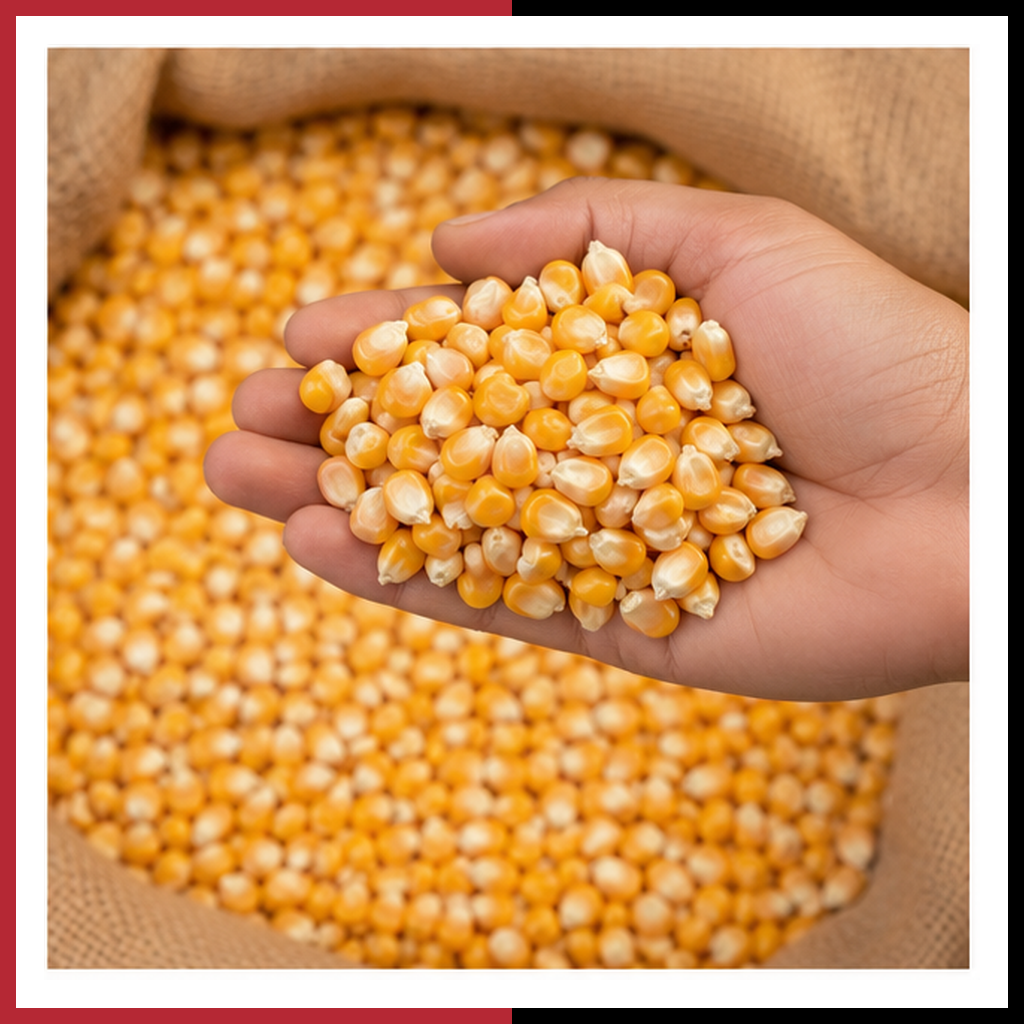
Storage Tips
- Use clean and dry bags.
- Keep maize on pallets.
- Leave space between bags and walls.
- Protect the stock from rain and roof leakage.
- Do not mix old and new grain.
- Follow first-in, first-out rotation.
- Inspect regularly for insects and webbing.
- Remove wet or damaged bags.
- Keep the warehouse free from spilled grain.
- Maintain clear batch and purchase records.
Frequently Asked Questions
Seoni is known for maize because the crop has become a major part of the district’s Kharif agriculture. The district administration states that a large area previously used for soybean has shifted towards maize cultivation.
Seoni Maize may be used for poultry and livestock feed, maize flour, corn grits, snacks, starch, oil and other processed products. The appropriate use depends on the grain’s grade, quality and safety.
Good maize should be dry, clean and reasonably uniform. It should not have excessive broken kernels, insects, mould, foreign matter or an abnormal smell. Commercial buyers should also test moisture and other required quality parameters.
Yes. Farmers, grain traders and suppliers may offer maize in bulk. Buyers should approve a representative sample and confirm moisture, grade, packaging, weight, testing and delivery requirements before ordering.
5. Is yellow maize suitable for poultry feed?
Key Takeaways
- Maize is a major Kharif crop in Seoni.
- The district has seen agricultural land shift from soybean to maize.
- Maize serves food, feed and industrial markets.
- Quality depends on moisture, purity and kernel condition.
- Food-grade and feed-grade maize have different requirements.
- Buyers should collect representative samples before ordering.
- Laboratory testing may be necessary for commercial supplies.
- Proper storage protects grain quality.
- No supplier should be called the best without comparing actual performance.
Final Verdict
Seoni Maize is a commercially useful agricultural product for food processors, feed manufacturers, grain traders and industrial buyers. The crop’s growing importance in the district gives Seoni a strong position in regional maize procurement.
However, regional origin alone cannot guarantee the quality of every shipment. Buyers should examine moisture, grain purity, broken kernels, storage history and intended-use suitability.
For large purchases, approve a representative sample, obtain the necessary test reports and record all quality conditions before dispatch.
Conclusion
Seoni Maize represents an important part of Seoni’s changing agricultural economy. Its applications in food, animal feed, starch, oil and industrial products create opportunities for farmers, processors and wholesale buyers.
Customers looking for Seoni Maize should focus on verified sourcing, dry grain, low impurities and secure packaging. Food and feed businesses should also confirm regulatory and laboratory requirements.
Careful inspection, written specifications and proper storage can reduce purchasing risk while maintaining maize quality and processing value.
Leave a Reply